

Symbols of Death hold deep meaning across cultures and traditions, helping us understand the emotional and spiritual aspects of loss, transformation, and the cycle of life. From the shadowy figure of the Grim Reaper to the peaceful flight of the mourning dove, these symbols reflect that death is not the final chapter but a step in a greater journey. Whether they offer comfort, inspire reflection, or symbolize renewal, they bridge cultures and bring insight into the shared human experience of mortality.
“Symbols of death have the power to teach us about the impermanence of life and our connection to the world beyond.”
Through exploring these 40 symbols, we gain a better understanding of how symbols of death are perceived across different societies and how they shape our approach to life. These symbols help us connect with the deeper, more meaningful aspects of existence, offering both comfort and wisdom as we navigate life’s inevitable transitions.
Symbols of Death in Religion
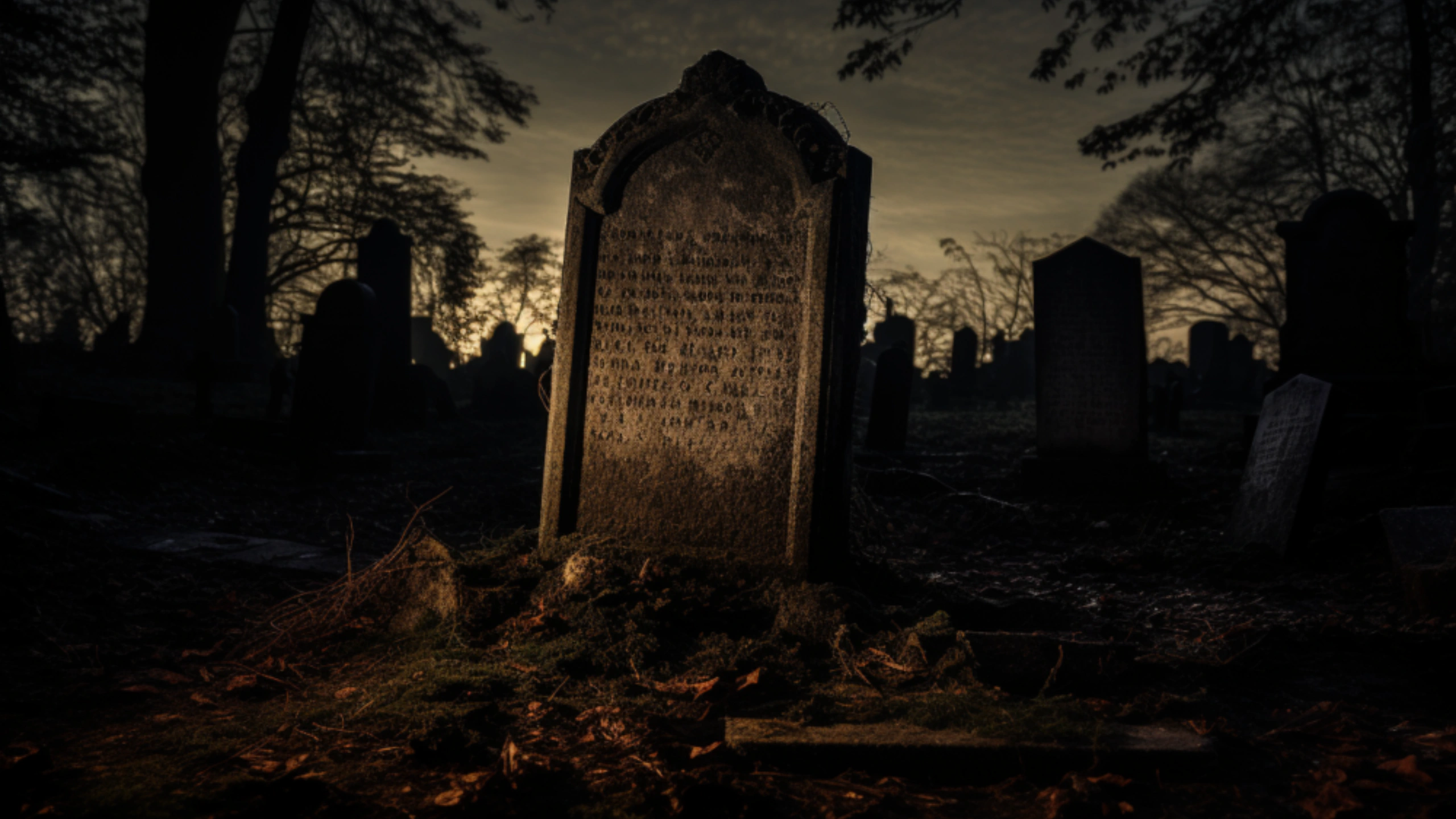
Religious symbols of death across the world hold deep meanings, often symbolizing the transition from life to the afterlife. In Christianity, the cross represents sacrifice and eternal life. The ankh in ancient Egyptian beliefs symbolizes immortality, while in Hinduism, the lotus flower is linked to spiritual rebirth.
These symbols of death provide comfort and insight into the soul’s journey after death. Understanding these symbols helps individuals find peace and deeper meaning in the face of loss.
40 Symbols Of Death And Their Meaning

Symbols of death like the Grim Reaper, skulls, and hourglasses reflect the fragility of life and the afterlife. Symbols for death help us honor the deceased and offer comfort about the spiritual journey that follows.
These symbols remind us of life’s impermanence and encourage reflection on the cycles of existence. By understanding what symbols are associated with death, we gain a deeper insight into how different cultures view life, death, and the afterlife.
Here are the 40 Symbols of Death and Their Meanings:
- The Grim Reaper
- Death Masks
- The Skull
- The Coffin
- The Vulture
- Skeleton
- Dead Tree
- Black Cat
- Mourning Dove
- The Owl
- The Tombstone
- Bat
- Ouroboros
- The Hour Glass
- Cross
- Mirror
- Noose
- Snake
- The Rotting Flesh
- Blood
- Black Butterfly
- Wanning Moon
- The Funeral
- The Plague Doctor
- Phoenix
- Extinguished Candle
- Ravens and Crows
- Scythe
- The Color Black
- Poppy
- Anubis
- The Cerberus
- Death’s Head Moth Symbolism
- Yama
- Stairway to Heaven
- Wheel of Fate
- The Memento Mori
- The Tarot Card of Death
- Funeral Pyre
- The Banshee
1: The Grim Reaper
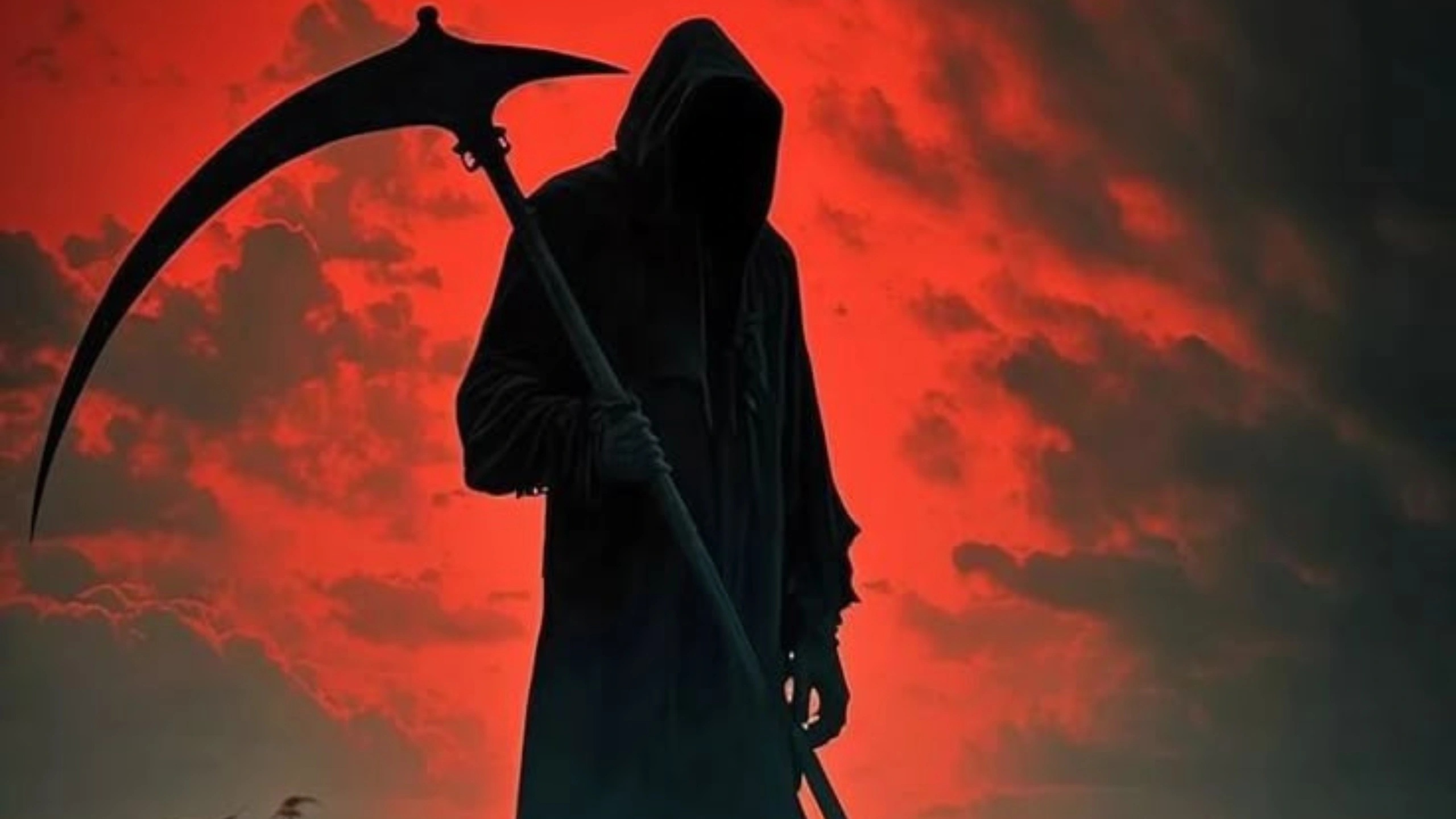
The Grim Reaper is typically shown as a skeletal figure draped in a dark cloak, holding a scythe in hand. symbolizes death the inevitable end of life, as the one who comes to claim the soul
The Grim Reaper is one of the most recognized symbols of death, representing both death and the process of change. His dark cloak and scythe are symbols associated with mortality, reminding us of the inevitability of death.
Often portrayed as a guide for souls, he plays an important role in the transition from life to the afterlife, reflecting death metaphors and symbols of life’s fragility. The Grim Reaper’s image comes from cultural beliefs that view death as a natural, quiet part of life. His presence encourages us to reflect on life and accept mortality as part of the journey we all share.
Read also this article: 21 Symbols of Resilience in Cultures and Arts Around The World
2: Death Masks

Death masks are meaningful symbols of death that preserve the face of someone who has passed away. Often created shortly after death, these masks were made from materials like plaster, wax, or metal to capture a person’s features in detail. In many cultures, they were used during funeral rituals or kept at home as a symbol for death of a loved one, helping to remember and honor the deceased.
Some believed these masks could guide the spirit into the afterlife, adding spiritual significance to the symbols of death. Today, these masks are displayed in museums, offering a powerful connection to the past.
“Death masks symbolize the permanence of death and the passing of time, serving as a remembrance of the deceased.”
3: The Skull
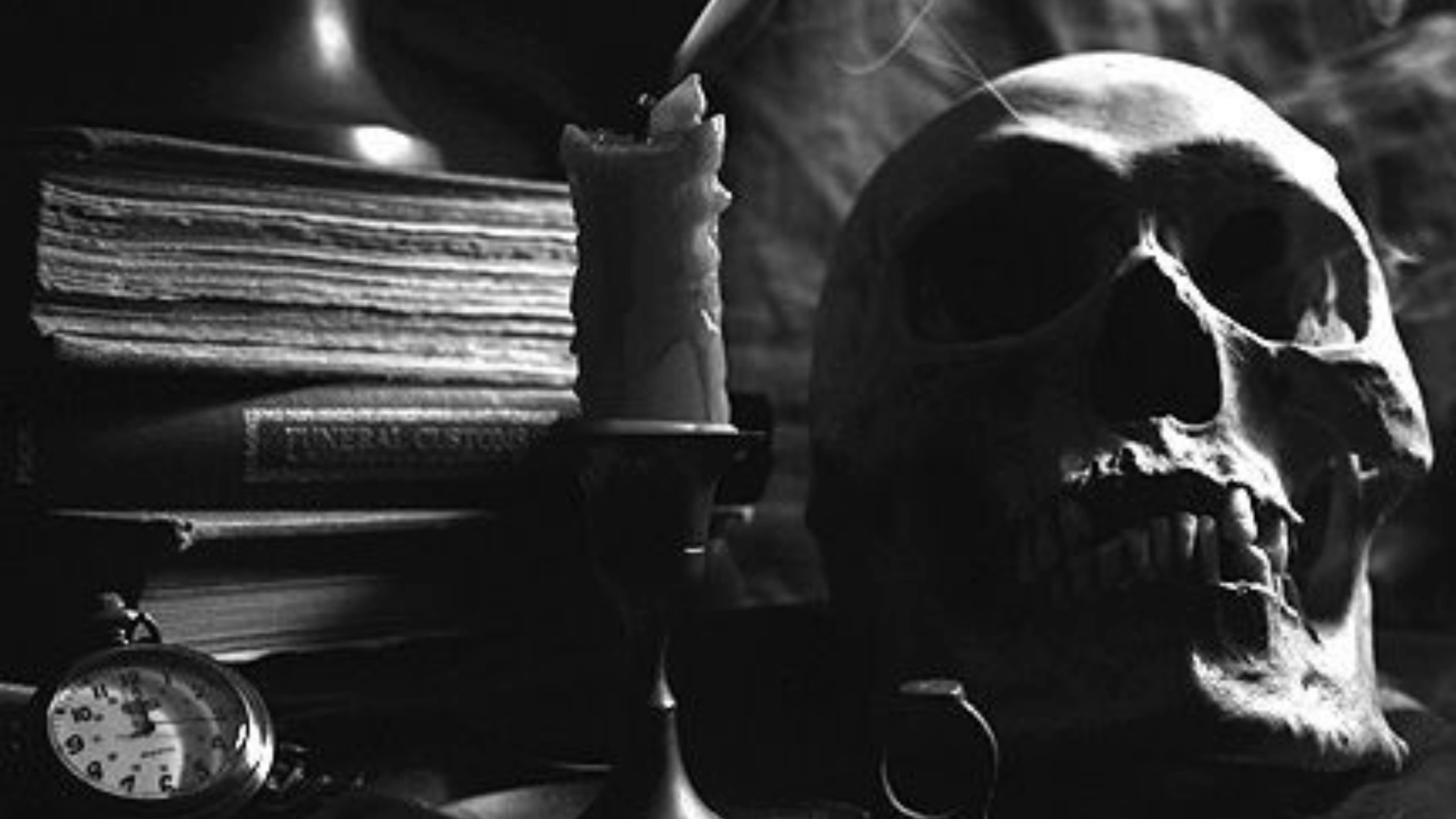
The skull is a powerful symbol of death and the shortness of life. It reminds us that life is fragile and encourages us to appreciate every moment we have. The skull, which shields the brain, also stands as a symbol of mortality—reminding us that death is a natural phase of human existence.
“The skull is a universal symbol of death, reminding us of mortality and the fragility of life.”
Across different cultures, skulls are powerful symbols of death, carrying many meanings. In Mexico, during the Day of the Dead, skulls are used to celebrate and remember those who have passed.
These skulls are also seen as symbols of death in art, often vibrant and colorful, celebrating life and death together. In other cultures, skulls act as warning signs, symbolizing danger and urging caution. Whether in fashion, art, or movies, skulls represent rebellion or adventure, reminding us to value life and live wisely.
4: The Coffin

A coffin is a symbol of death, marking both the end of life and the love for those who have passed. Made from wood or metal, it holds the body and the memories shared, serving as a powerful symbol of death in funerals.
“A coffin symbolizes the finality of life, marking the end of a person’s journey and reminding us of mortality.”
In many cultures, coffins represent respect, love, and the link between symbols of life and death. They are often decorated with flowers and personal items, symbolizing the bond that continues after death.
Coffins also reflect dark symbols of death and the afterlife, representing the spiritual journey beyond. While they may evoke grief, they carry a message of hope, reminding us that love and memory never truly die. These symbols of death offer comfort, showing that death is part of the cycle, not the end.
5: The Vulture
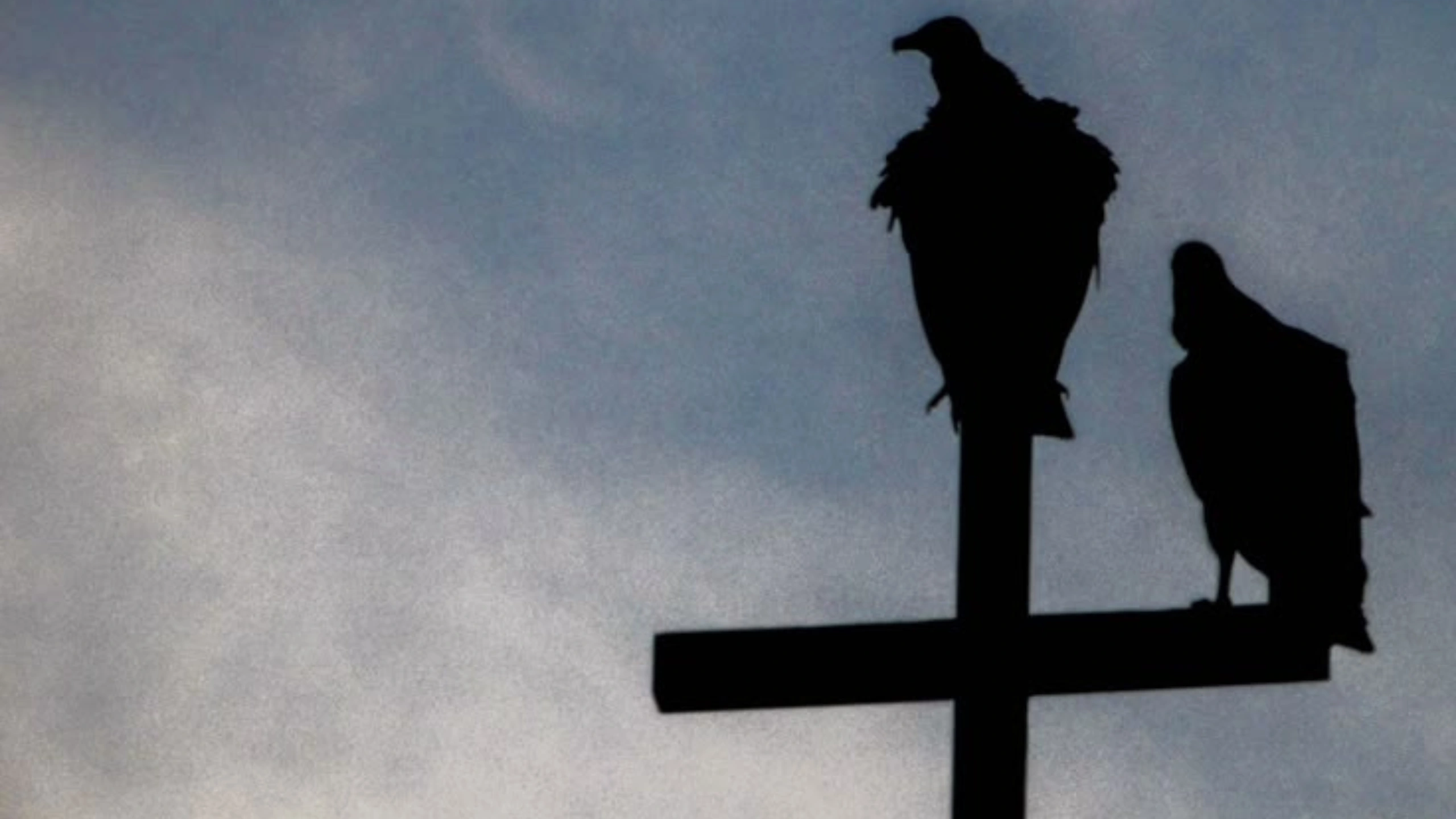
Vultures are scavenger birds that help maintain nature’s balance by feeding on animal remains and supporting a cleaner, healthier ecosystem. With its bald head and strong beak, the vulture helps stop the spread of diseases by eating animal remains and returning nutrients to the soil. Vultures are seen across the globe, soaring through the skies as they look for their next meal.
Their sharp claws and powerful stomach acids let them safely eat and digest rotting meat. In many cultures, vultures are seen as symbols of death, but they also stand for renewal because they support the natural cycle of life. By removing decay and disease, vultures help protect other animals and the planet.
“Vultures symbolize decay and the natural end of life, often seen as carriers of souls to the afterlife.”
6: Skeleton
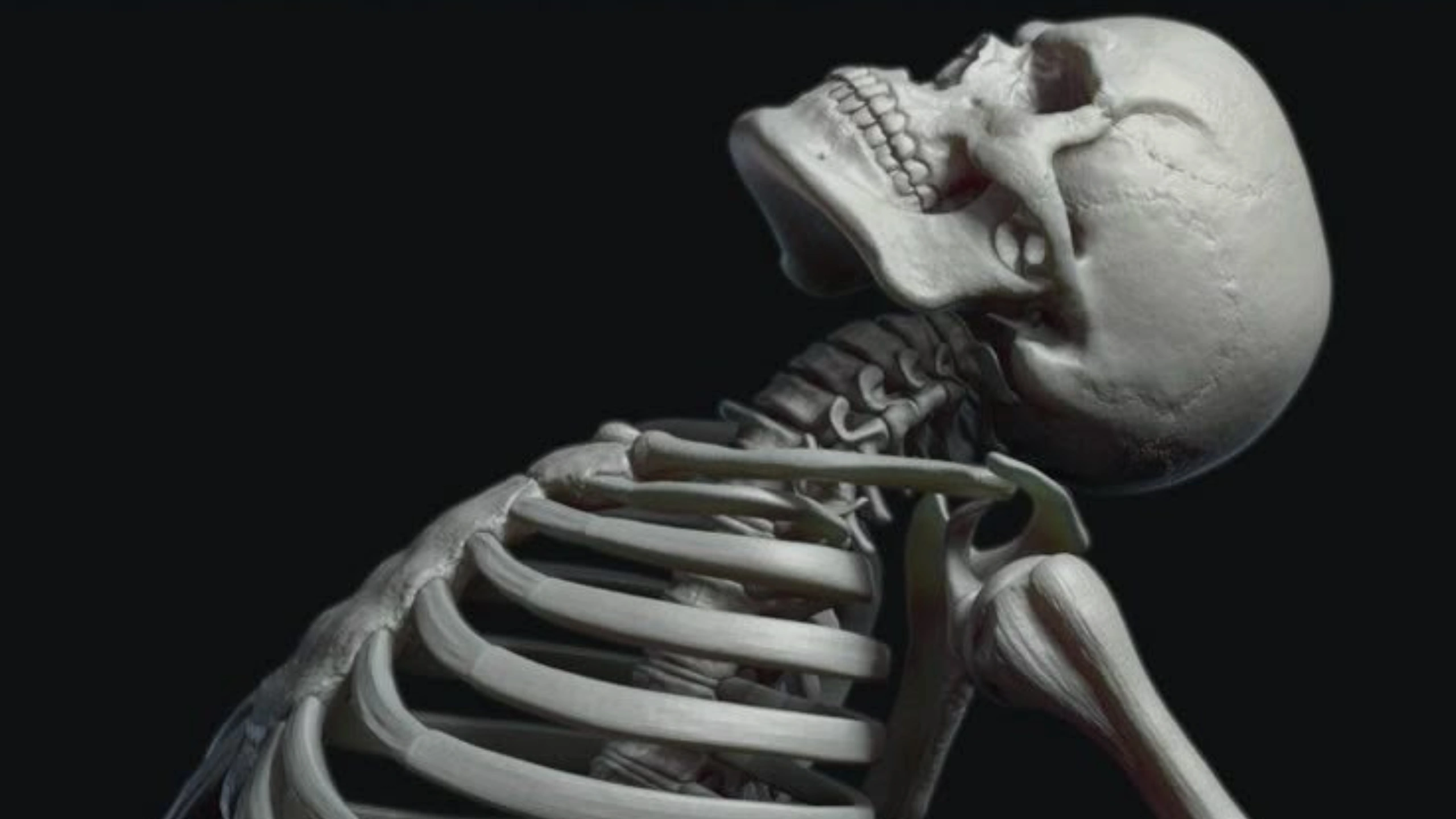
The human skeleton is made up of 206 bones that form the body’s structure, safeguard vital organs, and allow movement. These bones form the basic structure of the human body and play a key role in keeping us safe and active.
They protect important organs like the brain, heart, and lungs, while working with muscles to allow us to walk, run, and lift. Without the skeleton, the body would have no support or protection, making it a vital part of human life and health.
“The skeleton symbolizes death, reminding us of our mortality and the fragility of life.”
The skeleton does more than provide structure and movement it also helps produce red blood cells in the bone marrow. These cells transport oxygen throughout the body and are essential for maintaining overall health.
While skeletons are often seen as symbols of death, they also stand for life, strength, and the need to take care of our bodies. A healthy skeleton depends on proper nutrition, like calcium and vitamin D, and regular exercise to keep bones strong and prevent future problems.
Read also this article: Phoenix Symbolism & Meaning: Step By Step Guide
7: Dead Tree

Dead trees are trees that have lost their life but continue to have a significant impact on the environment. They are no longer growing or producing new leaves, but their presence remains essential in nature. Lifeless trees often stand in forests, parks, and even home gardens, offering refuge and valuable resources to many types of wildlife. These symbols of death serve as reminders of the natural cycle, where even in death, life continues to flourish.
“A dead tree symbolizes the end of life and decay, reminding us of nature’s cycle and the passing of time.”
Although dead trees may seem lifeless, they are essential to the health and balance of ecosystems. As the wood breaks down over time, it returns essential nutrients to the soil, helping it stay rich and encouraging new plant growth. The cracks and hollows in dead trees provide natural shelter for birds, insects, and small mammals, helping to maintain biodiversity.
Even fallen leaves and branches improve soil structure and create safe spaces for ground-dwelling creatures. Far from being useless, dead trees are a vital part of nature’s cycle supporting life, decay, and renewal, much like symbols of death that remind us of the natural process of transformation and rebirth.
8: Black Cat

The black cat, often misunderstood, is a symbol of mystery, protection, and companionship. While historically linked to witches and bad fortune, black cats are loving pets with unique personalities, just like any other cat.
“The black cat symbolizes bad luck and death, often seen as a messenger of the unknown or a spirit of death.”
In many cultures, especially in ancient Egypt, cats were highly respected and seen as symbols of death, as well as symbols of luck, protection, and spiritual guardianship. What animal symbolizes life and death? Cats, with their deep connection to the spiritual realm, are often associated with both life and death, acting as protectors and guides between these realms.
Their presence represents the balance between life and death, reminding us of the cyclical nature of existence. Today, cats—whether black, white, or any color—continue to be cherished as loyal companions, offering emotional support and a calming strength that brings peace and balance to the home.
9: Mourning Dove
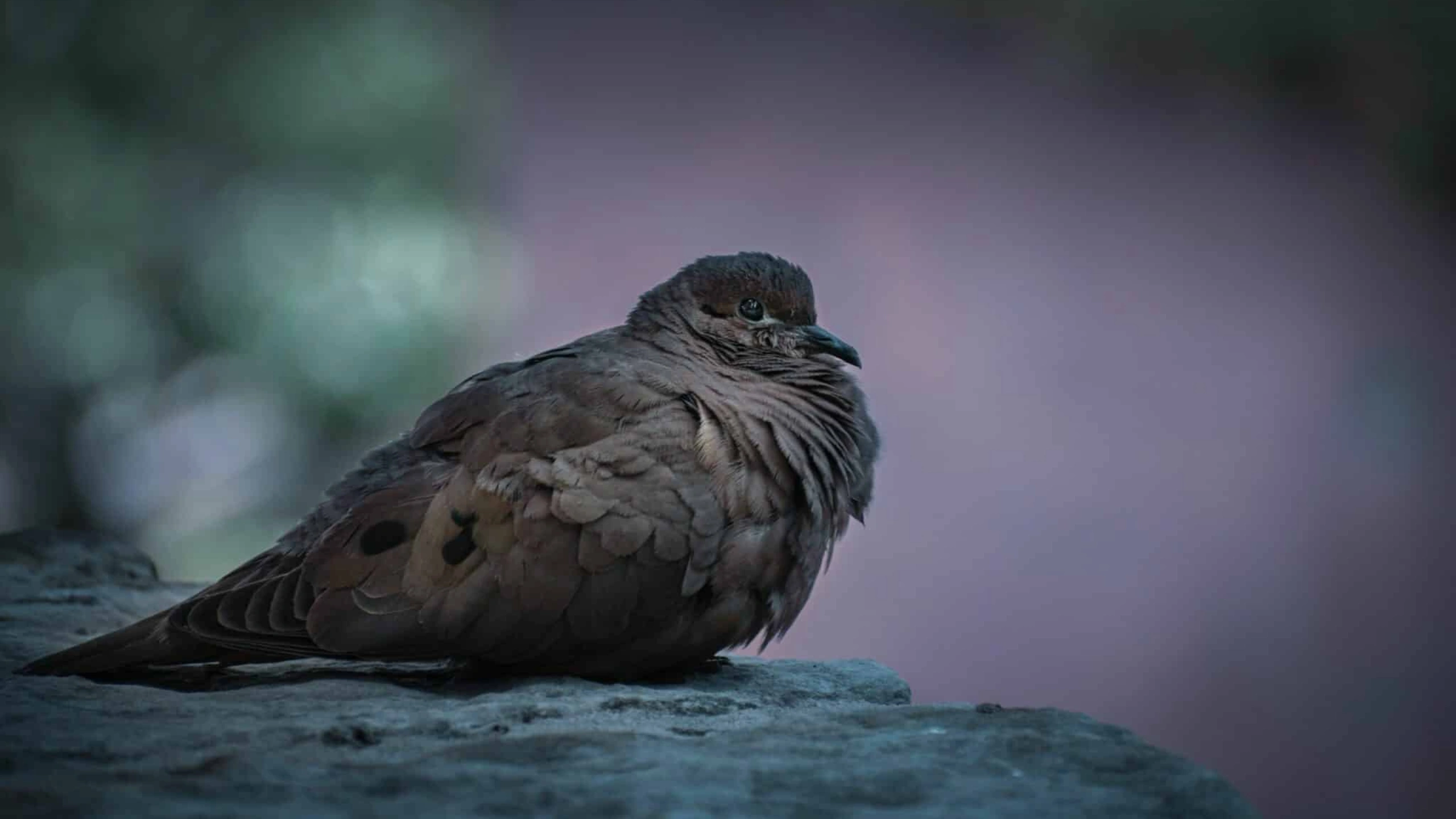
The mourning dove is a calm and graceful bird, admired for its delicate charm and soothing presence. Its quiet nature and graceful movements make it one of the most revered symbols of death, representing peace, hope, and emotional healing.
In many cultures, the mourning dove is seen as a mourning symbol, offering comfort and solace during times of loss. Its calming presence brings tranquility to gardens, parks, and natural spaces, helping individuals cope with grief and reminding us that healing follows the sorrow.
“The Mourning Dove symbolizes grief and sorrow, signifying emotional healing and peace after death.”
Mourning doves, often seen in pairs, represent symbols of death, reminding us of life’s fragility. Their gentle nature and peaceful presence symbolize tranquility and resilience in the face of loss. In various cultures, symbols of death and mourning in art capture these themes, offering comfort during times of grief.
The mourning dove’s calm flight encourages us to appreciate the simple beauty around us. Even the smallest creatures can bring profound meaning to our lives, especially in moments of mourning.
Read also this article: 32 Symbols of Growth and Progress Around the World
10: The Owl

Owls are fascinating creatures, admired for their quiet flight and keen hunting skills. With their large eyes and ability to turn their heads, they captivate the imagination. As symbols of death, owls represent mystery, wisdom, and transition in many cultures.
“The owl symbolizes death, representing the transition between life and death and the spirits of the deceased.”
Owls are skilled hunters, playing an important role in maintaining ecological balance. In many cultures, they are powerful symbols of death, representing mystery and the unknown.
These birds appear in symbols of death in mythology and folklore, often linked to the transition between life and death. With their sharp vision, silent flight, and calm presence, owls symbolize wisdom and intuition. Their symbolism reminds us of the quiet strength and awareness found in the natural world.
11: The Tombstone
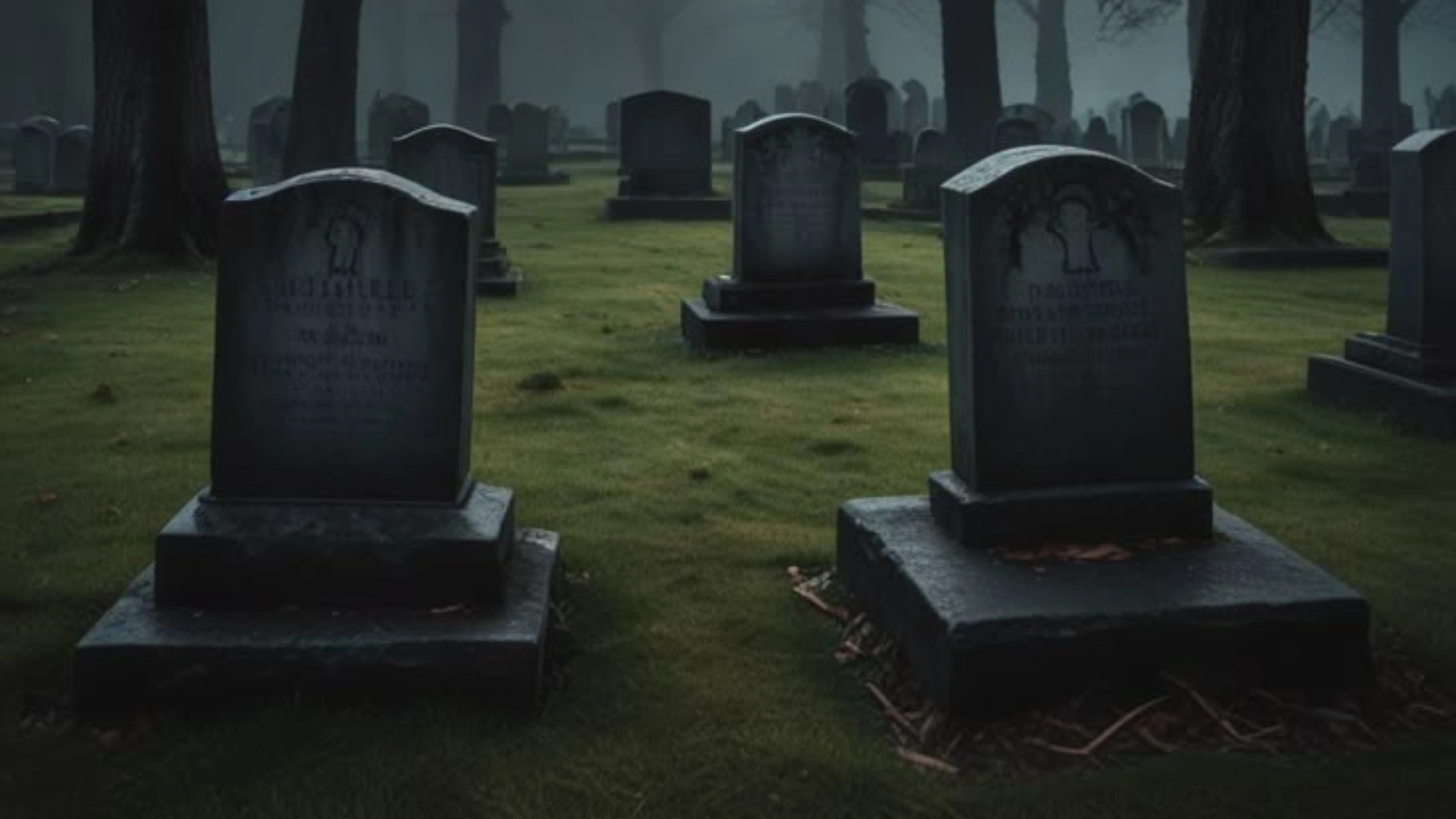
The tombstone represents love, remembrance, and spiritual connection, acting as a permanent tribute to those who have departed. People often engrave the name, birth date, and death date of a person into the stone.
“A tombstone symbolizes both death and remembrance, serving as a lasting tribute to a person’s memory.”
Tombstones are lasting symbols of death, offering a meaningful way to honor and celebrate the lives of those who have passed. When family and friends visit, they often leave flowers, notes, or personal tokens as a way to show love, respect, and maintain a spiritual connection with their loved one.
Each visit to a grave becomes a quiet moment for reflection, healing, and comfort, turning the space into a place where memories live on and the bond remains strong even after death.
Read also this article: 20 Symbols of Forgiveness With Meanings Around The World
12: Bat

The bat is a fascinating mammal known for its ability to truly fly and its role in maintaining ecological balance. With thin wings and echolocation, bats glide through the night, hunting insects and pollinating plants.
“Bats symbolize death and the supernatural, often believed to be messengers of death or the souls of the departed.”
Bats are often misunderstood and unfairly linked to spooky stories, but they play a crucial role in nature. By eating large numbers of insects and supporting pollination, bats help keep ecosystems healthy. Though they may seem mysterious, bats are harmless, gentle creatures that deserve our respect and protection.
13: Ouroboros

The Ouroboros is a timeless symbol, showing a serpent or dragon eating its own tail, representing the endless cycle of birth, death, and renewal. As a symbol of death, it reflects the idea that everything is connected and that life carries on, even when it appears to stop.
“The ouroboros symbolizes the cycle of life, death, and rebirth, representing the eternity and constant renewal of existence.”
The Ouroboros, a serpent eating its own tail, is a powerful symbol of death, representing eternity and transformation. It’s a key spiritual symbol of death and rebirth, encouraging us to embrace change and growth. The symbol reminds us that endings lead to new beginnings. It teaches that life and death are interconnected, guiding us through life’s cycles. The symbols of death encourage reflection and help us see the continuous flow of life and renewal.
14: The Hour Glass
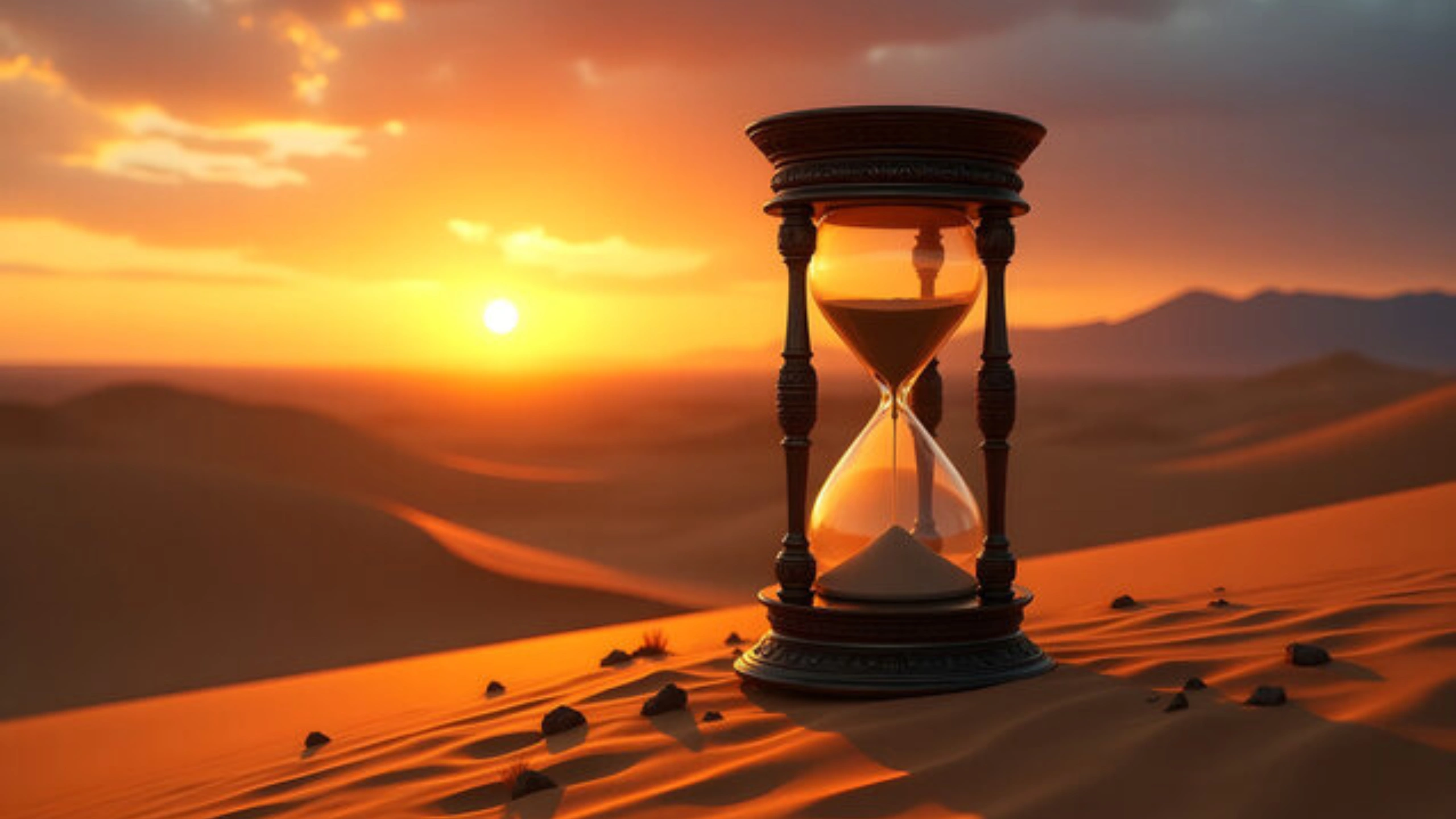
The hourglass is a powerful symbol of the passing of time, the fragility of life, and the certainty of death. Its two glass chambers and narrow center represent the continuous flow of time, reminding us that every moment is limited and should be cherished.
Across cultures, the hourglass carries deep meaning symbolizing life’s boundaries and the importance of living with intention. As the sand steadily flows from one bulb to the other, it encourages us to reflect on how time shapes our experiences. Often appearing during moments of transition or personal change, the hourglass serves as a quiet reminder to make meaningful choices before our time runs out.
“Hourglass symbolizes the fleeting nature of time, reminding us that life is limited and death inevitable.”
15: Cross

In Christianity, the cross holds deep meaning it reflects the selfless sacrifice of Jesus and offers a message of redemption and hope. Shaped like a “T,” it is a sign of love, compassion, and strength, reminding believers of Jesus’ love and forgiveness.
“The cross symbolizes sacrifice, death, and resurrection, representing both the death of Jesus Christ and the hope of eternal life.”
The cross is a powerful symbol of love, compassion, and courage, reminding us to care for one another and act with kindness. Commonly seen in churches or worn as necklaces, the cross brings a sense of comfort, especially during difficult times.
It represents faith, sacrifice, and hope, encouraging people to stay strong and believe in something greater than themselves. In everyday life, the cross serves as a lasting reminder of the strength found in love and the support we can offer each other.
16: Mirror
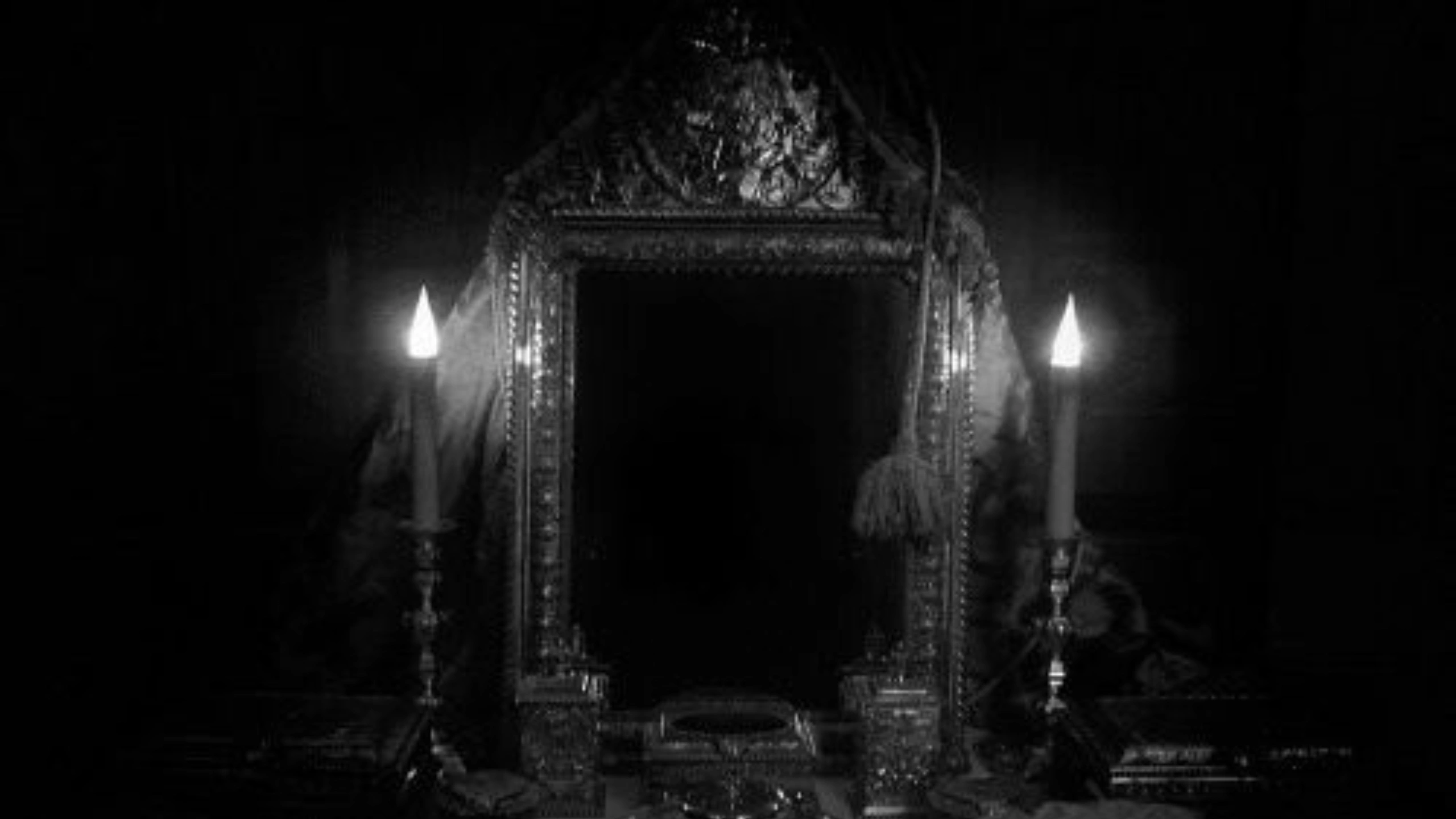
The mirror is an object that reflects images, helping us see our appearance and offering deeper insights into our emotions. Mirrors, crafted from glass with a thin layer of silver, have been used for hundreds of years and come in many different shapes and sizes.
“The mirror symbolizes self reflection and mortality, reminding us that death is a reality we all face.”
Mirrors hold deep historical and cultural significance, often seen as gateways between the physical world and the spiritual realm. Certain cultures cover mirrors after someone passes away, believing it shields the soul and keeps it from getting stuck.
Beyond their surface function, mirrors symbolize self reflection and inner awareness, encouraging us to look beyond our physical appearance and connect with our true selves. They remind us that mirrors do more than reflect our outer image they also invite us to explore our thoughts, emotions, and spiritual identity.
17: Noose

The noose is a symbol that represents death, often used in executions and suicides, with deep cultural significance. It serves as a reminder of the outcomes of our actions and decisions, highlighting the significance of making thoughtful choices.
“The noose symbolizes a tragic end, representing loss of control and the darkness of despair.”
While the noose is often linked to dark and painful history, it can also symbolize justice, accountability, and the consequences of actions. In some cultural contexts, it serves as a warning, reminding people to reflect on their choices and how those decisions affect others. Understanding the deeper meaning behind the noose encourages conversations about responsibility, fairness, and the importance of making ethical choices in life.
18: Snake

The snake is a fascinating creature with powerful symbolism, representing both danger and wisdom across many cultures. With its sleek body and ability to adapt, the snake plays an essential role in nature, controlling animal populations and maintaining balance in ecosystems.
“The snake symbolizes death, representing transformation, danger, and the transition between life and death.”
Things that symbolize death can carry deep meanings across cultures. Snakes, for example, represent healing, spiritual wisdom, and a connection to nature, though some fear them. These symbols of death remind us of the balance within the natural world and the cycle of life and death. Each snake reflects transformation, renewal, and inner strength, symbolizing both life and death.
19: The Rotting Flesh

Rotting flesh is a natural process of decay that transforms bodies into vital nutrients for the soil and plant life. This process, driven by bacteria and small organisms, turns the remains of living beings into something that supports new life.
“Rotting flesh symbolizes decay and the inevitable breakdown of life, reminding us of the temporary nature of our physical existence.”
While decay is often associated with unpleasant smells and spooky stories like zombies, it plays a crucial role in the cycle of life. Through the work of insects and other decomposers, rotting organic matter breaks down and returns valuable nutrients to the soil. This natural process connects life and death, supporting new growth and maintaining balance in ecosystems through an ongoing, invisible cycle.
20: Blood

Blood is not just a biological fluid. it is a powerful symbol of life, sacrifice, and spiritual connection. It flows through every part of the body, transporting oxygen, protecting against infections, and helping the body heal by stopping bleeding.
“Blood symbolizes both life and death, representing vitality, sacrifice, and the fragility of life.”
Beyond its biological role, blood carries deep cultural and spiritual significance. In many sacred traditions, blood is viewed as the essence of life, symbolizing vitality and connection. In medical science, blood tests provide vital information about our health, revealing hidden conditions and guiding effective treatment. Blood connects the physical, emotional, and spiritual aspects of life, highlighting the powerful bond that unites all of humanity.
21: Black Butterfly
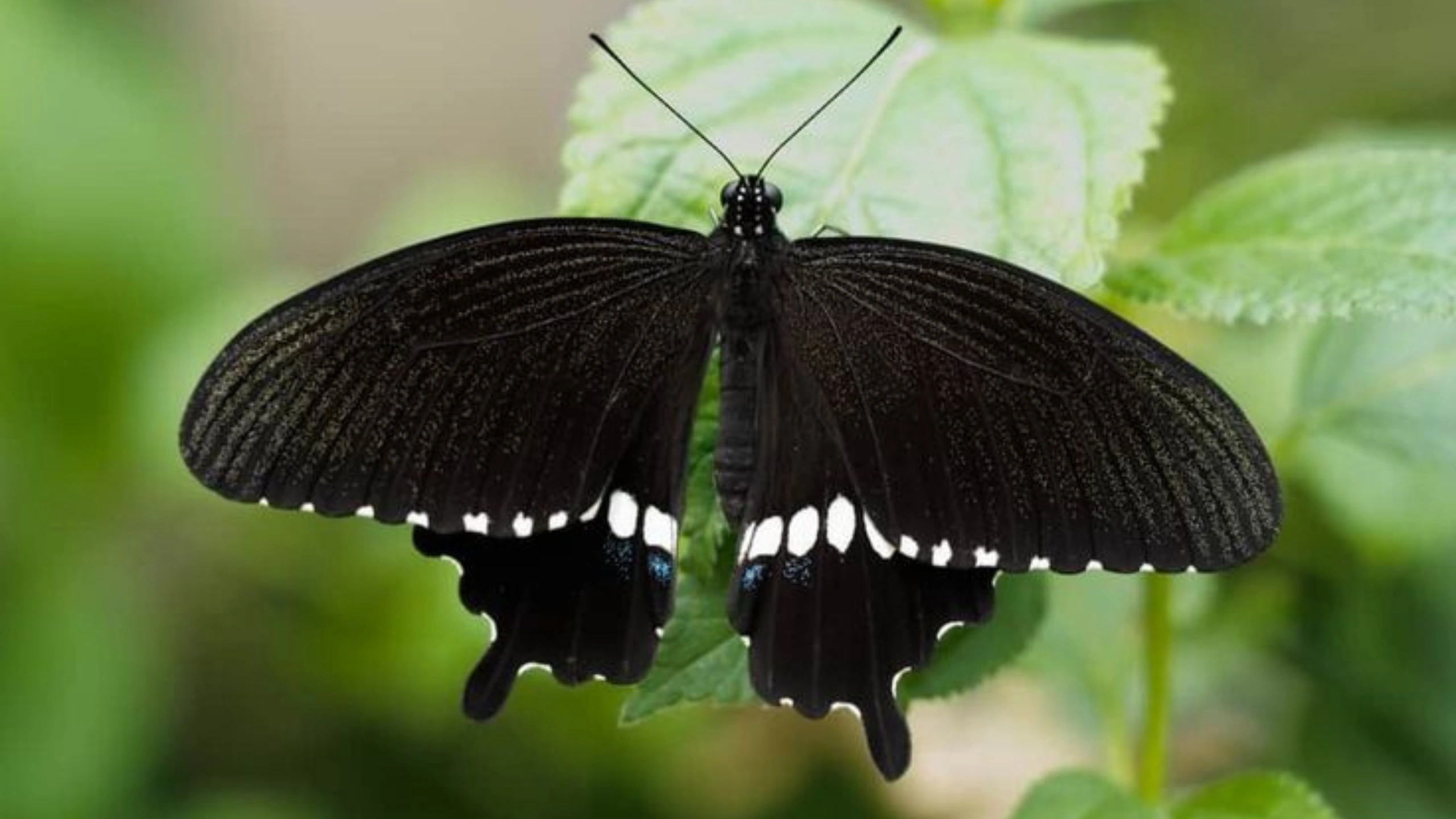
The black butterfly carries deep spiritual meaning, symbolizing transformation, mourning, and hope. With its dark yet graceful wings, it reflects the beauty found in both darkness and loss, reminding us that even painful experiences can lead to growth and new beginnings.
“The black butterfly symbolizes death, transformation, and the soul’s journey to the afterlife.”
The black butterfly, through its life cycle from egg to caterpillar, then chrysalis, and finally to a delicate butterfly symbolizes the natural cycles of life and transformation. Although it is often associated with mourning and loss, the black butterfly teaches us the importance of letting go and moving forward, showing that hidden beauty and strength can emerge from difficult times. It encourages us to embrace change, honor life’s transitions, and find hope even in uncertain moments.
22: Wanning Moon

In some belief systems, mirrors are hidden after a person’s death to protect the soul and prevent it from becoming trapped. As the moon fades from full to crescent, it influences emotions, physical changes, and decisions, especially in farming and spiritual practices.
“The waning moon symbolizes the end of a cycle, reminding us that endings pave the way for new beginnings.”
This phase is deeply connected to the cycles of life and nature, guiding everything from planting to personal reflection. The waning moon invites us to pause, reflect, and align with the gentle flow of the world, offering wisdom in moments of quiet introspection.
23: The Funeral

The funeral is a heartfelt ceremony where loved ones gather to honor and say goodbye to someone who has passed. It is a time for collective stories, songs, and prayers, providing solace and unity in times of loss.
“A funeral symbolizes closure, marking the end of life and helping loved ones process grief.”
Funerals are often moments of sadness, but they also deeply reflect the love and respect we hold for those who have passed away. This important time of remembrance allows family and friends to honor the life lost and find comfort while coping with grief. Funerals remind us how a single life can make a lasting impact on many, helping us celebrate memories and the connections that continue beyond loss.
24: The Plague Doctor

The Plague Doctor is a symbol of historical efforts to combat disease, especially during epidemics like the Black Death. Known for their distinctive beaked masks, these figures were once seen as medical professionals trying to protect themselves from the deadly diseases.
“The plague doctor symbolizes death, representing the fear and devastation caused by deadly diseases throughout history.”
The plague doctor played an important role during past disease outbreaks, even though their methods were based on incorrect beliefs. Their legacy symbolizes humanity’s ongoing fight against illness and the continuous advancement of medical knowledge. The iconic plague doctor mask, once designed to protect against “bad air,” now serves as a powerful reminder of history and how far we have come in healthcare and disease prevention.
25: Phoenix

The phoenix is a powerful symbol of death, representing rebirth, transformation, and immortality. In many cultures, it is believed to rise from its own ashes, embodying the natural cycle of death and renewal.
This myth is an example of death imagery in culture, showing how death symbols often signify not just endings but also new beginnings. The story of the phoenix teaches us that after hardship or destruction, there is always a chance for personal growth and fresh starts, symbolizing hope and resilience.
“The phoenix symbolizes rebirth, reminding us that death is not an end, but a transformation into something new.”
26: Extinguished Candle

The extinguished candle symbolizes the end of a journey, representing death and the transition between life and the spirit world. It serves as a symbol of death, marking the close of one phase and the beginning of another. Its fading light is often used in remembrance and reflection, acting as emblems representing death in various rituals and ceremonies.
“An extinguished candle symbolizes the end of life, reminding us that existence is fragile and fleeting.”
Candles are a powerful symbol of death, echoing themes of loss and peaceful farewells. As the smoke rises, it signifies release and change, reminding us that endings make way for new opportunities and transformations in life.
27: Ravens and Crows

Crows and ravens are enigmatic and smart creatures, commonly representing change, death, and a link to the spiritual realm. Known for their deep calls and sleek black feathers, they are capable of solving problems and adapting to change.
“Crows and ravens symbolize death, acting as messengers that guide souls to the afterlife.”
In many cultures, crows and ravens are seen as messengers between the physical world and the spiritual realm, symbolizing luck, transformation, and mystery. Their presence and distinctive calls remind us of our deep connection to nature and the ongoing journey of life. These birds represent the many changes we experience and encourage us to embrace growth and new beginnings.
28: Scythe
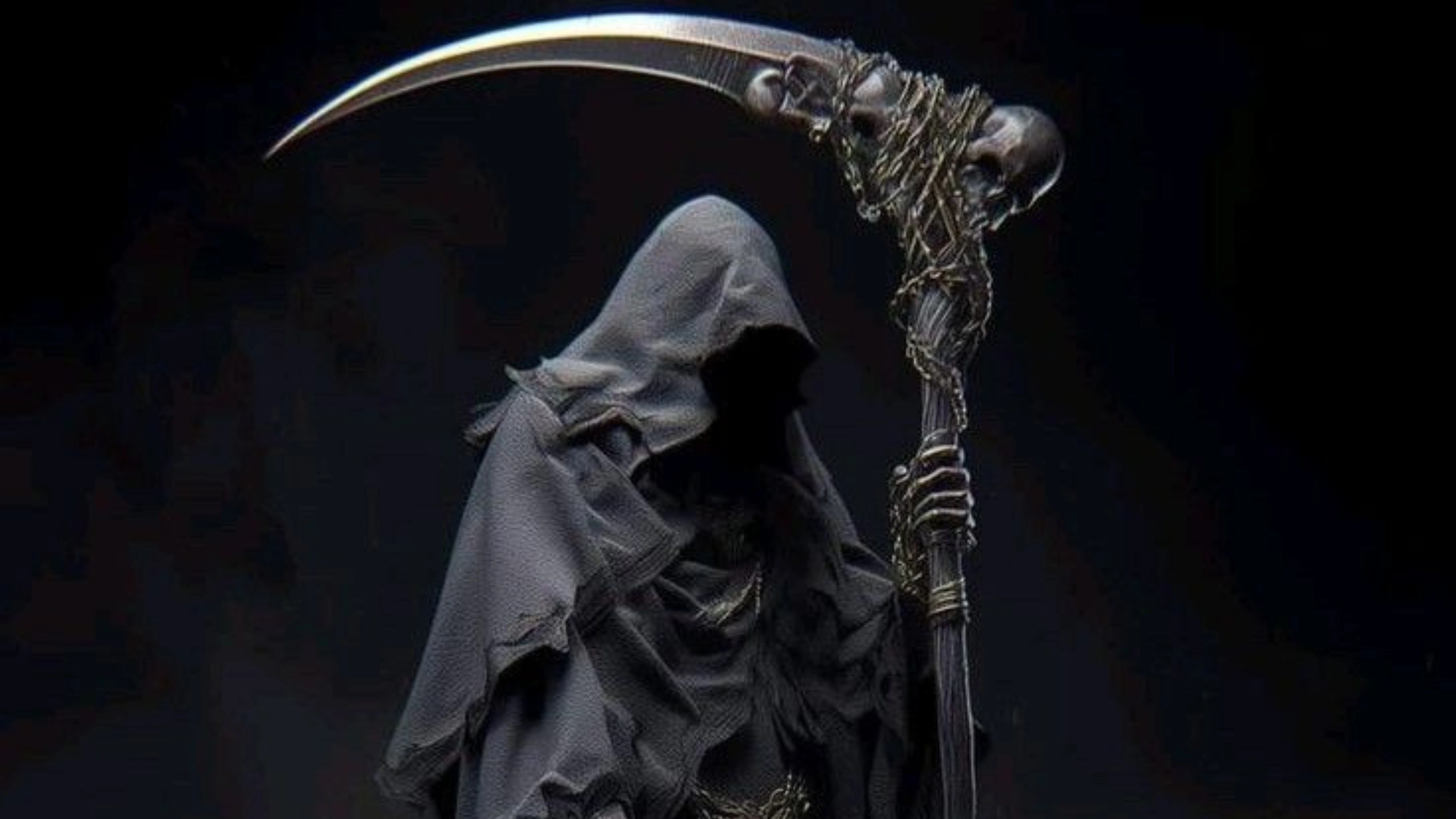
The scythe, a tool used for harvesting crops and cutting grass, symbolizes both practicality and death. Its curved blade and long handle are closely associated with the Grim Reaper, illustrating how death, like a farmer, reaps what is grown.
“The scythe symbolizes death, representing the inevitable cutting of life and the harvest of souls.”
Across different cultures, skulls are widely recognized as symbols of death, each carrying unique meanings. In Mexico, during the Day of the Dead, skulls are used to celebrate and remember those who have passed, making them one of the common symbols of death in different cultures.
In other regions, skulls serve as warning signs, symbolizing danger and urging caution. The symbols of death also appear in fashion, art, and movies, often representing rebellion or adventure. Regardless of context, the skull serves as a reminder to value life, live wisely, and make every moment count.
29: The Color Black

The color black is a powerful symbol often associated with mystery, death, and elegance. It is commonly seen in many cultures as a color representing mourning, power, and sophistication. Black is often used to represent symbols of death, particularly in funerals and cultural rituals, symbolizing respect, mourning, and remembrance.
In addition to its connection with death, black conveys strength, mystery, and timeless elegance. It is featured in death symbolism in art and literature, reflecting its profound cultural significance. These death signs and motifs appear across various traditions, where black embodies both solemnity and beauty, making it one of the most powerful symbols that mean death.
“Black symbolizes death, mourning, and the mystery of what comes after life.”
30: Poppy

The poppy is a vibrant and beautiful flower that symbolizes remembrance, respect, and sacrifice. Its bright red color is widely used to honor soldiers who have lost their lives in wars, especially during remembrance days and memorial ceremonies.
As a powerful symbol of peace and memory, the poppy reminds us of the high cost of freedom. People often wear poppy pins to pay tribute to fallen heroes, turning this simple flower into a meaningful emblem of gratitude and the importance of never forgetting those who served.
“The poppy flower symbolizes remembrance, honoring those who have passed, with its red color representing both life and loss.”
31: Anubis
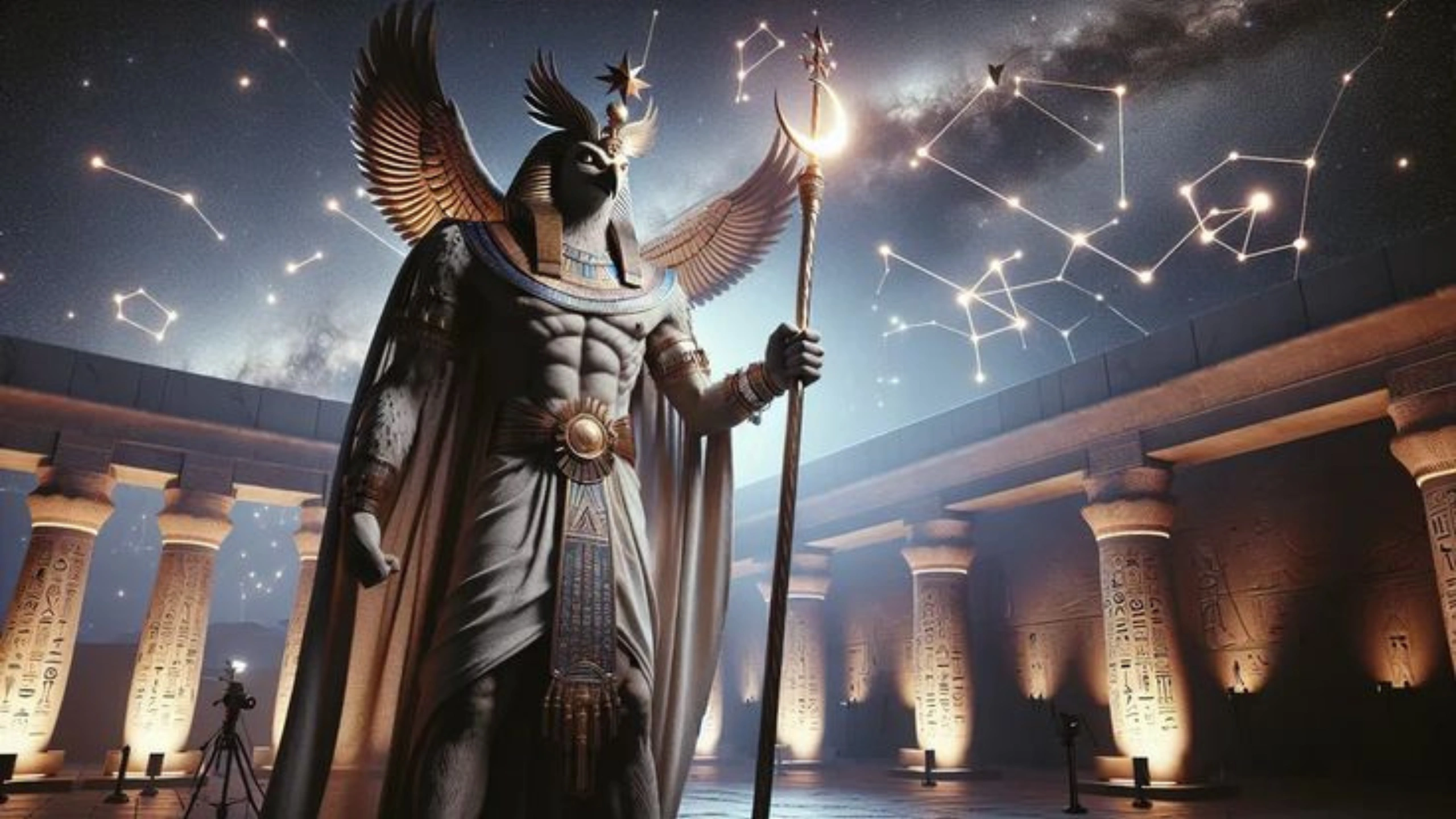
Anubis is an ancient Egyptian god, known for guiding souls through the afterlife and protecting them on their journey. Often depicted with a man’s body and a jackal’s head, he symbolizes the safe passage to the next world.
“Anubis, the ancient Egyptian god of death, symbolizes protection and guidance for souls to the afterlife.”
Anubis is associated with tombs, offering care and protection to the dead. He serves as a powerful symbol of respect, peace, and the connection between life, death, and the spirit realm.
32: The Cerberus
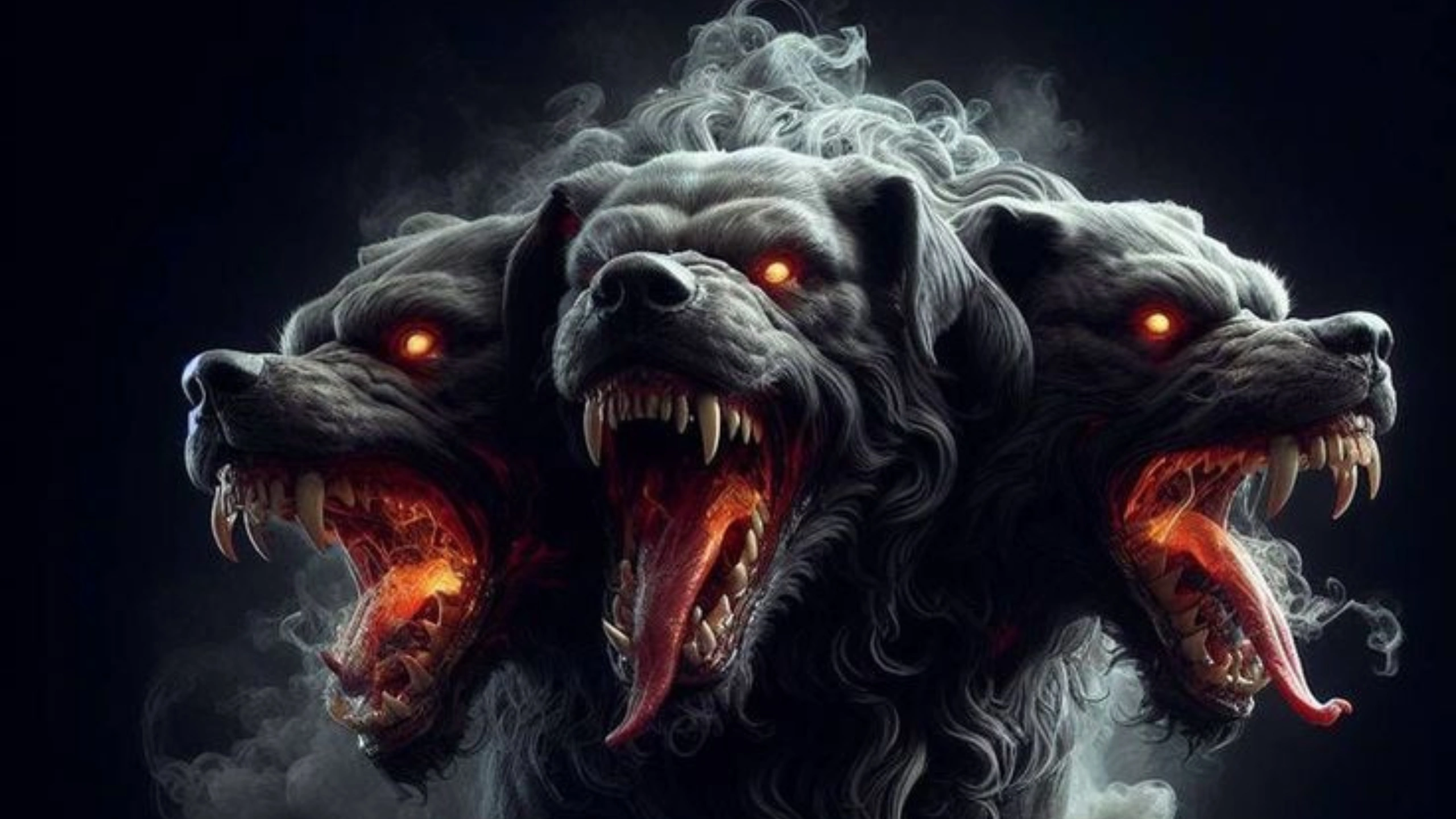
Cerberus, the three-headed dog, is a powerful symbol of death in Greek mythology. He guards the Underworld, ensuring the dead remain within their realm. Representing both protection and power, Cerberus prevents the living from entering forbidden areas. His role highlights the boundary between life and death.
“Cerberus symbolizes protection, guarding the boundary between life and death in Greek mythology.”
Cerberus is a powerful symbol of loyalty and the boundary between life and death. As the mythical guardian of the underworld, Cerberus protects the sacred divide between the mortal world and the afterlife. This role reminds us of the unseen forces that safeguard the transition between worlds, symbolizing protection over what lies beyond human life.
33: Death’s Head Moth Symbolism

Death’s Head Moth Symbolism is a rare and mysterious insect, easily recognized by the skull-shaped pattern on its back and its eerie appearance. Often found in dark or shadowy places, this moth inspires both fear and fascination.
Its striking markings and the sharp, unsettling sound it makes when disturbed have linked it to themes of death and the unknown. Despite its spooky reputation, the Death’s Head Moth plays a protective role in nature by warding off predators. It symbolizes transformation, mystery, and the hidden sides of life that often go unnoticed.
“The Death’s Head Moth symbolizes death and darkness, often believed to bring messages from the spirit world.”
34: Yama
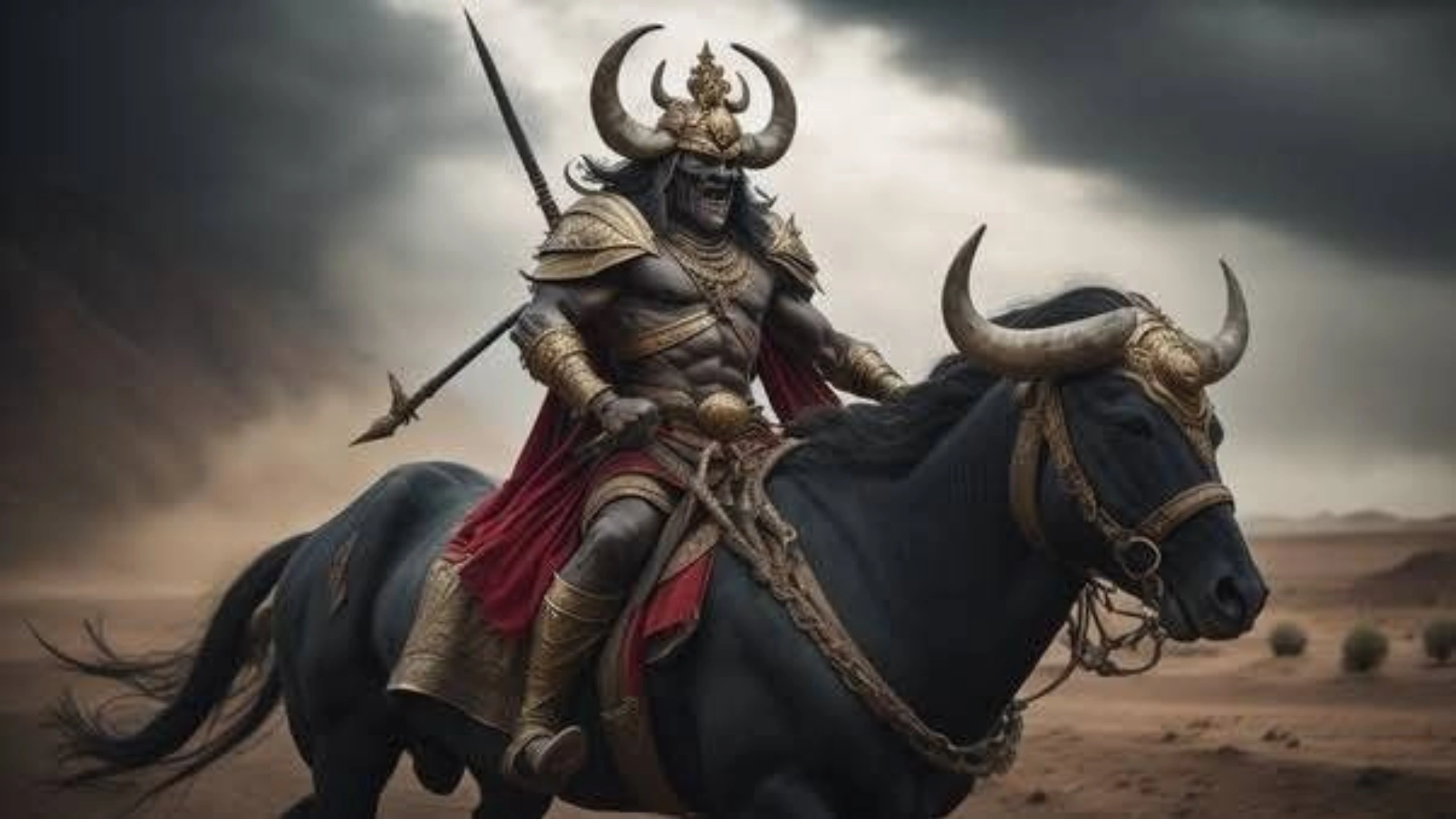
Yama, the god of death in Hindu mythology, is known for guiding souls to the afterlife with fairness and care. Often shown riding a buffalo and holding a noose, Yama ensures that every soul, whether good or evil, is judged justly.
He symbolizes balance, truth, and the spiritual journey beyond physical life. Yama’s stories explore deep questions about morality, destiny, and the mysteries of what happens after death, encouraging reflection on life’s greater purpose.
“Yama, the god of death, symbolizes the consequences of life’s actions and the judgment of souls after death.”
35: Stairway to Heaven

The Stairway to Heaven symbolizes the soul’s journey from earth to the afterlife, offering a path toward peace and spiritual freedom. Often depicted as a glowing staircase reaching into the sky, it represents the ascent to a higher state of existence.
“The stairway to heaven symbolizes the soul’s journey from life to the afterlife, representing the transition to peace and eternity.”
This powerful symbol provides comfort, reminding us that life continues in another form after death. The Stairway to Heaven represents a peaceful journey, filled with light, purpose, and a higher connection to the spiritual realm.
36: Wheel of Fate

Wheel of Fate is a powerful symbol representing the constant movement of life, with all its ups and downs. Like a spinning wheel, it reflects the different phases of our journey—joy, sorrow, growth, and even death.
“The Wheel of Fate symbolizes the cyclical nature of life and death, representing the unpredictability of fate’s guidance.”
This symbol reminds us that destiny is not just about control, but about embracing each moment with courage. It teaches that we must move through life’s changes with grace, as we are all part of something greater, experiencing both challenges and inspiration along the way.
37: The Memento Mori
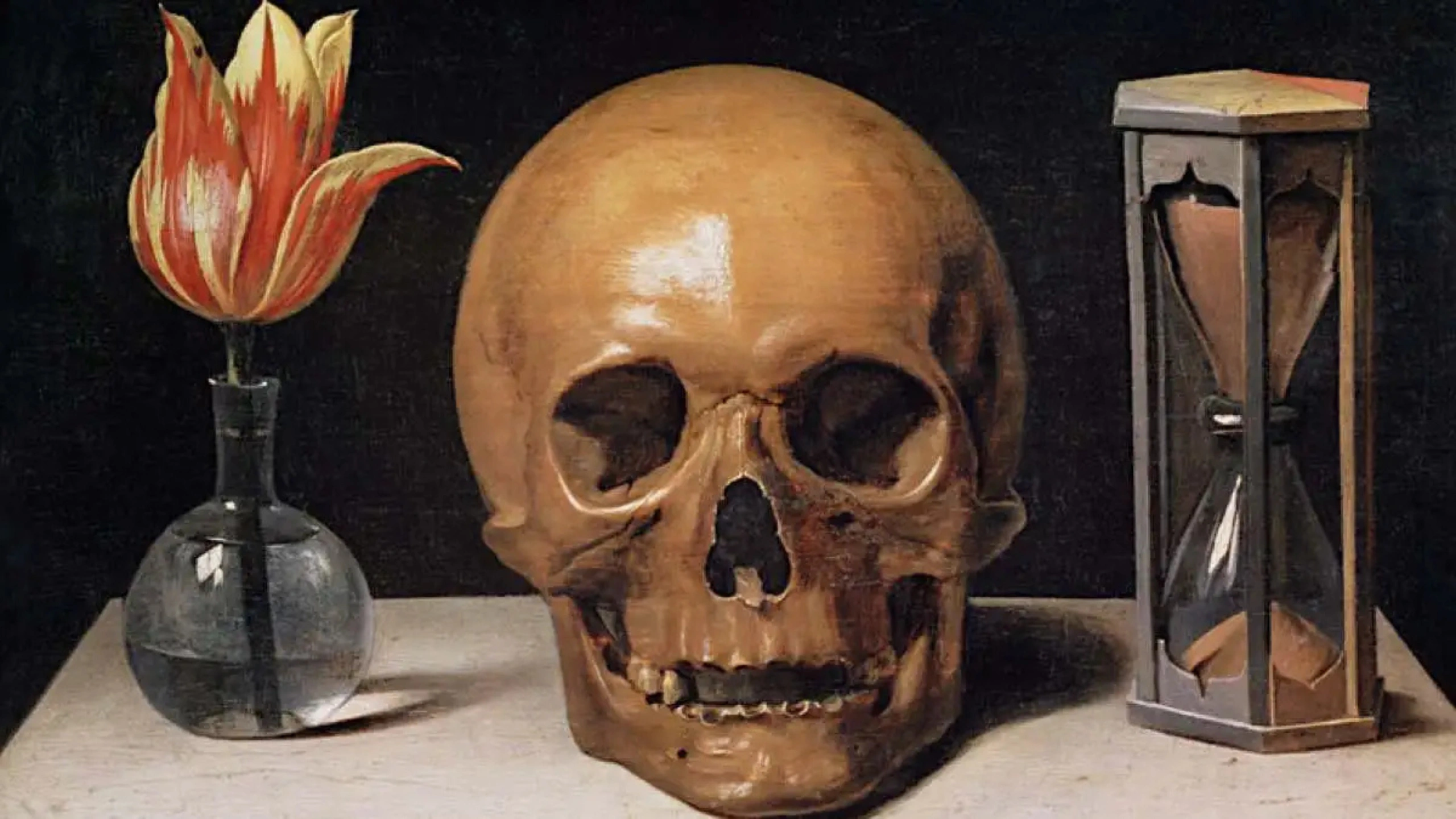
Memento mori, a Latin expression, translates to ‘remember that you will die,’ encouraging contemplation on life’s impermanence. Often represented by symbols like skulls, hourglasses, or wilting flowers, it reminds us that our time is limited.
Rather than instilling fear, memento mori encourages us to appreciate each moment, foster love and friendship, and live with purpose. As symbols of death, memento mori invites a deeper connection to life, inspiring us to show kindness and live meaningfully in the time we have.
38: The Tarot Card of Death

The Tarot Card of Death is often misunderstood, symbolizing transformation, change, and new beginnings rather than actual death. Typically depicted with a skeleton on a horse, it represents the end of one chapter in life and the start of another.
“The Death card in tarot symbolizes transformation and new beginnings, reminding us that change is a natural part of life.”
This card marks significant transitions, such as leaving behind old habits or moving to new stages in life. It reminds us that endings are part of life’s natural flow and signals hope for what is yet to come. The Death Tarot Card, as one of the symbols of death, encourages letting go to make space for growth and renewal.
39: Funeral Pyre

The funeral pyre is an ancient symbol of death and their meanings, representing both death and rebirth. Fire consumes the body to free the spirit, a powerful ceremony where loved ones say goodbye. This ritual highlights ancient symbols of death and their meanings and the transition to the afterlife.
“A funeral pyre symbolizes the release of the soul and the transition to the afterlife, with fire representing purification and return to nature.”
As the body is consumed by fire, it is believed to return the spirit to nature, with ashes scattered in meaningful places to honor the deceased. This ceremony, filled with songs, flowers, and stories, reflects beliefs about death, transition, and the continuation of life beyond. The funeral pyre marks both an ending and a spiritual beginning, embodying symbols of death that signify the transformation and passage to the afterlife.
40: The Banshee
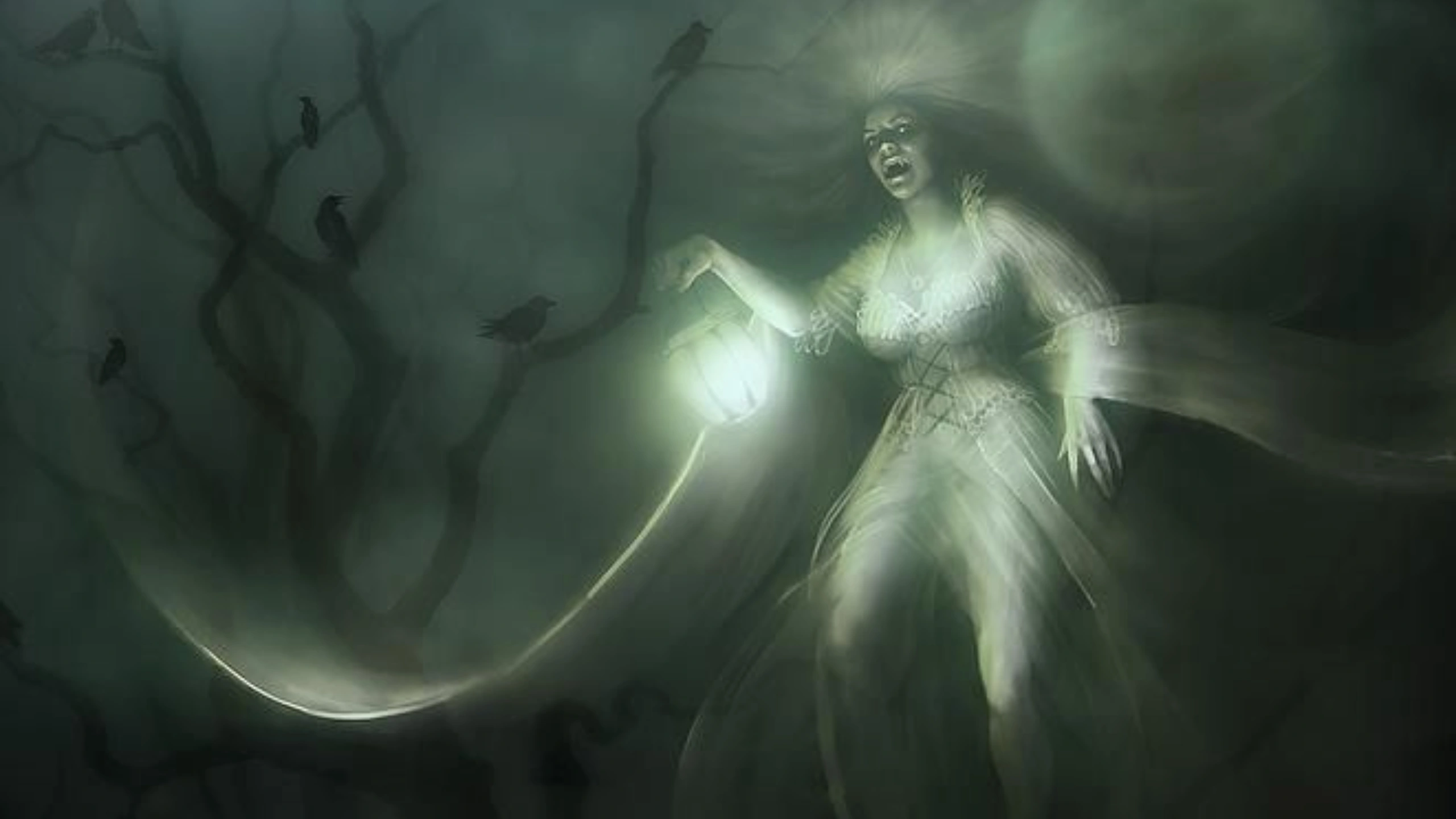
The Banshee is a mythical figure, often seen as a spirit that symbolizes death and mourning in Irish folklore. Known for her eerie wailing, the Banshee is believed to warn of impending death, signaling the end of a life.
“The banshee symbolizes mourning, representing the omen of death and the connection between the living and the dead.”
The Banshee’s cry is believed to signal the impending death of a loved one, making her a mysterious figure who connects the worlds of the living and the afterlife. While her presence often brings fear, it also reminds us of the natural and inevitable cycle of life and death. As one of the symbols of death, the Banshee encourages us to honor and respect the spirits and the important transitions they represent.
Conclusion
The symbols of death have been integral in shaping how different cultures understand the inevitable transition from life to death. These death-related symbols provide emotional and spiritual insights, helping us make sense of life’s fragility. From the Grim Reaper to the skull and the phoenix, each symbol carries a deeper meaning, reflecting both the end of life and the transformation it signifies.
When we think about “What is the spiritual symbolism of death?” we find answers that show death as part of the life cycle. Symbols of death and death iconography help remind us that death isn’t just an end, but also a natural part of change. These symbols, like the phoenix or Grim Reaper, offer comfort during difficult times and help us understand that death is not just about endings, but also about new beginnings.
Frequently Asked Questions
[sp_easyaccordion id=”2908″]