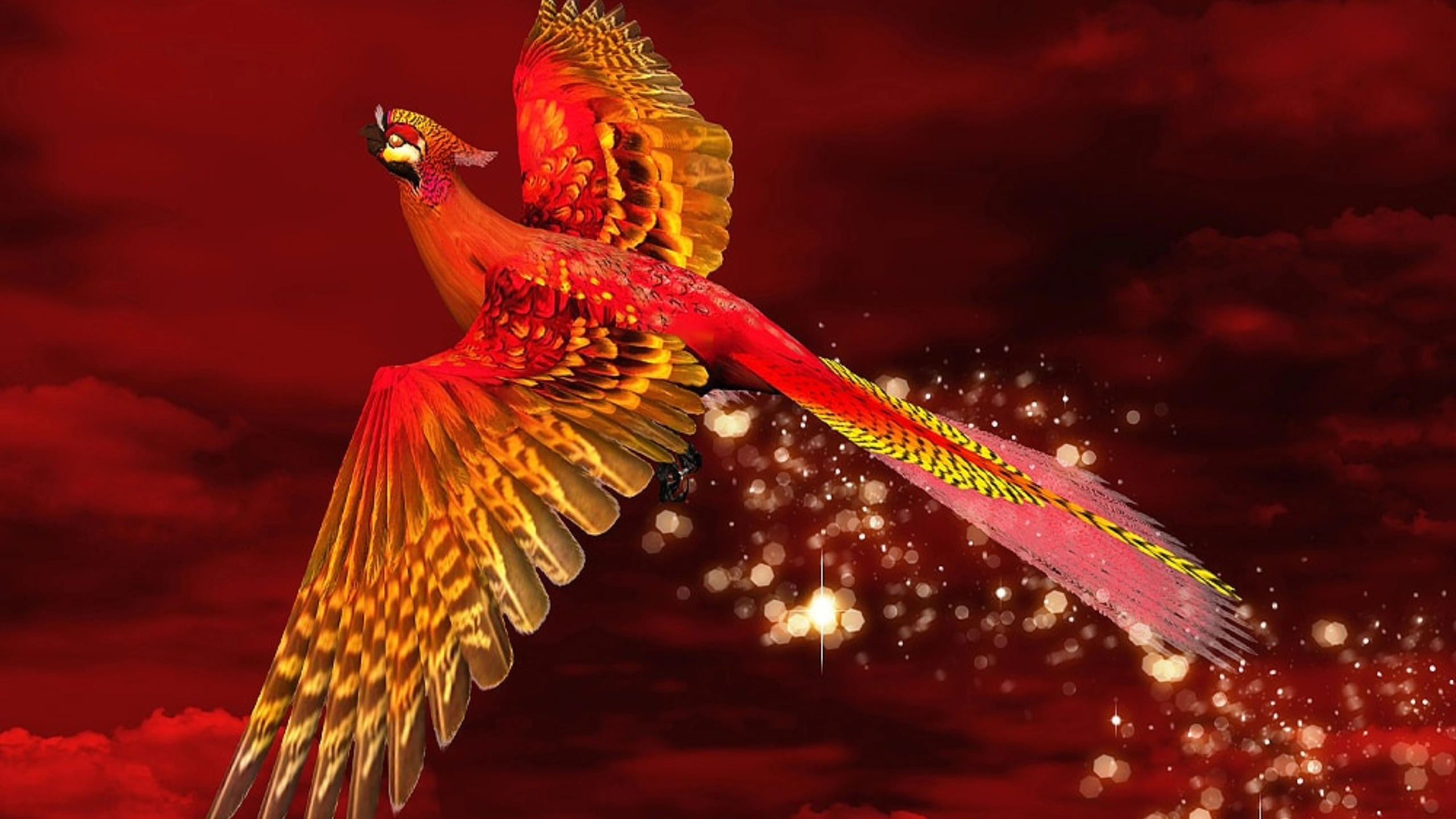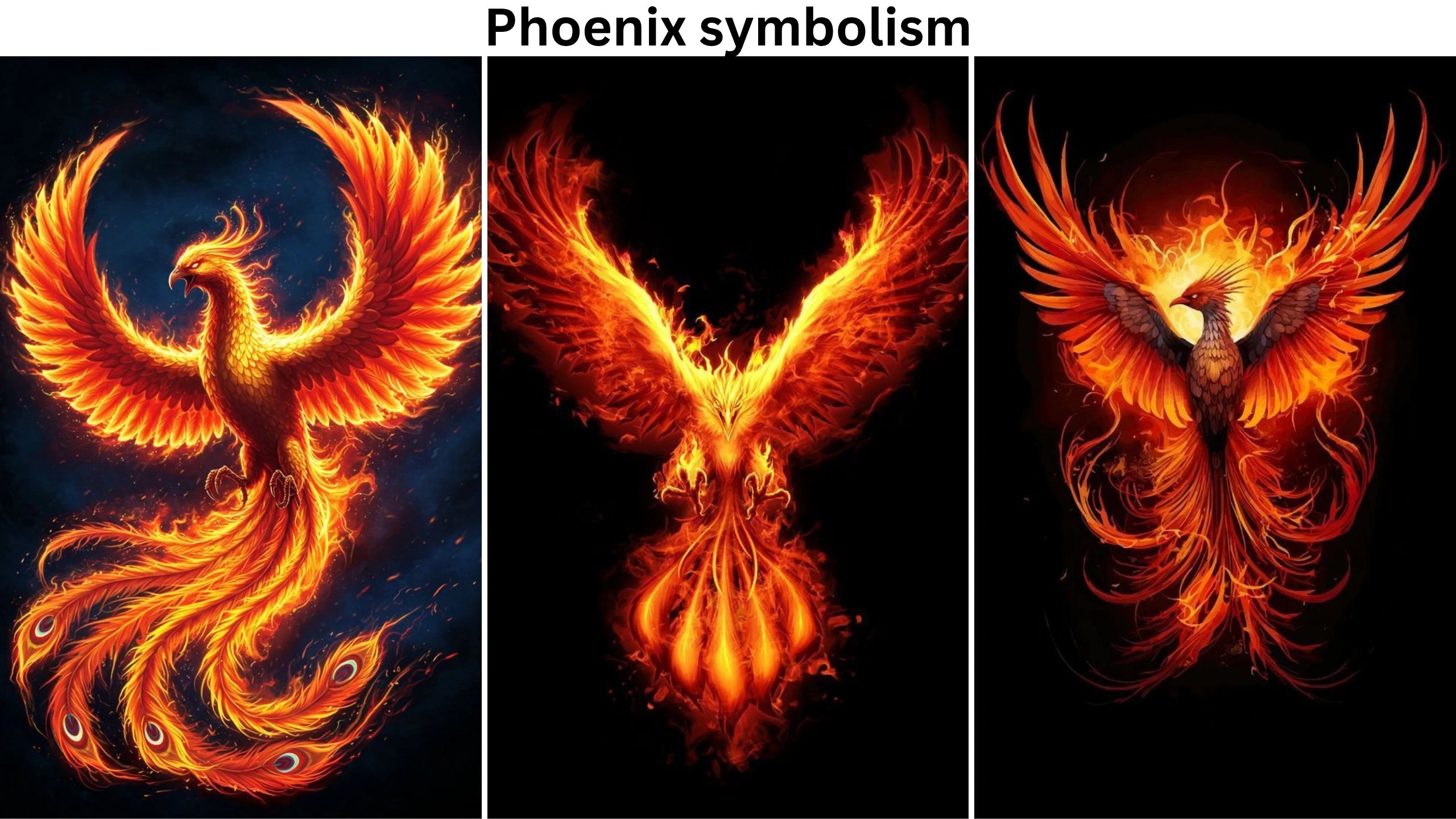
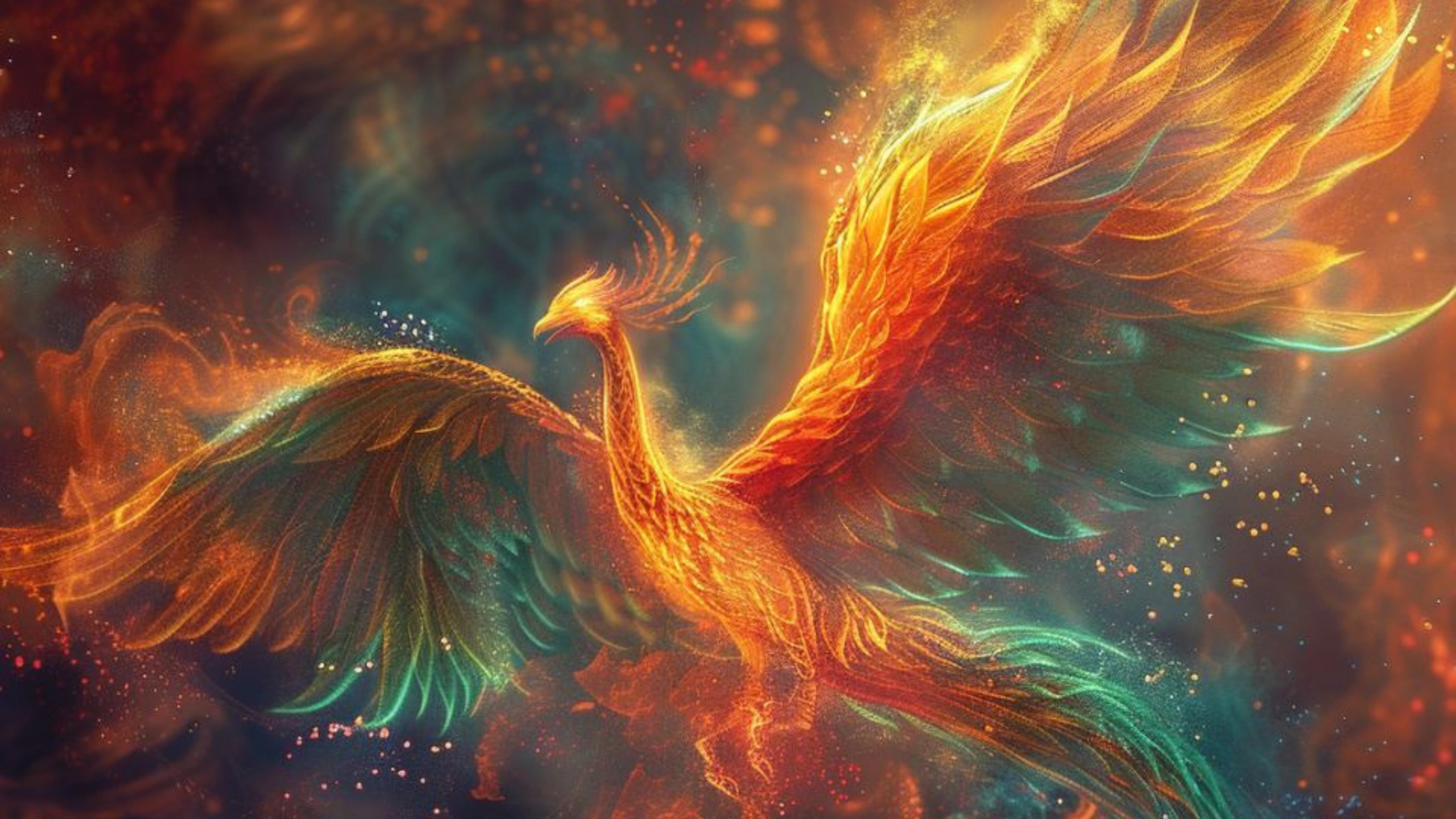
Phoenix symbolism signifies immortality, rebirth, and the endless cycle of life, delivering a strong message of transformation. In cultures such as Slavic, Persian, Egyptian, and Greek, the phoenix embodies spiritual awakening, resilience, and hope. In Slavic folklore, the Firebird shares similar traits with the phoenix, embodying rebirth and renewal, while in Persian mythology, the Simurgh symbolizes knowledge and the connection between the earthly and divine realms. In Hinduism, the Garuda carries the same themes of transformation and spiritual transcendence.
“The phoenix represents the ability to emerge from adversity, embracing fresh starts after each obstacle.”
From Christian beliefs to Eastern traditions, the phoenix teaches that through death and adversity, there is always room for renewal and growth.
Phoenix Symbolism and Meaning

The Phoenix and Immortality Symbolism
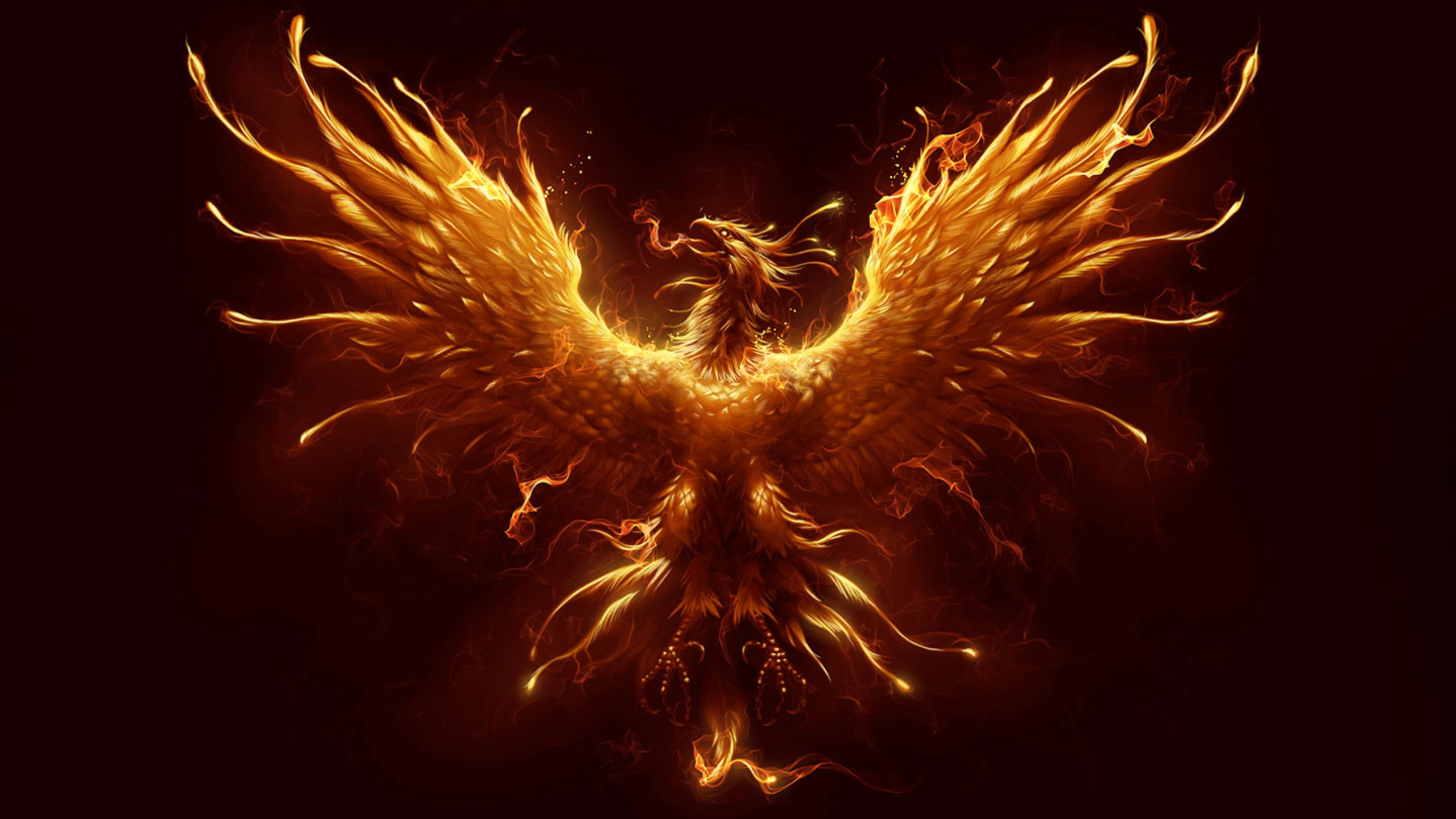
The Phoenix Symbol of Transformation

Transformation represents the ultimate form of resilience and renewal. The phoenix, rising from the ashes, teaches us that from destruction comes creation, and every ending is the start of a new beginning. What does the rising phoenix meaning symbolize? It’s more than just survival; it’s about becoming stronger and more powerful than before. The rising phoenix meaning highlights the ability to overcome challenges and emerge renewed.
On both personal and societal levels, the phoenix rising symbolism serves as a reminder that hardship, like Chicago’s recovery after the 1871 Great Fire or Atlanta’s rebuilding post-Civil War, can transform into opportunities for growth.
The phoenix symbolism in rebirth and transformation illustrates that perseverance enables us to rise above trauma and adversity, starting fresh. The resurrection symbolism of the phoenix emphasizes spiritual and emotional growth, showing that we can rise from any challenge.
Phoenix Symbolism as Creator of Life and Renewal
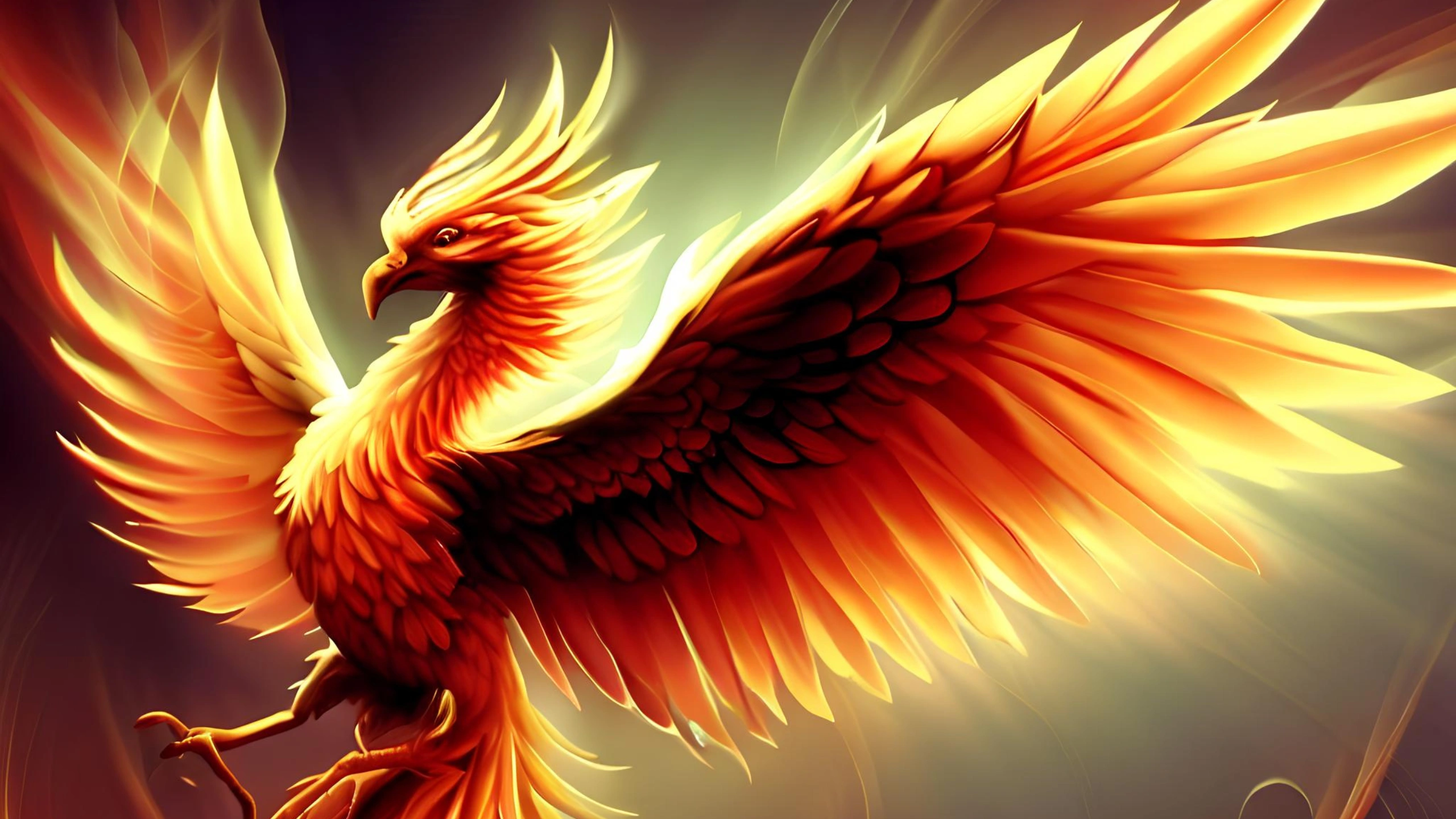
The symbolism of phoenix represents the powerful forces of creation, destruction, and the endless cycle of renewal. It plays an essential role in the creation of life and the universe. In Egyptian mythology, the Bennu bird, an early version of the symbol of the phoenix, is believed to have sparked creation by flying over the waters of Nun, breaking the primal silence.
What does phoenix symbolize in these myths? It is deeply connected to fire and light, representing the powerful cosmic forces of transformation and rebirth. The phoenix embodies the cycles of death and renewal, turning destruction into creation and standing as a symbol of the phoenix for eternal life, growth, and balance. Beyond mythology, the phoenix also reflects the universal process of rebirth and transformation that can be seen throughout existence.
Phoenix Symbolism of Royalty and Power
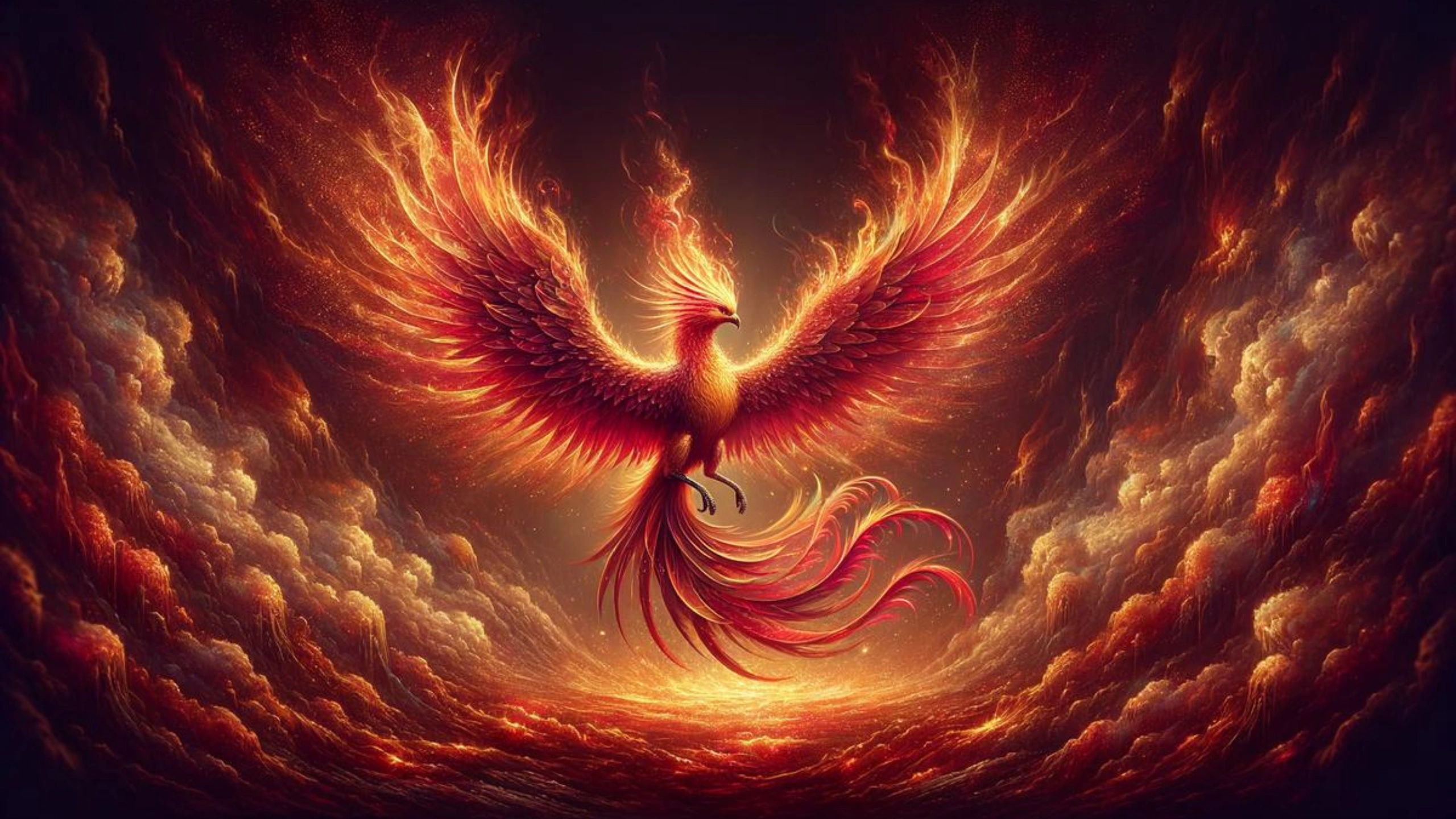
The phoenix has long been a symbol of royalty, power, and divine right, representing the grandeur of rulers and dynasties. In Chinese culture, the Fenghuang, or Chinese phoenix, is deeply symbolic, often associated with the emperor’s divine mandate to rule.
This bird represents eternal rebirth and renewal, frequently paired with the dragon in feng shui to signify balance and cosmic harmony.
The phoenix symbolism in Chinese culture and feng shui connects the bird to the elements of prosperity and harmony, representing the balance of forces in both leadership and nature. The meaning of the phoenix bird reflects its role as a symbol of resilience, immortality, and transformation.
When asked, what does the phoenix represent? It stands as a powerful reminder of strength through cycles of life, death, and rebirth, offering hope and endurance for those facing challenges.
The Phoenix Symbol of Virtue and Transformation
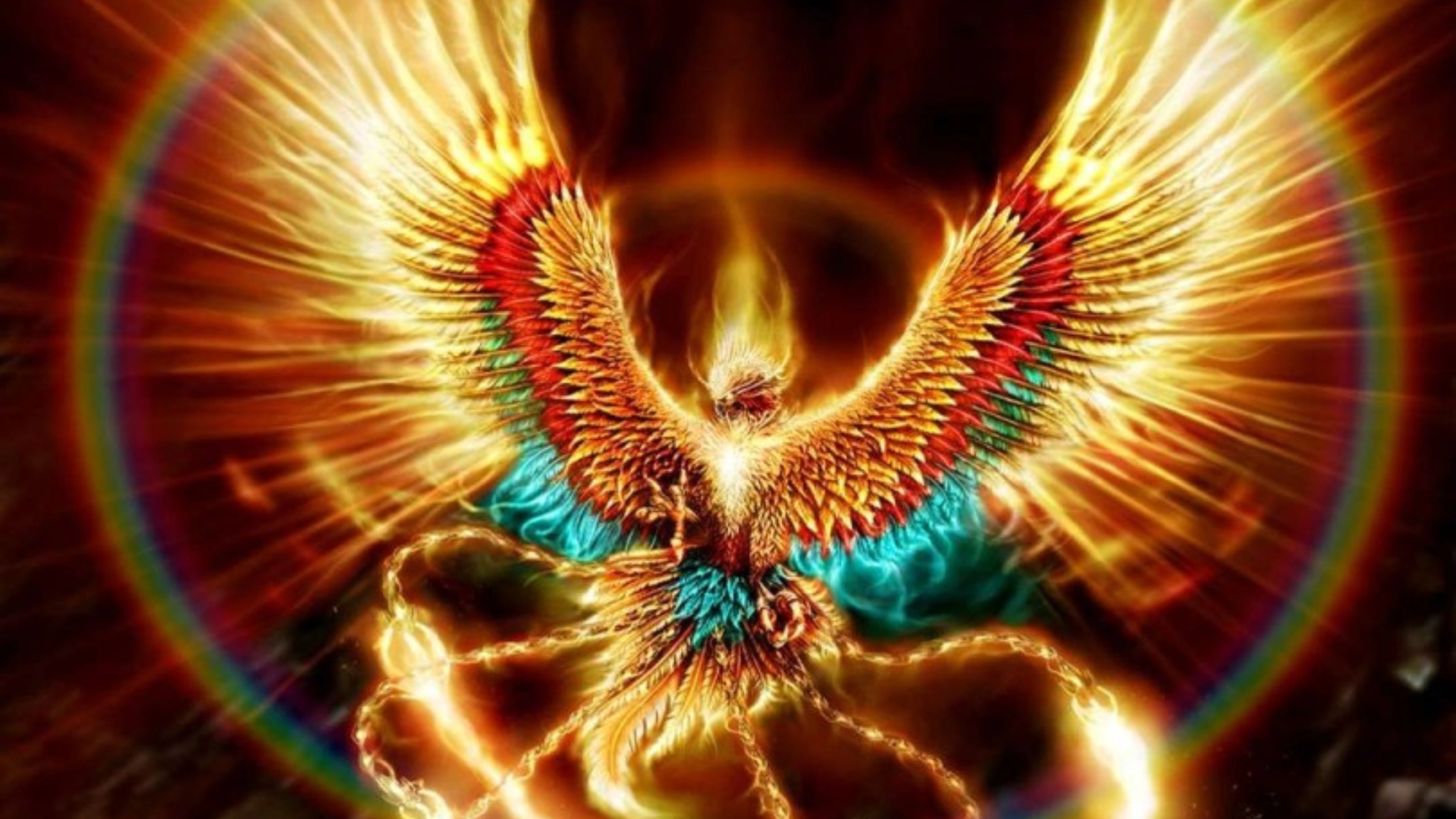
Virtues like perseverance, wisdom, and resilience are embodied by the phoenix, symbolizing strength and transformation. Its journey of death and rebirth teaches us that true strength lies in overcoming adversity. The phoenix symbolism in rebirth and transformation highlights the endless cycle of renewal.
The phoenix symbolism in personal growth and healing encourages embracing change for self-improvement. The purity of the phoenix, symbolized by its radiant feathers, reflects virtue and moral excellence.
Its self-sacrifice speaks to dedication for a higher cause. These qualities remind us that renewal requires personal sacrifice for a greater purpose. Growth and rebirth are central to the human experience.
The Phoenix and Divinity in Spiritual Rebirth
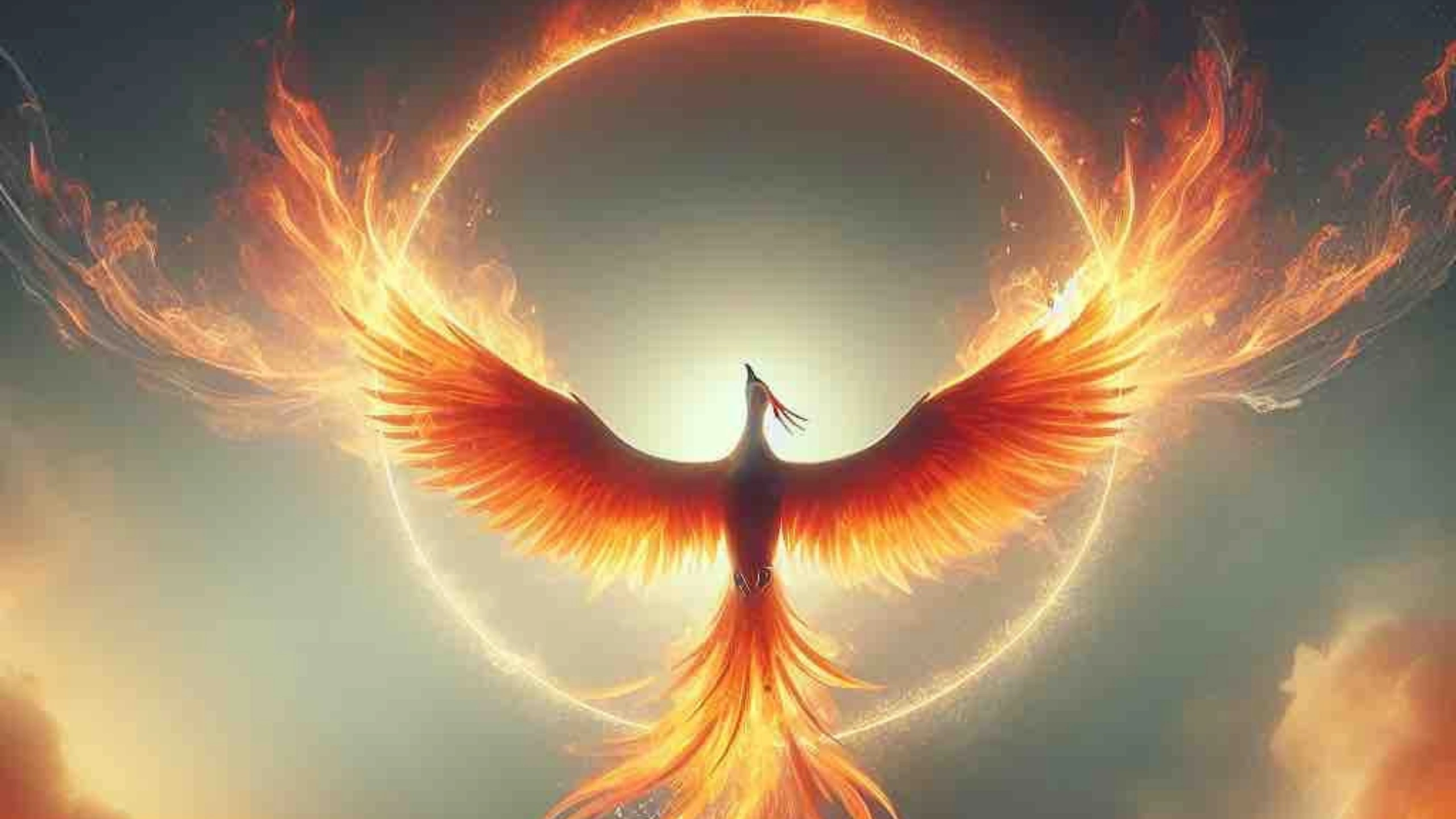
The phoenix symbolizes the spiritual connection between the mortal world and divinity, representing transformation and rebirth.Are phoenix real? While the phoenix is a mythical creature, its symbolism is deeply rooted in various cultures, embodying life, death, and resurrection.
In Christianity, the phoenix symbolism in Christianity and the Bible is associated with the resurrection of Christ, symbolizing eternal life and divine grace. In Eastern traditions, the fire phoenix bird is often seen as a messenger between humans and gods, bridging the gap between the earthly and divine realms.
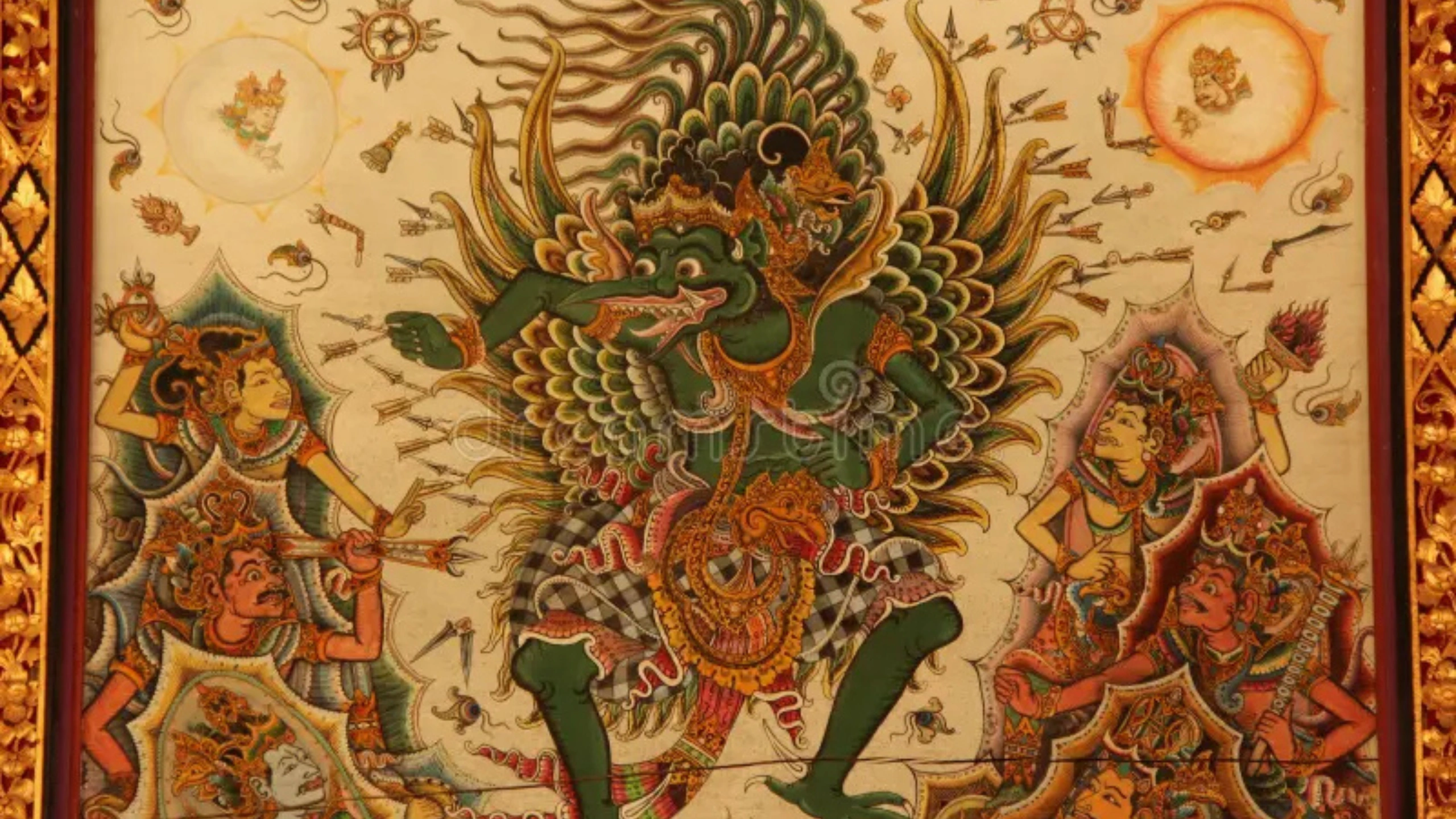
The spiritual meaning of the phoenix bird in Hinduism is reflected in the Garuda, which shares many divine associations and represents the ability to transcend earthly limitations. The phoenix’s connection to the sun highlights its link to divinity, aligning it with celestial forces, making it a symbol of illumination and spiritual wisdom. Cultural interpretations of the phoenix vary, but it consistently represents a guiding force that leads the soul toward higher consciousness.
Phoenix Symbolism in Dreams and Spiritual Meaning
Phoenix Symbolism Across Cultures and Mythologies
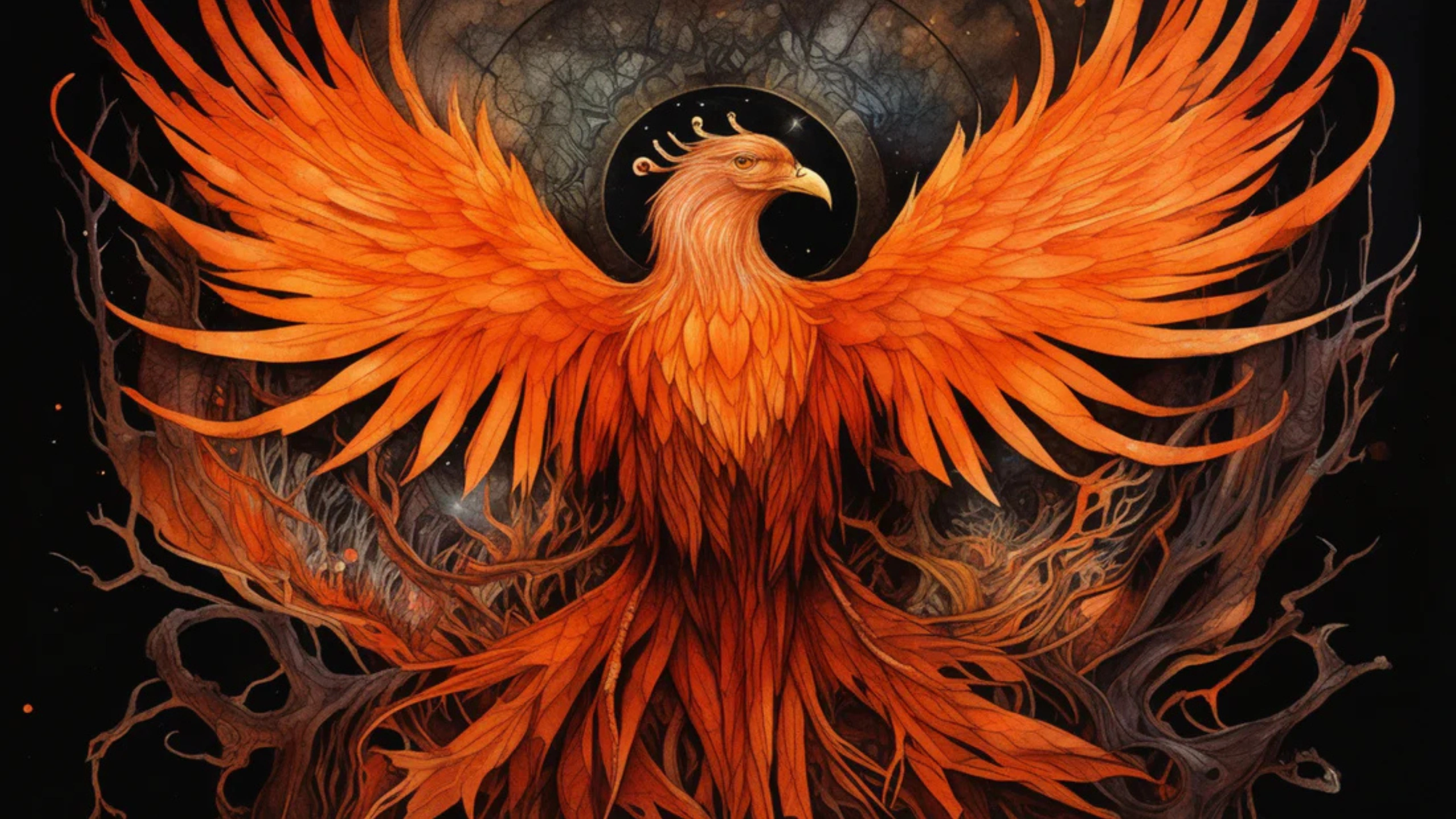
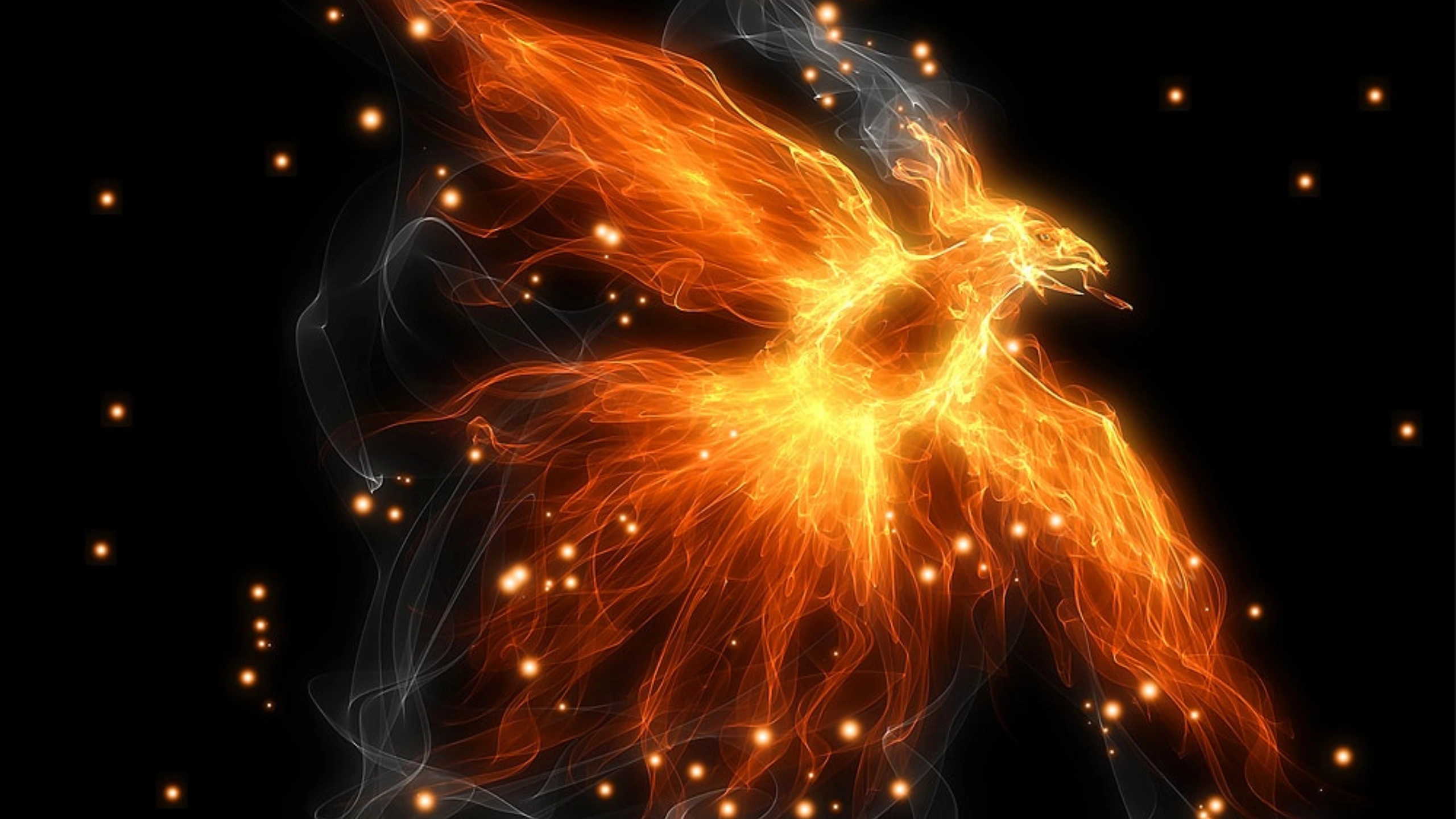
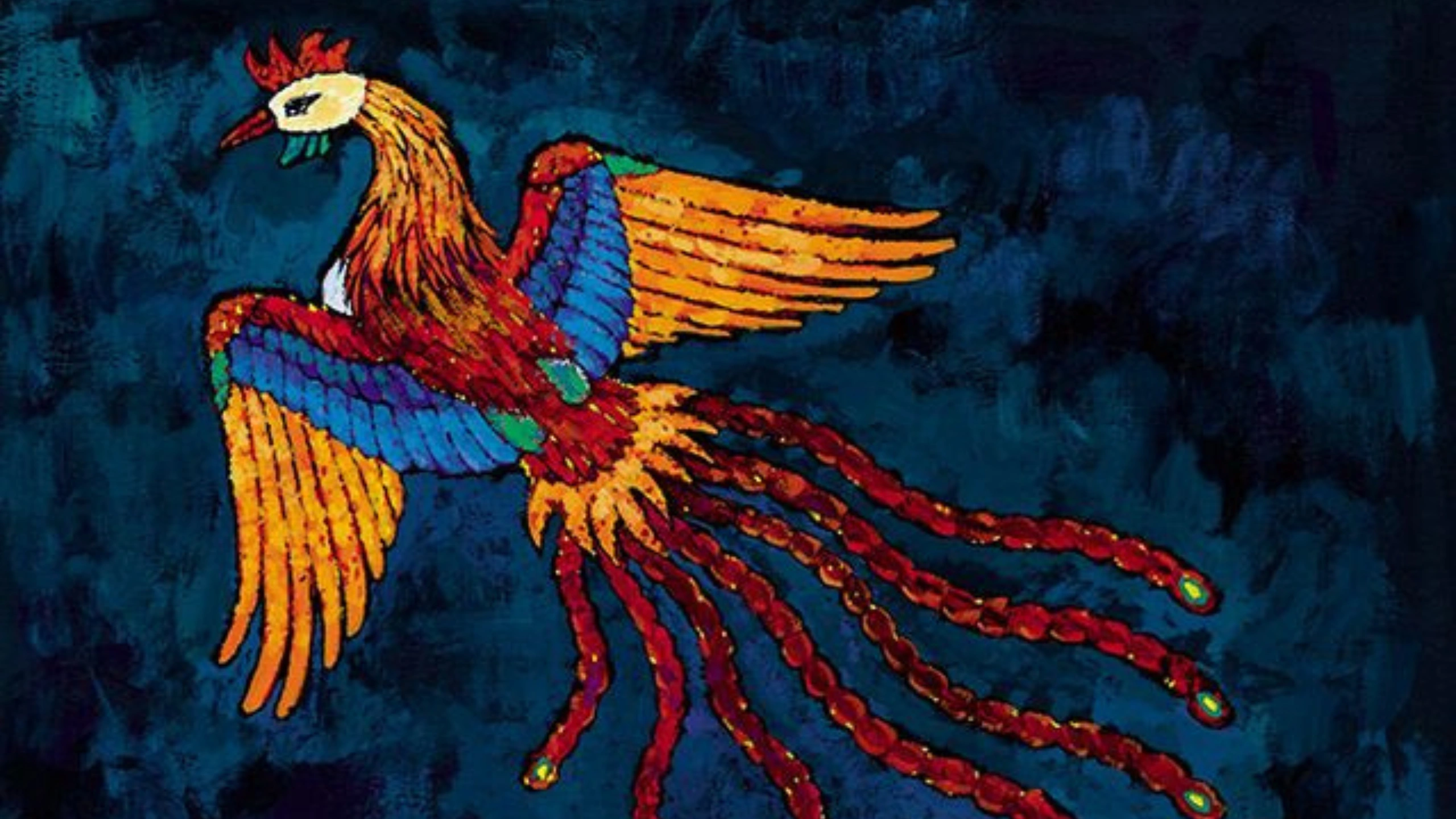
The phoenix bird spiritual significance is a timeless symbol of transformation, renewal, and hope, transcending cultures and beliefs. In China, the Fenghuang represents the harmonious balance of yin and yang, fostering peace and unity. What does a phoenix represent? In Japan, the Ho-o is revered as a symbol of prosperity and peace, often connected to the imperial family.
In Western traditions, the phoenix is celebrated as a symbol of resurrection, emerging from its ashes to signify triumph over adversity. The phoenix bird spiritual significance across these cultures highlights its universal appeal as a symbol of rebirth and personal growth, resonating deeply with the human journey of transformation.
Here are the phoenix symbolism across different cultures:
1: Phoenix Symbolism in Egyptian Mythology and Beyond
2: Phoenix Symbolism in Hinduism and Spirituality
4:Phoenix Symbolism in Slavic Mythology and Culture
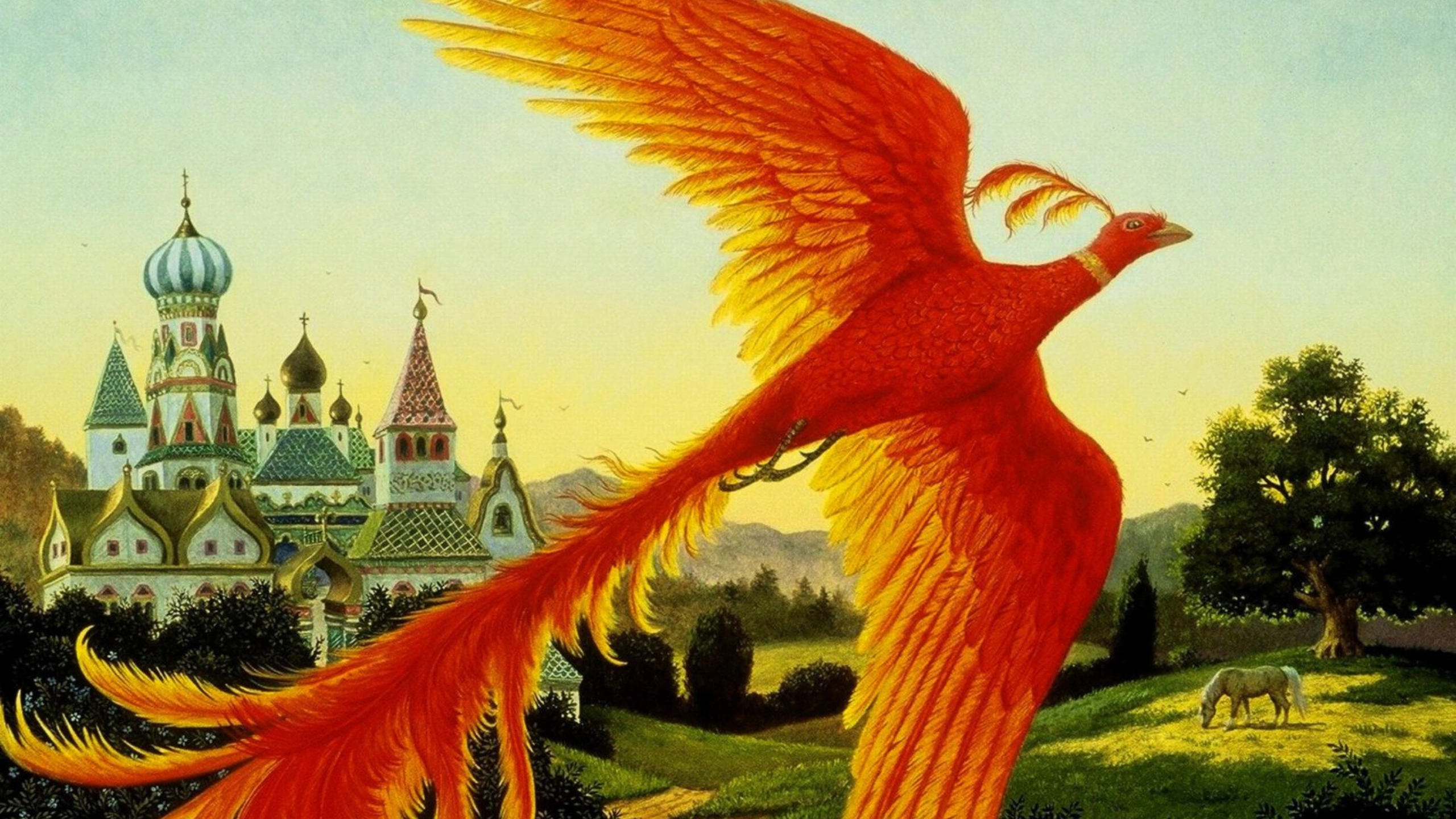
In Slavic mythology, the Firebird shares many similarities with the phoenix, symbolizing transformation, renewal, and the cycles of life. The Firebird, often depicted with brilliant feathers, represents rebirth and spiritual awakening. Like the phoenix, the Firebird embodies hope and change, but it also has a dual nature, bringing both fortune and misfortune.
In Slavic folktales, the Firebird is pursued by heroes who face trials and challenges, reflecting the struggles and growth that come with personal transformation.
The bird’s connection to fire and light enhances its symbolism, representing the illumination of the path to wisdom and the overcoming of adversity. As a creature tied to magic and mysticism, the Firebird serves as a metaphor for the pursuit of enlightenment and rebirth through struggle and resilience.
5: Phoenix Symbolism in Persian Mythology
The Simurgh:Phoenix Like Symbolism in Persian Mythology
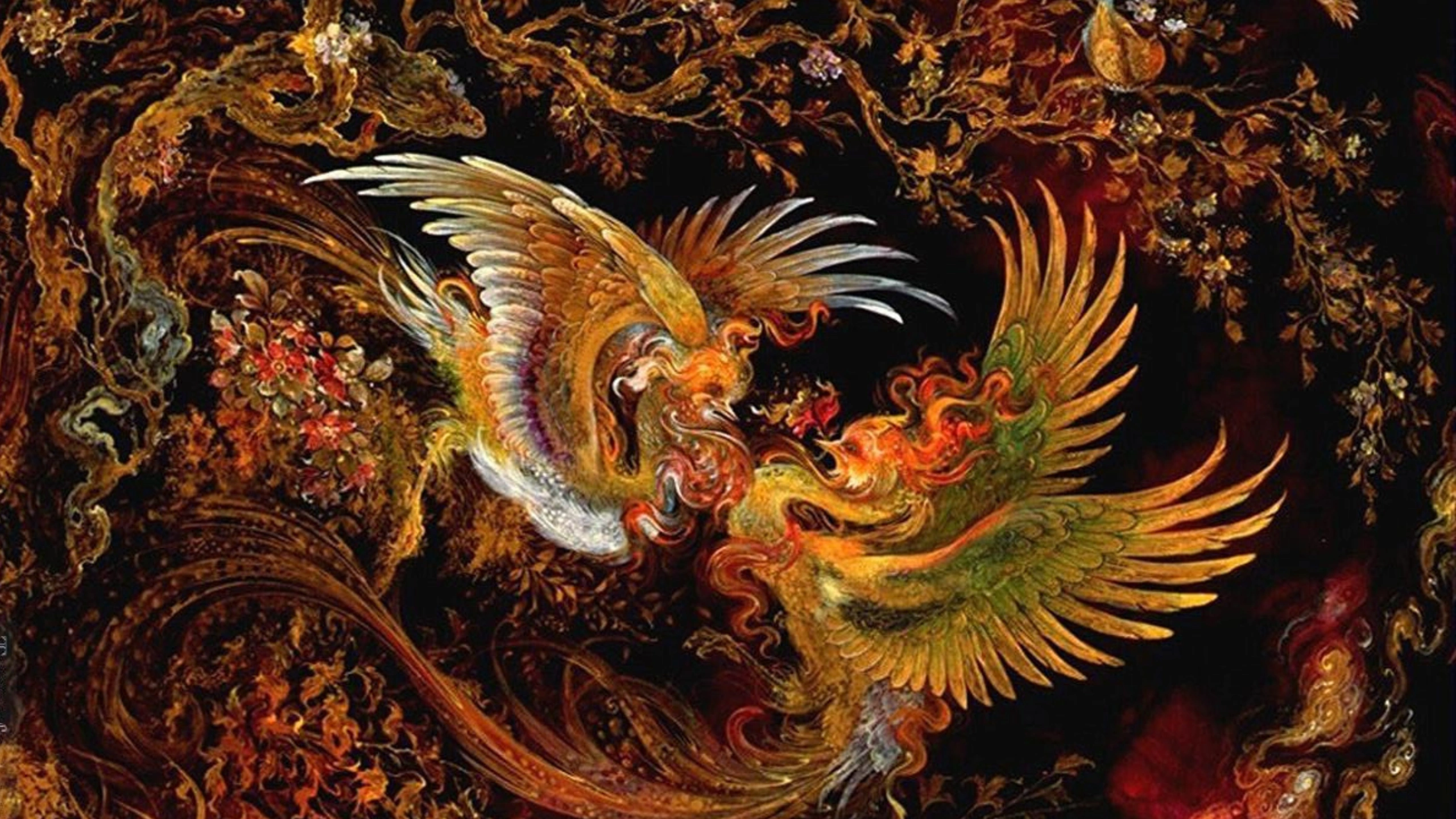
The Simurgh, a majestic bird in Persian mythology, shares phoenix like qualities, symbolizing immortality and divine knowledge. Often depicted as a wise and kind creature, the Simurgh’s nest on the Tree of Life symbolizes the connection between earth and heaven, much like the phoenix links the mortal and divine worlds in other cultures.
The Simurgh is associated with rebirth and spiritual growth, representing the cycle of life and wisdom. It serves as a powerful symbol of transformation, where its eternal connection to both realms embodies the profound ideas of immortality and spiritual enlightenment.