
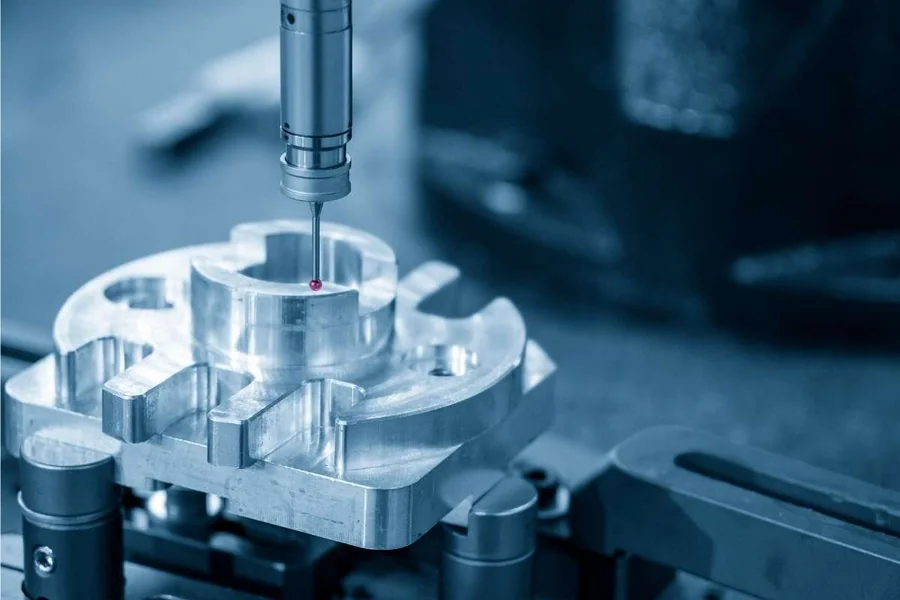
Equipment accuracy rarely disappears all at once. Instead, it gradually fades as instruments age, wear, and operate under changing conditions. This slow decline often goes unnoticed because readings still appear reasonable, even when they no longer reflect true values. Over time, small inaccuracies can affect quality, safety, and efficiency across operations. Regular calibration exists to counter this natural drift by restoring alignment between instruments and known reference standards. Rather than treating calibration as a corrective action after problems arise, organizations use it as a preventive practice. Understanding why routine calibration improves long-term accuracy helps explain how consistent measurement reliability is maintained year after year.
Why Calibration Supports Longevity
-
Drift Control Through Scheduled Adjustment
All measuring instruments are influenced by physical and environmental factors that slowly alter their behavior. Mechanical parts wear, electronic components age, and repeated use introduce minor deviations. Without calibration, these changes accumulate, causing instruments to drift further from accurate measurement over time. Regular calibration interrupts this process by identifying deviations early and correcting them before they become significant. This ongoing adjustment keeps instruments operating within defined tolerances, preserving accuracy across their service life. Organizations that invest in complete service for accurate balance calibration understand that scheduled checks prevent small errors from compounding into large discrepancies. By proactively controlling drift, calibration extends the equipment’s useful accuracy and reduces the risk of sudden measurement failures.
-
Building Measurement Stability Over Years
Long-term accuracy depends on stability rather than one-time correction. Calibration performed at regular intervals establishes a verification rhythm that reinforces measurement reliability. Each calibration event confirms current performance and resets the baseline for future use. Over the years, this creates a stable measurement environment where instruments behave predictably. Stability matters because processes and decisions rely on trends as much as individual readings. When instruments remain aligned over time, data comparisons stay meaningful. Regular calibration ensures that long-term data reflects actual change rather than instrument inconsistency, supporting confident analysis and planning.
A Focused Calibration Moment
-
Verification Without Adjustment
Not every calibration results in a correction. Sometimes, the most valuable outcome is confirmation that an instrument remains within tolerance. This verification reinforces trust in the measurement system and confirms that long-term accuracy is being maintained as intended.
-
Reducing Cumulative Error in Processes
Small measurement errors may seem insignificant in isolation, but they can accumulate across processes that depend on repeated measurements. Over time, these cumulative errors distort results and reduce process reliability. Regular calibration limits this accumulation by keeping each measurement point aligned. When instruments are calibrated consistently, processes remain centered around true values rather than drifting targets. This consistency reduces variability and supports smoother operations. Long-term accuracy is therefore not only about individual instruments but also about how they interact within larger systems. Calibration serves as a stabilizing force, keeping processes aligned and reliable over extended periods.
-
Supporting Predictable Maintenance Decisions
Calibration data provides insight into how instruments behave over time. By reviewing calibration histories, organizations can see whether equipment holds accuracy consistently or drifts more quickly as it ages. This information supports informed maintenance and replacement decisions. Instruments that require frequent adjustment may signal underlying wear or environmental stress. Regular calibration transforms accuracy management from guesswork into a data-driven process. Predictable maintenance planning reduces downtime and prevents unexpected measurement failures. In this way, calibration supports long-term accuracy not only by correcting errors but by guiding decisions that sustain measurement integrity.
-
Environmental Adaptation and Accuracy Retention
Operating environments play a major role in how quickly accuracy degrades. Temperature changes, humidity, vibration, and contamination all influence instrument stability. Regular calibration accounts for these influences by adjusting equipment to current conditions rather than assuming stability. This adaptability helps instruments retain accuracy despite environmental stress. Calibration intervals can be adjusted based on exposure to ensure instruments remain reliable without unnecessary intervention. By responding to real operating conditions, calibration preserves long-term accuracy even in demanding environments.
Consistency Creates Accuracy
Regular calibration improves long-term equipment accuracy by addressing drift before it becomes damaging. Through scheduled adjustments, verification, and documentation, calibration ensures stability over years of use. It reduces cumulative error, supports predictable maintenance, and adapts measurement systems to changing environments. Rather than relying on assumptions, organizations that calibrate regularly build accuracy through consistency. This ongoing commitment ensures instruments continue to provide reliable data long after installation, protecting decisions and processes that depend on trustworthy measurement over time.