
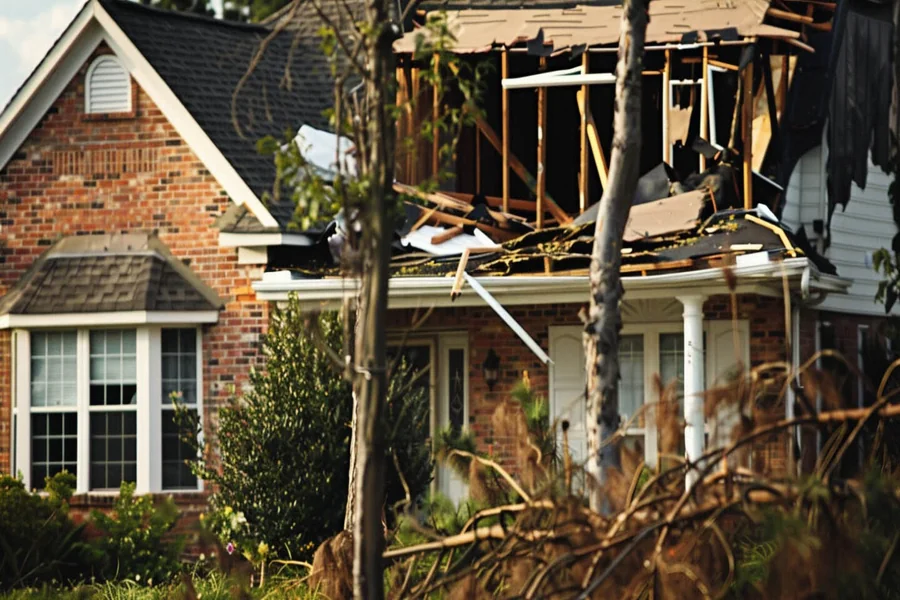
Property damage can disrupt daily life in ways that extend far beyond physical repairs. When homes or commercial spaces are affected by fire, water, storms, or other events, navigating the insurance process becomes an immediate concern. Property damage claims adjusters play a key role in structuring this process, ensuring that damage is evaluated carefully and claims proceed in accordance with defined procedures. Their work focuses on assessment, documentation, and coordination rather than assumptions or urgency. Understanding how property damage claims adjusters operate clarifies how recovery efforts are supported through organized review and communication under challenging circumstances.
Understanding the claims assessment process
-
Initial Damage Review and On-Site Evaluation
The work of a property damage claims adjuster often begins with an on-site evaluation of the affected property. This initial review helps establish the scope and nature of the damage before repairs or cleanup alter conditions. Adjusters observe structural elements, interior finishes, and affected systems to determine how the damage occurred and which areas are affected. They document findings through notes, photographs, and measurements that later support claim evaluation. For policyholders working with a Property damage claims adjuster in Florida, environmental factors such as humidity, storms, and flood patterns may also influence how the damage is assessed. This early assessment creates a factual baseline that guides the rest of the claims process and helps prevent misunderstandings later.
-
Translating Physical Damage Into Claim Documentation
After the initial review, property damage claims adjusters focus on translating physical observations into organized documentation. Insurance claims rely on clear records that describe damage in measurable terms rather than general descriptions. Adjusters prepare reports that connect visible damage to repair categories and policy language. This step requires attention to detail, as incomplete or unclear documentation can delay progress. By organizing information carefully, adjusters help ensure that claims reflect the full extent of damage without exaggeration or omission. This structured documentation supports consistent review and allows insurers and policyholders to work from the same set of facts throughout the process.
-
A Short Perspective on Accuracy
Accuracy is central to the role of a property damage claims adjuster. Decisions rely on documented facts rather than assumptions or estimates made without evidence. Accurate assessment protects both policyholders and insurers by establishing a clear foundation for claim resolution. When accuracy guides the process, disagreements are less likely to arise later. This focus on precision supports trust in the claims system and helps claims move forward without unnecessary revision.
-
Evaluating Repair Scope and Loss Impact
Beyond identifying damage, claims adjusters assess how that damage affects the property’s overall usability. This includes considering whether areas are temporarily or permanently impacted and how repairs may restore function. Adjusters review repair scopes to ensure they align with the documented damage and policy provisions. This evaluation clarifies which types of repairs are appropriate and how extensive they should be. By carefully assessing loss impact, adjusters support realistic expectations for restoration timelines and outcomes. This step bridges the gap between physical damage and the practical steps needed for recovery.
-
Coordinating With Contractors and Supporting Information Flow
Property damage claims adjusters often interact with contractors, engineers, or other professionals involved in repair planning. These interactions help validate repair approaches and clarify the technical aspects of the damage. Adjusters review estimates and supporting documents to ensure consistency with observed conditions. Coordinating information flow between parties helps prevent miscommunication and keeps the process organized. When all participants work from a shared information base, the claim progresses more smoothly. This coordination role allows adjusters to maintain structure without directly directing repair decisions.
-
Applying Policy Provisions to Damage Findings
Insurance policies define how coverage applies to different types of damage. Property damage claims adjusters review policy terms alongside documented findings to determine how coverage responds. This involves identifying applicable limits, exclusions, and conditions while remaining consistent with the contractual language. Adjusters focus on applying policy provisions consistently rather than interpreting them subjectively. This step helps explain why certain elements of a claim are included or excluded. Clear application of policy terms supports transparency and helps policyholders understand how decisions are reached.
-
Managing Timelines and Procedural Requirements
Claims unfold over time, often involving multiple stages of review and response. Property damage claims adjusters track timelines to ensure that inspections, documentation, and evaluations occur within appropriate windows. Procedural awareness helps prevent delays caused by missed steps or incomplete submissions. Adjusters maintain records of actions taken and information received, creating a clear claim history. This organization supports accountability and helps claims remain on track even when multiple parties are involved. Managing timelines contributes to predictability within the recovery process.
-
Supporting Policyholders Through Process Clarity
While adjusters do not make personal decisions for policyholders, their structured approach helps reduce uncertainty. By explaining procedures, documenting findings, and maintaining organized communication, adjusters help policyholders understand what to expect next. This clarity allows individuals to focus on recovery planning rather than navigating confusion. Support comes from consistency and transparency, not advocacy. This role helps policyholders remain informed participants in the claims process.
Property damage claims adjusters play an essential role in guiding insurance claims through careful assessment and structured review. From initial evaluation and documentation to policy application and timeline management, their work supports clarity and consistency during recovery. Accuracy, organization, and communication shape how damage is translated into actionable claim information. By understanding the role of property damage claims adjusters, policyholders gain insight into how claims progress methodically rather than reactively. This understanding helps demystify the process and highlights the importance of structured evaluation in navigating property damage recovery.