
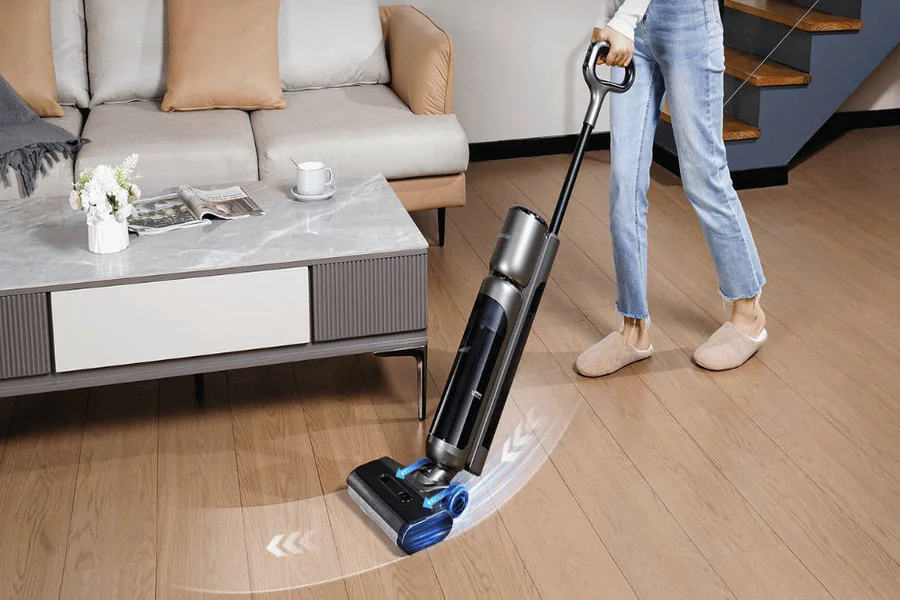
There is a specific kind of frustration reserved for the moment you’re halfway through cleaning a spill in the garage, only to have the power cord snag on a tire or reach its physical limit just inches from the mess. For decades, the “shop vac” was a heavy, lumbering drum tethered to a wall outlet, limiting your reach and creating a literal tripping hazard.
But as battery technology has evolved, so has our ability to maintain our homes. Switching to a cordless wet dry vacuum isn’t just about losing the wire; it’s about gaining the freedom to tackle messes in the driveway, the attic, or the backyard shed without hunting for an extension cord. This shift toward untethered power is fundamentally changing how we approach both daily spills and major weekend projects.
The Evolution of Cordless Suction Power
For a long time, the trade-off for mobility was a significant loss in “lift” the measure of how much suction a vacuum actually produces. Early battery-operated models were fine for crumbs but struggled with heavy liquids or thick sawdust.
That has changed. Modern brushless motors and high-capacity lithium-ion batteries now provide performance that rivals many corded counterparts. You can now pull damp leaves out of a drain or suck up wood chips from a table saw with the same confidence you’d have with a plugged-in unit, all while moving freely across your property.
Solving the “Outlet Hunt” in Outdoor Spaces
Think about the last time you wanted to detail your car or clean out the boat. You likely had to string together two extension cords, snake them through a cracked window or under a garage door, and hope the circuit breaker didn’t trip.
With a cordless setup, that entire logistical headache disappears. You can take the vacuum directly to the job site. Whether it’s sand in the trunk after a beach trip or spilled mulch on the walkway, the ability to grab the tool and go means you’re more likely to clean up small messes before they become big problems.
Why a Cordless Wet Dry Vacuum is a Safety Essential
Extension cords are more than just a nuisance; they are a safety risk, especially when liquids are involved. Dragging a 120V cord through a puddle while cleaning up a burst pipe or a leaking water heater is inherently risky.
By removing the physical connection to the grid, you eliminate the risk of electrical shorts caused by damp cords. Furthermore, in high-traffic areas like a busy workshop or a kitchen during a renovation, the absence of a “tripwire” across the floor makes for a much safer working environment for everyone involved.
Versatility: From the Kitchen to the Curb
A wet dry vacuum is the ultimate hybrid tool. Most people keep their standard vacuum in the closet for carpets, but the cordless utility vac lives where the real action is.
Indoor Spills and Plumbing Blunders
When the washing machine overflows or the kids knock over a gallon of milk, speed is the most important factor in preventing floor damage. A cordless unit can be deployed in seconds, stopping liquid from seeping into baseboards or under cabinets.
The Ultimate Car Detailing Tool
Car interiors are notoriously difficult to clean because of the tight angles. Without a cord dragging against the car’s paint or getting stuck under the tires, you can move around the vehicle with total ease.
Key Factors to Consider When Going Cordless
If you are looking to make the switch, don’t just look at the price tag. The “best” vacuum depends heavily on how you plan to use it.
Battery Ecosystem
Most modern cordless tools belong to a specific battery “platform.” If you already own a cordless drill or leaf blower from a specific brand, it often makes sense to buy a vacuum that shares those same batteries. This allows you to swap packs mid-job and keep working indefinitely.
Tank Capacity vs. Weight
In the cordless world, bigger isn’t always better. A 10-gallon tank is great for capacity, but once it’s full of water, it becomes extremely heavy. For most homeowners, a 3-to-5-gallon unit offers the perfect balance of enough space for a major spill while remaining light enough to carry with one hand.
CFM and Water Lift
When checking specs, look for CFM (Cubic Feet per Minute). This tells you how much air the vacuum moves. A higher CFM is better for picking up dry debris like dust and wood chips. “Water Lift” (measured in inches) tells you how well the vacuum can pull heavy liquids upward.
Maintenance Tips for Peak Performance
To ensure your cordless vacuum stays reliable for the next 15 years, you need to treat the battery and the filters with care.
- Never Store Batteries in the Heat: High temperatures in a summer garage can kill lithium-ion cells. Keep your batteries in a climate-controlled area.
- Dry the Tank Immediately: After picking up liquids, empty the tank, rinse it, and let it air dry. If you seal a wet tank, you’ll be greeted by a foul mildew smell the next time you turn it on.
- Check the Hose for Obstacles: Because cordless units rely on battery efficiency, a slight clog in the hose can make the motor work harder, draining your battery faster.
Common Mistakes to Avoid with Cordless Units
- Using the Wrong Filter: Using a dry pleated filter for wet pickup will ruin the filter and choke the motor. Always swap to a foam sleeve for liquids.
- Overworking a Low Battery: If you notice the suction dipping, swap the battery. Running a lithium-ion battery until it is completely dead can shorten its overall lifespan.
- Ignoring the Exhaust: Ensure the exhaust port is clear. Many people accidentally block the exhaust while carrying the unit, which can cause the motor to overheat.
How to Get the Most Out of Your Purchase
For maximum efficiency, I recommend keeping a “mobile kit” attached to your vacuum. Use a small mesh bag to keep your crevice tool, wide nozzle, and brush together. This prevents you from having to walk back to the workbench every time you need to switch from cleaning the floor to cleaning a windowsill.
Frequently Asked Questions
How long does the battery actually last?
On average, a high-quality battery will give you 30 to 45 minutes of continuous high-power suction. For most home projects like vacuuming a car or cleaning a spill—this is more than enough time.
Is a cordless wet dry vacuum loud?
They generally produce a similar decibel level to corded models, though some newer brushless models have a higher-pitched “whine” rather than a deep roar. It’s always a good idea to wear ear protection for long jobs.
Can I use it for fine dust like drywall?
Yes, but you must use a high-efficiency filter bag. Fine dust can pass through standard foam filters and blow right out the back of the vacuum, coating your room in a fine film and potentially damaging the motor.
Do I need to buy a specific charger?
Most brands sell “kits” that include a battery and charger. If you are buying “tool only” (the bare tool), make sure you already have the compatible battery and charger from that specific brand’s ecosystem.
Conclusion: Is the Move to Cordless Worth It?
The transition from corded to cordless is about more than just convenience; it’s about removing the barriers that make cleaning feel like a chore. When you don’t have to worry about outlets, tangled wires, or safety hazards, you tend to keep your workspace cleaner and your home better maintained.
For the modern DIYer or homeowner, the cordless wet dry vacuum represents the gold standard of utility. It’s the one tool that is equally at home in the middle of a flooded basement as it is in the backseat of a minivan, proving that sometimes, the best way to move forward is to cut the cord.