

Key Highlights
- Choosing the right third-party logistics provider is a critical decision for your business.
- Understanding your specific logistics needs is the first step toward finding a reliable partner.
- Evaluating key factors like service capabilities, technology, and pricing is essential for success.
- A good provider enhances supply chain efficiency and boosts customer satisfaction.
- Look for transparent pricing and flexible contracts to support your business growth.
- Assessing a provider’s service quality and track record ensures a fruitful partnership.
Introduction
Selecting the right third-party logistics operations provider can transform your business. As you grow, supply chain management becomes more complex. Outsourcing to a specialist saves time, boosts efficiency, and improves customer experience. This guide covers everything you need to choose a partner that fits your needs and supports your long-term success.
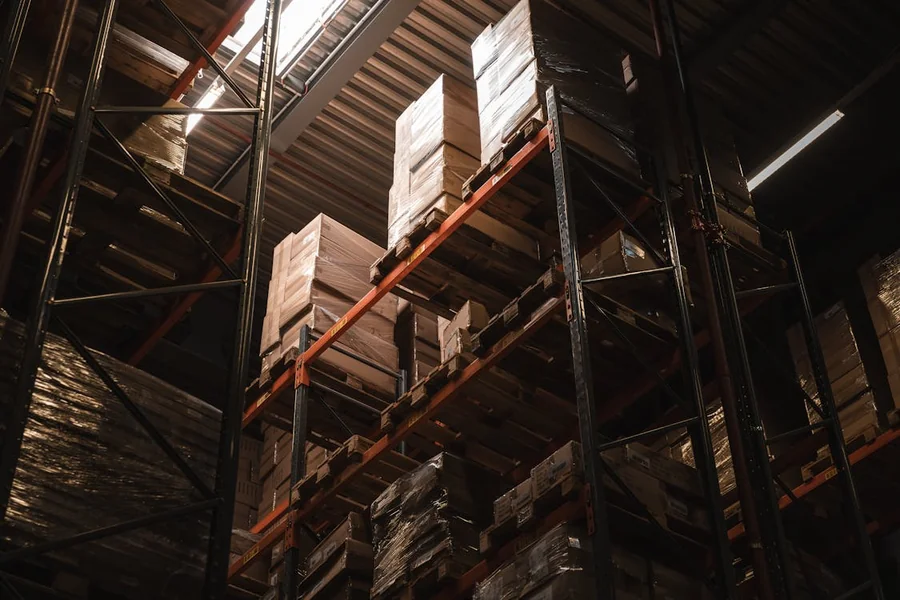
Understanding Third-Party Logistics Providers
A third-party logistics provider (3PL) manages key supply chain tasks like warehousing, inventory, order fulfillment, and distribution. Outsourcing to a 3PL lets you focus on your core business.
Choosing a reliable 3PL is essential. Consider their service range, technology, pricing transparency, and scalability. These key areas ensure you select a partner who supports your goals. This section covers 3PL services and their benefits.
Types of Services Offered by Third-Party Logistics Providers
Top third-party logistics providers offer comprehensive supply chain management, going beyond basic storage and shipping to deliver end-to-end ecommerce support. The best 3PLs tailor their services to your specific needs.
A 3PL manages every step—from receiving inventory to final delivery—including container handling, customs clearance, and returns. Centralized warehouse management ensures accurate inventory tracking and efficient order fulfillment, reducing delivery times.
AMS eGroup, for example, provides:
- Warehousing & Storage: Secure facilities with real-time inventory tracking.
- Fulfillment & Order Processing: Advanced pick-and-pack systems for accuracy.
- Distribution: Extensive domestic and international shipping network.
- Reverse Logistics: Efficient return management to protect profitability.
Key Advantages of Using Third-Party Logistics Providers for Australian Businesses
Partnering with a 3PL provider can drive business growth for e-commerce businesses through key advantages. First, 3PLs achieve economies of scale by serving multiple clients, letting them negotiate better shipping rates and pass savings to you—boosting your bottom line.
Outsourcing logistics also streamlines your supply chain. With experts handling warehousing, fulfillment, and distribution, you get faster, more accurate order processing—leading to higher customer satisfaction. Additionally, conducting site visits to evaluate providers allows you to review their track record and infrastructure to ensure they can handle your volume.
Key benefits:
- Reduced Costs: Access lower shipping and operational expenses.
- Improved Efficiency: Enjoy faster fulfillment with advanced processes and technology.
- Scalability: Easily adapt to demand changes and support long-term growth.
Identifying Your Business’s Logistics Needs
Before choosing a 3PL partner, assess your business needs. Review your current logistics, noting what works and what doesn’t. Document specifics like order volume, storage needs, and any special handling.
This internal audit is crucial. Knowing your requirements helps you judge if a provider can manage your volume and boost your supply chain, which are critical factors. The next sections will guide you in analyzing challenges and scalability needs.
Analyzing Current Supply Chain and Logistics Challenges
A common mistake when choosing a 3PL is not fully understanding your logistics challenges. Start by mapping your supply chain—from receiving inventory to final delivery—to identify bottlenecks and issues a 3PL could address in your selection process.
Are you struggling with high order volumes during peak seasons, inefficient warehousing, or shipping delays? Pinpointing these pain points is crucial, as slow processing or high error rates, as well as adherence to safety standards, can harm customer satisfaction and your brand reputation.
Focus on these areas to identify challenges:
- Order Fulfillment: Are you hitting targets for accuracy and speed?
- Inventory Management: Do you have real-time stock visibility?
- Shipping Costs: Are distribution expenses hurting your margins?
Assessing Volume, Scalability, and Industry-Specific Requirements
Every business has unique logistics needs, so your 3PL partner must be able to meet your customer demands. Start by reviewing your current order volume and forecasting growth. A good 3PL should scale with you—whether you ship 50 or 50,000 orders a month—to keep your supply chain running smoothly as you expand.
Consider peak periods like holidays or sales events. Can the provider handle sudden spikes in demand during these peak periods without sacrificing service? Also, think about industry-specific requirements—for example, fashion brands need seasonal inventory support, while electronics companies require secure storage.
When evaluating a provider, ask about:
- Flexibility: How do they manage fluctuating volumes and seasonal peaks?
- Infrastructure: Do they have enough warehouse space and staff for your growth?
- Experience: Have they served businesses in your industry before?
Evaluating Service Capabilities and Technology Integration
The right service provider offers more than storage and shipping—they deliver comprehensive logistics solutions powered by advanced technology that support current operations. A provider’s tech capabilities indicate their commitment to efficiency. Modern 3PLs use technology to streamline fulfillment, from inventory tracking to order processing.
When evaluating providers, assess their systems and how easily they integrate with your platforms. Seamless integration is crucial for real-time data exchange and smooth operations, giving your business a competitive edge. Next, we’ll dive deeper into the role of technology and tips for ensuring a smooth integration.
Importance of Technology in Third-Party Logistics Providers
Technology is a key differentiator among 3PL providers, directly affecting supply chain efficiency, order accuracy, and data-driven decision-making. Choose a partner that invests in a top-tier warehouse management system (WMS).
A modern WMS offers real-time inventory visibility, automated order processing, and smooth e-commerce platform integration, allowing businesses to focus on their operations and product development. Features like scan-picking can achieve 99.8% order accuracy, while multi-location routing reduces shipping costs and delivery times.
Essential technology features include:
- Real-time Tracking: 24/7 visibility into inventory and orders.
- Platform Integration: Seamless connections to Shopify, WooCommerce, Magento, and others.
- Automated Reporting: In-depth reports on fulfillment speed and costs.
Ensuring Seamless Integration With Your Systems
Seamless integration between your systems and your 3PL’s platform is essential for efficient operations and identifying potential issues. It ensures order details, inventory, and shipping updates flow automatically between youre-commercee store and the warehouse, reducing manual errors, delays, and poor customer experiences.
When evaluating a 3PL, ask about their integration process. A reliable provider will have a technical team to connect with your e-commerce platform, test the system, and support both major and custom platforms. It is important to approach this with careful consideration to ensure strong technical support signals high service quality.
A smooth integration reflects a provider’s expertise and commitment. Onboarding should take 2–3 weeks and include full team training.
Comparing Pricing Models and Cost Transparency
While cost savings are a key reason to use a 3PL, it’s important to look beyond the initial price. Understand each provider’s pricing model and ensure they are transparent about all fees, especially when it comes to managing daily operations. The goal isn’t just to find the lowest cost, but the best value for your business.
Transparent pricing supports financial stability by preventing unexpected charges related to specific logistics challenges. When comparing providers, consider all costs—storage, fulfillment, shipping, and any extra services. The next sections will explain common fee structures and how to identify hidden costs.
Understanding Fee Structures: Third-Party Logistics Providers
To compare pricing between providers, first understand their logistics services fee structures. Most 3PL models are volume-based and include setup, storage, fulfillment (pick and pack), and shipping. Knowing each part of the quote helps you avoid surprises and forecast expenses accurately.
Many providers offer extra services like custom packaging or product assembly, which have separate fees. Transparent providers clearly break down all costs—ask for details on each line item, including any related to transit time. This clarity ensures cost savings and builds trust.
Common 3PL fees:
| Fee Type | Description |
| Initial Setup | One-time fee for onboarding and integration. |
| Warehousing/Storage | Recurring fee based on inventory space used. |
| Pick & Pack | Per-item/order fee for preparing shipments. |
| Shipping | Mailing costs are based on carrier, speed, and destination. |
How to Assess Contract Terms and Flexibility
Beyond pricing, contract terms significantly impact your entire supply chain operations. When evaluating service providers, prioritize flexibility. As your business grows and logistics needs change, rigid contracts can limit your growth.
A strong partner offers options like month-to-month agreements for startups and longer-term deals with better pricing for established businesses. Ask about scaling services and contract termination processes to ensure adaptability.
Key questions:
- What are the minimum volume requirements?
- How can services be adjusted as my business grows?
- What are the contract termination terms?
Spotting Hidden Costs and Value-Added Services
When comparing providers, hidden costs are a major concern. Low initial quotes may seem attractive, but undisclosed fees can quickly increase your expenses, especially when expanding into new markets. Choose partners who clearly outline all charges—ask directly about any unlisted fees.
Also, review value-added services beyond standard fulfillment that can boost efficiency and service quality, such as kitting, custom packaging, or returns refurbishment to align with your business goals.
Common hidden costs to watch for:
- Account Management Fees: Charges for dedicated support.
- Minimum Order Fees: Penalties for low order volume.
- Fuel Surcharges: Extra charges added to shipping rates.
Conclusion
Selecting the right third-party logistics provider can boost your business’s operational efficiency and growth. Assess your logistics needs, service capabilities, and pricing to make an informed choice that supports your goals. The best provider meets current demands and adapts as your business evolves. Careful selection ensures smoother supply chains and greater customer satisfaction. Ready to improve your logistics? Contact us for a consultation and discover tailored solutions for your business.
Frequently Asked Questions
What signs indicate a reliable third-party logistics provider?
A reliable provider such as Amsegruop will have a proven track record, positive customer testimonials, and transparent pricing, including beneficial insights from online reviews. Key factors to look for include a commitment to technology, high standards for service quality, and flexible contract terms. Strong communication and a focus on customer satisfaction are also clear indicators of a dependable partner.
How do location and network influence logistics efficiency in Australia?
Location and network coverage are critical for logistics efficiency. A 3PL with an extensive network of warehouse locations across Australia, like in Sydney, Melbourne, and Perth, can store inventory closer to your customer base. This strategic placement significantly reduces delivery times and shipping costs, improving the overall customer experience.
What questions should you ask before making a final decision?
Before finalizing your choice, ask potential partners for case studies or client references relevant to your industry. Inquire about their insurance coverage, performance metrics, and how they adhere to industry standards to ensure they align with your business objectives. Understanding these key considerations will give you the confidence that you are choosing the right long-term partner.