
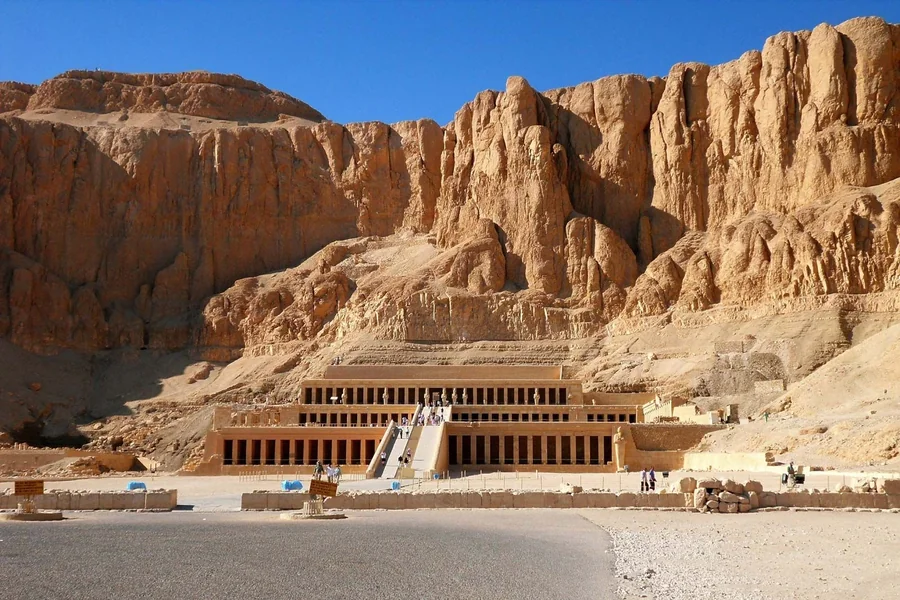
Game design refers to the process of creating the rules, systems, environments, and experiences that shape how a game is played and understood. It combines visual design, storytelling, mechanics, and player interaction to create engaging and meaningful experiences. When effective, it influences players by guiding their actions, maintaining immersion, and shaping their perceptions of the game world.
Ancient Egyptian art and architecture are a common source of inspiration in game design due to their strong visual identity and cultural depth. Elements such as pyramids, temples, hieroglyphs, and symbolic imagery are frequently used to create immersive environments that feel mysterious, powerful, and timeless. Let’s discuss how this theme influences a game’s design and players’ gameplay.
Instant Visual Identity
Ancient Egyptian art has a highly distinctive visual style that makes it immediately recognizable. The use of hieroglyphs, profile figures, monumental statues, and iconic structures like pyramids allows players to instantly understand the setting of a game. This clarity helps designers communicate theme and location without relying heavily on dialogue or text.
In game design, a strong visual identity helps players stay oriented and immersed. When players enter an Egyptian-inspired environment, they already associate it with mystery, antiquity, and power. This familiarity allows designers to focus more on gameplay mechanics while still maintaining a rich and engaging aesthetic experience.
Built-in Worldbuilding and Lore
Ancient Egyptian civilization offers a vast and detailed mythology that naturally supports storytelling. Gods, the afterlife, mummification, and divine judgment provide ready-made narrative elements that can be adapted into quests, characters, and conflicts. This deep cultural background gives games a sense of historical weight and narrative depth.
Mo Mummy Mighty Pyramid is one of the games that features pyramids, mummies, gems, scarabs, and other classic Egyptian symbols on the reels. Game designers benefit from this established lore because it removes the need to build entire worlds from the ground up. Many players are already familiar with core Egyptian myths, making it easier for them to engage with the theme and connect to the narrative.
Clear Geometry for Level Design
Egyptian architecture is known for its strong geometric forms, including symmetry, straight lines, and clearly defined spaces. For example, temples and tombs were designed with long corridors, large chambers, and axial layouts that guide movement. These layouts naturally lead visitors or players forward, creating a sense of progression and purpose.
These structural qualities translate well to game-level design. Clear geometry helps players navigate environments more easily. In particular, symmetrical layouts and strong visual landmarks reduce confusion and frustration during exploration. As a result, designers can create complex spaces that still feel intuitive and fair to the player.
Challenges Set in Stone
In addition to game-level design, Ancient Egyptian tombs were historically believed to contain traps meant to protect sacred spaces and treasures. This idea strongly influences puzzle and trap design in games, where players must solve riddles, activate mechanisms, or avoid deadly hazards. These elements add tension and challenge while reinforcing the theme of danger and mystery.
In gameplay, traps and puzzles slow player progression in a meaningful way and encourage problem-solving. Players become more engaged as they carefully observe their surroundings and interact with the environment. This design approach makes exploration feel rewarding and aligns well with Egyptian-themed settings.
Symbolism That Supports Gameplay
Ancient Egyptian art relies heavily on symbolism, where images and objects carry specific meanings. For example, the ankh represents life and immortality, while the scarab beetle symbolizes rebirth and transformation. The Eye of Horus is another key symbol, commonly associated with protection, healing, and divine power. These symbolic meanings can be directly adapted into gameplay mechanics.
In games, symbolic objects can function as health items, power-ups, or progression markers. Because the symbols already have established meanings, players quickly understand their purpose. This intuitive design improves player engagement and reduces the need for lengthy explanations or tutorials.
Timeless Sense of Scale and Awe
Egyptian architecture was designed to inspire awe through massive scale and permanence. Monumental structures such as pyramids, temples, and colossal statues were built to emphasize the power of the gods and the authority of the pharaohs. Their enormous size and solid stone construction created a sense of eternity, making humans feel small in comparison.
This sense of scale strongly influences modern game design. Large environments make exploration feel epic and meaningful, while towering structures heighten feelings of mystery, danger, and reverence. By using massive architectural forms, games can create emotional impact and immerse players in worlds that feel ancient, powerful, and timeless.
From Pyramids to Playgrounds
Ancient Egyptian art and architecture influence game design by providing an instantly recognizable visual identity that immediately establishes setting and atmosphere. Beyond visual appeal, the civilization’s rich mythology and cultural lore provide ready-made narratives that deepen worldbuilding and storytelling. These themes are reinforced by the clean geometric structure of temples and tombs, which naturally guide player movement and support intuitive level design.
Additionally, tomb-inspired puzzles, traps, and symbolic imagery such as the ankh and Eye of Horus transform cultural meaning into intuitive gameplay mechanics. Finally, the monumental scale of Egyptian architecture brings all these elements together by creating a lasting sense of awe, immersion, and timelessness for players. You can also explore more related insights and ideas on wikimitra for further reading.