
Homeowners today have a growing number of options for cooling and heating. Choosing between a central air system and a ductless system can significantly impact comfort, energy efficiency, and overall home climate management. Each system has unique features, installation requirements, and operational differences that can affect long-term satisfaction and cost. We will explore how central air and ductless systems compare, focusing on performance, flexibility, maintenance, and energy considerations. Semper Fi Heating & Cooling in Peoria provides both solutions, helping homeowners make informed choices that align with their living spaces and lifestyle preferences. Understanding these systems in depth allows for a well-informed decision that balances comfort, efficiency, and investment.
System Overview and Design Differences
Central air systems have long been a standard choice for whole-home climate control. These systems rely on a network of ducts to distribute cooled or heated air evenly throughout the home. The primary advantage of central air lies in its ability to maintain a consistent temperature across multiple rooms with a single unit, making it ideal for larger homes or spaces with a uniform layout. Ductwork allows the system to blend seamlessly into the home’s structure, keeping equipment mostly out of sight and limiting noise in living areas. Additionally, central air systems often include integrated air filtration, improving indoor air quality and comfort. Homeowners in the area can consult a Peoria HVAC contractor to assess installation needs and ensure the system is designed and installed efficiently. However, the installation process can be invasive, particularly in homes without existing ducts, and may require structural modifications or extensive renovations.
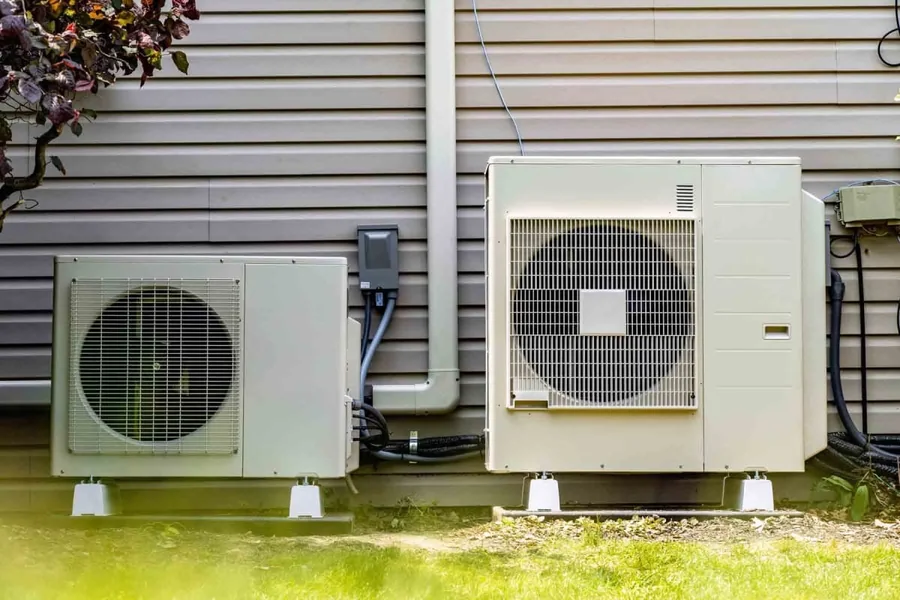
Ductless systems, in contrast, operate without extensive ductwork, using individual indoor air handling units paired with an outdoor compressor. Each unit can be installed in specific rooms or zones, providing precise temperature control where it is needed most. This flexibility allows homeowners to cool or heat select areas independently, which can be advantageous in multi-level homes or spaces with uneven heating needs. Ductless systems are also less disruptive during installation, often requiring only a small conduit for the refrigerant lines. This design minimizes structural changes while providing a quiet, efficient solution. However, multiple units may be necessary to ensure consistent comfort throughout the entire home, which can affect both initial costs and visual aesthetics.
Precision in climate control often hinges on the initial assessment of a building’s unique thermal footprint and architectural constraints. While central systems provide a unified approach to temperature regulation, ductless alternatives offer a level of granular control that is particularly beneficial in multi-story residences or older structures with limited space. You can Read more about how these specialized configurations manage moisture and airflow to prevent the common issues associated with stagnant indoor environments. By aligning equipment capacity with actual usage patterns, property owners can achieve a significant reduction in seasonal utility expenses. This careful calibration ensures that every room remains consistently comfortable without placing unnecessary strain on mechanical components, ultimately extending the operational lifespan of the entire cooling network.
Energy Efficiency and Operational Costs
Energy efficiency is a key consideration when choosing between central air and ductless systems. Central air systems benefit from economies of scale when cooling or heating an entire home, but efficiency can be impacted by poorly insulated ducts, leaks, or aging equipment. Modern central air units equipped with variable-speed compressors and advanced thermostats can provide more precise temperature control, helping to reduce energy consumption. Homeowners may also benefit from programmable thermostats that adjust temperatures based on occupancy patterns, further optimizing efficiency. Semper Fi Heating & Cooling emphasizes proper maintenance to preserve efficiency, including regular inspections, coil cleaning, and filter replacement, to prevent system strain and excessive energy use over time.
Selecting the right HVAC configuration often depends on specific regional climate challenges and the layout of the property itself. While central air systems remain a standard for uniform cooling in larger homes, ductless mini-splits offer targeted efficiency for problematic rooms or additions. Local expertise is vital when navigating these technical choices to ensure peak seasonal performance. For residents in the area needing personalized guidance, a chance to Visit our Spring location allows for a direct consultation regarding specialized installation requirements. Professional assessments help homeowners balance initial costs with long-term energy savings, ultimately securing a more sustainable indoor environment regardless of rising summer temperatures or fluctuating utility expenses.
Ductless systems are often recognized for their energy-efficient operation in zone-based applications. Because each indoor unit functions independently, homeowners can avoid cooling or heating unoccupied spaces, potentially reducing monthly utility bills. The absence of ductwork eliminates energy losses from leaks and poor insulation, making ductless systems particularly suitable for older homes or spaces where duct installation is impractical. Additionally, many ductless units incorporate inverter-driven compressors that adjust output dynamically to maintain desired temperatures without cycling on and off, resulting in lower energy consumption and more consistent indoor comfort. While operational costs are generally lower in targeted zones, homeowners must consider the aggregate impact if multiple units are required for larger homes.
Maintenance and Longevity
Regular maintenance is critical for both central air and ductless systems to ensure reliable performance and longevity. Central air systems benefit from scheduled professional inspections that assess refrigerant levels, duct integrity, electrical components, and the air handler’s condition. Neglecting maintenance can lead to uneven cooling, higher energy bills, and system breakdowns. Semper Fi Heating & Cooling recommends periodic duct cleaning and filter replacement to maintain efficiency and protect indoor air quality. A well-maintained central system can provide dependable service for 15–20 years, making it a durable option for long-term home comfort.
Ductless systems require less invasive maintenance due to their simpler design and absence of extensive ductwork. Homeowners can easily access indoor units for routine filter cleaning, helping maintain airflow and efficiency. Periodic professional inspections focus on refrigerant levels, compressor condition, and electrical connections. While ductless systems may have a slightly shorter average lifespan than central air, ranging from 12–18 years depending on usage and care, their modular design allows selective unit replacement without affecting the entire system. This can be particularly beneficial for homeowners seeking incremental upgrades or replacements over time.
Choosing between central air and ductless systems requires careful evaluation of home layout, energy efficiency, installation feasibility, and maintenance needs. Central air provides consistent whole-home climate control with hidden ductwork, integrated filtration, and long-term durability. At the same time, ductless systems offer flexibility, targeted comfort, and reduced energy losses in zone-specific applications. Homeowners seeking a solution that aligns with their lifestyle and home design can benefit from professional guidance to select and maintain a system that meets their comfort and efficiency goals. Understanding these differences allows homeowners to make informed decisions that balance performance, cost, and convenience while enhancing the overall living environment.