
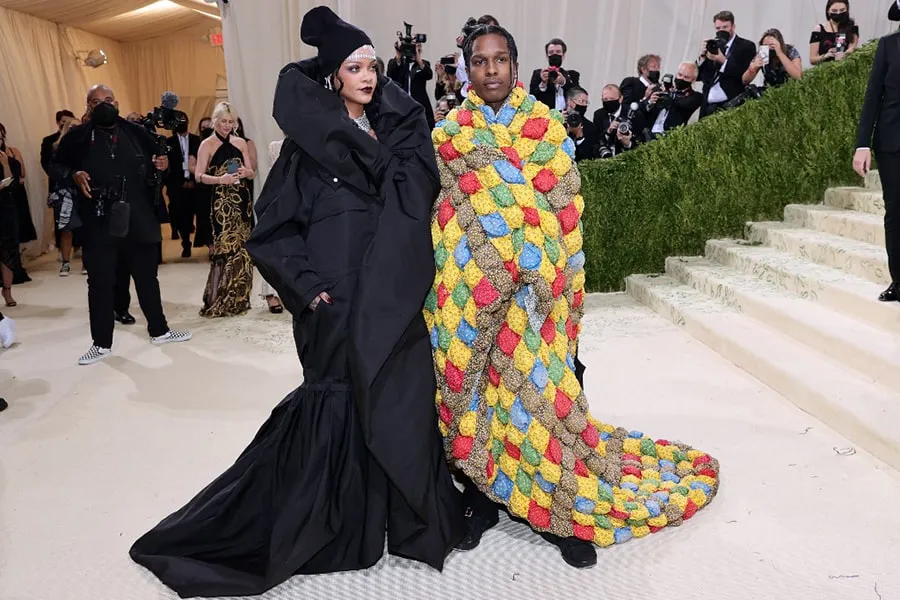
Avant-Garde Fashion is not just clothing. It is a creative movement. It pushes boundaries and questions what fashion can be. This style is about expressing ideas, challenging rules, and making people think. It is bold, artistic, and often shocking. Designers who work in this style do not follow trends. They create their own path.
The Meaning of Avant-Garde Fashion
The word “avant-garde” comes from French and means “advance guard.” It was first used in the military but later became a term for artists who lead the way with new ideas. Avant-Garde Fashion follows the same spirit. It is about stepping ahead of its time. This style is experimental and innovative. It often mixes art with clothing to make a statement.
Breaking Traditional Rules
Most fashion follows familiar patterns. Avant-garde designers do the opposite. They reject the normal rules of shape and structure. Avant-Garde Fashion uses unexpected cuts, exaggerated shapes, and bold materials. It turns fashion into a form of art. These designs are not always meant to be practical. They are meant to make people stop and look.
Radical and Non-Traditional Style
Avant-Garde Fashion is known for its radical and daring designs. Outfits often have sharp angles, oversized shapes, or unexpected twists. Designers are not afraid to use materials like metal, rubber, or plastic. Every piece is made to break the mold. Instead of blending in, it stands out. This style turns a simple outfit into something powerful.
The Power of Artistic Vision
At the heart of Avant-Garde Fashion is artistic vision. These designers do not create just to sell. They create to express something. It can be a message about society, identity, or politics. Every piece is like a moving artwork. Avant-garde shows that fashion can be a tool for cultural expression, not just beauty.
Experimental Designs and Innovation
Avant-Garde Fashion is known for pushing boundaries. Designers experiment with structure and texture. They use new techniques that the fashion industry has never seen before. Some outfits are sculptural, almost like architecture. Others are soft but deconstructed. This constant experimentation is what keeps the style unique and fresh.
Unconventional Materials and Textures
Unlike regular fashion, Avant-Garde Fashion is not limited to fabric. Designers use metal, plastic, rubber, and even found objects. They mix textures to create visual impact. A dress may have glass-like panels. A jacket may be made from recycled parts. These creative choices make each piece unpredictable and full of energy.
Exaggerated Silhouettes That Stand Out
Silhouette plays a big role in this style. Avant-Garde Fashion uses large, bold, and exaggerated shapes. Shoulders may be extremely wide. Skirts may stretch out in strange directions. Layers may be uneven and raw. This makes each design feel powerful. It is not about fitting in but about being seen.
Deconstruction as a Statement
One signature technique in Avant-Garde Fashion is deconstruction. Designers take apart traditional garments and rebuild them in new ways. A simple blazer can be turned inside out, layered, or reshaped into something unexpected. This shows how fashion can change meaning when it breaks away from its usual form.
Fashion as a Form of Commentary
Many designers use Avant-Garde Fashion to make a statement. Their collections talk about society, politics, or identity. They use clothes to ask questions and start conversations. This style does not just decorate the body. It makes people think. It is a bridge between art, culture, and emotion.
Historical Roots and Origins
The idea of avant-garde started in art and literature before entering fashion. It was about people who challenged traditions. In fashion, this spirit grew with designers who wanted to create something more than clothes. Avant-Garde Fashion became a space for those who lead with vision and courage. It is for designers ahead of their time.
Modern Avant-Garde Designers
Many modern designers are inspired by this style. They create bold runway shows that feel like theater. Their work is not always wearable for daily life, but it influences the entire industry. Avant-Garde Fashion shapes trends without becoming a trend itself. It inspires future designers to experiment and take risks.
A Style That Feels Like Art
Unlike mass-produced clothing, Avant-Garde Fashion feels personal. It is closer to a sculpture or a painting. Every piece has a story. Every stitch has meaning. People who wear this style are not just dressing up. They are expressing identity and emotion through what they wear.
Why Avant-Garde Fashion Matters
This style is important because it challenges limits. It shows what fashion can become when it is not afraid. Avant-Garde Fashion influences other areas of design, from streetwear to luxury. It opens the door for creativity and inspires new generations to think differently.
Conclusion
Avant-Garde Fashion is a fearless and creative movement. It is bold, radical, and full of meaning. This style uses exaggerated shapes, unconventional materials, and artistic vision to make powerful statements. It turns clothing into wearable art. It breaks old rules and inspires new ideas. Even if it is not made for daily wear, its influence reaches every part of the fashion world. Avant-Garde Fashion will always stand out as a symbol of innovation and creative freedom, as expressed by wendyreicher.
FAQs
What is Avant-Garde Fashion?
Avant-Garde Fashion is an experimental and artistic style that challenges traditional fashion through bold designs and creative ideas.
Why is Avant-Garde Fashion important?
It pushes boundaries and inspires new ways of thinking. It turns clothing into a form of cultural expression.
What materials are used in Avant-Garde Fashion?
Designers use metal, rubber, plastic, fabric, and many unconventional materials to create unique looks.
Is Avant-Garde Fashion wearable in daily life?
Most designs are not made for everyday use. They are closer to art pieces and often appear on runways or in exhibitions.
What makes Avant-Garde Fashion different from other styles?
It focuses on vision, creativity, and meaning instead of trends or practicality. It challenges what fashion should be.