
Most people expect aging to be loud. Wrinkles appear, hair turns gray, joints creak in the morning, and everything feels visibly slower. What often comes as a surprise is how subtle — and confusing — the earlier changes can be.
Somewhere between the early 30s and mid-40s, many people begin to feel different in ways that are hard to explain. Energy isn’t as reliable as it used to be. Recovery after workouts or stressful weeks takes longer. Sleep becomes lighter, less restorative. Motivation comes and goes without a clear reason. Nothing feels “wrong” enough to diagnose, yet nothing feels quite right either.
This phase often has less to do with sudden aging and more to do with gradual hormonal shifts that happen quietly in the background.
Hormones don’t crash — they fade
In your late 20s and early 30s, several key hormones begin a slow, steady decline:
- Growth hormone (HGH)
- Testosterone (in both men and women)
- Estrogen and progesterone (in women)
- DHEA
Because these changes happen gradually, they’re easy to overlook. Life stress, career pressure, parenting, poor sleep, or burnout are often blamed instead. While those factors matter, hormones frequently play a deeper role in how the body adapts — or struggles — over time.
Among these hormones, growth hormone is one of the least discussed, yet one of the most influential.
Why HGH matters more than most people realize
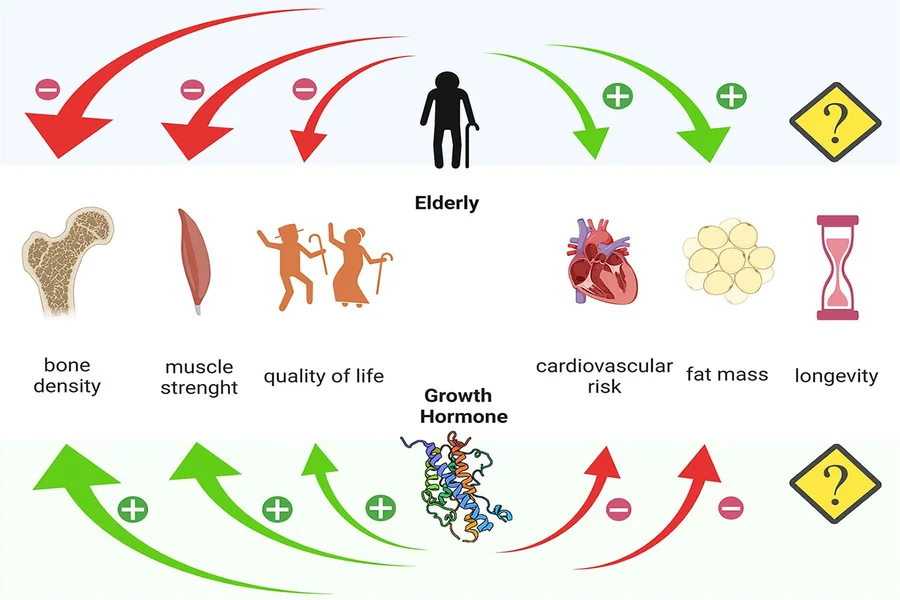
Growth hormone is commonly associated with childhood development, but its role in adult health is just as important. In adults, HGH helps regulate:
- Muscle maintenance and repair
- Fat metabolism and body composition
- Skin thickness and elasticity
- Sleep quality and nighttime recovery
- Cognitive sharpness and mental clarity
- Overall physical resilience
Natural HGH production peaks in the late teens and early twenties. After age 30, levels begin to decline steadily. By the time many people reach their 40s, production may be less than half of what it once was.
This doesn’t cause an immediate breakdown. Instead, it subtly shifts how the body responds to stress, exercise, sleep deprivation, and aging itself.
Why this decline often goes unnoticed
There are several reasons growth hormone decline stays under the radar:
First, it happens slowly. There’s no clear “before and after” moment — just a gradual sense that things take more effort than they used to.
Second, the symptoms overlap with modern life. Fatigue, stubborn fat, poor sleep, and brain fog are often attributed to stress or lifestyle alone.
Third, routine blood tests rarely capture functional hormone decline. Growth hormone is released in pulses, mostly during deep sleep, making it difficult to assess with standard labs.
Finally, aging is often framed as something you’re supposed to accept rather than understand. Many people are told these changes are “normal,” even when they interfere with daily performance and quality of life.
A shift toward proactive aging
In recent years, attitudes toward aging have begun to change. Instead of simply reacting to symptoms, more people are interested in proactive strategies to support long-term health, energy, and resilience.
Lifestyle foundations remain essential. Consistent sleep, resistance training, stress management, and nutrient-dense nutrition all support natural hormone production. These habits can significantly slow the impact of hormonal decline.
At the same time, some individuals explore medical options when lifestyle changes aren’t enough.
One approach people research is HGH therapy, which aims to support growth hormone levels under medical supervision. It’s not a casual decision and isn’t appropriate for everyone, but its growing visibility reflects a broader shift in how people think about aging — less resignation, more informed choice.
Understanding what support really means
Medically guided hormone support is not about chasing youth or extreme transformation. For many, the goal is far more practical: improving recovery, stabilizing energy, supporting sleep quality, and maintaining muscle and metabolic health as the body changes.
When done responsibly, hormone therapy is part of a larger picture that includes lifestyle, medical oversight, and realistic expectations. It’s not a shortcut — it’s a tool that may help certain individuals restore balance when natural systems fall behind.
Importantly, growth hormone interacts with other hormones, stress levels, and daily habits. Without healthy sleep, movement, and nutrition, no therapy can deliver meaningful or sustainable results.
Listening to the quieter signals
Aging doesn’t always announce itself with dramatic symptoms. More often, it whispers. You feel less resilient. Recovery slows. Sleep doesn’t quite restore you the way it used to.
These signals aren’t failures — they’re feedback. Understanding the hormonal side of aging allows people to respond thoughtfully rather than dismiss what they’re feeling or push through indefinitely.
Conclusion
The most challenging part of hormonal aging isn’t the change itself — it’s how quietly it happens. Growth hormone decline rarely feels dramatic, but over time it can influence energy, recovery, body composition, and overall quality of life.
As conversations around proactive health continue to evolve, more people are learning that aging doesn’t have to be passive. With the right information, lifestyle foundations, and medical guidance when appropriate, it’s possible to support the body through these transitions and maintain strength, clarity, and resilience well beyond your 30s and 40s.