
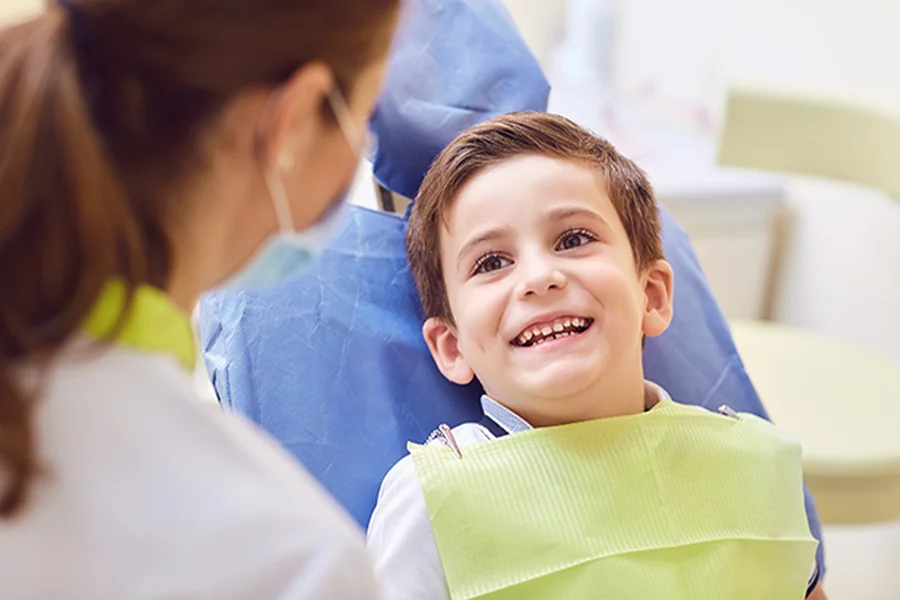
Ensuring a child’s dental health is maintained from an early age is crucial for their overall well-being. Tooth decay and cavities are common concerns for children, but with consistent habits and proper guidance, these issues can often be avoided. We will explore practical strategies families can implement at home and how regular dental visits help prevent oral health problems. By fostering positive dental routines, children can develop habits that protect their teeth, promote a healthy smile, and reduce discomfort associated with cavities. The foundation of long-term oral health starts with knowledge, consistency, and attention to both diet and hygiene.
Brushing and Flossing Techniques
Teaching children the correct way to brush and floss is essential for removing food particles and plaque that can lead to cavities. At Camden Dental of Abbotsford, families are encouraged to use fluoride toothpaste and teach children to brush at least twice a day, paying attention to all surfaces, including the back molars, which are most susceptible to decay. Flossing once daily helps remove debris from areas that toothbrushes cannot reach, particularly between teeth where cavities often form. Using fun, age-appropriate toothbrushes and flavored toothpaste can help children develop a consistent toothbrushing routine. Supervising younger children helps ensure effective brushing and flossing. By making oral hygiene a structured and enjoyable part of daily life, families can significantly reduce the risk of tooth decay.
Diet and Nutrition Considerations
A child’s diet has a direct impact on their dental health. Limiting sugary snacks, candies, and sweetened beverages is one of the most effective ways to prevent cavities. Sugar interacts with bacteria in the mouth, producing acids that erode tooth enamel. Encouraging healthier alternatives, such as fruits, vegetables, and dairy products, provides essential nutrients, including calcium and phosphorus, that support tooth health. Snacking between meals should be minimized, and water should be the preferred drink to help rinse away food particles. Establishing meal and snack routines that prioritize nutritious choices supports overall oral health and prevents the frequent exposure of teeth to harmful acids. Teaching children to make informed dietary decisions early on sets the stage for lifelong habits that benefit their teeth and overall wellness.
Regular Dental Check-Ups
Routine dental visits are critical in identifying potential issues before they become serious. Children should visit their dentist at least twice a year for examinations and cleanings. During these visits, dental professionals can assess oral health, apply protective treatments like fluoride varnishes, and provide guidance tailored to a child’s unique needs. These appointments also serve as an educational opportunity, helping children understand the importance of dental care and making them comfortable in a dental setting. Parents can work with dentists to develop a personalized preventive plan that accounts for a child’s risk factors for cavities and decay. Establishing regular check-ups reinforces a proactive approach to dental health rather than addressing problems only after they arise.
Fluoride and Protective Treatments
Fluoride plays a key role in preventing tooth decay by strengthening enamel and making teeth more resistant to acids produced by bacteria. Using fluoride toothpaste and drinking fluoridated water are effective for preventing cavities. In some cases, dentists may recommend additional treatments, such as sealants, which are thin coatings applied to the chewing surfaces of back teeth to prevent bacteria from settling in grooves. These protective measures are particularly useful for children as they grow and their teeth develop. Discussing fluoride use with a dentist ensures that children receive the appropriate amount without overexposure. When combined with good oral hygiene and healthy eating, protective treatments form a comprehensive approach to preventing cavities.
Creating Positive Habits and Routines
Developing consistent dental habits is essential for preventing tooth decay. Parents can help children associate brushing and flossing with fun, using timers, songs, or games to make routines engaging. Positive reinforcement, such as praise or small rewards for maintaining oral care habits, encourages compliance and builds lifelong responsibility for dental health. Educating children about the consequences of neglecting teeth, such as cavities and discomfort, in a gentle manner helps them understand why routines are important. In addition, modeling good behavior by brushing and flossing together strengthens these habits and emphasizes that oral care is a family priority. Over time, children internalize these routines, making dental hygiene a natural and automatic part of daily life.
Recognizing Early Signs of Tooth Decay
Parents should be aware of the early signs of tooth decay to address issues promptly. Indicators include white or brown spots on teeth, sensitivity when eating hot, cold, or sweet foods, and occasional discomfort while chewing. Detecting these early signs enables timely intervention by a dentist, reducing the risk of more extensive treatment. Teaching children to communicate discomfort or pain helps families identify problems quickly. Early detection, combined with preventive care, helps ensure minor issues do not escalate into significant complications. Regularly observing teeth and maintaining open communication about oral health empowers parents to effectively manage and prevent decay.
Preventing childhood tooth decay and cavities requires a combination of proper oral hygiene, balanced nutrition, regular dental visits, and educational support. By focusing on brushing and flossing techniques, monitoring dietary habits, incorporating fluoride and protective treatments, and recognizing early warning signs, parents can actively safeguard their children’s dental health. Encouraging positive routines and providing guidance in a supportive way helps children develop lifelong habits that maintain strong, healthy teeth. Camden Dental provides resources and compassionate care to help families develop effective preventive strategies, ensuring children grow up with confident smiles and a foundation for long-term oral wellness. Prioritizing preventive care now reduces the likelihood of dental complications and fosters habits that will benefit children throughout their lives.