
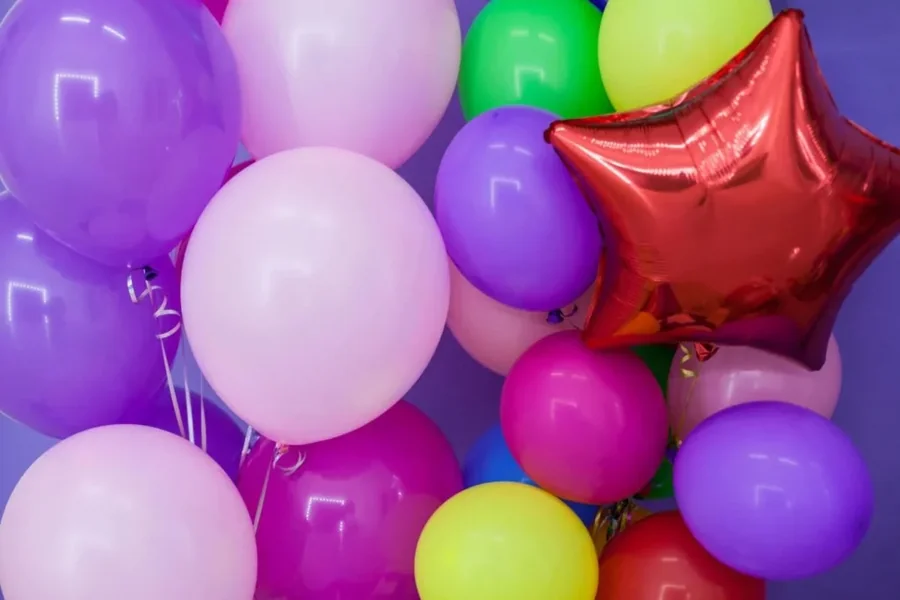
Professional decorators and event coordinators work under real logistical pressure. Supplies need to perform predictably, materials must suit the environment, and every visual element contributes to the overall impression a client walks away with. Among the many materials that pass through a decorator’s hands, balloon ribbon is one of the most overlooked in terms of intentional selection. It is often chosen by habit, default supplier stock, or whatever happens to be on hand. That approach introduces inconsistency, particularly when decorating large events, outdoor settings, or branded activations where visual coherence and durability are not optional.
Understanding how to select balloon ribbon based on the specific demands of each event type is a practical skill with real consequences for how a setup holds together and how it photographs, interacts with space, and survives the duration of the event itself. This checklist is built for professionals who want a structured way to think through their material choices before committing to an order or pulling from inventory.
Why Ribbon Selection Is a Functional Decision, Not an Aesthetic One
Most decorators treat ribbon as a finishing touch. In reality, the ribbon you choose does functional work. It holds tension, manages float behavior, interacts with temperature and humidity, and carries visual weight. A poorly matched ribbon — even in the right color — can cause balloon clusters to sag, drift unpredictably, or tangle in ways that require on-site corrections. This consumes setup time and can affect the final layout in ways that are difficult to reverse once guests arrive.
For professionals building out their material selection process, a reliable Balloon Ribbon guide at can serve as a useful reference point for understanding the range of ribbon types available across different event categories. The value of such references is not just product discovery — it is the framework they provide for matching ribbon characteristics to specific use conditions.
Ribbon selection becomes especially important when you are working with helium-filled latex balloons versus foil balloons, or when installations are intended for outdoor use where wind and direct sunlight introduce performance variables that indoor materials simply are not built for. Treating ribbon as a functional material rather than a decorative one is the first shift in thinking that separates consistent work from reactive work.
Understanding Ribbon Behavior Under Event Conditions
Every event environment creates its own physical conditions. An air-conditioned ballroom with stable temperature behaves very differently from an outdoor garden ceremony on a warm afternoon. Ribbon materials respond to these conditions in ways that affect their grip on balloon ties, their tendency to stretch or slip, and their structural contribution to any tied or clustered arrangement.
Curling ribbon, for example, tends to lose its curl in high humidity or when exposed to sustained heat. A ribbon that held its shape perfectly in your workroom may arrive at the event looking flat and unfinished. Satin-finish ribbons maintain their appearance more reliably in humid conditions but may not curl at all if the installation calls for that effect. Knowing which ribbon behaves how — and under what conditions — is not trivia. It is a judgment call that affects deliverables.
Event Type as the Starting Point for Ribbon Selection
Different events create different visual and structural expectations. A children’s birthday party, a corporate product launch, and a wedding reception all involve balloons, but they require ribbon choices that serve different purposes. The ribbon that reads well in a playful, high-color children’s setting may look out of place in a minimal, brand-controlled corporate environment. Decorators who build their ribbon selection process around event type avoid a significant source of visual inconsistency.
For weddings and formal events, the ribbon is often visible up close and in photographs. This means texture, sheen, and finish carry weight. A ribbon that photographs as flat or cheap — even if it functions perfectly — can undermine the broader design. For corporate events, the ribbon is more often a structural element than a visible one, hidden in balloon bouquets or used primarily to anchor balloons to weights. In that context, strength and color accuracy relative to brand standards matter more than visual texture.
Children’s Events and High-Volume Consumer Settings
Children’s parties and community events typically involve high balloon counts, fast setup timelines, and an audience that interacts physically with the décor. In these environments, ribbon needs to be easy to cut, resistant to fraying at the cut end, and inexpensive enough to support volume without affecting margins. The color range needs to be broad and saturated, as these events typically use primary and secondary colors at full intensity.
Durability in the context of a children’s event also means resistance to pulling. Children grab ribbons, which places tension on both the tie and the ribbon material itself. Thin, low-weight ribbon that is appropriate for a formal table arrangement may not hold reliably in this setting. Choosing a slightly heavier ribbon for events where physical interaction is expected is a straightforward way to reduce the number of balloons that come loose during the event.
Corporate and Branded Installations
Corporate events introduce a different set of requirements. Brand color accuracy is often non-negotiable, which means the ribbon’s color must read consistently under the specific lighting of the venue — whether that is warm incandescent, cool fluorescent, or natural daylight. Some ribbon colors shift noticeably under different light conditions, which can create a visual mismatch with printed materials, stage backdrops, or branded tablecloths.
In addition, corporate installations often require that balloons remain in position for extended periods — sometimes across multi-day conferences. The ribbon used to anchor balloons to weights or structures needs to maintain its tension hold without relaxing over time. Ribbon that loosens gradually will cause balloon arrangements to shift or rise unevenly, which looks unprofessional in a setting where the décor is expected to remain static and polished.
Outdoor Events and the Environmental Performance Problem
Outdoor balloon ribbon use is one of the highest-risk scenarios a decorator faces. The combination of UV exposure, wind movement, temperature change, and moisture creates conditions that reveal material weaknesses quickly. According to general principles of polymer degradation well-documented in materials science, including references available through resources like Britannica’s overview of polymer materials, synthetic ribbons exposed to UV and heat over time can lose tensile strength and become brittle — a direct concern for outdoor decorators who rely on ribbon to maintain structural integrity across several hours.
Choosing ribbon for outdoor use means prioritizing materials that are UV-resistant where possible, have a heavier construction than standard indoor ribbon, and are tested for performance in wind conditions. Lightweight curling ribbon used indoors is often inadequate for outdoor bouquets in even moderate wind. The balloon will float, but the ribbon may not anchor it reliably to a weighted base, especially if the knot is under repeated directional stress.
Color Stability and Visual Consistency in Sun Exposure
Outdoor sunlight bleaches ribbon colors. This is a known issue with many synthetic ribbon dyes, and while it may not matter for a four-hour outdoor birthday party, it becomes a real concern for multi-day outdoor festivals, market installations, or sports events where the décor is expected to remain in place. Saturated colors — particularly reds, pinks, and purples — are most vulnerable to fading under prolonged UV exposure. Choosing ribbon with documented color stability for outdoor applications protects the visual result of the installation as the event progresses.
Quantity, Consistency, and Supplier Reliability
Large event installations require ribbon consistency across rolls. When the same color is sourced from multiple batches or different suppliers to meet a volume requirement, color variation becomes a visible problem — particularly in overhead or clustered balloon arrangements where many ribbons appear in close proximity. Slight differences in sheen or dye depth that appear minor on individual rolls become obvious when the ribbons are installed together.
For decorators who work at volume, establishing a single supplier relationship for key balloon ribbon colors used across recurring event types is a practical way to manage this risk. Batch-to-batch consistency is not guaranteed across all suppliers, and the cost of color mismatches in a completed installation — in terms of re-purchase, re-tie, or client trust — is higher than the cost of a slightly more controlled procurement process.
Pre-Event Checklist for Ribbon Selection
Before committing to a ribbon selection for any event, a structured pre-event review reduces the likelihood of on-site problems. The following checklist items reflect the core functional decisions that affect ribbon performance:
- Confirm whether the event is indoors or outdoors and identify specific environmental risks such as wind, humidity, or direct sun exposure.
- Match ribbon weight and construction to the balloon type being used — helium latex, helium foil, and air-filled balloons place different demands on ribbon materials.
- Verify color accuracy under venue lighting before finalizing color selection, particularly for branded or formal events.
- Account for the duration of the installation — a balloon arrangement held for two hours requires different ribbon performance than one held for two days.
- Assess whether the ribbon will be visible to guests up close or primarily serve a structural anchoring function, and select finish accordingly.
- Confirm that your ribbon inventory for the event comes from consistent batches to avoid visible color variation across the installation.
Closing: Building Consistency Into Ribbon Selection
Balloon ribbon rarely gets the attention that balloon colors, shapes, or arrangements receive in the planning process. But the ribbon holds the arrangement together — literally and visually. When the wrong ribbon is used for the event type, the environment, or the duration, the consequences show up in real ways: balloons that drift or sag, colors that photograph inconsistently, or arrangements that look polished in setup but diminished by the time the event is in full swing.
The checklist approach described here is not about making ribbon selection complicated. It is about making it intentional. Decorators who take a few minutes before each event to evaluate ribbon needs against event conditions, venue environment, and visual requirements consistently produce more stable, more coherent results than those who treat ribbon as an afterthought. Over time, that consistency becomes part of how their work is recognized and trusted by repeat clients.
Selecting the right balloon ribbon is a small decision with compounding effects. Done well, it is invisible. Done poorly, it becomes the first thing that quietly undermines everything else in the room.