
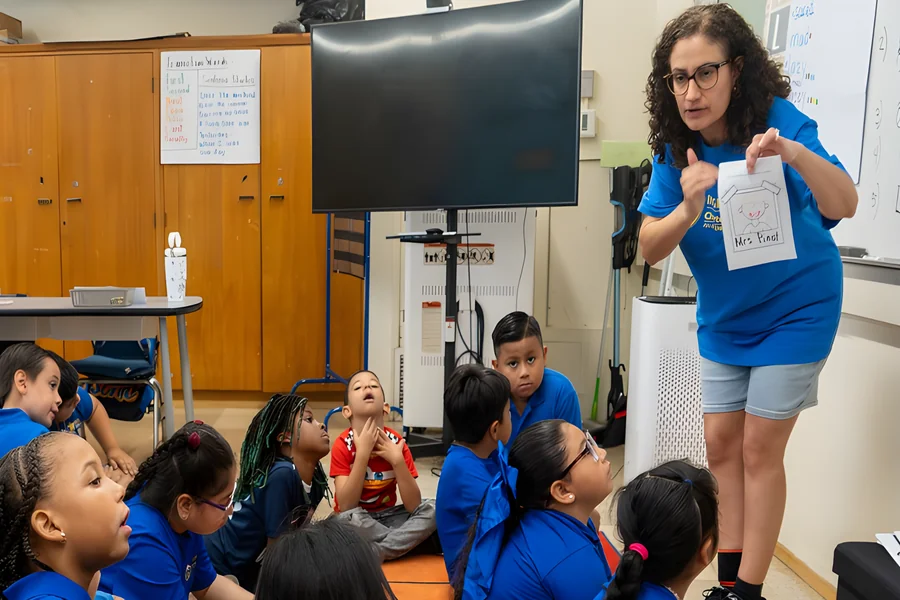
Many Brooklyn families begin their school search by looking at rankings, tuition, and recommendations from other parents. While these details can be helpful, they do not fully reflect what a child will experience each day once the school year begins.
A great reputation or a well-polished tour doesn’t always reflect the true character of a classroom. In Brooklyn, where families have access to everything from neighborhood public schools to independent early learning programs, the subtle distinctions in how children speak to one another or how teachers guide transitions can mold a child’s confidence and long-term development.
A truly strong school is less about its facilities or name recognition and more about how it helps children grow into capable, independent learners. The sections below outline what parents should pay closer attention to when evaluating their options.
Classroom Environment is More Important Than Parents Realize
Parents who want to compare schools effectively should spend time observing the classroom learning environment, not just curriculum outlines.
A productive, structured classroom nurtures focus, curiosity, and independence. You should see students engaged in thoughtful activities, teachers leading with warmth and clarity, and an overall sense of purpose guiding the day.
There is a clear difference between passive supervision and intentional instruction. In stronger classrooms, teachers guide discussions, manage routines with purpose, and encourage active learning throughout the day. Younger children benefit especially from classrooms built around engagement, routine, and guided learning.
Small Class Sizes Are About More Than Convenience
Many Brooklyn families looking to compare elementary or other schools recognize the appeal of smaller classrooms. However, few fully realize why they’re so significant.
Schools with small class sizes create space for meaningful teacher interaction. Educators can adjust lessons quickly, encourage quieter students to participate, and challenge advanced learners more thoughtfully. No student becomes just another face in the room.
These settings also strengthen communication and self-expression. Students feel more comfortable contributing to discussions and taking academic risks when they know their teacher understands them. Likewise, teachers can guide behavior effectively because they have a clearer sense of each child’s strengths, needs, and personality.
In schools that emphasize small-group, interactive instruction, such as Brooklyn School of Excellence, this personalized attention becomes part of the culture and helps children build stronger academic and social foundations.
The Importance of Organized Early Learning Programs
One of the most overlooked distinctions among early education options in Brooklyn is whether a school offers structured learning or operates more like passive childcare.
Intentional Learning vs. Passive Supervision
Great schools plan each day for discovery and skill-building. Teachers follow learning plans that weave academic, emotional, and social goals into every routine. The lessons are purposeful yet play-based to make sure the children develop discipline along with creativity.
By contrast, passive environments tend to focus more on monitoring behavior or filling time, rather than guiding development. The distinction may seem small, but it shapes how confidently a child enters school.
School Readiness Development
Effective programs actively foster early literacy and language skills through guided reading, storytelling, and structured discussion. Children practice listening carefully, asking questions, and expressing ideas clearly. Teachers also introduce problem-solving activities and structured transitions to prepare children for more structured classroom learning and future academic transitions.
Confidence, Independence, and Emotional Growth
Structured classrooms support creativity by giving children secure routines to explore within. As young learners master responsibilities, from organizing materials to helping peers, they become more self-assured and resilient.
Schools like Brooklyn School of Excellence design their early years around intentional learning to help students step confidently into academic challenges rather than being overwhelmed by them.
How Schools Support Different Learning Needs
Every child develops in their own way. A strong school recognizes this diversity and establishes systems to support it.
During admissions conversations, parents should ask how teachers identify learning challenges early and what steps the school takes next. Schools should also explain how they provide additional support in day-to-day classroom settings and how they adapt instruction when students need more individualized attention.
Even without formal in-house special education programs, schools can still provide meaningful support through small-group instruction, teacher observation, progress tracking, individualized check-ins, and consistent family communication. Some schools also maintain close communication with families to help support a child’s progress both inside and outside the classroom.
What Parents Should Ask About Student Support Systems
Support goes beyond academics. Parents should ask how the school nurtures confidence, resilience, and a growth mindset.
Questions might include:
- How does the school monitor student progress throughout the year?
- What happens when a child faces academic or behavioral challenges?
- How are teachers supported to respond effectively to different needs?
The most reliable schools maintain transparent communication about each child’s growth and partner with families to reinforce learning at home. When structured support systems exist, children feel more secure and motivated.
Enrichment, Clubs, and Life Skills Are Largely Undervalued
Academic learning forms one pillar of development. However, enrichment programs often tell a deeper story about a school’s philosophy.
Programs such as art, music, language immersion, robotics, gardening, and collaborative projects encourage children to think creatively and engage with the world beyond worksheets. They also help students strengthen communication, teamwork, leadership, and problem-solving skills.
When comparing schools, parents should ask whether such programs are integrated into weekly routines or treated as optional extras. Schools that make enrichment part of their daily rhythm tend to produce happier, more confident learners eager to participate in the wider community.
The Role of School Culture and Community
Culture is the invisible thread connecting every aspect of a school’s experience. Strong cultures value kindness, respect, and partnership between families and staff.
For Brooklyn families, where neighborhoods can feel like extended communities, school culture is incredibly significant. Parents want schools to balance high expectations with warmth and open communication. When teachers, parents, and children feel part of the same mission, learning becomes far more meaningful.
Events that bring families together, teacher accessibility, and transparent communication foster trust. And trust builds stability.
Visiting Schools: What to Pay Attention To
During tours or open houses, observation is your best tool. Ask yourself:
- Do students seem excited and engaged?
- Is the classroom orderly but lively?
- Do teachers address students by name and interact warmly?
- Are transitions calm and purposeful?
Pay attention to how the school communicates expectations and how students respond to them.
Because Brooklyn schools vary greatly in philosophy, classroom structure, and early learning approach, these firsthand impressions matter far more than a brochure or online ranking. A school visit gives parents the clearest picture of whether an environment truly fits their child’s personality and learning style.
Common Mistakes Parents Make When Evaluating Schools
Many families put too much emphasis on convenience or reputation while overlooking daily classroom life. Others assume that all early learning programs offer the same foundation of structure and intentional teaching.
Avoid waiting until deadlines to schedule visits, and don’t hesitate to ask questions about teaching methods, student-teacher ratios, and how communication works between home and school. Remember: structure, engagement, and emotional support are every bit as important as curriculum content.
A Final Checklist Before Making a Decision
Before making your decision, consider these questions:
- Does the school provide structured, purposeful learning each day?
- Are class sizes small enough for true individualized attention?
- Are enrichment and life skills built into the program?
- Does the environment support confidence, independence, and communication?
- Does the school community feel safe, welcoming, and balanced?
These points provide a strong framework for comparing schools with both heart and clarity.
Choose a School That Builds Both Knowledge and Character
Education impacts how children view themselves and the world. The most reputable schools cultivate empathy, confidence, and curiosity through small class sizes and intentional teaching.
As you compare Brooklyn private schools, preschool programs, early learning environments, and elementary options, look beyond the surface and hone in on how classrooms truly operate day to day. Observe how teachers engage, how children participate, and how individuality is supported.
Schools such as Brooklyn School of Excellence reflect this type of balanced approach through intentional early learning, small class sizes, and individualized classroom attention.
When parents choose schools that nurture both knowledge and character, they give their children the foundation for a lifetime of confidence and curiosity.