
The Ivy League represents a group of eight private universities in the United States known for their academic excellence, rich history, and global influence. Names like Harvard, Yale, Princeton, and Columbia instantly evoke a sense of prestige that transcends borders. But what exactly makes these universities stand out among thousands of higher education institutions worldwide?
Historical Background
The story of the Ivy League begins not with academics, but with sports. Originally formed as an athletic conference in the mid-20th century, the term quickly came to represent much more than athletic competition.
Most Ivy League universities were established long before the United States even existed — Harvard in 1636, Yale in 1701, and Princeton in 1746. Their deep historical roots and association with the early shaping of American education helped build a foundation of trust and authority that continues to this day. Tradition plays a major role in the prestige of the Ivy League, where centuries-old customs still meet cutting-edge innovation.
Academic Excellence
One of the strongest pillars of Ivy League prestige lies in their commitment to academic rigor. These universities attract some of the world’s most brilliant minds — both students and professors — creating an environment where ideas constantly evolve and challenge boundaries.
Small class sizes, individualized attention, and access to world-class research facilities make studying at an Ivy League institution a unique intellectual experience. Whether it’s groundbreaking discoveries in medicine or influential research in economics and social sciences, these universities set academic standards that many others strive to follow.
Selective Admissions
Gaining admission into an Ivy League school is often seen as a dream for ambitious students around the world. Acceptance rates typically fall below 10%, making entry extremely competitive. Admissions officers evaluate applicants holistically — considering not just grades and test scores, but also essays, recommendations, and extracurricular involvement.
However, not all Ivy League schools are equally difficult to enter. For instance, Cornell University is often referred to as the easiest Ivy League school to get into, though its acceptance rate is still far more selective than most universities globally. This slight variation in selectivity adds another layer to the Ivy League’s complex prestige — each school has its own personality, strengths, and areas of focus, attracting different kinds of high achievers.
Distinguished Alumni
The reputation of Ivy League schools is closely tied to their graduates. Many world leaders, Nobel Prize winners, entrepreneurs, and artists began their journeys at these institutions. From U.S. presidents and Supreme Court justices to groundbreaking scientists and influential writers, Ivy League alumni have made lasting contributions to nearly every field.
These accomplished individuals continue to reinforce the image of excellence, creating a powerful cycle where success breeds further prestige.
Research and Innovation
Research is at the heart of Ivy League education. These universities invest heavily in scientific, technological, and social advancement, often collaborating with governments and industries to address global challenges. Their discoveries shape everything from medicine and law to artificial intelligence and environmental science. This dedication to progress strengthens their academic reputation and ensures that Ivy League schools remain leaders in knowledge creation.
Global Recognition and Influence
Beyond the United States, the Ivy League holds a unique position in global education. International students view these schools as symbols of opportunity, leadership, and influence. Their names frequently appear at the top of global university rankings, and their graduates are recognized across borders. This worldwide visibility reinforces their status as educational benchmarks.
Campus Culture and Tradition
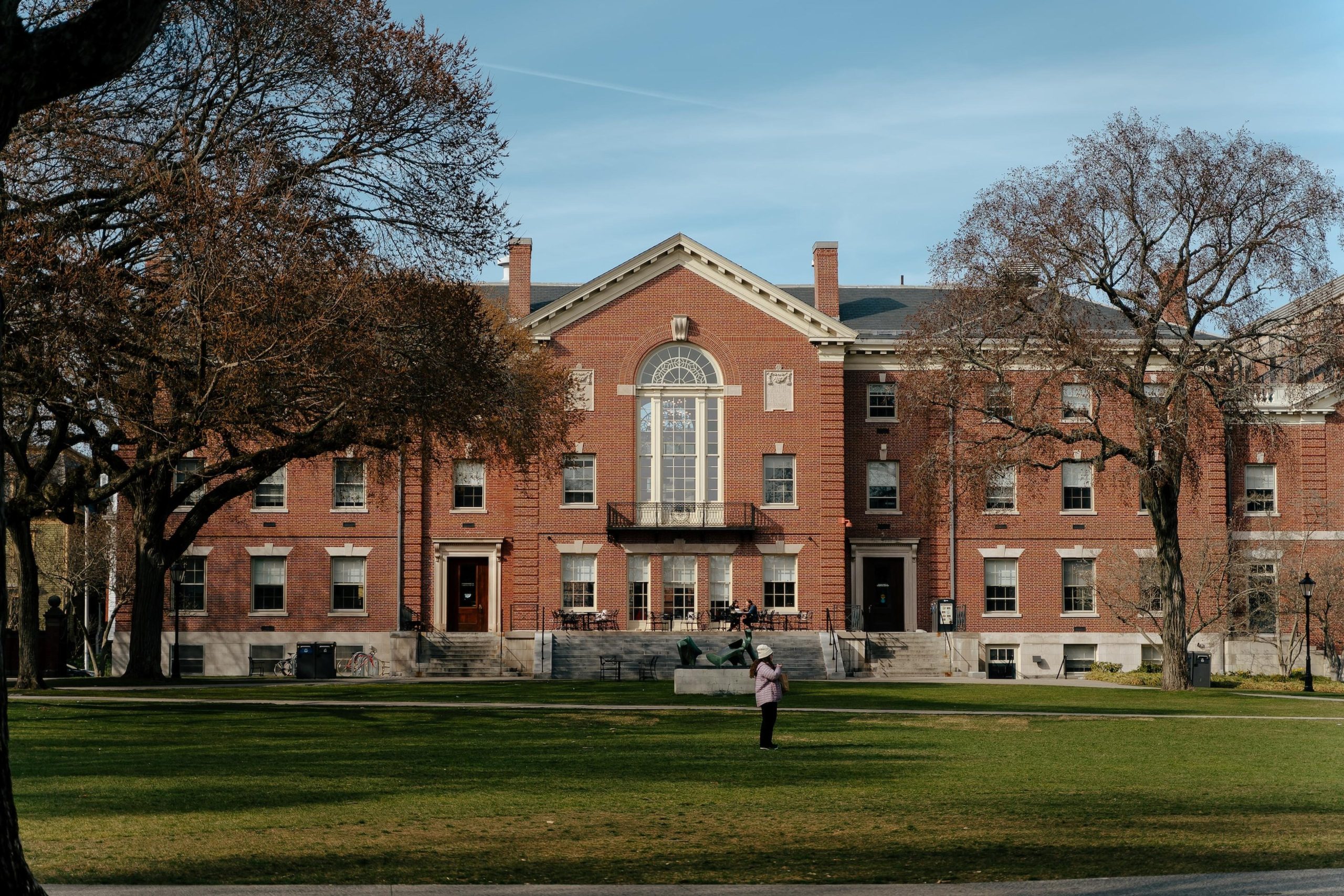
Stepping onto an Ivy League campus often feels like entering a living museum of knowledge and tradition. Gothic libraries, ivy-covered buildings, and long-standing ceremonies give these institutions a timeless character. Students experience a strong sense of belonging to something historic, where academic excellence meets community pride. These traditions create emotional connections that continue long after graduation.
The Power of Networking
An Ivy League degree is often as valuable for its connections as for its academics. The alumni networks formed within these universities are among the most influential in the world. Graduates benefit from lifelong relationships that open doors in business, academia, politics, and beyond. This tight-knit network helps maintain the Ivy League’s social and professional influence across generations.
Criticism and Changing Perspectives
While the Ivy League remains a symbol of excellence, it is not without criticism. Some argue that its prestige is rooted more in history and exclusivity than in modern educational innovation. Others point to growing competition from non-Ivy institutions that offer comparable quality and diversity. As education evolves, Ivy League schools face increasing pressure to remain accessible, inclusive, and relevant to a changing world.
Conclusion
The prestige of Ivy League schools is a product of history, academic rigor, influential alumni, and cultural impact. Their centuries-old traditions merge with modern innovation to create an enduring symbol of excellence. Though the concept of prestige may continue to evolve, the Ivy League’s legacy remains one of the most powerful in global education.