
Regular vehicle upkeep is crucial for maintaining performance, safety, and longevity. Seasonal changes, particularly the transitions between spring and fall, introduce varying conditions that can impact a car’s systems in multiple ways. From fluctuating temperatures to increased road debris and precipitation, each season presents unique challenges that can strain tires, brakes, and engine components. We will explore how preparing your vehicle for these shifts helps prevent breakdowns, improve fuel efficiency, and ensure safer driving. By following a structured maintenance checklist during these periods, drivers can proactively address potential issues, extend their vehicle’s lifespan, and avoid costly emergency repairs. Seasonal auto care is not merely a convenience; it is an essential aspect of responsible vehicle ownership.
Tire Inspection and Maintenance
Tires are the primary point of contact between your car and the road, making their condition critical for safety. Seasonal changes can affect tire pressure, tread wear, and overall performance. Cold temperatures in the fall can reduce tire pressure, while spring rains may demand optimal tread depth for better traction. Checking tire pressure regularly, inspecting for uneven wear, and rotating tires can prevent premature damage. Additionally, assessing tire alignment ensures that the vehicle handles properly, reducing strain on suspension components. Expert Auto Care of Oklahoma City, OK recommends ensuring tires are suited for seasonal conditions, whether by maintaining all-season tires or considering alternatives for extreme weather, to contribute to safer driving and improve fuel efficiency. Neglecting tire care can result in poor handling, longer braking distances, and an increased risk of accidents.
Fluid Levels and Cooling System
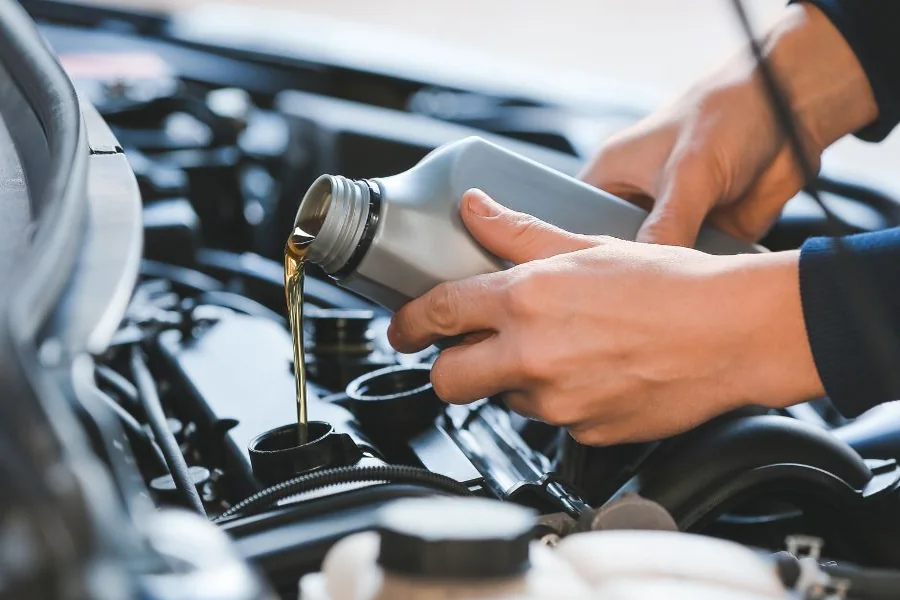
Fluids are essential to a vehicle’s performance and longevity, with seasonal shifts often affecting their efficiency. Engine oil, transmission fluid, brake fluid, and coolant must be checked regularly to ensure proper levels and quality. Fall often signals the need for antifreeze checks, protecting the engine from cold weather damage, while spring may require attention to coolant condition after winter driving. Brake fluid absorbs moisture over time, so inspecting and replacing it can prevent brake system failures. Transmission fluid ensures smooth gear changes, and proper oil maintenance prevents engine wear caused by temperature fluctuations. Monitoring these fluids protects key components from corrosion, overheating, or mechanical failure, making fluid checks a cornerstone of seasonal maintenance.
Brake System Evaluation
The braking system is vital for safe operation, and seasonal transitions can expose hidden weaknesses. Wet or icy conditions in fall and spring increase the need for responsive brakes. Checking brake pads, rotors, and calipers for wear and damage is crucial. Worn components reduce stopping power and increase the risk of accidents. Brake lines should also be inspected for leaks or corrosion, particularly after exposure to winter salt or spring rains. Ensuring the braking system is fully functional during seasonal changes prevents unexpected failures and supports confident driving. Regular brake inspections not only enhance safety but also avoid more costly repairs that can result from neglect.
Battery Health and Electrical Systems
Seasonal temperature shifts place additional stress on vehicle batteries and electrical systems. Cold weather in the fall can reduce battery capacity, while spring heat may accelerate corrosion. Testing battery voltage and cleaning terminals ensures reliable starting power. Alternators and wiring should be checked for signs of wear or loose connections. Proper battery maintenance prevents roadside breakdowns and ensures the vehicle’s electrical components, such as lights and climate-control systems, function properly. Seasonal attention to these elements reduces the likelihood of inconvenient failures and enhances overall driving reliability. Battery care also extends the life of the charging system and other electrical components, supporting smooth operation throughout the year.
Wiper Blades and Visibility Systems
Visibility is a key factor in safe driving, particularly during spring rains and fall storms. Wiper blades often wear out over time, leaving streaks or reducing clearing effectiveness. Replacing worn blades ensures the windshield remains clear, minimizing distractions and improving reaction time. Headlights, taillights, and turn signals should also be inspected and cleaned, as weather and debris can reduce brightness and effectiveness. Foggy conditions, early sunsets in fall, and rainy spring days demand fully operational lighting systems. Regular attention to visibility components enhances safety and reduces the risk of accidents caused by poor sightlines. Proper maintenance of these systems contributes significantly to driver confidence under changing seasonal conditions.
Heating, Air Conditioning, and Climate Control
Vehicle climate systems require seasonal adjustments to function optimally. The heating system should be tested in the fall to ensure defrost and interior warmth are effective during colder months. Similarly, air conditioning should be evaluated in spring to maintain comfort during warmer days. Inspecting hoses, belts, and refrigerant levels ensures consistent performance and prevents system strain. Seasonal maintenance of climate control systems protects passengers from extreme temperatures and helps prevent mechanical issues caused by sudden weather changes. A well-functioning climate system also reduces fogging on windows, enhancing visibility and safety while driving in variable conditions.
Seasonal auto maintenance plays a pivotal role in keeping vehicles safe, reliable, and efficient. By addressing tires, fluids, brakes, batteries, visibility systems, climate control, and suspension components during spring and fall, drivers can prepare their cars for changing conditions and extend their lifespan. Expert Auto Care provides a comprehensive checklist to guide these seasonal preparations, helping vehicle owners prevent minor issues from becoming major repairs. Regular maintenance fosters safer driving, improves performance, and provides peace of mind, enabling owners to navigate seasonal challenges with confidence. Proactive care is not merely routine; it is a practical investment in vehicle reliability and personal safety, promoting consistent performance and reducing long-term costs.