
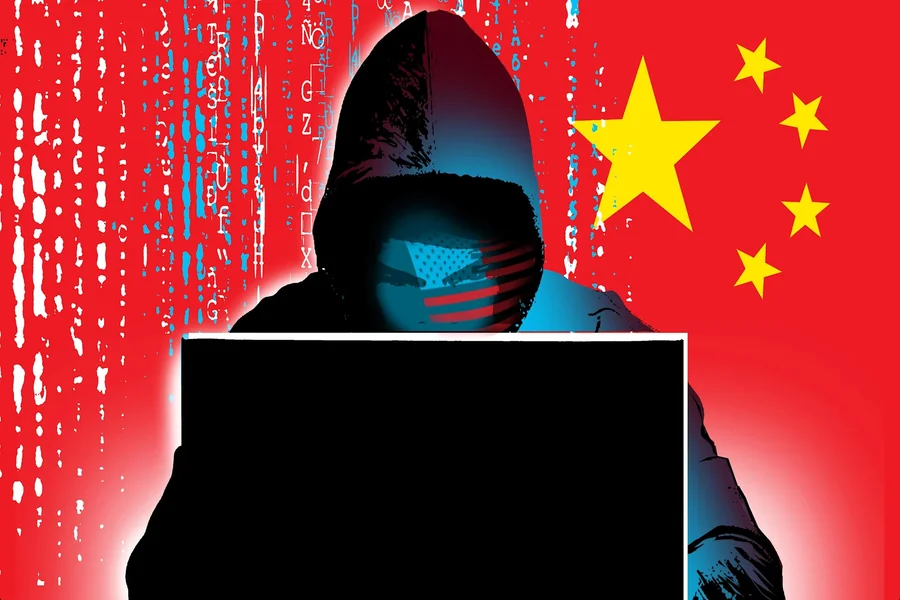
In the vast expanse of the digital universe, the most formidable threats are not the ones that announce their presence with flashing screens and ransom demands, but rather the silent operators that function in the shadows. These covert digital programs infiltrate systems undetected, residing quietly within network infrastructures to harvest data, monitor communications, and establish backdoors for future attacks. They exploit the complexity of modern software ecosystems and the trusting nature of users, turning legitimate devices into tools of espionage and sabotage without the owner ever realizing a breach has occurred.
The Blur Between Personal and Professional Networks
The rapid shift to remote operations has dismantled the traditional security perimeter, merging the chaotic environment of home networks with the structured security of corporate systems. Employees now access sensitive databases from the same Wi-Fi networks used by smart televisions, gaming consoles, and unsecured personal appliances. This convergence creates a fertile ground for covert programs to jump from a vulnerable personal device onto a secure corporate endpoint.
Attackers actively exploit this lack of visibility. A compromised home router can serve as a silent listening post, intercepting traffic before it even reaches the corporate VPN. To counter this, organizations must adopt specific and effective malware prevention and mitigation strategies that focus on endpoint hardening and zero-trust verification rather than relying solely on perimeter firewalls. This ensures that security travels with the device, regardless of the network to which it connects.
Malicious Scripts That Leave No Trace
One of the most sophisticated evolutions in covert programming is the rise of fileless threats. Unlike traditional viruses that install a distinct file on the hard drive, these programs exist solely in the computer’s temporary memory (RAM) or leverage built-in administrative tools.
Attackers exploit legitimate system utilities, such as PowerShell or Windows Management Instrumentation (WMI), to execute malicious commands. Because no new software is installed, traditional antivirus scanners that look for file signatures often fail to detect anything amiss.
The code executes, performs its task (such as stealing passwords or downloading a payload), and vanishes when the system is rebooted, leaving almost no forensic trail behind. The Cloud Security Alliance (CSA) publishes research on how these ephemeral threats target cloud-connected environments.
Subverting the Operating System Kernel
Rootkits represent the apex of stealth technology in cybercrime. These programs are designed to burrow deep into the operating system, often replacing essential kernel files or drivers. By operating at this fundamental level, a rootkit can effectively control what the operating system “sees” and reports to the user.
When a user opens the Task Manager to check for suspicious processes, the rootkit instructs the system to hide its own presence from the list. It can intercept antivirus scans and feed them false information, stating that all files are clean. Removing these entrenched threats is notoriously difficult, often requiring a complete wipe of the hardware or specialized boot-time scanners that run before the operating system loads.
The Surveillance Economy of Spyware
Spyware is a category of covert software specifically engineered to gather information without consent. While sometimes deployed by cybercriminals to steal banking credentials, it is also found in the form of aggressive advertising trackers and “stalkerware” used in domestic espionage.
Once installed, often bundled with free software downloads, spyware runs quietly in the background. It can log every keystroke typed, capture screenshots at regular intervals, and activate the microphone or webcam.
The data collected is transmitted to remote servers, building a comprehensive profile of the victim’s digital life. This invasion of privacy poses severe risks to intellectual property and personal safety alike. For resources on identifying and removing intrusive surveillance software, the Electronic Frontier Foundation (EFF) offers extensive guides on digital privacy protection.
The Zombie Network Phenomenon
Botnet malware transforms a device into a mindless drone under the control of a remote “botmaster.” The user may notice their computer running slightly slower or their internet connection lagging, but otherwise, the device functions normally.
However, in the background, the device is participating in large-scale criminal activities. It might be sending thousands of spam emails, participating in distributed denial-of-service (DDoS) attacks against government websites, or assisting in brute-force password cracking campaigns. The covert nature of the botnet agent ensures the device owner remains unaware that they are an accomplice to global cybercrime.
Detecting the Undetectable
Since these programs are designed to evade standard detection methods, identifying them requires a shift toward behavioral analysis. Security teams must stop looking for specific “bad files” and start looking for “bad behavior.”
- Heuristic Analysis: Algorithms that examine code for suspicious instructions, even if the file is unknown.
- Network Anomalies: flagging devices that communicate with known malicious IP addresses or transmit data at unusual times.
- Process Monitoring: identifying legitimate programs (like Word or PowerShell) that are attempting to launch unrelated processes or modify system files.
Conclusion
The covert digital programs that compromise security are successful precisely because they do not draw attention to themselves. They thrive on the assumption that if a computer is running smoothly, it is secure. Uncovering these hidden threats requires a proactive stance that combines advanced behavioral monitoring, strict and rigorous patching of vulnerabilities, and a healthy skepticism of any software that enters the network ecosystem. By illuminating the dark corners of our digital infrastructure, we can root out these invisible parasites before they cause irreversible damage.
Frequently Asked Questions (FAQ)
- How do fileless threats persist if they are only in RAM?
They use persistence mechanisms like modifying the Windows Registry or creating scheduled tasks. These mechanisms instruct the computer to re-download or re-execute the malicious script from the internet every time the computer restarts.
- Can a slow computer be a sign of a covert infection?
Yes. While not definitive, a sudden and unexplained drop in performance often indicates that hidden background processes (like cryptomining or botnet activity) are consuming system resources.
- What is the danger of “stalkerware”?
Beyond the immediate loss of privacy, stalkerware often stores the collected data (location, messages, photos) on insecure servers. This means the victim’s intimate data can be easily breached by third-party hackers, compounding the risk. (The United Nations Office on Drugs and Crime (UNODC) tracks the intersection of cybercrime and privacy violations globally).