
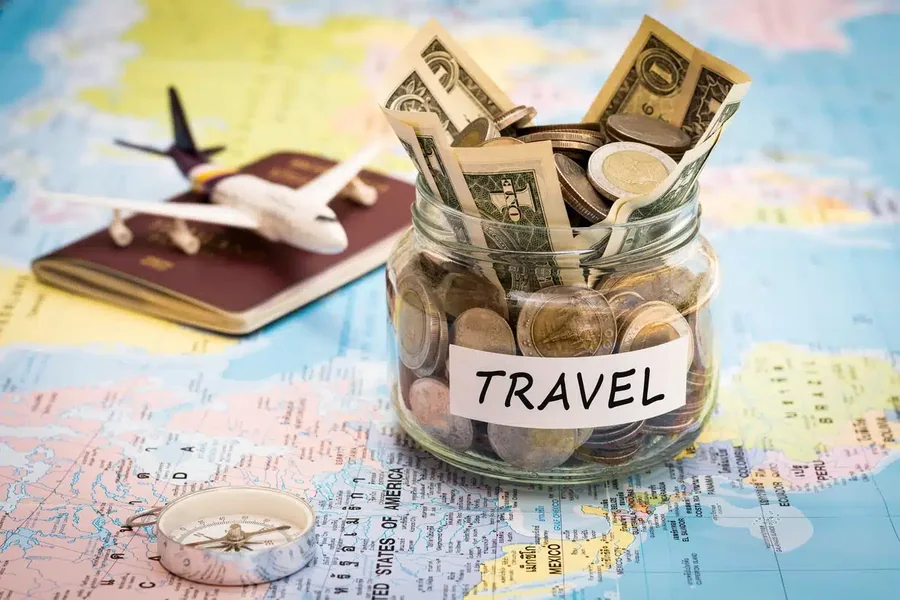
Slow travel is no longer just a niche trend. It is a mindful approach to exploring the world that prioritises deep cultural connections over frantic sightseeing. When you choose to linger in a single destination for weeks or months, you uncover the authentic rhythms of local life. You build real relationships and step away from the exhausting pace of standard tourism. This leisurely approach has significant psychological benefits, allowing you to mentally decompress and truly absorb your surroundings without the stress of rigid itineraries. However, funding an extended journey requires more than just saving up for flights and accommodation. It demands a strategic approach to your daily finances to ensure your travel budget stretches as far as your wanderlust.
Structuring Your Everyday Spending
The most significant drain on a long-term travel budget often comes from invisible costs. Every time you tap your card for a coffee or withdraw cash at a local market, you could be losing money to hidden bank charges. According to financial experts at NerdWallet, standard credit cards often levy a foreign transaction fee of around 3 percent on overseas purchases. While a few cents might not seem alarming on a short holiday, these percentage-based fees accumulate rapidly during an extended stay. Over the course of three months abroad, these surcharges can easily eat up funds that could have paid for an entire week of accommodation or a memorable cultural tour.
Protecting your funds means re-evaluating the plastic in your wallet long before you leave home. You need financial tools specifically designed for international use. Selecting the right card can completely eliminate currency conversion fees and even offer additional perks like built-in coverage for unexpected travel mishaps. It is crucial to review your current bank accounts and consider whether they align with your long-term travel goals.
When comparing your options, looking at established banks is a smart first step. For example, exploring offerings from institutions like can help you find products that waive international transaction fees and provide complimentary travel insurance. By setting up your accounts correctly from day one, you keep more of your Australian dollars in your pocket to spend on memorable experiences. A reliable card not only offers financial security but also gives you the freedom to transact confidently anywhere in the world.
Essential Budgeting Steps for Extended Trips
A meaningful slow travel experience relies heavily on realistic financial planning. Without a clear strategy, it is easy to overspend in the initial weeks of your journey. To maintain financial peace of mind as you move across borders, consider implementing a few core budgeting habits.
- Track your daily outgoings: Use a dedicated expense app or a simple digital spreadsheet to log every transaction. Categorise your spending into strict essentials and discretionary items like weekend excursions.
- Negotiate long-term accommodation: Booking platforms often charge premium nightly rates suited for brief stays. Reaching out directly to hosts or local property managers for month-long leases can result in substantial discounts.
- Allocate an emergency buffer: Unexpected costs are an inevitable part of global exploration. Keep a dedicated portion of your savings untouched, ensuring you are prepared for medical emergencies or sudden itinerary changes.
- Embrace the local currency: Always choose to pay in the local currency when prompted by an international card machine. Allowing the merchant terminal to convert the transaction back to your home currency usually results in a poor exchange rate.
Maximising Value Through Authentic Immersion
The true beauty of slow travel is that it naturally aligns with cost-effective living. Rushing through multiple countries in two weeks forces you to rely on premium convenience services, expensive restaurants, and high-speed transport. Linger in one place, and you naturally start living like a local resident. You begin to understand the local economy, discovering where the best and most affordable goods are sold.
Instead of eating out for every meal, you can visit neighbourhood markets to buy fresh produce directly from local farmers. Learning to cook regional dishes in your own rented kitchen is not only much cheaper but also provides a deeply rewarding, immersive cultural experience. Similarly, taking public buses instead of private taxis reduces your transit costs while offering a window into everyday community life.
Community engagement also opens doors to affordable, authentic entertainment. Look out for free museum days, neighbourhood festivals, and community workshops. You will often find that the most profound travel memories, such as a heartfelt conversation with a local shop owner or a spontaneous walk through a quiet residential neighbourhood, cost absolutely nothing. These genuine interactions are the very essence of the slow travel philosophy.
Taking a mindful, unhurried approach to travel completely transforms the way you see and interact with the world. By implementing smart money habits early on, you remove the heavy burden of financial uncertainty from your global adventure. When your budget is well managed and protected from unnecessary fees, you are free to fully immerse yourself in the present moment. This allows you to create a sustainable travel lifestyle that is both financially responsible and deeply meaningful.