
Downtime rarely announces itself. It creeps in through small oversights, delayed inspections, or the assumption that a piece of equipment will survive “just one more shift.” In many workplaces, especially those relying on cleaning machines, warehouse tools, production equipment, or facility infrastructure, unexpected breakdowns can stall operations instantly. This is why many managers now rely on practical troubleshooting resources, such as guides on the best way to fix a floor sweeper, to keep essential machines running before issues grow into major disruptions. But even with good intentions, businesses often misunderstand what true preventive care requires.
Equipment care isn’t only about repairs. It’s about creating a system that prevents problems from emerging in the first place. And the most expensive mistakes aren’t always the obvious ones, they’re usually the silent habits that slowly erode reliability over time.
Businesses Forget That Preventive Care Starts Long Before Something Breaks
Many organizations approach maintenance reactively, assigning attention only after a machine stops working. But preventive care begins much earlier, during everyday use, cleaning, inspections, and proper storage.
The most overlooked preventive practices include:
- wiping machines after each use to prevent buildup
• monitoring small performance shifts
• replacing low-cost parts before they wear out
• storing equipment in temperature-appropriate spaces
• charging batteries correctly to preserve lifespan
These habits take minutes, yet they prevent hours, or days, of downtime. Research highlighted by the U.S. Department of Energy reinforces that preventive maintenance dramatically extends equipment life and improves efficiency, proving that early action is far more cost-effective than late repairs.
Businesses that ignore these steps unknowingly create the conditions for breakdowns. The machine doesn’t “suddenly stop working”, it fails after weeks or months of silent decline.
Small Performance Changes Are Warning Signs, Not Annoyances
A squeak, hesitation, or drop in power isn’t an inconvenience; it’s a signal. Many employees assume the machine just needs a “moment to warm up” or that the issue will go away on its own. In reality, these early signs often indicate loose parts, clogged pathways, worn brushes, weakening batteries, or internal stress.
Treating minor changes as harmless encourages bigger failures. Machines rarely jump from perfect condition to complete breakdown overnight. They decline gradually, and businesses that notice, but dismiss, those early signals increase their risk of expensive downtime.
Facilities that train their staff to recognize and report minor changes experience far fewer catastrophic failures. Awareness becomes a preventive tool.
Cleaning Is Maintenance, Not a Cosmetic Task
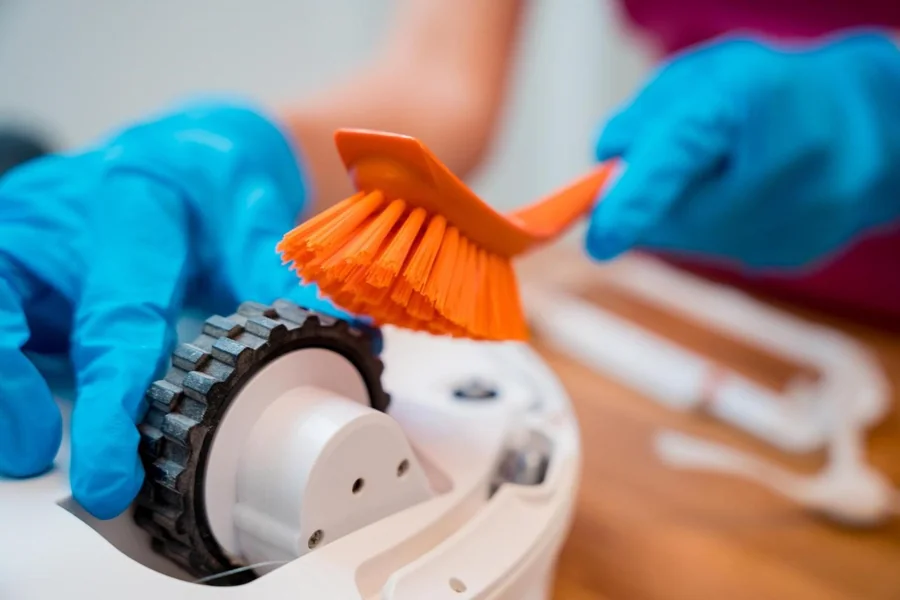
One of the biggest misconceptions about equipment care is the belief that cleaning is simply for appearance. Clean equipment not only looks professional; it operates better and lasts longer.
Dirt, dust, residue, and moisture:
- clog internal pathways
• wear down moving parts
• reduce suction or scrubbing power
• cause overheating
• weaken seals and connectors
In machines such as floor sweepers and scrubbers, debris buildup is one of the leading causes of early breakdowns. A quick cleaning routine after each use prevents long-term damage that often leads to operational shutdowns. When teams skip this step, they unintentionally shorten the lifespan of expensive assets.
Businesses Underestimate the Cost of Improvisation
When equipment slows down or breaks, many teams default to workarounds, manual cleaning, shifting tasks to other workers, delaying jobs, or reallocating teams. These improvisations may seem efficient at the moment, but they create hidden costs.
Operational improvisation leads to:
- longer task completion times
• uneven cleaning or performance standards
• increased labor fatigue
• workflow bottlenecks
• frustration among employees
The financial hit comes from lost productivity, inconsistent results, and the extra labor needed to compensate for malfunctioning equipment. A single day of improvisation can cost more than routine maintenance would have.
Training Gaps Lead to Avoidable Damage
Even advanced machines fail when handled improperly. Many businesses assume equipment is “intuitive” and does not provide detailed training. Without proper instruction, staff may:
- overload machines
• skip warm-up or cooldown cycles
• use incorrect cleaning chemicals
• forget to empty tanks or compartments
• store equipment in unsuitable conditions
These errors gradually break down internal components. Worse, they often go unnoticed because the damage accumulates slowly. Proper training turns every employee into a maintenance ally, reducing risk and improving the facility’s overall operational consistency.
Delayed Repairs Multiply the Damage
When early signs of trouble appear, postponing repairs often seems practical, especially during busy seasons. But delaying maintenance accelerates damage. A worn brush becomes a motor issue. A clogged filter becomes a complete system failure. A loose belt becomes a breakdown that halts operations.
Facilities that delay repairs inevitably face:
- higher parts costs
• longer repair times
• loss of warranty protection
• safety risks
• more machine downtime
In contrast, addressing issues promptly minimizes downtime and prevents one problem from creating several others. Quick action is the difference between a minor inconvenience and a workflow crisis.
Poor Maintenance Damages Employee Morale
Downtime doesn’t only disrupt operations, it affects the people doing the work. Employees rely on functioning equipment to perform their jobs efficiently and safely. When machines frequently break down, staff become frustrated, rushed, or discouraged.
This leads to:
- reduced job satisfaction
• lower productivity
• increased turnover
• inconsistent service quality
Workers want to feel supported, and working around broken equipment sends the opposite message. A strong maintenance culture gives employees confidence and stability.
Preventive Care Saves Money, Far More Than Businesses Expect
The financial benefits of preventive maintenance are significant:
- equipment lasts longer
• fewer emergency repairs are needed
• labor efficiency stays consistent
• safety risks decline
• operational flow remains intact
Even small daily actions preserve expensive assets and reduce long-term costs. Businesses that invest in preventive care see the same pattern: fewer surprises, lower expenses, and more predictable operations.
Preventive maintenance is not a cost, it’s a strategy.
Why Businesses Must Rethink Their Approach to Equipment Care
Downtime is not a technical problem; it’s a systems problem. When businesses treat maintenance as an occasional task instead of a fundamental operational responsibility, failures become inevitable. But when teams build strong habits, daily cleaning, early reporting, proper training, and timely repairs, machines perform longer, safer, and more reliably.
The businesses that thrive are not the ones that repair equipment quickly; they are the ones that prevent breakdowns altogether. By rethinking maintenance as an investment in long-term stability, organizations can eliminate the hidden costs of downtime and build stronger, smoother, more resilient operations.