

Key Highlights
- Performance upgrades are designed to boost your car’s power, handling, and overall driving experience.
- For car enthusiasts, starting with an exhaust system or suspension upgrades can offer a noticeable improvement.
- Engine efficiency and power can be significantly increased through modifications like new air intakes and ECU tuning.
- Upgrading your suspension and brakes is just as important as adding engine power for a balanced and safe vehicle.
- Before you start, always consider the legal considerations and warranty implications of any car modifications.
Introduction
Welcome to car modification! For enthusiasts, driving off the lot is just the beginning. Upgrading with performance parts lets you customise your vehicle and driving experience. Whether you want more power, better handling, or a more engaging ride, the right parts can transform your car.
Understanding Performance Car Parts
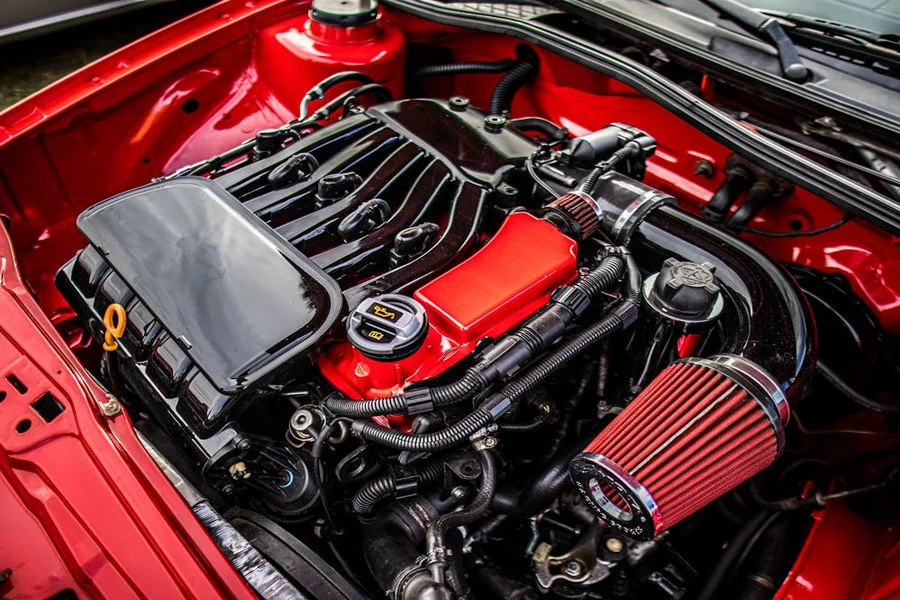
Performance car parts are aftermarket components that boost your vehicle’s power, handling, or durability, unlike standard factory parts designed for everyday use. Performance parts use higher-quality materials and specialized designs.
Before upgrading, gather the right tools—some mods need only basic equipment, while others require specialty tools. Research installation steps and choose trusted brands made for your car model to ensure proper fit, safety, and better driving performance without sacrificing reliability.
Choosing the Right Performance Upgrades for Beginners
If you’re new to car upgrades, start with simple modifications that deliver noticeable improvements. Upgrading tyres, suspension, or the exhaust system offers better performance and easy installation—ideal for beginners.
Choose parts compatible with your car’s make and model. Consider your driving habits and goals: do you want quicker acceleration or improved handling? Answering this will help you pick the right parts from reputable brands and ensure a successful upgrade.
Engine Performance Upgrades
Boosting engine performance is a top goal for many enthusiasts. Simple upgrades can increase power and sometimes improve fuel efficiency. Before modifying, understand how components work together to generate power.
Focus on airflow, fuel delivery, and your car’s computer. Upgrades range from easy bolt-ons to advanced ECU tuning that adjusts ignition timing and fuel delivery. Next, we’ll cover the most popular and effective engine upgrades.
Popular Engine Mods: Intakes, Exhausts, and ECU Tuning
Upgrading your air intake is an effective way to boost engine efficiency. A cold air intake system moves the air filter away from the hot engine bay, letting the engine take in cooler, denser air—improving throttle response and adding modest power.
A performance exhaust system enhances exhaust flow, reducing backpressure and helping the engine expel gases more efficiently. This increases power and gives your car a sportier sound.
ECU remapping optimizes your engine’s software to match new hardware upgrades for maximum performance.
Key upgrades include:
- Cold Air Intake
- Performance Exhaust System
- ECU Remapping
The Difference Between Engine Tuning and Internal Upgrades
When discussing engine performance, “tuning” and “internal upgrades” are common terms. Both aim to boost power but differ fundamentally.
Engine tuning modifies the software in your car’s engine control unit (ECU), adjusting parameters like fuel-to-air ratios and ignition timing to optimise existing hardware.
Internal upgrades involve physically replacing stock components with stronger, high-performance parts such as forged pistons, upgraded camshafts, or stronger connecting rods. These changes prepare the engine to handle more power, often from additions like a larger turbocharger.
Peak performance usually requires both methods. Using high-quality parts ensures proper fitment and reliability.
| Aspect | Engine Tuning | Internal Upgrades |
| Method | Adjusting ECU software | Replacing stock engine components |
| Focus | Optimising current hardware | Increasing strength for more power |
| Examples | ECU remapping, fuel/timing maps | Forged pistons, performance camshafts |
Suspension, tyres, and Handling Components
Power means nothing without control. That’s why suspension upgrades are essential for performance builds. Upgrading springs, shocks, and sway bars reduces body roll and improves handling, giving you a more connected feel on the road. Adjusting ride height also enhances stance and aerodynamics.
Tyres matter too—performance tyres offer superior grip in all conditions, helping you handle extra power and corners with confidence. The right suspension and tyre setup can transform your car’s handling while maintaining ride comfort.
Brakes and Stopping Power
Increasing your car’s horsepower requires better braking. Factory brakes are built for stock power and can become ineffective—known as brake fade—as performance parts are added.
Upgrading your brakes is essential for safety. Start with high-performance pads and stainless steel lines for a firmer pedal feel. For greater stopping power, consider big brake kits with larger callipers and rotors. These upgrades deliver shorter stops and consistent performance, letting you use your car’s extra power safely.
Legal, Warranty, and Installation Considerations in Australia
Before ordering parts, vehicle owners should consider practicalities. Installing performance parts can affect your warranty and legal status on public roads. Manufacturers may void coverage due to aftermarket modifications.
Legal issues also matter, especially for street-driven cars—some modifications may be illegal in your state or territory. We’ll explore these topics to ensure your build is both enjoyable and compliant.
Understanding Local Laws about Performance Car Parts
Navigating car modification laws in Australia is essential, as regulations differ between states and territories. These rules ensure vehicles are safe, meet emissions standards, and don’t create excessive noise.
When modifying your car’s performance, you must ensure all parts and installations comply with local laws—including exhaust noise, ride height, and tyre specs. Non-compliance can result in fines, defect notices, or registration cancellation.
Always research your local regulations on:
- Exhaust emissions and noise
- Suspension height and modifications
- Engine and driveline changes
Conclusion
Upgrading your vehicle with performance parts can enhance your driving experience. Knowing which engine, handling, or other modifications suit your car and driving style is key—whether you’re a beginner or an enthusiast. Always check local laws and warranty restrictions before making changes. Stay focused on your goals, and if you want expert advice, reach out for guidance tailored to your needs.
Frequently Asked Questions
How do I know if a performance upgrade is worth it for my car?
A performance upgrade is worth it if it aligns with your goals for your car’s performance. Consider your driving style and what you want to improve—be it speed, handling, or sound. Research parts from reputable brands that are compatible with your car model to ensure you get a reliable and satisfying result.
Are there risks when adding more power to my vehicle?
Yes, there are risks. Increasing your engine’s power output puts extra strain on other components. To manage this risk, it’s essential to also consider suspension upgrades and improvements to your braking system. Proper fitment and professional engine tuning are also crucial to ensure reliability and safety.
Can basic performance upgrades improve both speed and handling?
Absolutely. While some parts target just one area, many basic upgrades offer dual benefits. For instance, better performance tyres and an upgraded suspension system not only provide better handling and reduce body roll but also allow you to apply power more effectively, indirectly improving your usable speed and confidence.