
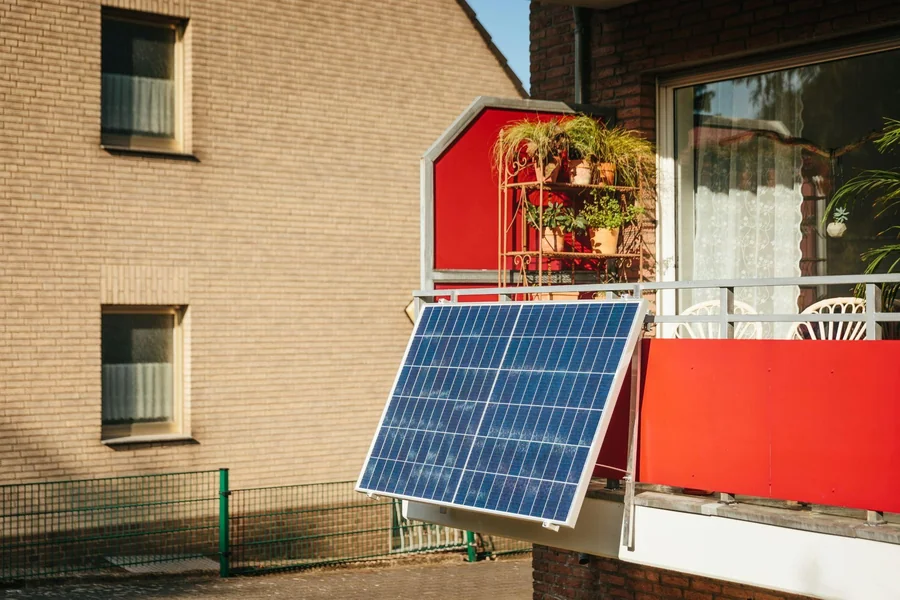
Energy technology has evolved rapidly in recent years, giving homeowners, travelers, and off-grid enthusiasts more ways to manage electricity efficiently. From smart thermostats that help regulate indoor climate to portable solar systems designed for travel, modern energy solutions are transforming how people power their living spaces. These innovations support greater flexibility, allowing energy systems to adapt to a wide range of lifestyles, from traditional homes to remote cabins and recreational vehicles.
As energy efficiency becomes increasingly important, many individuals are exploring technologies that reduce energy consumption while maintaining comfort and reliability.
Smart Climate Control for Modern Homes
One of the most widely adopted energy technologies in residential settings is the smart thermostat. These devices allow homeowners to manage heating and cooling systems more efficiently through automated scheduling and remote control features.
Smart thermostats can learn household routines and adjust temperatures accordingly, reducing unnecessary energy usage during periods when rooms are unoccupied. By connecting to mobile applications, users can monitor and adjust temperature settings from anywhere.
Solutions such as Mysa provide smart thermostat systems designed to improve energy efficiency while maintaining comfortable indoor environments. By optimizing temperature management, smart climate control systems help households reduce energy waste and improve overall energy performance.
The Growth of Off-Grid Energy Solutions
While smart home systems improve efficiency within traditional houses, another major development in energy technology is the expansion of off-grid power solutions. These systems allow people to generate and store electricity independently from centralized power grids.
Off-grid energy systems are especially useful for remote cabins, rural properties, and recreational vehicles where traditional electrical infrastructure may be limited or unavailable.
Solar power plays a central role in many off-grid energy setups because it provides a renewable and widely accessible source of electricity. By converting sunlight into usable energy, solar panels allow individuals to power lighting, appliances, and electronic devices even in remote locations.
Solar Energy for RV Travel
Recreational vehicle travel has grown significantly in popularity as more people seek flexible ways to explore natural environments. However, maintaining reliable electricity while traveling can be challenging without access to campground power connections.
Portable solar systems offer an effective solution for RV travelers who want to generate their own electricity while on the road. Solar panels mounted on the vehicle or deployed at campsites can charge battery systems that power essential devices.
Many travelers explore options such as rv solar kits when planning energy systems for recreational vehicles. These kits often include solar panels, charge controllers, wiring components, and mounting hardware designed specifically for mobile installations.
With properly configured solar systems, RV users can power lighting, refrigeration, laptops, and other electronics while remaining independent from traditional power sources.
Energy Independence for Remote Cabins
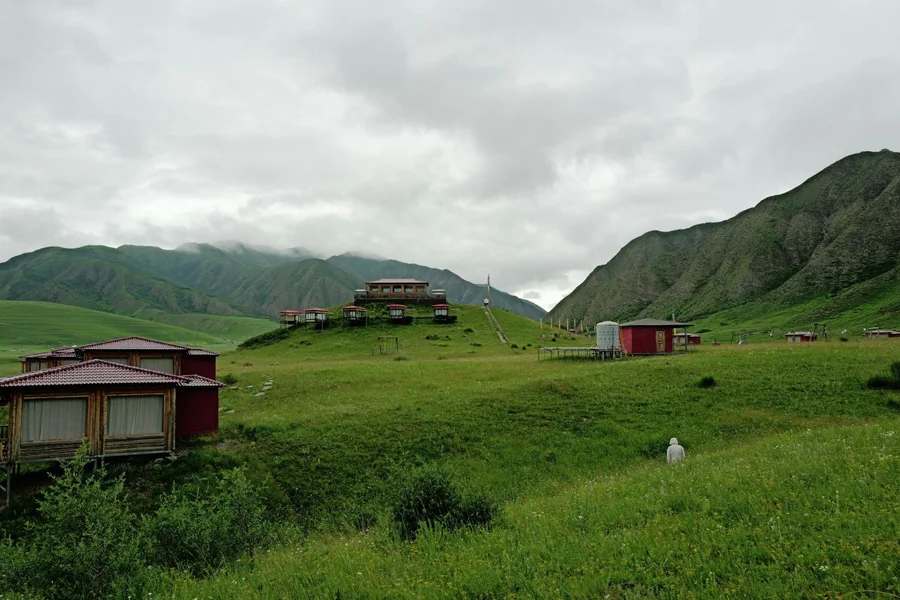
Remote cabins present another environment where modern energy solutions are especially valuable. Properties located far from electrical infrastructure may rely entirely on independent energy systems for daily operation.
Solar panels combined with battery storage systems allow cabin owners to generate and store energy throughout the day, providing electricity even after sunset. These systems can power essential devices such as lighting, communication equipment, and small appliances.
Energy independence allows cabin owners to enjoy comfortable living conditions while maintaining a close connection to natural surroundings.
Battery Storage and Energy Management
Energy storage technology is an essential component of modern renewable energy systems. Batteries store excess electricity generated by solar panels during daylight hours, making that energy available later when sunlight is not available.
This capability allows homes, cabins, and RVs to maintain stable energy supplies even when weather conditions change. Battery systems also help regulate energy usage by balancing production and consumption.
Many modern energy systems integrate battery storage with monitoring software that allows users to track energy generation and usage in real time.
Efficiency and Sustainability
Modern energy technologies are often designed with sustainability in mind. Solar power systems generate electricity without producing emissions, while smart climate control systems reduce unnecessary energy consumption.
By combining renewable energy sources with efficient appliances and smart home technologies, individuals can significantly reduce their environmental footprint.
These solutions also support long-term energy resilience by reducing dependence on centralized power infrastructure.