
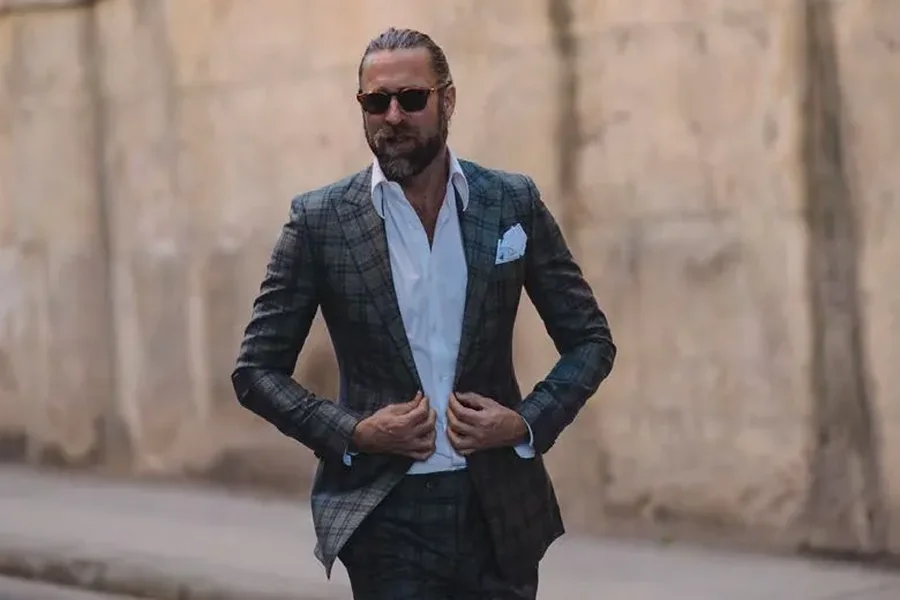
Finding the right balance between professional and relaxed is essential. Men’s business casual outfits help men look sharp without being overly formal. They make daily dressing simple and practical. These outfits are versatile. They suit meetings, office events, and casual Fridays. Choosing the right pieces creates a polished yet approachable look. Comfort is key, but style should not be compromised.
Shirts That Work
Shirts are the foundation of men’s business casual outfits. A well-fitted button-down is essential. Light blue, white, and soft pastels are safe choices. Patterns like small checks or stripes add interest without being distracting. Avoid bright or loud colors that can seem unprofessional. Long sleeves are standard, but in warmer climates, short-sleeve button-downs can also work. Fit is critical. Slim or tailored cuts look neat and professional. Oversized or baggy shirts can ruin the balance of business casual.
Pants and Trousers
Chinos and dress slacks form the bottom half of men’s business casual outfits. Dark colors like navy, charcoal, and beige are versatile and easy to mix. Fit is important. Pants should sit well at the waist and have the right length at the ankles. Avoid overly baggy or tight trousers. Pairing slacks with a tailored shirt creates a clean silhouette. For more relaxed offices, well-fitted dark jeans can be included. Always make sure the style aligns with your office culture.
Layering Pieces
Layering enhances men’s business casual outfits by adding depth and style. A blazer instantly lifts a look, making it suitable for meetings or client interactions. V-neck sweaters, cardigans, or lightweight jackets work well over shirts. Layers also offer flexibility for changing temperatures in the office. Choose neutral colors to maintain a cohesive appearance. Layering doesn’t have to be complicated; it can be simple yet effective.
Shoes and Accessories
Shoes finish the outfit and reflect attention to detail. Loafers, brogues, or clean leather sneakers pair perfectly with men’s business casual outfits. Match your belt with your shoes for a polished look. Accessories like watches, cufflinks, or subtle bracelets enhance style without being distracting. Avoid flashy or oversized pieces. Socks can be plain or have subtle patterns. Shoes should be clean and well-maintained. The right footwear can elevate even the simplest outfit.
Colors and Patterns
Colors and patterns play a crucial role in men’s business casual outfits. Neutral colors like blue, gray, beige, and brown dominate most professional wardrobes. Muted greens or burgundy are great accent colors. Subtle patterns such as thin stripes, small checks, or herringbone add personality. Avoid loud prints that can clash with office norms. Coordinating colors helps mix and match outfits effortlessly. Keeping a consistent palette reduces morning decision fatigue.
Seasonal Adjustments
Men’s business casual outfits can be adapted for any season. Summer requires lightweight fabrics like cotton or linen. Short-sleeve shirts or breathable pants keep you comfortable. In winter, layering with sweaters, jackets, and wool trousers is practical. Seasonal colors can also vary—lighter shades in spring and summer, darker tones in fall and winter. Footwear can also change with seasons. Boots or heavier shoes are perfect in winter, while loafers work well in warmer months. Dressing seasonally ensures comfort without sacrificing style.
Office Event Styling
Special office occasions require a slight upgrade. Men’s business casual outfits can be adjusted for presentations, casual meetings, or after-work events. A blazer with chinos and a crisp shirt is always a safe option. Sweaters layered over shirts look stylish for informal gatherings. Adding a tie is optional but can enhance the professional appeal. Accessories like a leather watch or belt make subtle yet strong impressions. Being prepared for events with versatile outfits saves stress.
Mixing Casual and Professional Elements
The beauty of men’s business casual outfits is their versatility. Pairing a smart blazer with clean sneakers or combining dress slacks with a polo shirt blends comfort with professionalism. Subtle casual elements like rolled sleeves or patterned socks can personalize an outfit. The key is balance. Too much casual reduces professionalism, while too formal can feel stiff. Mixing elements strategically allows flexibility in daily office attire.
Dressing for Confidence
Confidence is a major part of men’s business casual outfits. Well-fitted clothing improves posture and body language. When clothes fit and match your style, it enhances your presence. Choosing outfits that suit your personality helps you feel natural at work. Colors, patterns, and accessories should reflect your taste without compromising professionalism. Dressing well influences both your self-image and the perception of colleagues.
Wardrobe Essentials
Every man should have a few key pieces. Essential shirts, a pair of chinos, dress slacks, a blazer, and versatile shoes form the backbone of men’s business casual outfits. Neutral colors increase mix-and-match potential. Keep fabrics high quality to last longer. Seasonal items like sweaters and jackets provide flexibility. Accessories like belts and watches complete your wardrobe. Having essentials simplifies dressing decisions every day.
Conclusion
Men’s business casual outfits are practical, stylish, and adaptable. They combine comfort with professionalism. By focusing on fit, color, and layering, men can look sharp effortlessly. Accessories and shoes enhance the overall appearance. Seasonal adjustments make these outfits functional year-round. With a well-planned wardrobe, dressing for work becomes easy and enjoyable. Mastering men’s business casual outfits ensures confidence and style in any professional environment.
FAQs
What are business casual outfits for men?
They are work-appropriate clothes that are less formal than a suit but still polished and professional.
Can I wear jeans in men’s business casual outfits?
Dark, well-fitted jeans can work if your office allows it. Avoid ripped or overly casual styles.
Are sneakers acceptable?
Clean leather or minimal sneakers are acceptable in many modern offices.
How important is color coordination?
Very important. Neutral and complementary colors create a professional look.
Can I mix patterns?
Yes, but keep them subtle. Avoid clashing bold patterns.
Do I need a blazer every day?
Not always. Blazers enhance outfits for meetings but are optional on casual office days.
What fabrics are best for business casual?
Cotton, wool, and blends are versatile. Avoid overly shiny or flimsy materials.