
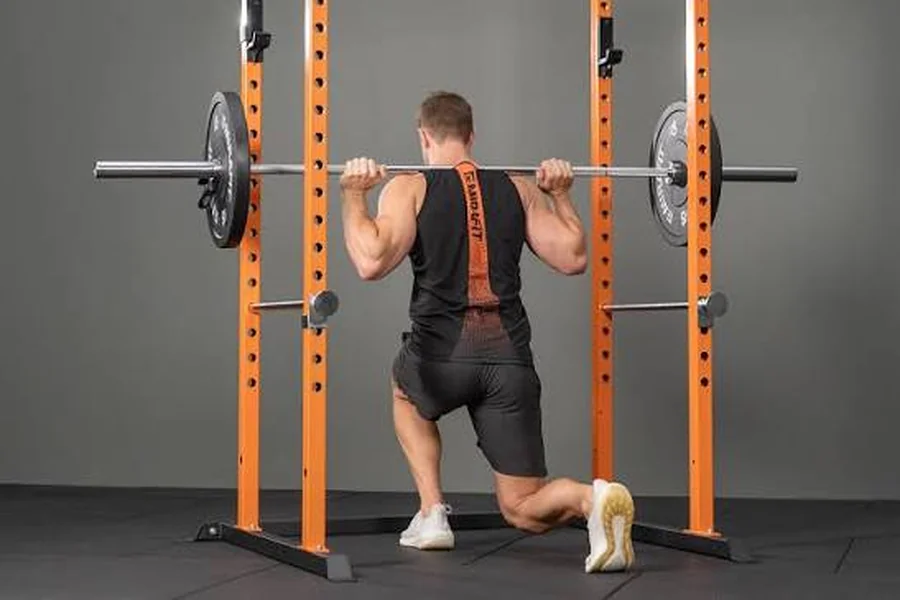
Workout variety often depends on how equipment gets used. A well-planned squat rack can support far more than squatting alone. With adjustable parts and useful attachments, one frame can accommodate pressing, pulling, bodyweight drills, and accessory exercises. That flexibility matters when space stays limited. It also changes how sessions can flow, since several movements can happen around one station without constant equipment changes.
One frame can support different movements
A multifunctional rack gives strength training a broader foundation. Adjustable uprights position the bar for squats, presses, and rack pulls. Safety arms create a controlled stopping point during demanding lifts. A pull-up bar adds another movement pattern without needing separate equipment.
From there, attachments can widen the exercise range. Dip handles introduce pressing work, while a landmine creates angled pushing and rowing movements. Cable additions can bring lighter isolation exercises into the same training area.
The result feels less restrictive. Each component adds another useful option.
Adjustability changes the training experience
Good adjustment matters because every lifter has different proportions. Bar height affects setup, movement control, and starting position. Safety placement also needs attention before heavier work begins.
A taller athlete may need higher settings for pressing movements. A shorter user could require lower positions for comfortable bar removal. Small changes can therefore affect exercise quality.
Useful adjustments can include:
- J-hooks can match individual starting heights.
- Safety arms can suit different lifting depths.
- Bench positions can support varied pressing angles.
- Pull-up handles can offer different gripping options.
Once settings become familiar, transitions take less effort. The session can then move between exercises with fewer interruptions.
A squat rack becomes more versatile
Versatility grows when attachments solve specific training needs. A squat rack equipped with suitable additions can support rows, dips, pull-ups, presses, and rotational drills.
Consider a landmine attachment. It changes the bar path and opens new options for unilateral movements. Cable handles provide adjustable resistance for curls, flyes, pulldowns, and triceps exercises. A dip station adds bodyweight pressing without occupying another large section of floor.
These additions also change exercise sequencing. Heavy compound work can come first, followed by controlled accessory movements using the same frame.
That approach keeps equipment changes manageable.
Attachments should serve a clear purpose
A rack becomes useful through thoughtful selection rather than endless additions. Every attachment should have a practical reason for occupying space. Otherwise, extra hardware can make the training area harder to manage.
A sensible setup might prioritize:
- A pull-up bar for vertical pulling work.
- Dip handles for bodyweight pressing sessions.
- A landmine for angled strength movements.
- Cable handles for controlled accessory exercises.
- Plate storage for quicker weight changes.
The right combination depends on programming. Someone focused on basic strength may need fewer accessories. A mixed routine can benefit from broader options.
Can one station anchor full sessions?
A well-configured rack can become the center of an entire workout. A session might begin with back squats, then move toward overhead presses. Pull-ups could follow before lighter cable work finishes the sequence.
Another day could begin with deadlift variations. Landmine rows might follow, with split squats and loaded carries completing the session.
This setup keeps movement around one central area. That matters in smaller home gyms, where every square meter has a purpose.
Floor space can remain available for stretching, conditioning, or free-weight drills. The rack handles the fixed equipment demands instead.
Better configuration creates smoother workouts
Equipment flexibility works best when the layout stays organized. Frequently used attachments should remain easy to reach. Less common pieces can stay stored nearby without crowding the lifting zone.
Programming should guide those choices. A strength-focused athlete may value sturdy safeties and storage space. Another lifter might gain more from cable functionality and multiple grip positions.
The key consideration remains practical use. More equipment does not automatically create better training. Useful variety comes from selecting tools that support different movement demands.
That distinction can shape a more efficient home setup.
One frame can change space planning
A multifunctional rack can alter how a home gym gets designed. Instead of treating the frame as a bar holder, the lifter can view it as a central training hub. Adjustable safeties, pull-up capacity, and modular attachments create several pathways around one footprint. When a workout moves from heavy squats toward cable rows, the same station remains useful. That small change can leave more open floor for everything else.
FAQs
Can one rack replace several gym stations?
For home training, a properly equipped frame can cover several common movements. Its usefulness depends on attachments, available room, and personal programming needs.
Does a beginner need every attachment?
No. Basic barbell exercises can provide a strong starting point. Additional pieces can enter the setup as training goals become broader.
Which additions offer strong exercise coverage?
Pull-up bars, cable systems, dip handles, and landmines provide varied movement choices. Each attachment introduces a different resistance pattern or body position.
Does more versatility create complicated setup demands?
Not when storage remains organized and settings stay familiar. Clear placement helps users change exercises without unnecessary delays.