
Influencer marketing has grown from a small test idea into a main driver of online sales. In 2026, creators are no longer focused only on buzz and likes; they are expected to bring real business results, from new customers to repeat buyers.
As we move through this space, the key trends are clear: stronger focus on performance, very specific niche audiences, and the smooth use of artificial intelligence (AI) in the content process.
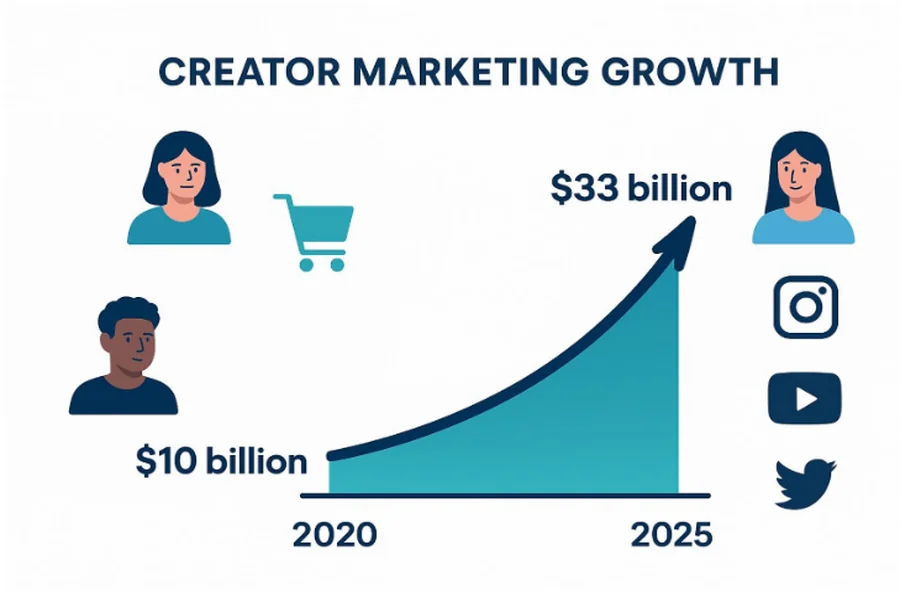
The change is obvious in the numbers: the value of creator marketing, under $10 billion in 2020, is on track to hit $33 billion by 2025. Today, brands are no longer asking whether to work with creators, but how to work with them at every step of the customer journey. This change is rewriting classic marketing tactics, shifting from isolated campaigns to a connected, creator-led system.
What Is Influencer Marketing’s Role in Shaping Digital Marketing?
Why Are Brands Prioritizing Influencer Marketing in Digital Strategies?
Brands are leaning into influencer marketing because it offers what standard ads often miss: real trust and fast engagement. Data shows that 64% of consumers are more likely to buy a product when a brand partners with their favorite influencer. This trust leads to strong performance, often matching or beating traditional paid ads. Many leaders have raised their creator marketing budgets by more than 170% in the last year, moving money away from TV and print and into digital creator work.
Modern tracking is complex, and brands need expert help on platforms like TikTok, where “shoppertainment” is standard. Working with a focused TikTok influencer marketing agency has become a smart move for brands that want to use viral growth while still watching return on investment (ROI). These agencies help connect fun, creative content with the hard numbers that prove a campaign actually increased sales.
How Has Influencer Marketing Changed the Media Landscape?
Influencer marketing has spread influence more widely, moving power away from large media companies to individual creators. In the early 2000s, blogging was a side gig; today, being a content creator is a serious career, and around two-thirds of creators see it that way. Many now act like small media companies, producing content with quality that can match traditional ad agencies.
The line between traditional media and social media is also fading. Influencers now often serve as brand faces in roles once given to famous actors or athletes. TV shows and events regularly cast online creators first to bring in larger audiences. Media is no longer a one-way broadcast; it is a back-and-forth conversation, with the audience speaking through the creators they follow.
Which Influencer Marketing Trends Are Reshaping Digital Marketing?
AI-Driven Content Creation and Workflow Automation
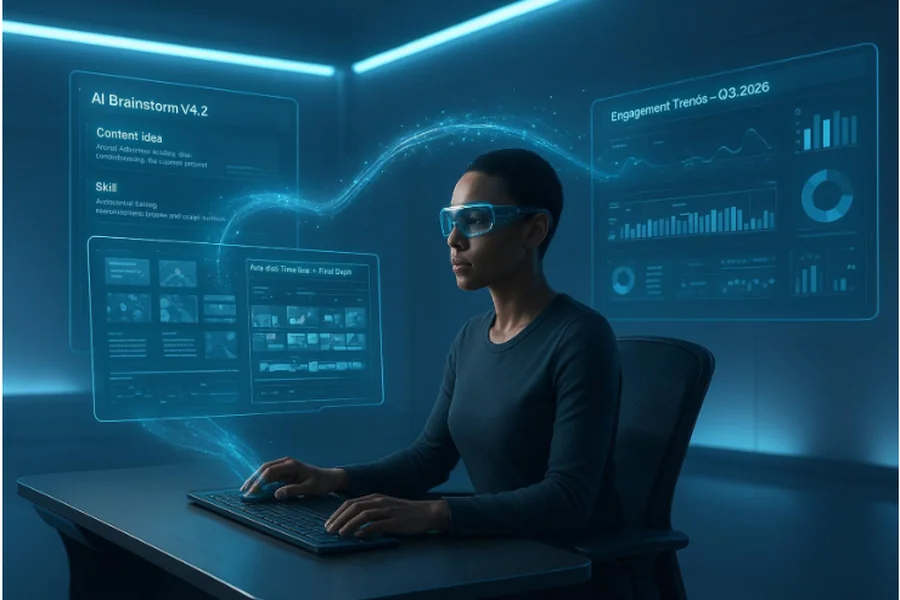
AI is now a basic tool in the creator economy. Around 86% of creators already use generative AI to come up with ideas, create assets, and polish final content. For brands, AI is not about replacing people but about helping them work faster and better, so creators can produce more and higher-quality content with less effort. This helps brands grow their influencer programs without huge extra costs.
AI also supports the behind-the-scenes work of these deals. From predicting payments to matching brands with the right creators, technology lets marketers sort through huge amounts of data to find strong fits. This kind of automation cuts down on manual checks and lets teams spend more time on strategy and storytelling that actually connects with viewers.
Professional Creators and Brand Ambassadors: The Shift to Long-Term Partnerships
The time of single sponsored posts as the main approach is fading. In 2026, brands and creators are focusing on long-term ambassadorships. Professional creators are more careful about who they work with because their reputation is their key asset. When a creator and a brand share the same values, long-term work together builds a level of trust within their community that one-off posts cannot match.
These ongoing partnerships help creators really get to know the products they talk about. Instead of a stiff ad, their content feels like a natural recommendation from a friend. Brands like Alo Yoga and Sephora are strong examples, turning creators into global ambassadors who help shape brand identity over years instead of weeks.
Performance-Based Influencer Marketing and ROI Accountability
The mystery around influencer ROI is fading. Today, creator marketing is measured with the same strict numbers used for paid ads: Customer Acquisition Cost (CAC), Average Order Value (AOV), and direct revenue. Performance has replaced simple counts of likes and impressions as the main way to judge success.
Brands now use detailed tracking models to connect every click, cart add, and purchase back to specific creator posts. This pressure for clear results is driving “creator commerce,” where payment often depends on how much revenue the creator brings in. This model helps make sure every marketing dollar is tied to clear business results.
Social Commerce and Shoppable Content Integration
Social commerce is now mainstream, with global sales expected to be close to $920 billion in 2026. Tools like TikTok Shop and YouTube Shopping have turned social media into real-time online stores. The “shoppertainment” style-mixing fun content with instant in-app checkout-is beating classic e-commerce sites like Amazon among some groups.
Influencers are the hosts in this new retail setup. Through live shopping streams or shoppable haul videos, they create excitement and urgency that leads people to buy quickly. This smooth “see it, want it, buy it” path is one of the biggest changes in digital marketing today.
Virtual and Synthetic Influencers: Digital Avatars and AI Personas
Virtual influencers-computer-made characters like Lil Miquela or Bloo-are moving from gimmick to serious players, especially in gaming, crypto, and fashion. These digital figures give brands full control over image and behavior and reduce the risk of human scandals.
People sometimes see virtual influencers as less “real,” but they can still feel empathy for them. As tech improves, these AI personas are becoming more believable. Brands that build their own AI-led characters early are likely to stand out as digital leaders.
Micro and Nano Influencers: The Power of Niche Audiences
While famous influencers offer big reach, micro-influencers (10,000-100,000 followers) and nano-influencers often bring better engagement and stronger ROI. Their strength comes from close ties to their audience and clear expertise. Their followers see them as real people, so their product suggestions feel personal and honest, which often means better conversions and lower CAC.
More brands are moving budget from a few big names to a mix of 10-20 strong micro-creators. This spread-out approach helps brands reach very specific communities where trust is high, so the message goes to the most interested people, not just the largest group.
Employee and B2B Influencers: Expanding the Influencer Definition
The idea of who counts as an “influencer” is growing to include employees and B2B experts. On LinkedIn, professional status and track record matter most. Companies like Lululemon turn staff into brand voices who share behind-the-scenes stories that feel real and energetic.
In B2B, “niche analysts” and industry experts are becoming key influencers. Through newsletters, slide carousels, and in-depth posts, they help shape business purchase decisions. This peer-to-peer influence often works better than standard corporate ads when building trust and authority.
Audio and Video Content: Podcasts, Live Shopping, and Diversified Formats
Using different formats is important to hold the attention of today’s distracted audience. Podcasters are becoming “power influencers” because listeners give them 30-60 minutes of focused time. This long attention span builds a bond that short clips cannot match.
Video is also spreading into more formats. Brands use a mix of short videos (TikTok), long videos (YouTube), and live interactive streams. Each needs a specific style: short-form is great for quick hits and trends, while long-form helps build authority and deeper trust.
The Rise of De-Influencing and the Authenticity Mandate
The “de-influencing” wave is a pushback against over-buying and hype. Some influencers now gain trust by telling followers what not to buy and calling out products that are over-rated. This trend values honesty and long-term thinking over constant promotion.
For brands, this means authenticity is now a basic requirement. People easily spot fake or forced content and prefer creators who are open about paid deals. Agencies like All4Comms emphasize that brands choosing creators who value transparency and are honest about what they like and don’t like will build stronger results over time.
How Does Technology Accelerate Influencer Marketing Trends?
Role of AI in Influencer Discovery, Vetting, and Precision Matching
Technology has turned influencer discovery from guesswork into a data-led process. AI tools can now search by what creators actually talk about and how their audience responds, not just age, gender, or follower count. This leads to much better matches between brand and creator.
AI-based checks can also scan huge datasets to spot fake followers and odd engagement patterns. This protects brands from fraud and brand safety issues and helps make sure budgets go to real people instead of bots.
Attribution Models and Real-Time Performance Tracking
Modern attribution tools power collaboration in 2026. Marketers no longer wait until the campaign ends to see results; they watch performance in real time. Dashboards show exactly which creator drove each sale, so brands can adjust spending right away.
This live insight supports quick changes. If one creator’s posts are bringing in results three times better than usual, brands can immediately boost their budget or use that content in paid ads. Over time, this creates a “flywheel” where creator content keeps feeding all parts of the marketing plan.
Hybrid Compensation Structures For Influencer Partnerships
Tech has made it easier to use mixed payment models that tie pay to results. Instead of paying only a flat fee, many brands now offer a base payment for the content plus a 10-15% commission on sales and extra bonuses for hitting targets.
This model rewards both creativity and sales impact. Creators get stable income and upside potential, while brands get clearer ROI and a true business partnership, not just a one-time ad.
What Social Platforms Are Shaping the Future of Influencer Marketing?
Platform-Specific Trends: TikTok, YouTube, Instagram, and Podcasting
Different platforms play different roles in influencer marketing right now:
- TikTok: Leads in trends, short content, and “shoppertainment,” driving quick discovery and impulse buys.
- YouTube: Owns long-form content and Connected TV, offering videos that keep bringing value long after they go live.
- Instagram: Focuses on live Q&As, Stories, and interactive tools, keeping brands in daily contact with followers.
- Podcasts: Build strong loyalty and deep trust through long conversations and repeat listening.
In 2026, success is less about picking a single platform and more about using each one for what it does best-like building awareness on TikTok, education on YouTube, connection on Instagram, and long-term trust through podcasts.
Diversification Across Platforms and Owned Communities
Creators are worried about “platform risk”-the chance that one algorithm change can cut their reach overnight. To protect themselves, many are growing their own spaces on Discord, Substack, Patreon, or WhatsApp. Engagement is usually higher there, and creators control access to their audience.
Brands are moving into these private communities too, to reach people who are tired of crowded public feeds. This move fits with “digital minimalism,” where users want fewer, better interactions and more meaningful content in smaller, focused groups.
How Should Brands Prepare for Emerging Influencer Marketing Trends?
Aligning Influencer Selection with Brand Values and Goals
The starting point for future-ready programs is shifting focus from “how many people” to “which people.” Brands need to check creators not just for reach but for fit with their mission and story. In a time of de-influencing, a bad match can bring backlash and damage trust.
Brands should seek out “comfort creators”-voices who already feel safe and familiar to their audiences. Working with creators who already like and use the product leads to content that feels real and believable, instead of staged or forced.
Developing Scalable Creator Infrastructure
To succeed in 2026, brands need systems, not just one-off campaigns. This means building shared creator databases, automated workflows, and standard briefs and contracts. A central setup for sourcing, tracking, and paying creators lets a brand work with many partners while still keeping quality and visibility into performance.
Part of this setup is the ability to reuse creator content. Turning a strong creator post into a paid ad, an email banner, or a landing page image stretches the value of every collaboration and supports a steady flow of content.
Building Long-Term, Authentic Influencer Relationships
Managing relationships with creators is now a core part of marketing. Brands should treat creators as partners and invite them into planning earlier, even during product design. Creators are close to real customer opinions, and their feedback on packaging, wording, and features can be extremely helpful.
By building long-lasting, layered relationships, brands turn creators into real extensions of their teams. This leads to better ideas, stronger results, and a level of commitment that simple one-time payments cannot buy.
Measuring Influencer Marketing ROI and Maximizing Budget Allocation
Brands need to manage influencer budgets with the same discipline they use for search, social ads, or email. That means setting clear numbers-CAC, AOV, ROI-and using live data to decide where to spend more or less. The strongest programs in 2026 will treat influencer, affiliate, and paid media as parts of one shared plan.
The goal is to shift from thinking only in campaigns to thinking in terms of steady commerce. By planning spend across the full funnel-using flat fees for awareness and performance pay for conversions-brands can connect every dollar to expected business results.
FAQs About Influencer Marketing Trends Impacting Digital Marketing
What Are the Risks of Over-Reliance on Social Platforms?
The main risk is “platform volatility.” A single algorithm or policy change can suddenly cut a brand’s reach or a creator’s income. This is why spreading presence across channels and building owned assets like email lists or private groups matters so much. It reduces the damage from changes on any one platform.
Another risk is “digital fatigue.” As feeds fill with more ads, users get tired and cut back screen time. Many now want fewer, higher-quality posts. Brands that keep pushing bland or pushy content will find it harder and harder to get attention.
How Can Brands Balance Authenticity and Scalability?
Balancing real, honest content with the need to scale is one of the hardest tasks for marketers. The key is to avoid over-controlling creators. Brands should share clear goals and guardrails but let creators speak in their own voice. People trust the creator’s story, not a brand script.
To scale while keeping this personal touch, brands can use a layered setup: a few main “hero” creators for wide reach and polished content, plus many micro-influencers for daily, more casual posts. This mix brings both breadth and depth.
Should Marketers Use Virtual Influencers in Place of Human Talent?
Virtual influencers should support human talent, not replace it. While they offer creative freedom and lower risk of personal scandals, they still lack the life experience that drives deep trust. The most effective plans in 2026 will use both: human creators to build emotional bonds and ongoing trust, and virtual creators to test bold, future-focused ideas.
The right mix depends on the goal. For long-term community building, human creators are key. For cutting-edge campaigns in areas like the metaverse or gaming, a virtual influencer might be a strong choice.
Key Takeaways for Brands Embracing Influencer Marketing Trends
As we move through 2026, winning brands will see influencer marketing as a central business driver, not a side project. The rise of “Women changing the game”-with women’s sports sponsorship growing 50% faster than men’s-is one clear example of how creators open new, high-return paths. The growth of “Curiosity Content” also shows that people prefer specific, niche interests over broad, generic topics.
Brands also need to prepare for the “Decline of Doomscrolling.” As people cut back on endless scrolling and look for more thoughtful use of their time, only content that truly informs, entertains, or teaches will last. By giving creators a real voice in strategy and inviting them into leadership conversations, brands can keep their marketing honest, relevant, and profitable in a fast-changing digital space.