
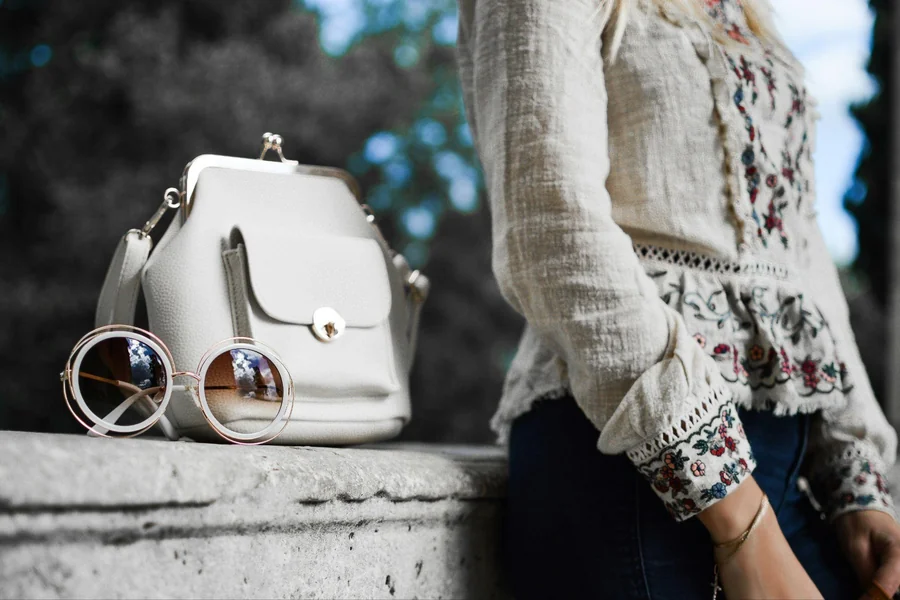
Personal style and creative expression are often seen as outward choices, what people wear, how they design, or the way they present themselves. But beneath these visible elements lies something deeper: identity. The way individuals express themselves visually and creatively is closely tied to how they perceive themselves, their experiences, and the environments they navigate. Style becomes more than aesthetic preference; it becomes a language through which people communicate who they are.
Psychological research supports this connection, showing that identity is shaped by both internal experiences and social influences, affecting behavior, self-perception, and relationships. Creative expression, whether through art, fashion, or design, allows individuals to externalize these internal processes, turning abstract thoughts and emotions into something tangible. In this way, personal style is not random, it is a reflection of inner identity shaped over time through experience, culture, and self-awareness.
Style as an Extension of Self-Concept
At its core, personal style is closely linked to self-concept, the way individuals understand and define themselves. Choices in clothing, aesthetics, and creative output often mirror personal values, moods, and identity exploration. Rather than being purely functional, these choices become symbolic representations of how people see themselves or wish to be seen.
The concept of narrative identity suggests that individuals build a sense of self through an evolving internal story that connects past experiences, present actions, and future aspirations. Style fits naturally into this process, acting as a visible extension of that narrative. Each decision, whether minimal, bold, structured, or experimental, contributes to how that story is expressed externally.
Over time, style becomes more consistent as identity stabilizes. However, during periods of change or exploration, it may shift significantly, reflecting internal transitions and new perspectives.
Creative Expression as Emotional Translation
Creative expression plays a key role in translating internal emotions into outward forms. Art, design, and personal styling allow individuals to process experiences and communicate feelings that may be difficult to articulate through words alone.
Research highlights that creative expression contributes to emotional regulation, cognitive flexibility, and overall well-being. This means that expression is not only reflective but also transformative, it helps individuals better understand themselves while shaping how they present themselves to others.
In creative communities, this process becomes even more visible. Expression is encouraged, refined, and shared, allowing individuals to explore identity in a supportive environment. The result is a dynamic relationship where identity shapes creativity, and creativity, in turn, reshapes identity.
The Influence of Materials and Creative Tools
The tools and materials used in creative processes also play a role in shaping how identity is expressed. Different mediums offer different possibilities, influencing both the form and clarity of expression.
For instance, materials associated with PLA Pro are often used in design and fabrication contexts where precision and detail matter. In creative workflows, the choice of material affects not only the outcome but also how ideas are translated into physical form. Clean finishes, structural consistency, and adaptability all contribute to how effectively a concept is expressed.
These decisions are rarely neutral. They reflect intention, preference, and an understanding of how different tools align with personal or creative identity. The medium becomes part of the message, reinforcing the connection between internal vision and external presentation.
Personal Style and Cultural Influence
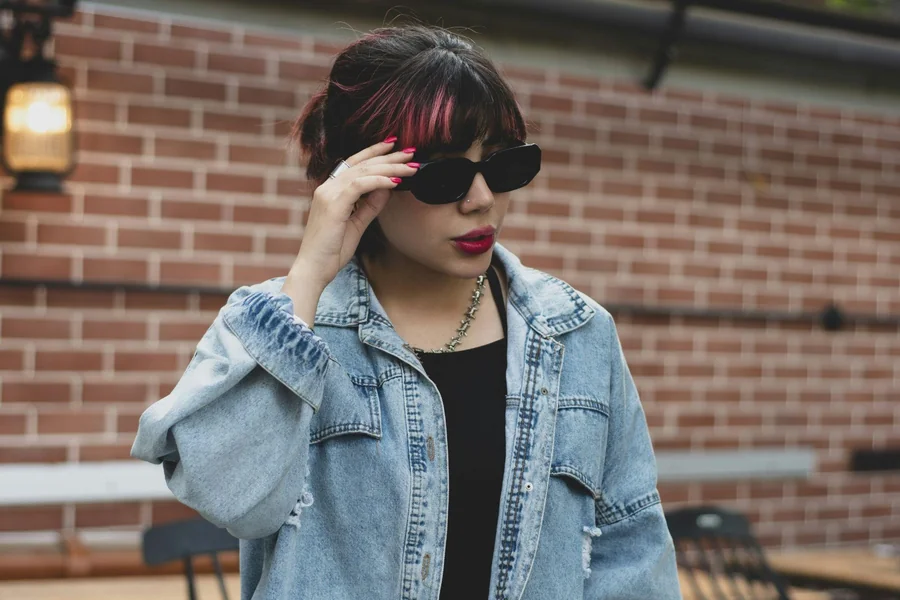
While personal style is deeply individual, it is also shaped by cultural context. Exposure to different environments, communities, and ideas influences how people express themselves and interpret style.
Studies show that cultural exposure plays a significant role in shaping creativity and artistic development, expanding cognitive frameworks and encouraging new forms of expression. This means that style is not created in isolation, it evolves through interaction with the world.
In fashion and lifestyle contexts, this influence is particularly visible. Trends, traditions, and regional aesthetics all contribute to how individuals develop their personal style. Choices such as incorporating elements of summer western wear reflect not only aesthetic preference but also cultural associations and identity alignment.
By blending personal preferences with cultural influences, individuals create styles that feel both authentic and socially connected.
Recognizable Style as a Reflection of Identity
One of the most compelling aspects of personal style is its recognizability. Over time, individuals develop patterns in how they express themselves, making their creative output identifiable even across different mediums.
Research suggests that creative style is a genuine and recognizable construct, reflecting an underlying internal worldview unique to each individual. This means that whether someone is designing, writing, or dressing, their identity consistently shapes the outcome.
This consistency does not limit creativity, it strengthens it. A recognizable style allows individuals to build a sense of authenticity and coherence, making their work or presentation more impactful and memorable.
The Balance Between Authenticity and Adaptation
While personal style reflects inner identity, it is also influenced by external expectations and social environments. People often adjust their presentation depending on context, balancing authenticity with adaptability.
In professional settings, for example, individuals may refine their style to align with expectations while still maintaining elements of personal identity. In creative spaces, there may be more freedom to experiment and express individuality without constraint.
This balance is part of identity itself. It reflects the ability to navigate different environments while maintaining a consistent sense of self. Style becomes a tool for both self-expression and social interaction, adapting without losing its core meaning.
Identity as an Ongoing Creative Process
Identity is not fixed, it evolves over time, shaped by experiences, relationships, and personal growth. As identity changes, so does the way individuals express themselves. Style becomes a living reflection of this process, continuously adapting and developing.
Creative expression plays a central role in this evolution. It allows individuals to explore new ideas, experiment with different forms, and refine how they present themselves. This ongoing process reinforces the connection between inner identity and outward expression.
Rather than being a final statement, personal style is an ongoing conversation between the self and the world. It reflects where someone has been, where they are, and where they are going, making it one of the most visible and dynamic expressions of identity.