
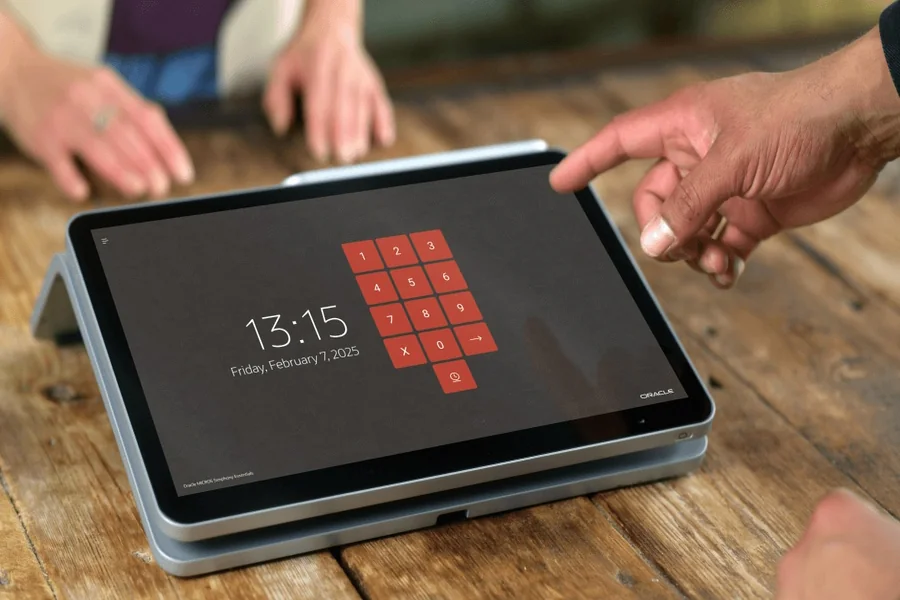
The restaurant industry has always thrived on good food, warm service, and memorable moments. But in recent years, something else has quietly slipped into the dining experience: mobility. The rise of tablets and handheld devices has transformed how restaurants take orders, process payments, and serve guests. What used to be a fixed counter-based system is now moving fluidly around the restaurant floor.
This shift isn’t just about replacing bulky hardware with sleek screens. It’s about rethinking the entire point of sale for restaurants, putting speed, convenience, and flexibility at the centre of operations. As customers become more digitally comfortable and expectations for seamless service continue to rise, mobility is quickly becoming a competitive necessity.
Here’s how tablet POS systems are reshaping the dining experience and why they’re becoming the new standard.
1. Orders on the Table, Not the Counter
In traditional setups, servers move back and forth among tables and a central point-of-sale terminal, and repeat lengthy orders either by memory or by scribbling them down. Each additional measure enhances the probability of delays and errors. Mobile POS systems eliminate it.
For tablets or handheld devices, servers can place orders directly from the table to the kitchen immediately. No reverse, no dead ends, no misunderstanding.
This means:
- Food hits the table faster.
- The process of kitchen work becomes easier.
- The customers are served with greater attention.
- Errors are much less significant.
- Higher speed and accuracy translate to higher table turnover – and higher revenue.
2. Quick Payments, Satisfied Customers
Waiting for the EFTPOS terminal to become available has always been a minor, annoying inconvenience for diners. At the time of receiving the bill, they desire to pay fast and go- particularly on lunch times or hectic evenings.
This is solved instantly with a tablet POS that has built-in payment integrations. Employees can take the mobile device to the table, split bills, leave tips, and make payments in just a few seconds.
This facilitates a smoother flow of meals at the end and allows staff to serve the next table more quickly. The experience is a factor in the industry, and the final interaction must be as smooth as the start.
3. Zero-Delay Real-Time Menu Updates
Menu items may sell out randomly, even in a busy kitchen. It can be messy to update this information manually on stationary POS terminals, or to ask all members of staff to remember it.
A modern mobile point of sale for restaurants updates instantly across all devices. As the item sells out or the price is modified, the updated information is visible everywhere simultaneously on tablets used by servers, online menus, on kiosks, and even on QR tableside ordering.
This eliminates:
- Miscommunication
- Customer disappointment
- Delays in service
- On-time visibility enhances staff performance and guest satisfaction.
4. Easier Workflow at Busy Times
Peak services are times when the boundless nature of traditional POS setups is exposed. Lines of staff waiting to use a single terminal not only slow operations but also cause stress. Tablets spread out the workload.
Rather than having a single bottlenecked terminal, several servers can receive orders, process payments, and update the table at the same time.
This creates:
- Less congestion
- Faster table turnover
- More relaxed staff
- A smoother dining rhythm
Customers can tell the difference when the restaurants are organised, even at their busiest.
5. Giving Staff More Control
Mobile POS systems provide servers with tools they never had.
They can:
- Adjust orders on the spot.
- Instant cheque modifier or allergens.
- View table statuses
- Manage seating
- Give a message to the kitchen.
- Refunds and adjustments to the process.
Rather than sending customers to the kitchen to verify with the kitchen staff or seeking a manager, the servers settle the matter right away. This kind of empowerment enhances confidence, effectiveness, and professionalism.
- Happy staff = better service.
- Service customers better = happier customers.
- Happier customers = repeat business.
6. Empowering Hybrid and Omnichannel Dining
Today, restaurants are no longer single-channel restaurants. They juggle:
- Dine-in
- Takeaway
- Delivery
- Online orders
- QR table ordering
- Restaurant Kiosks
A single modern point-of-sale system for restaurants manages all this. It is what is connected through mobility.
Online orders can be accessed by servers who can update stock, make reservations, and place in-house orders on their devices. It all works live, which makes it less confusing and facilitates the ultimate process.
What is created is a modern, organised, and responsive restaurant.
7. Analytics That Lead Wiser Decisions
A POS tablet stores all transactions, preferences, and interactions, turning daily operations into valuable data.
Restaurants can track:
- Top-selling menu items
- Slow-moving dishes
- Peak service times
- Staff performance
- Customer spending patterns
This understanding helps owners make better choices about staffing, menu design, pricing, promotion, and kitchen operations. Mobility not only makes the service faster but also smarter, and the business as well.
The tablet point of sale for restaurants is not just a trend; it is the definitive solution for operational excellence in modern hospitality. It takes the friction out of ordering and paying, puts precious time back in your staff’s hands, and ensures that every customer leaves feeling valued and keen to come back. That’s a winning recipe for any food business.