
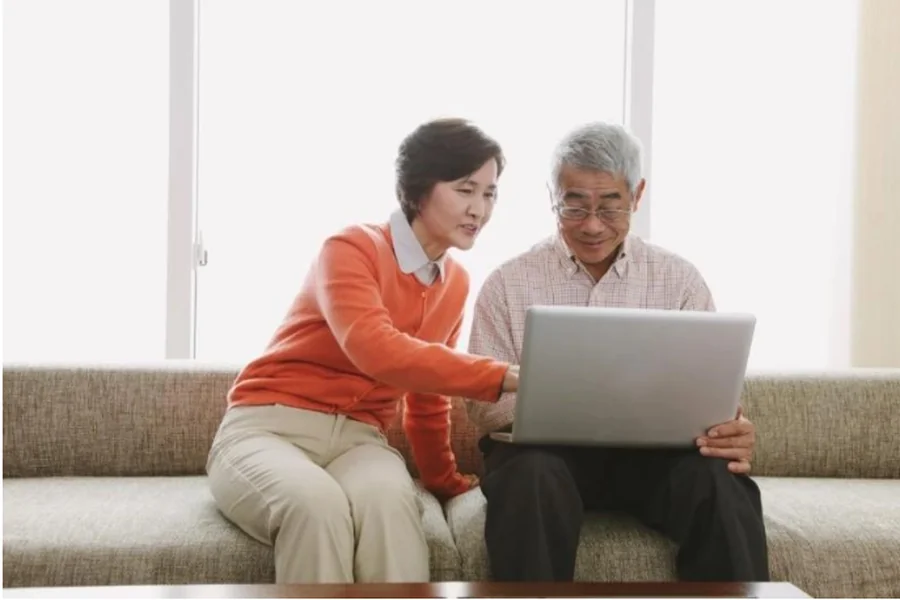
The process of taking care of a loved one at a distance can be uncomfortable. At times, you may question whether they would be safe on a normal stroll or whether they would get help promptly in the case of an emergency. This uncertainty can be daunting, particularly in cases where you are unable to be present at all.
Modern technology will provide a means to alleviate that tension without a loss of independence. GPS medical alert devices on mobile gadgets provide real-time tracking and communication. As a result, their presence establishes a linkage between security and liberty, which many households require.
This article discusses the way these systems help families stay informed, in touch, and more confident about everyday life.
1. Real-time Location Access
A GPS medical alert system is a mobile system that is used to provide families with the location of their loved one instantly. With this capability, real-time whereabouts check functionality eliminates much of the guesswork. As a result, when you have a clear picture of where the other person is located, then concern turns into reassurance.
A mobile GPS medical alert device enables a caregiver to monitor movement without initiating frequent phone calls. Consequently, this minimizes friction in relationships. At the same time, it also honors the autonomy of the individual who is wearing the device, but ensures that safety measures are in effect.
In case of a fall or an unexpected health problem, it is possible to find the person within a short period of time. A quick response time can result in improved outcomes, particularly during time-sensitive conditions such as stroke or cardiac issues.
2. Emergency Response Speed

A fast response can make a difference when it comes to medical cases. For instance, mobile alert systems provide direct contact to emergency assistance at the press of a button. This way, it eliminates delays that normally occur when one wants to call a phone.
Many systems also detect falls automatically. That feature matters because not every person can call for help after an accident. Research highlights that delayed assistance increases risk in older adults, especially after falls or mobility-related injuries. Clinical evidence shows that faster medical intervention significantly improves recovery rates and reduces complications, particularly in time-sensitive emergencies such as stroke.
This process can be enhanced by GPS-enabled alerts that provide precise location information to responders. As a result, emergency teams no longer must depend on imprecise descriptions.
3. Family Communication Stays Clear and Simple
When there are many caregivers, communication can very easily collapse. To address this, centralization of updates is supported by mobile GPS medical alerts. As a result, all people related to the system are provided with consistent and timely information.
Caregivers will be notified whenever certain events occur. For example, alerts can be activated when a loved one goes out of a specially designated safe zone or touches an emergency button. As a result, these updates will eliminate the necessity of using check-ins several times.
Clear communication also reduces stress among family members. When everyone has access to the same data, misunderstandings decrease. A structured communication flow supports better coordination, especially in households managing complex care needs.
4. Independence Remains Intact For Users
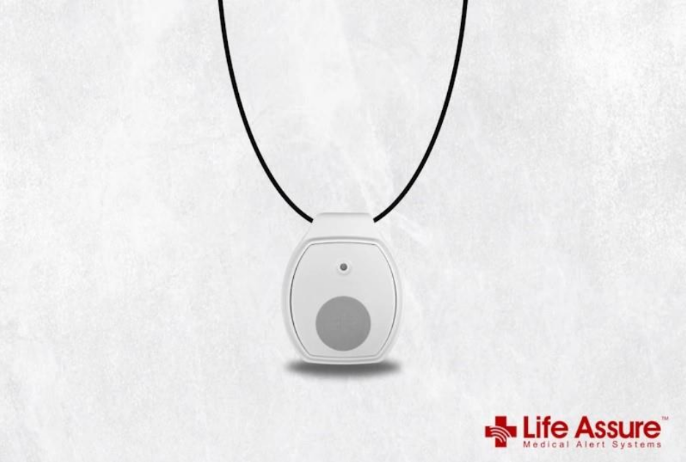
Loss of independence is one of the primary concerns with monitoring tools. Most individuals do not readily accommodate solutions that seem restrictive or intrusive. Mobile GPS medical alerts meet that need by providing safety without being restrictive.
Users can find their way around without loss of access to assistance. The device operates silently in the background, meaning that routine activities are not disturbed. This balance motivates regular use, which is vital to effectiveness.
Independence helps with mental well-being as well. Research indicates that older adults with high emotional health respond highly to autonomy. Moreover, the importance of maintaining independence enhances quality of life and minimizes anxiety among older populations.
5. Care Planning Becomes More Informed
Families can make improved care decisions due to the availability of real-time data. The movement, level of activity, and alert patterns can also disclose significant findings over time. These insights assist in detecting possible risks before they escalate.
An example would be a reduction in daily movement, which, in turn, can indicate a health problem. Similarly, the presence of frequent warnings in some areas may be a sign of some environmental dangers. Consequently, this information can empower families to modify the care plan or add more support as they need it.
This shift reduces emergency situations and improves long-term outcomes. It also gives caregivers a clearer understanding of what their loved one truly needs on a daily basis.
6. Consistent Peace of Mind
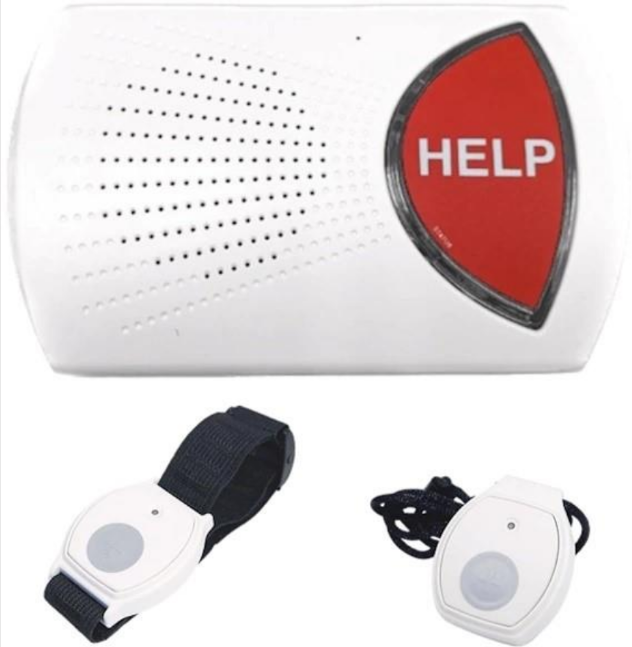
Caregivers may become tired of constant worry. Fortunately, mobile GPS medical alerts alleviate that cognitive load of safety by offering viable safety assistance. Moreover, the fact that assistance is never far away alters the way families tackle care.
Additionally, risk elimination does not result in peace of mind. Rather, it is the result of risk management. In this way, these systems provide a means to remain connected with ease.
Over time, families often notice a shift in their daily interactions. Conversations become less about checking in and more about meaningful connection. That change improves the overall quality of relationships and caregiving experiences.
Conclusion
Mobile GPS medical alert does not just provide emergency assistance. In fact, they establish a trusted bond between families and loved ones. Additionally, real-time monitoring, sooner response, and better communication can help make every day a safer, more confident one.
In case you support a person who prefers to remain independent and use more safety measures, then you should introduce a mobile alerting system into your habits. To begin with, the first step involves defining major issues, and afterward, selecting a solution that meets those requirements. Ultimately, even little steps could have a significant effect.