
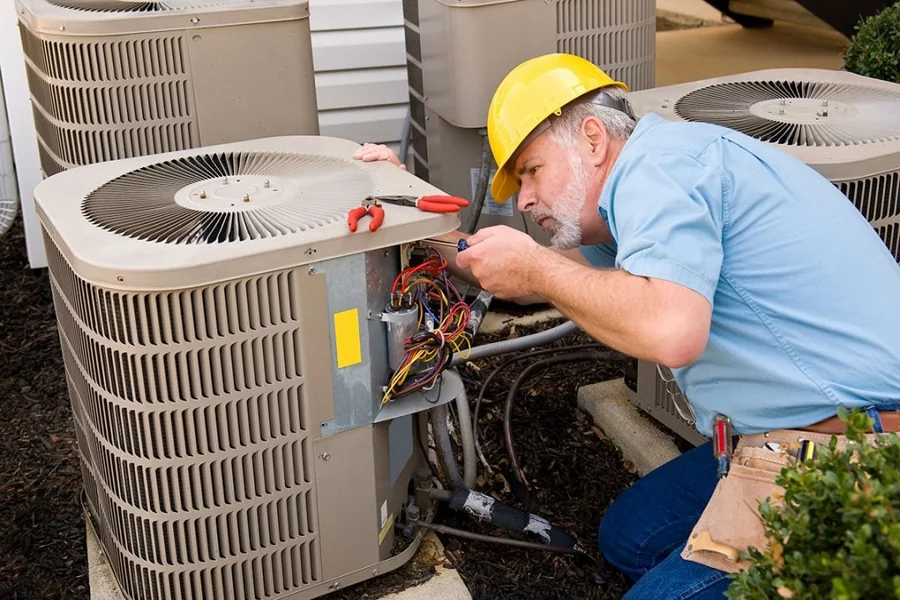
Short cycling is one of the most frustrating issues homeowners experience with heating and cooling systems. When a unit turns on and off too frequently, comfort drops, energy use rises, and components wear out faster than expected. This behavior often indicates underlying system imbalances rather than a single failed component. Addressing short cycling requires careful observation, methodical testing, and a clear understanding of how different components interact under real operating conditions. HVAC contractors approach this problem by looking beyond surface symptoms and focusing on system behavior over time. Their goal is to stabilize run cycles, restore consistent temperatures, and reduce unnecessary strain on equipment. By addressing airflow, controls, and system sizing together, they help households regain comfort while extending equipment life and improving day-to-day reliability.
Beyond simple maintenance tasks like changing an air filter, persistent issues often stem from deeper mechanical failures that require expert intervention. A professional technician can accurately diagnose if the problem lies with a faulty limit switch or an incorrectly sized unit that struggles to regulate temperatures effectively. Securing a reliable Furnace repair service is essential when these safety sensors repeatedly trigger shutdowns to protect the system from permanent damage. Addressing these underlying causes early prevents the excessive wear and tear that typically leads to expensive blower motor failures or cracked heat exchangers. Proper calibration of the thermostat and internal components ensures the heating system returns to a safe and efficient operational rhythm.
Recognizing Short Cycling Patterns in Real Homes
One of the first steps HVAC contractors take is to determine whether short cycling is occurring or if the system is responding to unusual indoor conditions. Short cycling is characterized by repeated start-stop cycles that prevent a heating or cooling cycle from completing its normal duration. Contractors often ask occupants about temperature swings, humidity changes, and unusual sounds, then compare these observations with actual run times. They monitor how long the system stays on, how quickly it shuts down, and how soon it restarts. This process helps distinguish short cycling from thermostat adjustments or weather-driven demand changes. In coastal climates, including work handled by an HVAC contractor in Panama City, humidity loads can further complicate system behavior, making careful diagnosis essential. Understanding these patterns ensures that corrective steps target the real cause rather than masking symptoms.
-
Investigating Thermostat Placement and Control Accuracy
Thermostats play a larger role in short cycling than many homeowners realize. HVAC contractors evaluate whether a thermostat is located near heat sources, direct sunlight, or high-traffic areas that can distort temperature readings. If the thermostat senses rapid temperature changes, it may signal the system to shut off prematurely. Contractors also check calibration accuracy and compatibility with the installed equipment. Modern systems often require specific control logic, and mismatched thermostats can cause rapid cycling even when the mechanical components are functioning properly. Wiring connections are inspected to rule out intermittent signals that mimic temperature changes. By ensuring the thermostat accurately reflects average indoor conditions, contractors help stabilize cycle lengths and reduce unnecessary starts, improving comfort and lowering long-term mechanical stress.
-
Airflow Restrictions and Their Impact on Cycle Length
Restricted airflow is a common but frequently overlooked contributor to short cycling. HVAC contractors inspect air filters, return grilles, supply vents, and ductwork for obstructions that restrict airflow. When airflow is reduced, the system reaches its target temperature too quickly at the sensor level, triggering an early shutdown. At the same time, other areas of the home may remain uncomfortable, prompting repeated restarts. Contractors measure static pressure and compare it to manufacturer guidelines to determine whether ducts are undersized or blocked. They also look for collapsed flex ducts or closed dampers that disrupt balance. Restoring proper airflow enables heat-exchange processes to operate as intended, resulting in longer, steadier cycles that distribute conditioned air more evenly throughout the space.
-
Evaluating System Sizing and Load Matching
An oversized heating or cooling unit can short-cycle even when all components are working correctly. HVAC contractors assess whether the system capacity matches the building’s actual load. If a unit is too large, it can satisfy the thermostat setting rapidly without adequately managing humidity or maintaining stable temperatures. Contractors review installation records, perform load calculations, and account for changes to the home since installation, such as insulation upgrades or room additions. These factors can alter demand significantly. When mismatches are identified, contractors may recommend adjustments that improve runtime stability, such as airflow modifications or control changes. Proper load matching ensures that the system operates within its intended range, reducing cycling frequency and improving overall comfort.
-
Checking Safety Switches and Electrical Components
Short cycling can also be triggered by safety controls designed to protect equipment. HVAC contractors inspect high-limit switches, pressure switches, and electrical connections to ensure they are functioning correctly. A safety switch that trips too easily can shut the system down before a full cycle completes, causing repeated restarts. Loose wiring, failing relays, or inconsistent voltage can mimic fault conditions and interrupt operation. Contractors use diagnostic tools to monitor electrical signals during startup and shutdown sequences. By identifying and correcting these issues, they prevent unnecessary interruptions while maintaining protective safeguards. Stable electrical performance ensures consistent operation and reduces the risk of component damage from frequent power fluctuations.
When an HVAC system begins to toggle on and off too frequently, the strain on internal components increases significantly, leading to accelerated wear and higher energy consumption. Homeowners often mistake these brief bursts of activity for efficient operation, but this pattern typically indicates an underlying issue such as a clogged filter, a malfunctioning thermostat, or an improperly sized unit. Identifying the root cause early is essential for maintaining a comfortable living environment and preventing a total system breakdown. Professional technicians often recommend a comprehensive Furnace repair service to evaluate the heat exchanger and sensors, ensuring that the heating cycle remains steady and safe throughout the colder months. Addressing these small glitches promptly safeguards the longevity of the entire installation.
-
Addressing Refrigerant and Heat Exchange Balance
Refrigerant levels and heat-exchange efficiency directly affect cycle duration. HVAC contractors check for leaks, improper charge levels, and heat exchanger cleanliness when investigating short cycling. An overcharged or undercharged system can reach cutoff temperatures too quickly or trigger pressure-related shutdowns. Dirty coils reduce heat transfer efficiency, forcing the system to work harder and cycle erratically. Contractors measure pressures and temperatures at multiple points to confirm balanced operation. Cleaning or correcting refrigerant issues allows the system to absorb and release heat at a steady rate. This balance supports longer run times, more consistent indoor conditions, and reduced mechanical strain across the system.
When an air conditioning system frequently shuts down before reaching the desired temperature, it often indicates a significant underlying mechanical or electrical fault. Homeowners may initially suspect a simple thermostat glitch, but persistent issues typically point toward restricted airflow or failing electrical components like capacitors and contactors. Finding reliable hvac near me results in a thorough inspection that can pinpoint whether the root cause is a refrigerant leak or an oversized unit that cools the space too quickly. Professional diagnostic services remain essential for accurately identifying these complexities, as ignoring early warning signs frequently results in expensive compressor damage or complete system failure over time.
-
A Focused Look at Minor Adjustments
Some short-cycling issues can be resolved through targeted refinements rather than major repairs. HVAC contractors may adjust fan settings, recalibrate controls, or modify airflow distribution to improve cycle behavior. These small changes often make a noticeable difference when the system is otherwise in good condition. By fine-tuning how components interact, contractors help the equipment operate more smoothly under varying conditions. This approach emphasizes efficiency and stability without unnecessary replacements.
For homeowners experiencing short cycling, it’s crucial to address the issue promptly to prevent further damage to the HVAC system. Regular maintenance checks can help identify potential problems before they escalate. If you’re unsure about the condition of your system, consulting with a professional can provide peace of mind. They can assess the situation and recommend the best course of action. For those seeking expert advice or immediate assistance, you can click to visit a trusted service provider who can offer tailored solutions to meet your needs. Taking proactive steps not only ensures the longevity of your system but also enhances its efficiency, ultimately saving on energy costs.
-
Long-Term Monitoring and Preventive Strategies
After resolving immediate causes, HVAC contractors often recommend ongoing monitoring to prevent short cycling from returning. They may recommend periodic inspections to monitor changes in system behavior as the seasons shift. Preventive maintenance helps identify developing issues before they disrupt the cycle length again. Contractors also educate homeowners on filter replacement schedules and thermostat use habits that support stable operation. Over time, these practices reduce the likelihood of recurring problems and extend equipment lifespan. Consistent performance depends on both professional oversight and informed daily use, making collaboration between contractors and occupants an important part of long-term system health.
When your cooling system repeatedly fails to complete a full cycle, the resulting strain on the compressor can lead to premature mechanical failure and skyrocketing utility costs. This phenomenon often stems from underlying issues like restricted airflow, low refrigerant levels, or a miscalibrated thermostat. Homeowners who experience these erratic patterns often rely on Haltom City air conditioning repair services to accurately diagnose whether the root cause is a simple electrical fault or a more complex system sizing error. Addressing these irregularities early prevents the long-term damage associated with frequent starting and stopping. Maintaining consistent operation ensures the unit effectively manages humidity levels, providing a more comfortable and energy-efficient environment for the entire household.
A single isolated fault rarely causes short cycling. HVAC contractors address it by evaluating how controls, airflow, system size, and mechanical components work together under real conditions. Their process combines observation, testing, and thoughtful adjustments that restore balanced operation. By focusing on cycle stability rather than quick fixes, they help systems run more efficiently and reliably over time. Homeowners benefit from improved comfort, lower energy use, and reduced wear on critical parts. When short cycling is handled correctly, heating and cooling equipment can deliver consistent performance that aligns with both indoor needs and long-term reliability goals.