
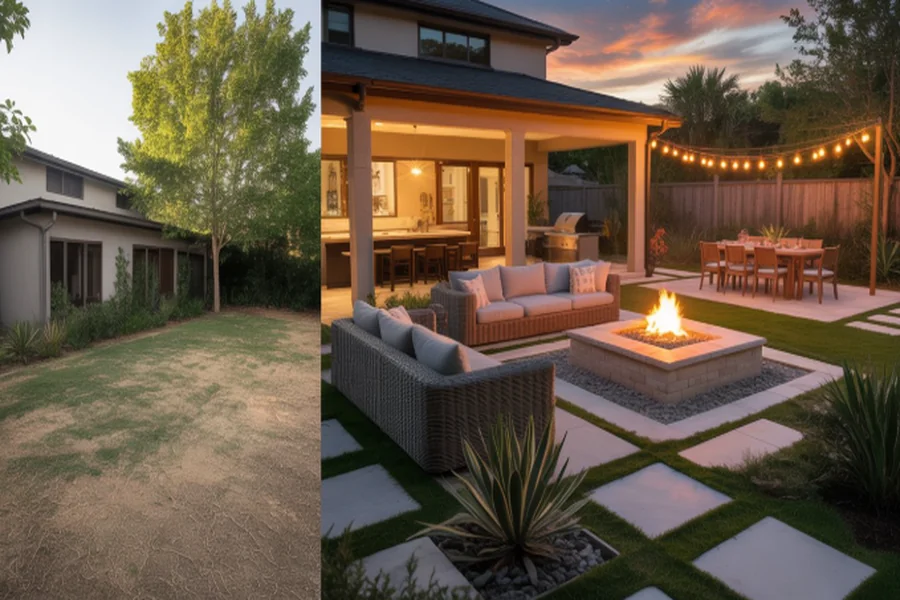
A surprising number of backyards sit half-finished or underused. There’s a grill in the corner, maybe a small patio slab, and a stretch of grass that never quite becomes anything meaningful.
The problem isn’t square footage. Its intention.
If you’re considering adding or upgrading a deck, the goal shouldn’t be to “add value” in the abstract. It should be to create a space that genuinely improves how you live day to day. Here’s how to plan an outdoor layout that feels purposeful, cohesive, and worth the investment.
Start With Lifestyle, Not Lumber
Before thinking about materials or square footage, ask one essential question: How do you actually want to use this space?
- Common answers include:
- Quiet morning coffee
- Hosting small dinner gatherings
- A shaded reading area
- Outdoor workouts
A safe, visible play zone for kids
Each of these requires a different layout strategy. A deck designed for entertaining 12 people looks very different from one built for peaceful solitude.
Professionals like US Quality of Lexington often begin projects by discussing homeowner habits first, structure second. That sequence matters. When use cases drive design, the space gets used.
Divide the Space Into Functional Zones
One of the biggest design mistakes homeowners make is creating a single, undefined platform.
Instead, think in zones.
-
Dining Zone
Position this closest to the kitchen for easy access. Allow enough clearance around the table for chairs to slide out comfortably. Built-in benches can save space and create visual structure.
-
Lounge Zone
This area benefits from partial shade, either from pergolas, strategic railing height, or nearby landscaping. Arrange seating inward to encourage conversation rather than facing outward toward the yard.
-
Transition Zone
Steps, pathways, and railing design should guide movement naturally. This prevents the deck from feeling disconnected from the yard.
Zoning makes even a modest deck feel intentional and layered.
Consider Flow Between Indoors and Outdoors
A deck should feel like a continuation of your interior, not an afterthought attached to the house. Pay attention to:
- Door placement and traffic patterns
- Flooring tones that complement interior finishes
- Sightlines from inside the home
If your living room has warm wood flooring, choosing complementary deck tones creates visual harmony. Large sliding doors aligned with the main gathering zone enhance flow and make the space feel larger.
When outdoor design mirrors interior rhythm, the transition becomes seamless.
Design for Comfort, Not Just Aesthetics
A visually appealing deck that’s uncomfortable won’t be used.
Think about:
- Sun exposure at different times of day
- Wind direction
- Privacy from neighbors
- Lighting for evening use
In many cases, small structural changes make a dramatic difference. A privacy screen or pergola can transform a hot, exposed platform into a comfortable retreat. Integrated lighting extends usability beyond sunset and enhances ambiance without harsh glare.
These elements often determine whether the deck becomes part of daily life or remains decorative.
Build for Real-World Maintenance
An intentional outdoor space should reduce stress, not add to it.
Material choice plays a huge role in long-term satisfaction. While traditional wood offers natural beauty, modern composite materials provide durability and lower maintenance.
Consider:
- How much time do you realistically want to spend staining or sealing? ● Your local climate conditions
- Resistance to moisture and fading
A well-built structure using appropriate materials prevents common regrets five years down the line. The most beautiful design means little if it deteriorates quickly or becomes a maintenance burden.
Think Beyond the Deck Surface
The most successful outdoor living spaces integrate more than just flooring. Enhancements to consider:
- Built-in seating to define zones
- Planters for natural softness
- Under-deck storage solutions
- Multi-level platforms to create depth
Multi-level decks, in particular, add dimension and separate activities without requiring massive square footage. A small elevation change can visually anchor dining and lounge areas while maintaining openness.
Avoid the “Bigger Is Better” Trap
It’s easy to assume that maximizing square footage automatically improves usability. In reality, oversized decks can feel empty and difficult to furnish.
A better strategy is proportional design.
Measure your furniture first. Map out walking space. Ensure there’s enough room to move comfortably, but not so much that the area feels sparse.
Intentional scale creates intimacy, and intimacy creates use.
Align the Investment With Long-Term Living
Home improvement trends come and go, but thoughtful outdoor spaces remain relevant because they serve daily routines.
Before committing to a design, imagine:
- A weekday morning
- A relaxed Saturday afternoon
- A casual dinner with friends
If the layout supports those scenarios effortlessly, you’re on the right path.
Collaborating with experienced builders ensures structural integrity and design alignment. Companies such as US Quality of Lexington focus not just on construction, but on crafting decks that integrate with the home’s architecture and the homeowner’s lifestyle goals.
That alignment is what transforms a platform into a living space.
Final Thoughts: Build With Intention
An empty backyard represents potential. But potential only becomes value when it’s shaped around real human habits.
A deck that actually gets used isn’t defined by size or trendiness. It’s defined by clarity of purpose, thoughtful zoning, comfort considerations, and seamless integration with the home.
When design begins with lifestyle and ends with craftsmanship, the result is more than an exterior upgrade. It’s a daily-use space that supports connection, relaxation, and intentional living.
And that’s the kind of improvement that truly lasts.