
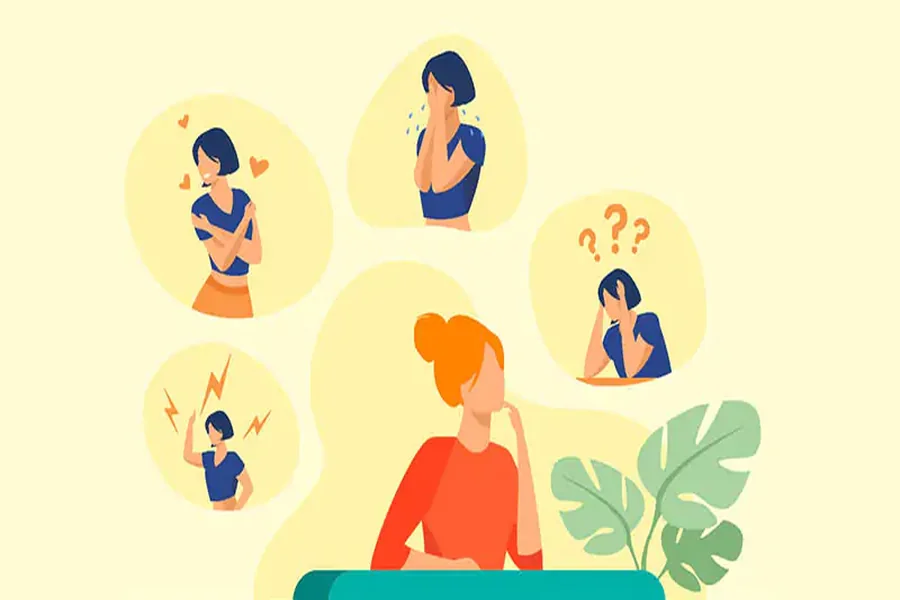
Hormonal health is fundamental to women’s overall wellbeing, yet it’s a topic that often feels shrouded in confusion and misinformation. From menstrual irregularities to perimenopause to estrogen-related concerns, hormonal fluctuations affect virtually every woman at some point in her life. Understanding your treatment options and practical self-care strategies empowers you to take control of your health and feel your best.
The menstrual cycle is regulated by complex interactions between several hormones—estrogen, progesterone, FSH, and LH—that fluctuate throughout the month. When these hormones are in balance, most women experience fairly predictable cycles with manageable symptoms. But for many women, hormonal imbalances create significant disruptions, from severe PMS to painful periods to irregular cycles that make life planning difficult.
Understanding Common Hormonal Imbalances
Common hormonal imbalances include polycystic ovary syndrome (PCOS), which affects approximately 1 in 10 women of reproductive age; irregular menstrual cycles related to thyroid dysfunction; and perimenopause symptoms that can begin years before official menopause. Each of these conditions benefits from a combination of medical treatment and lifestyle modifications.
Estrogen-Based Treatments and Your Options
Estrogen-based treatments are often part of the solution for hormonal health concerns. Estrogen is available in various forms—oral pills, patches, creams, gels, and even sprays—allowing for flexible treatment approaches tailored to individual needs. For some women, estrogen replacement addresses symptoms effectively and improves quality of life during challenging hormonal transitions. For others, the goal is minimizing hormonal fluctuations or supplementing deficient hormone levels.
Topical Estrogen and Vaginal Microbiome Support
One form of estrogen treatment that some women use is topical estrogen cream. This approach can be helpful for vaginal atrophy, a common issue particularly during menopause when estrogen levels decline. Topical estrogen is absorbed through the vaginal tissue and provides localized relief from symptoms like vaginal dryness and discomfort during intercourse. If you’re considering this treatment, understanding proper application technique is important for both effectiveness and safety. Proper guidance on how to apply estrogen cream with finger ensures that you’re getting the correct dose in the right location for optimal absorption.
Another option increasingly used alongside estrogen therapy is a lactobacillus crispatus suppository, which helps restore healthy vaginal microbiome balance — an important factor in overall vaginal comfort and health during hormonal treatment.
Lifestyle Modifications for Hormonal Balance
Beyond medical treatments, lifestyle modifications are powerful tools for hormonal health. Regular exercise influences hormone levels and can reduce PMS symptoms and menstrual pain. Even moderate-intensity exercise like brisk walking or cycling for 30 minutes most days can make a meaningful difference. Stress management is equally important—chronic stress elevates cortisol, which can disrupt other hormone balances. Practices like meditation, yoga, deep breathing, or simply spending time in nature can help regulate your stress response.
Nutrition plays a surprisingly significant role in hormonal balance. Certain nutrients support healthy hormone function: omega-3 fatty acids, magnesium, vitamin B6, and vitamin D have all been linked to improved menstrual health and reduced PMS symptoms. Eating a diet rich in whole grains, lean proteins, healthy fats, and abundant vegetables provides these nutrients naturally. Additionally, limiting caffeine and sugar—particularly in the luteal phase of your cycle when you’re more sensitive to these substances—can reduce hormonal symptoms.
Sleep is another critical factor often overlooked in hormone management. Hormones are regulated partly by your circadian rhythm, and poor sleep disrupts this regulation. Aiming for 7-9 hours of consistent, quality sleep each night supports hormonal balance and overall health.
Working With Your Healthcare Provider
If you’re experiencing hormonal imbalances, your first step should be consulting with a healthcare provider. They can run appropriate tests to determine whether you have specific hormonal issues like thyroid dysfunction or PCOS and discuss treatment options with you. Many hormonal concerns are highly treatable, and your provider can help you decide whether medication, lifestyle changes, or a combination approach is right for your situation.
It’s worth knowing that not all hormonal treatments are the same, and finding the right approach sometimes requires some trial and adjustment. What works beautifully for one woman might not be ideal for another. A good healthcare provider will listen to your concerns, monitor how you respond to treatment, and adjust as needed.
For women exploring complementary options alongside prescription treatment, our guide to weighing the benefits and drawbacks of popular menopause supplements can help inform a more complete conversation with your healthcare provider.
Many aspects of hormonal health are within your control. Regular exercise, stress management, good sleep, quality nutrition, and appropriate medical treatment when needed create a strong foundation for hormonal wellbeing. By taking a proactive, informed approach to your hormonal health, you can navigate the various stages of your life with greater comfort and confidence.