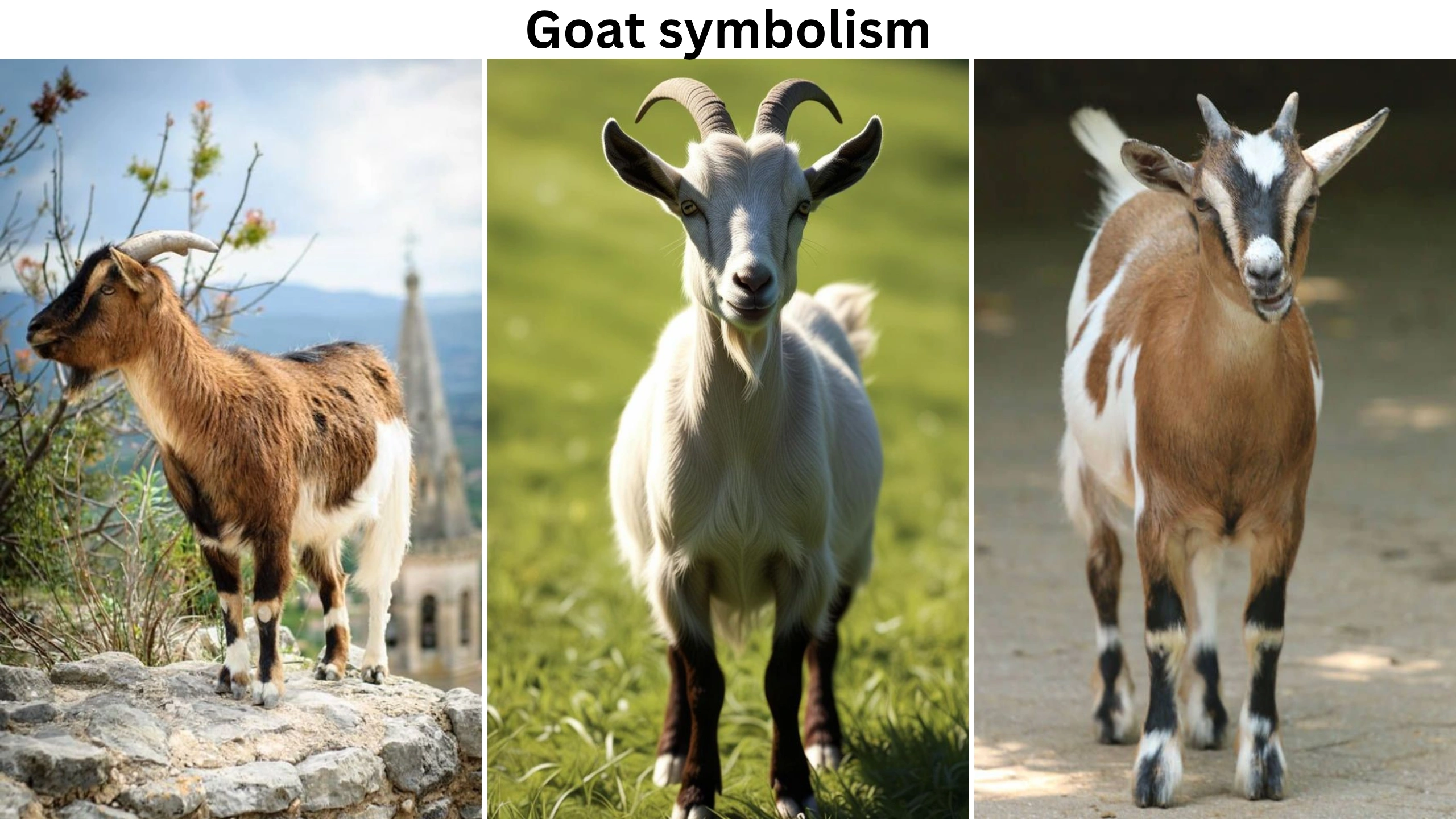
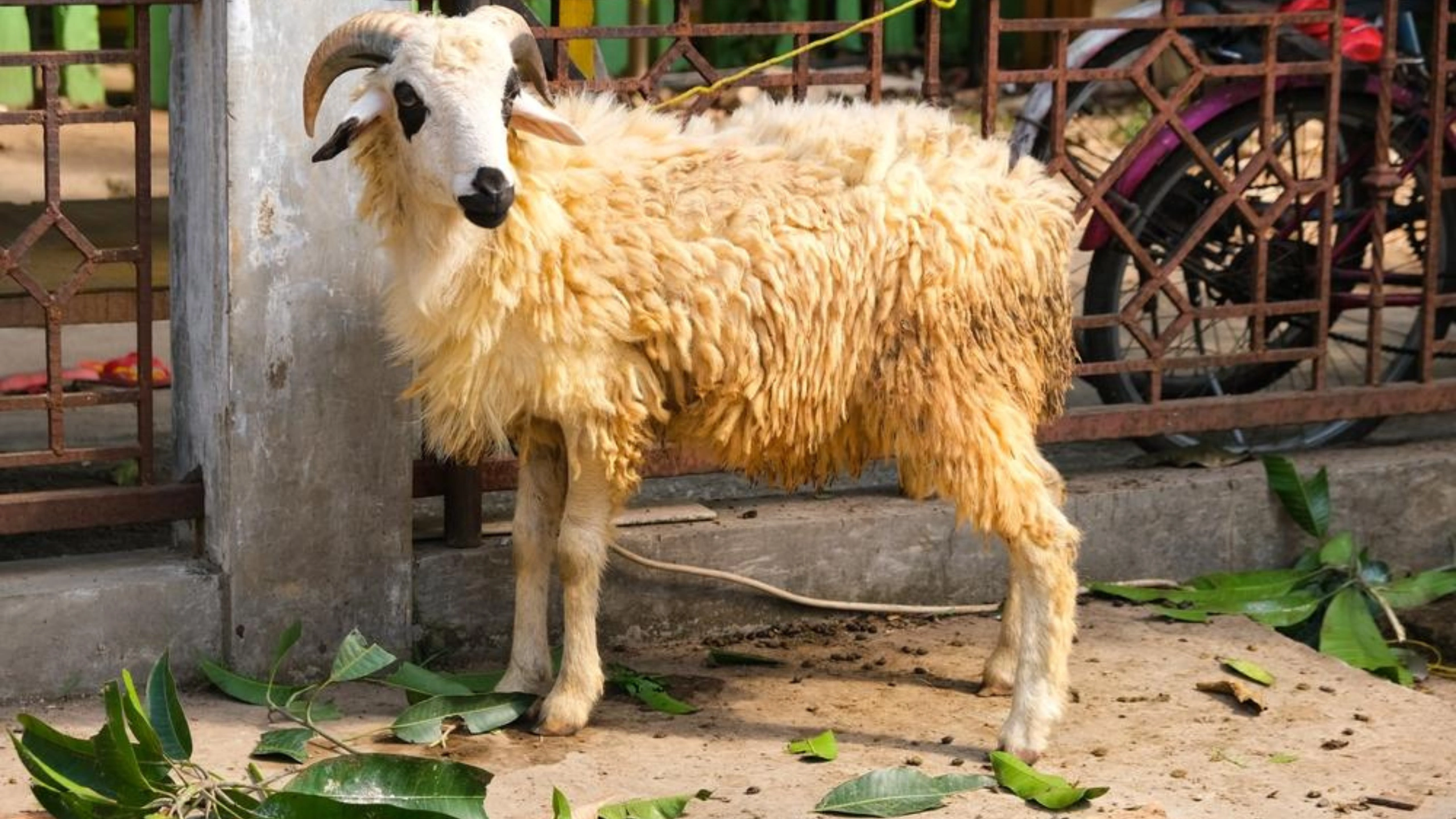
Goats symbolize resilience, adaptability, and intelligence, representing both strength and mischief. Across various cultures and religions, goats embody a rich tapestry of meanings, from Greek and Roman mythology, where Pan, the goat-god, personifies vitality and transformation, to Islamic practices where goats represent obedience and charity.
In Hinduism, goats are linked to sacrifice and spiritual devotion, while in modern times, the symbolism of goats has been embraced in astrology, with Capricorn’s sea-goat representing perseverance and balance. From their presence in ancient myths and sacred rituals to their essential role in agriculture and dietary practices, goats continue to be powerful symbols of vitality, transformation, and nourishment.
They embody both the challenges and rewards of life’s journey, offering lessons in resilience, adaptability, and spiritual growth. Whether through their role in religious sacrifices or their symbolism of fertility and strength, goats inspire us to embrace both the playful and powerful forces of nature in our lives.
The Goat
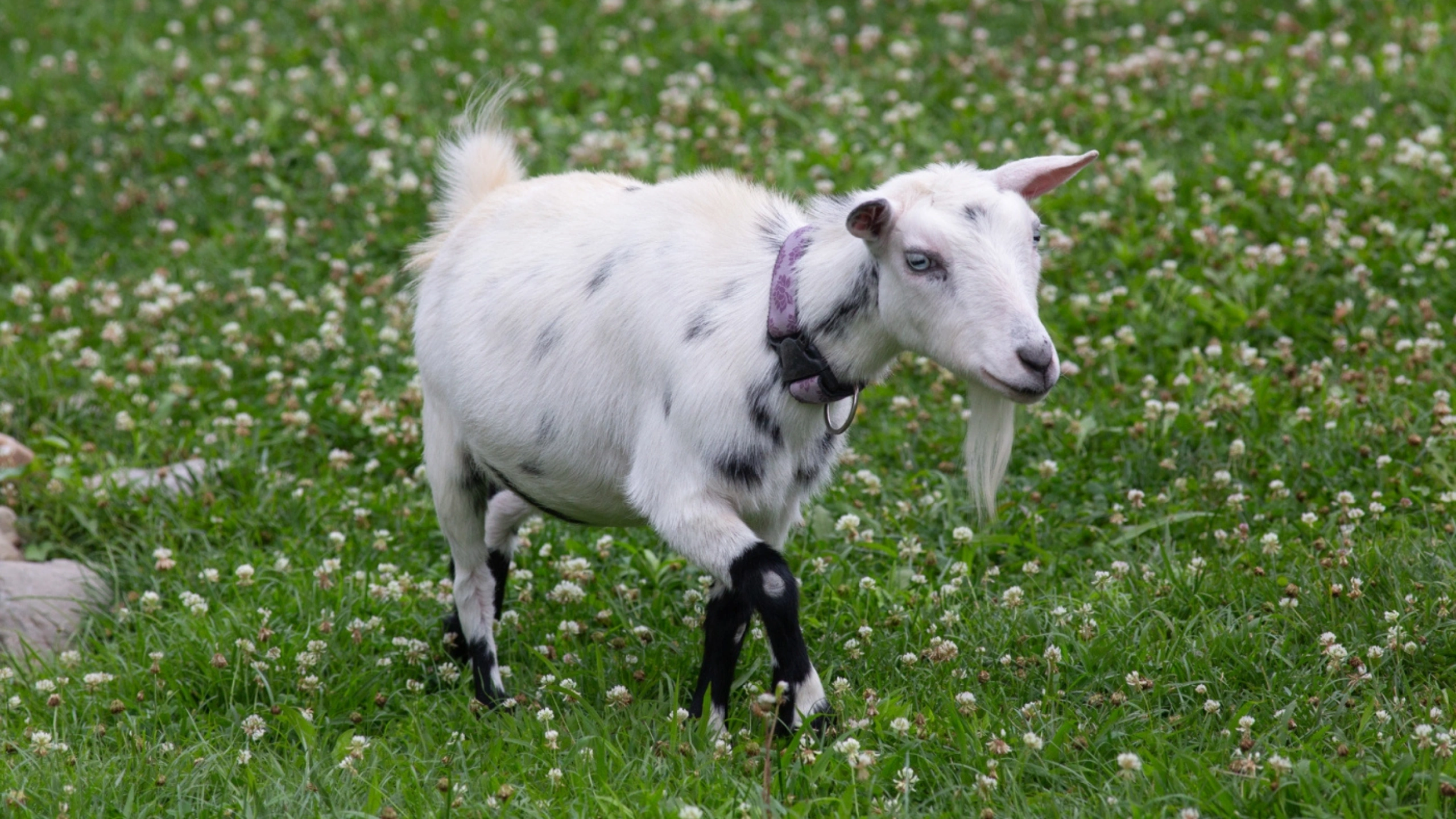
The goat is a powerful symbol of resilience, adaptability, and intelligence, often representing both strength and a playful sense of mischief. As part of the Capridae family, goats have supported human life for over 10,000 years, helping early agricultural societies move from hunter-gatherer lifestyles to more settled communities.
Their ability to survive in harsh and rocky environments makes them a symbol of endurance, survival, and facing life’s challenges with courage. Goats are admired for their agility and skill in overcoming obstacles mountain goats climb steep cliffs with ease, while domestic goats are clever enough to open gates and escape pens.
In mythology and dreams, goats are often seen as a link between the physical and spiritual worlds, representing themes of family, personal growth, and the ongoing journey of life. Their diverse symbolic meanings reflect our hopes, fears, and the need for wisdom during difficult times. The goat reminds us that through flexibility and persistence, we can rise above life’s toughest challenges.
Read also this article: Are Deer a Sign of Angels? Spiritual and Symbolic Meaning
Goat Symbolism Around The World
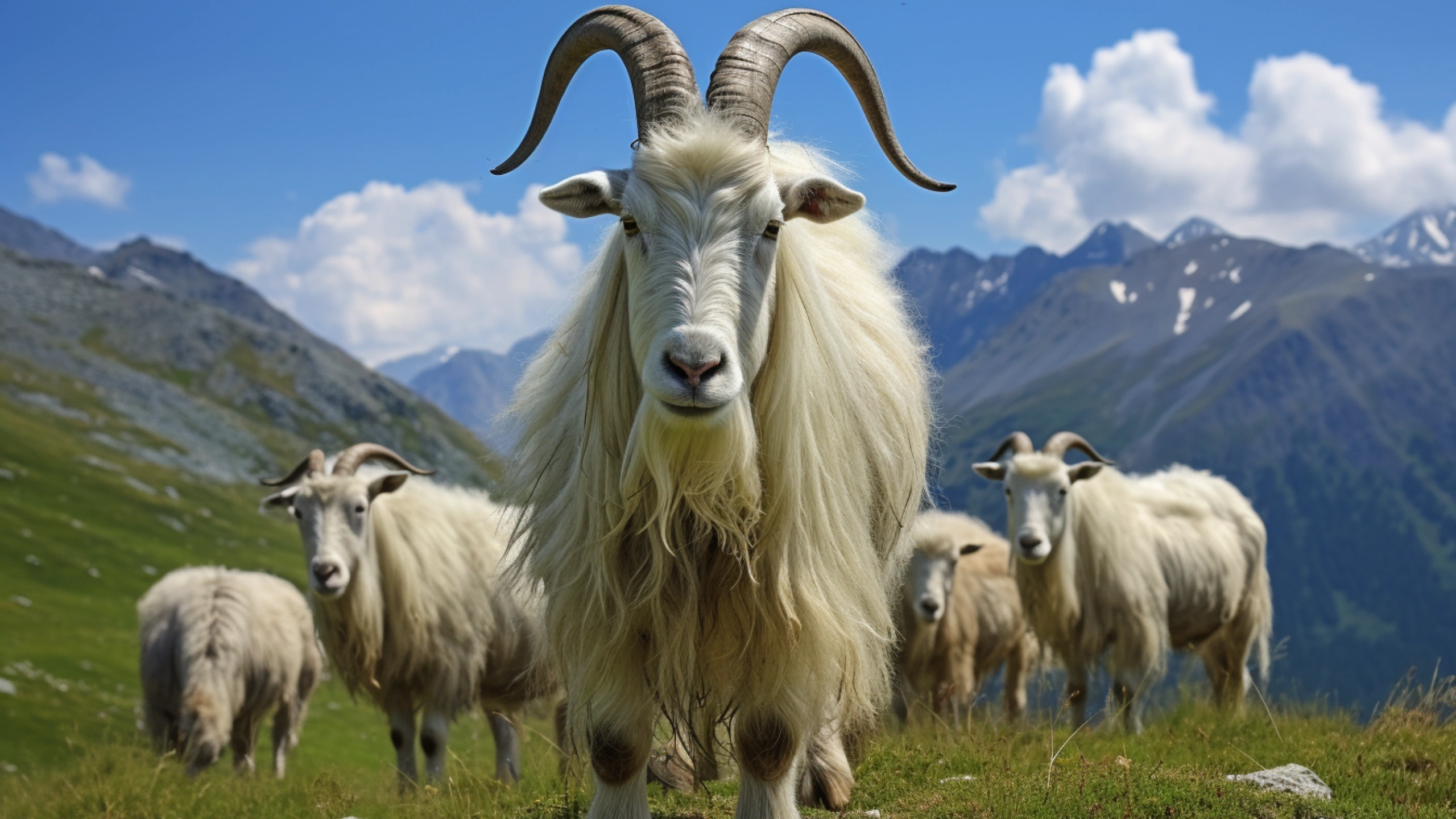
Goats symbolize strength, resilience, and adaptability in cultures around the world, carrying both practical and spiritual meaning. From the mountains of Tibet to the hills of Ireland, goats have been important companions to humans offering food, support, and even spiritual guidance. Their presence in daily life and cultural stories highlights their value in both survival and symbolic teachings.
In many traditions, goats are seen as spiritual guides, representing qualities like determination, endurance, and the ability to overcome challenges.
They are often symbols of fertility, abundance, and renewal, while also appearing in mythology and dreams as powerful symbols of inner strength and transformation. Whether as a dependable part of agricultural life or a deeper symbol in spiritual practices, goat symbolism reminds us of the strength within ourselves and the potential for growth through life’s trials.
The Importance of Nourishment
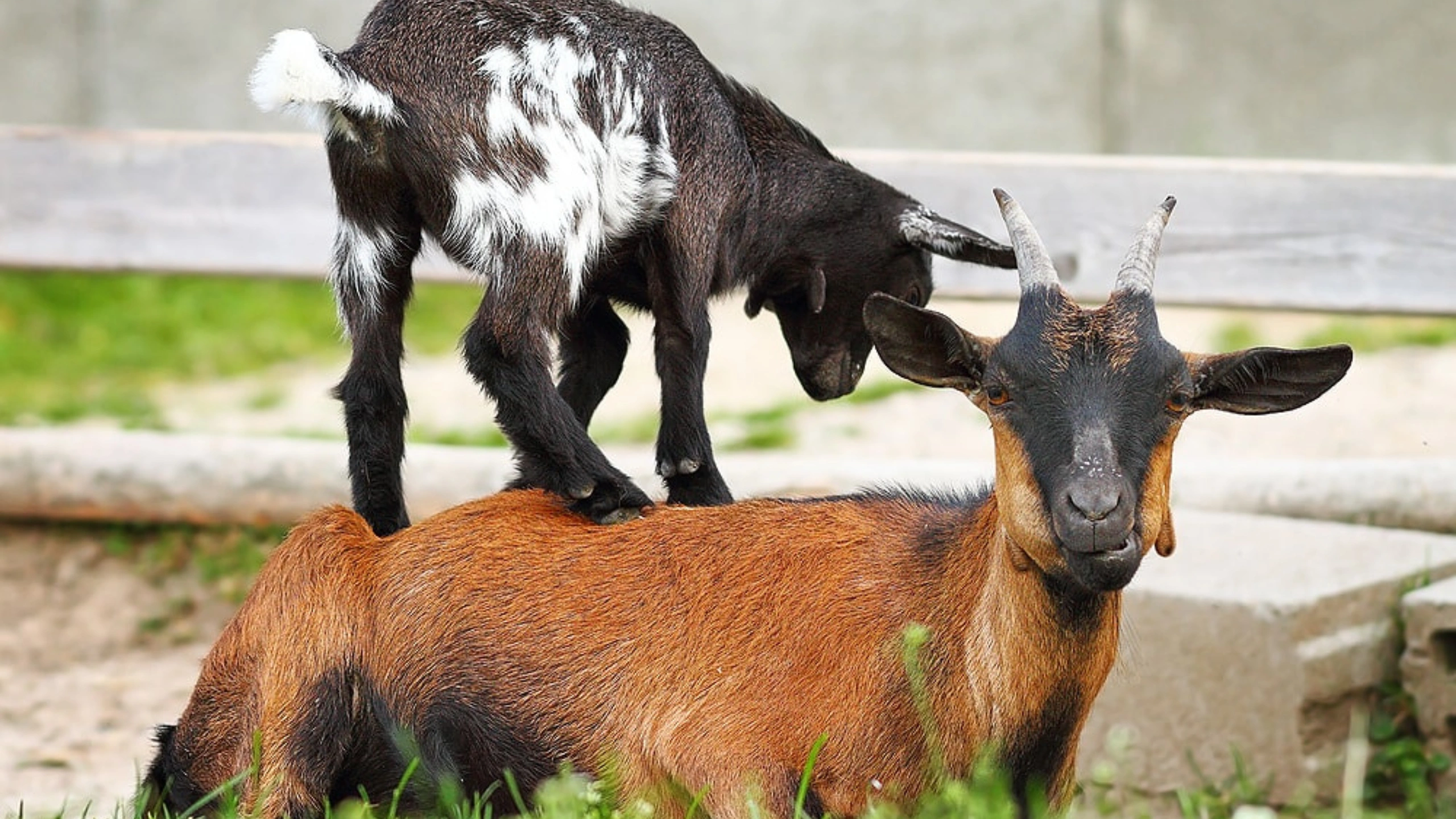
Nourishment is a key part of life, symbolizing the physical and spiritual support we need to grow and stay healthy. Goats have long been a source of nourishment for humans, providing important foods like goat’s milk and goat cheese. As symbols, goats represent the abundance of sustenance and remind us how vital proper nourishment is for maintaining balance and well-being.
Spiritually, nourishment goes beyond food. It also means taking care of our mind, body, and soul. While goats give us essential nutrients, they also remind us to practice self-care and seek holistic nourishment in every area of life. When we maintain this balance, we create space for abundance, healing, and inner peace, helping us live a more fulfilling and meaningful life.
Read also this article: Symbolism and Spiritual Meaning of a Deer Crossing Your Path
The Gift of the Goat’s
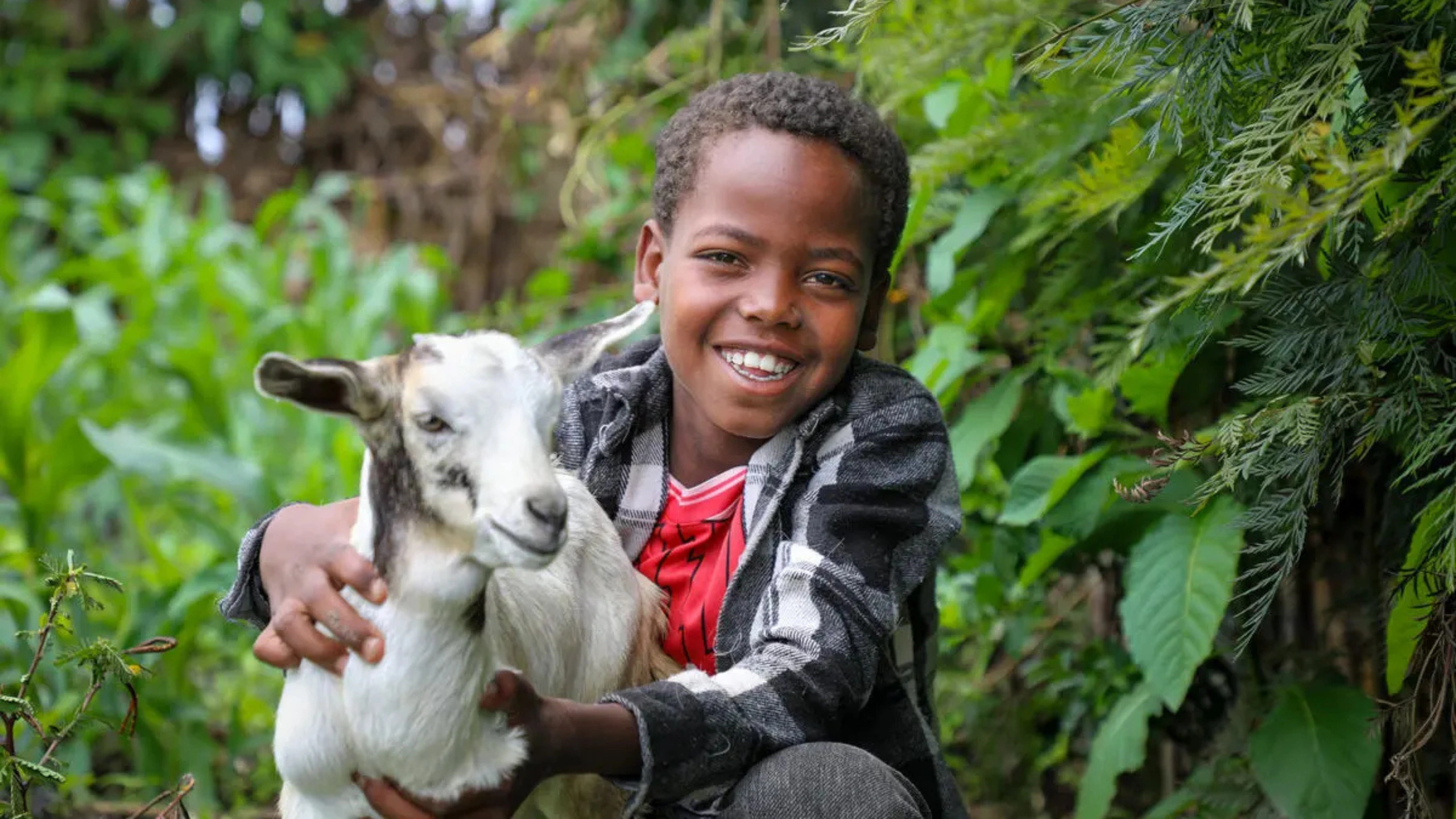
Goats offer valuable gifts that nourish not only the body but also enrich culture and daily life, providing essential resources used around the world. These four important contributions from goats show their incredible versatility and importance:
-
Goat’s Milk: Goat’s milk, known for its rich nutrient content and easier digestibility compared to cow’s milk, has been a vital food source in various cultures for centuries, particularly for individuals with dairy sensitivities.
-
Goat Meat: A lean, high-protein food, goat meat is enjoyed in many traditional dishes worldwide. It’s an important part of diets where nutritious, low-fat meat is valued.
-
Goat Cheese: From the soft chèvre of France to the firm manchego of Spain, goat cheese offers unique flavors and plays a key role in global culinary traditions.
-
Goat Hair & Goatskin: Breeds like the Angora goat produce soft fibers like mohair and cashmere, while goatskin is used to make strong leather for clothing, bags, and even traditional water containers.
The Spiritual Significance of Goat Colors
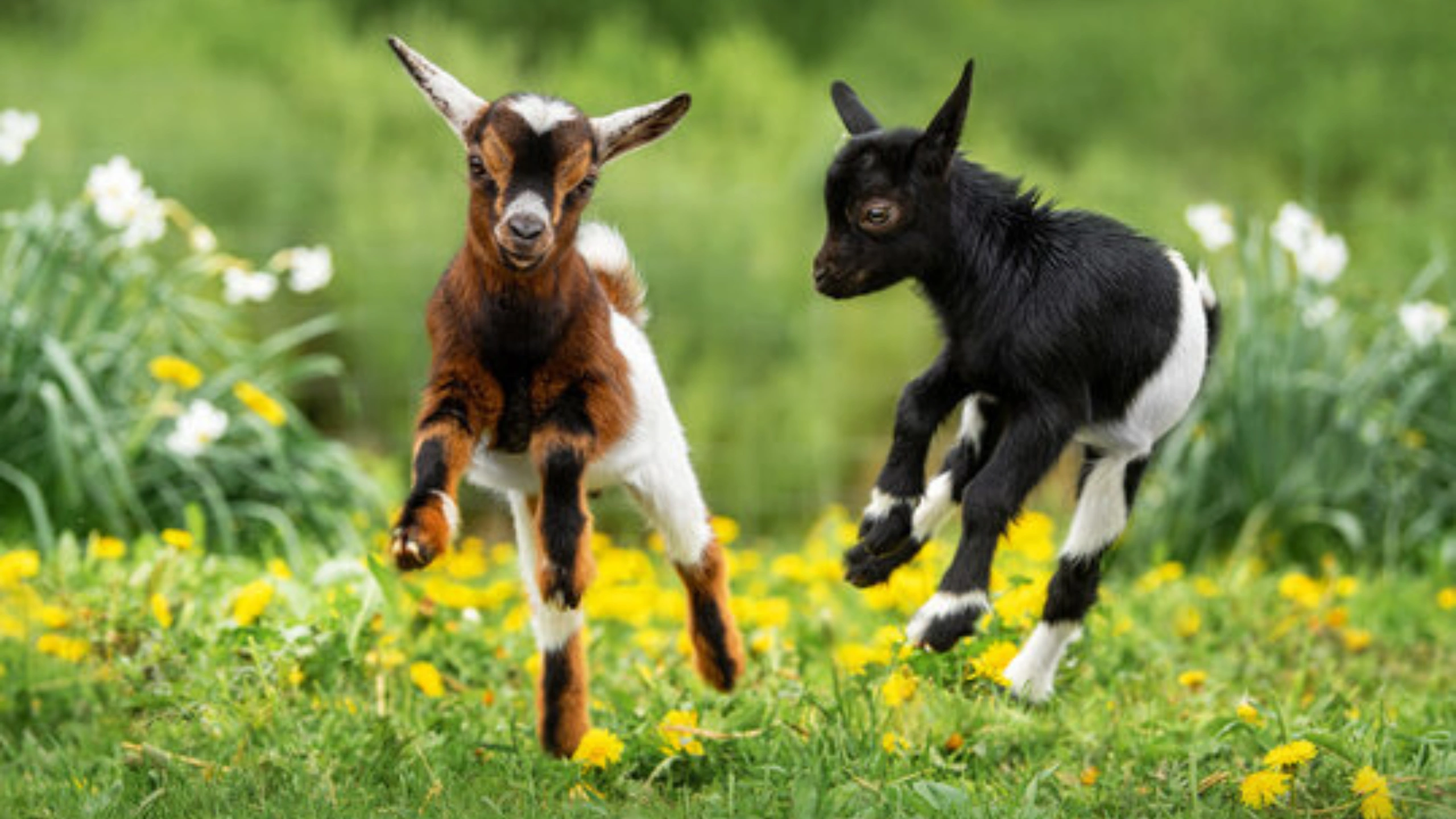
The spiritual meaning of goat colors carries deep symbolism, with each color reflecting a unique type of energy, guidance, and inner strength to help you through different areas of life.
Here are the spiritual significance of goat colors:
-
Brown or Grey Goats: These colors represent stability, resilience, and a strong connection to the earth. They offer support during difficult times, helping you stay grounded, focused, and connected to your roots.
-
Black goats: are linked to mystery, inner wisdom, and spiritual protection, guiding you through uncertainty. Black goat symbolism encourages you to look deeper within for answers and strength, representing resilience and spiritual guidance during times of transformation.
-
White goats: symbolize purity, clarity, and new beginnings. Their presence invites letting go of the past and stepping into a new chapter of life with peace and purpose. The white goat spiritual meaning encourages renewal and spiritual growth, symbolizing the clarity and hope that come with embracing new opportunities.
The Spiritual Meaning of Goat Numbers
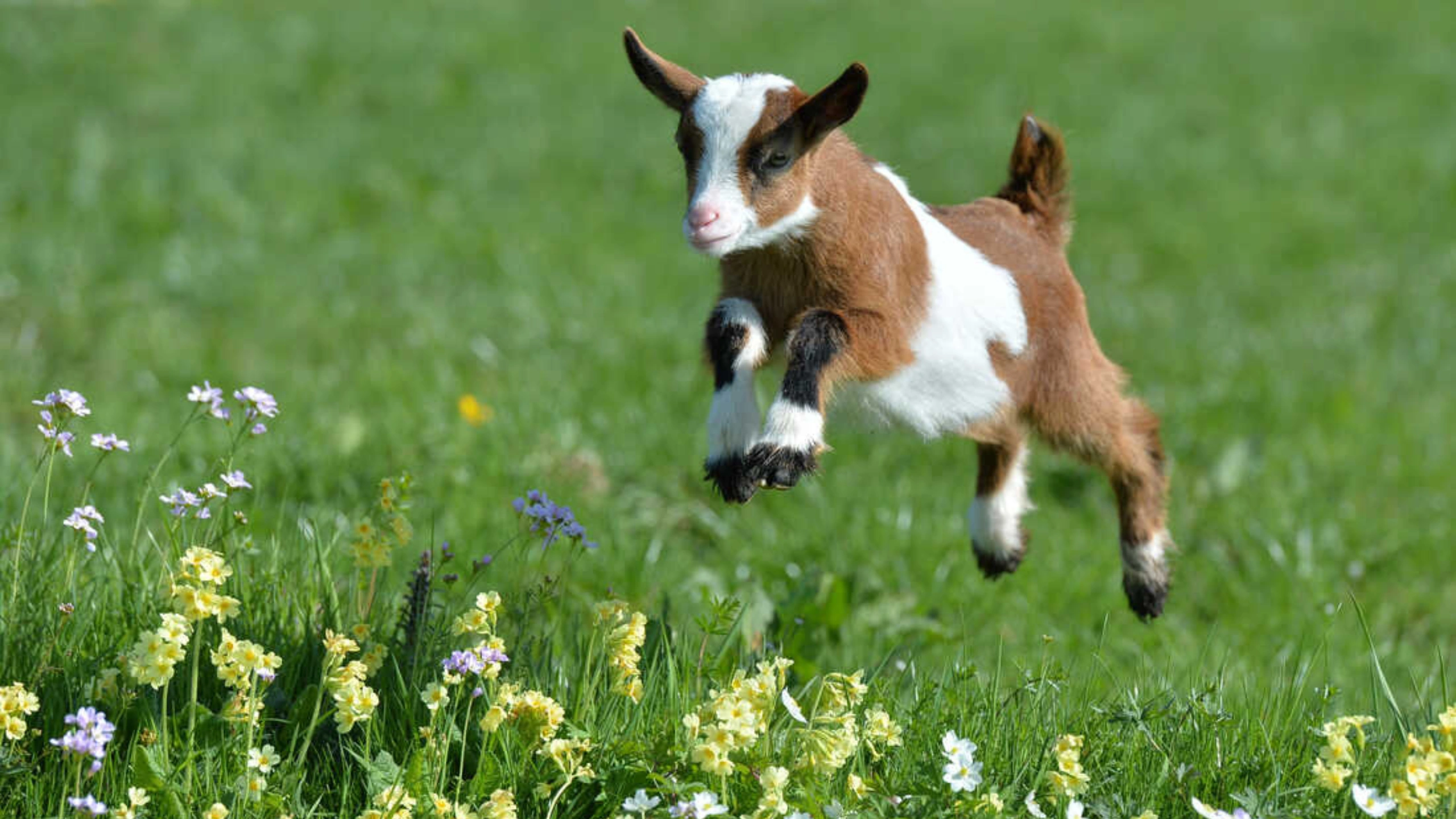
The number of goats you encounter can carry powerful spiritual messages, with each number offering insight into your current path and life journey. These numbers are often seen as symbolic patterns that reflect your inner growth, relationships, and future possibilities.
Here are the spiritual meaning of goat numbers:
-
One Goat: Seeing a single goat symbolizes independence, self-reliance, and personal strength. It encourages you to trust your individual journey and have confidence in your abilities.
-
Two Goats: This number represents partnership, balance, and mutual support. It may be a sign to focus on building healthy relationships and creating harmony in your connections with others.
-
Three or More Goats: A group of goats often symbolizes growth, abundance, and expansion. It suggests that prosperity, new opportunities, or success may be entering your life soon.
- Read also this article: Deer Staring at Me Spiritual Meaning and Deer Symbolism
Symbols of Prosperity and Wealth
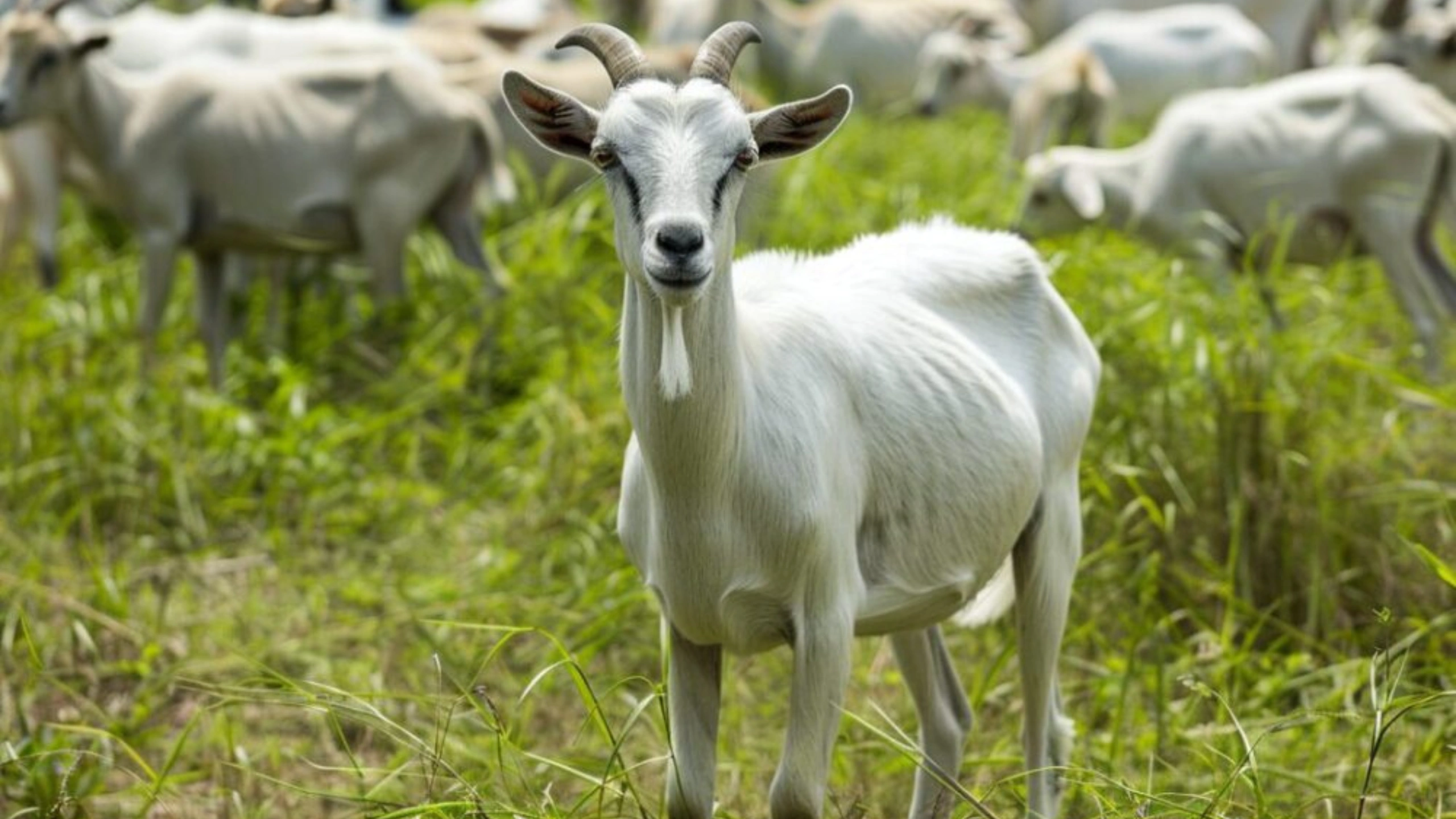
Goats are strong symbols of prosperity and wealth, representing resilience, nourishment, and the ability to thrive in challenging conditions. In many cultures, goats are valued not only for the food and resources they provide like milk, meat, and fiber but also for the spiritual abundance they symbolize.
Their presence reflects stability, self-sufficiency, and the foundation of lasting wealth. In several African cultures, the number of goats a person owns is a clear sign of their financial status, as goats play a crucial role in supporting a family’s income.
Far more than pets, goats are essential to many communities, offering nutritional value and contributing to economic well-being. Even in language, the connection between goats and wealth is evident for example, the phrase “getting someone’s goat” has roots in racing and financial stakes, underscoring the goat’s value.
Overall, goat symbolism reminds us that strength, persistence, and abundance are key ingredients to a prosperous life.
The Role of Goats in Medicine and Rituals
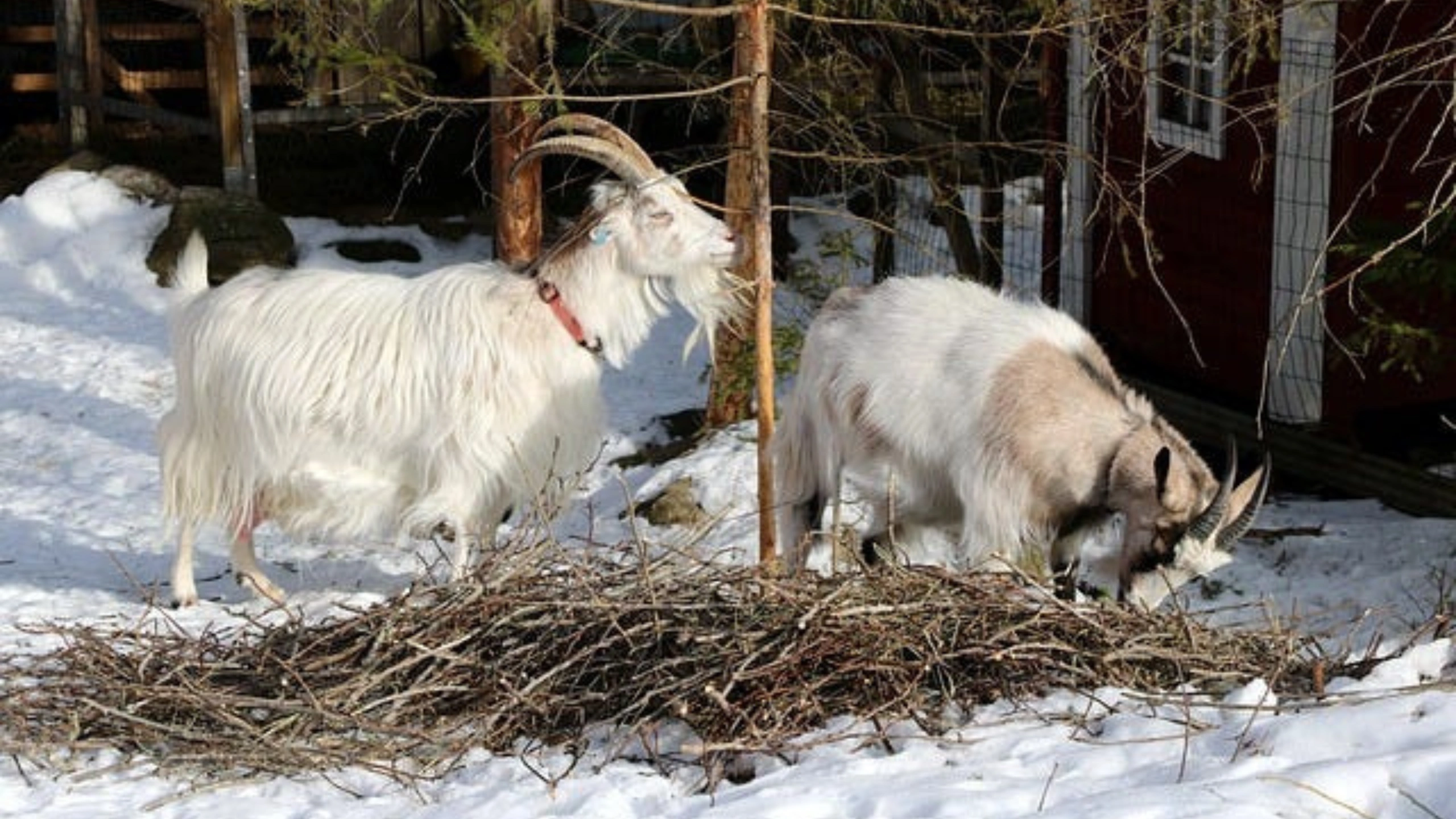
Goats have long played an important role in both traditional medicine and spiritual rituals, offering powerful healing properties and deep symbolic meaning of goats. In ancient cultures, goat’s milk was commonly used in healing ceremonies because of its believed ability to promote health and vitality. These rituals often focused on restoring balance to the body and spirit.
The symbolism of goats is deeply tied to their role in both physical and spiritual healing. In Ayurvedic medicine, goat’s milk is still valued for its soothing and nourishing qualities, often recommended for people with digestive issues or weak immune systems.
In Greek tradition, goats were linked to Asclepius, the god of medicine, showing how important they were in both spiritual and healing practices. Symbolic meaning of goats in ancient religions highlights their connection to deities and the healing arts, emphasizing their importance in maintaining both physical health and spiritual well-being.
Recent studies confirm several traditional beliefs, indicating that goat’s milk is easier to digest compared to cow’s milk and may offer anti-inflammatory benefits.
Read also this article: Coyote Spiritual Meaning and Symbolism
The Significance of Sexual Fertility
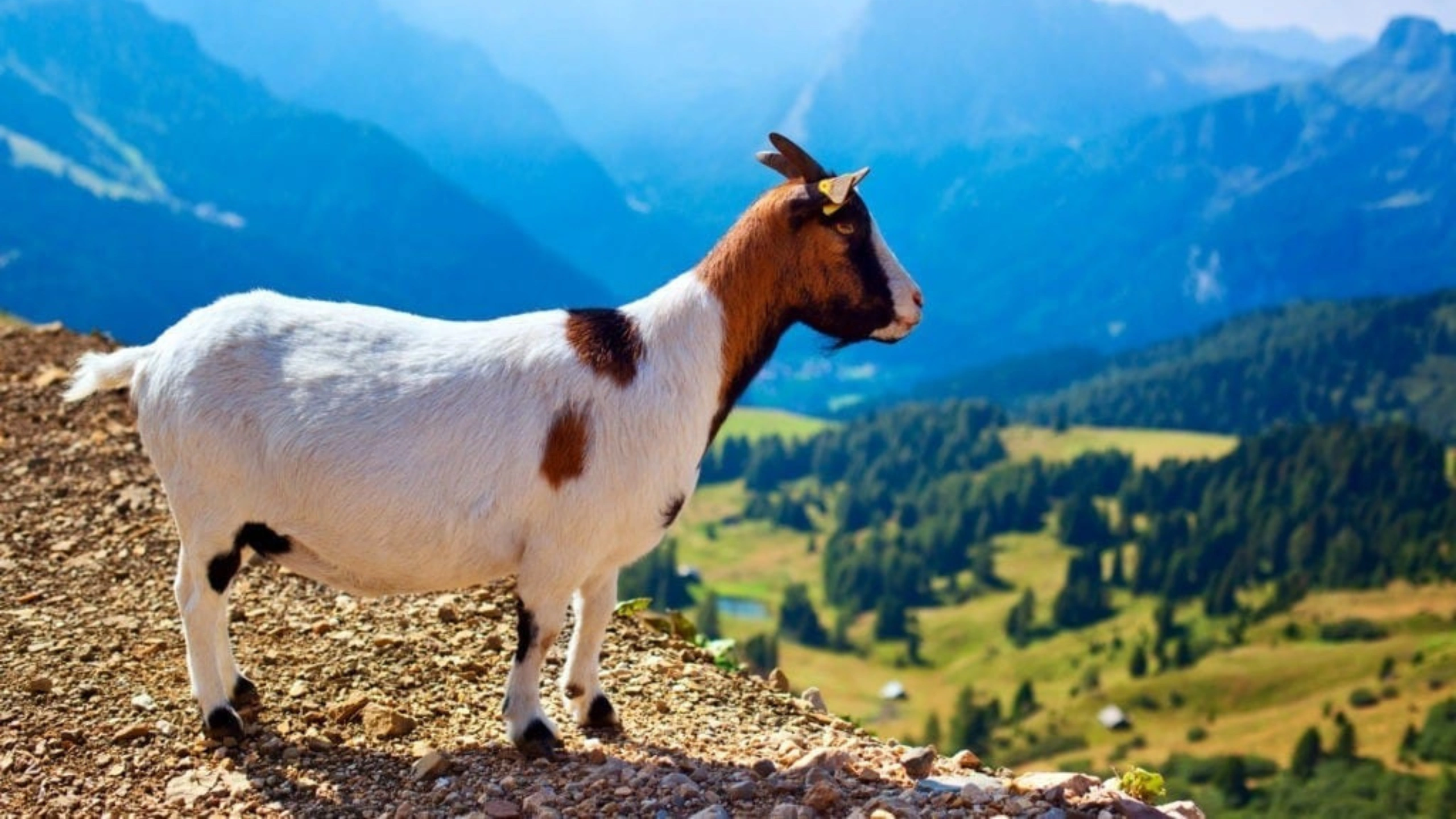
Sexual fertility is a powerful symbol of vitality, life force, and creative energy, deeply rooted in many spiritual and cultural traditions. What does goat symbolize in this context? Goats, in particular, have long been connected to fertility and virility, representing the strength, abundance, and life-giving power needed to create and sustain life.
In ancient rituals, goats were often honored as symbols of sexual energy and growth, playing a key role in ceremonies focused on fertility and renewal. This connection to fertility and vitality extends to many animals across different cultures, where they are seen as representations of life’s sustaining forces.
The spiritual significance of goat symbolism highlights their role as symbols of vitality and creation. Known for their strength and energetic nature, goats became symbols of vitality, not just in a reproductive sense but also as representations of spiritual and physical energy.
Their association with fertility reflects the broader idea of staying connected to the life cycle, maintaining inner power, and embracing the ability to create, nurture, and transform. The significance of goat iconography extends to the understanding of life’s cycles, reminding us of the creative force within all living beings.
Read also this article: Symbolism and Biblical Meaning of a Ram in a Dream
The Amorous Buck(Male Goat)
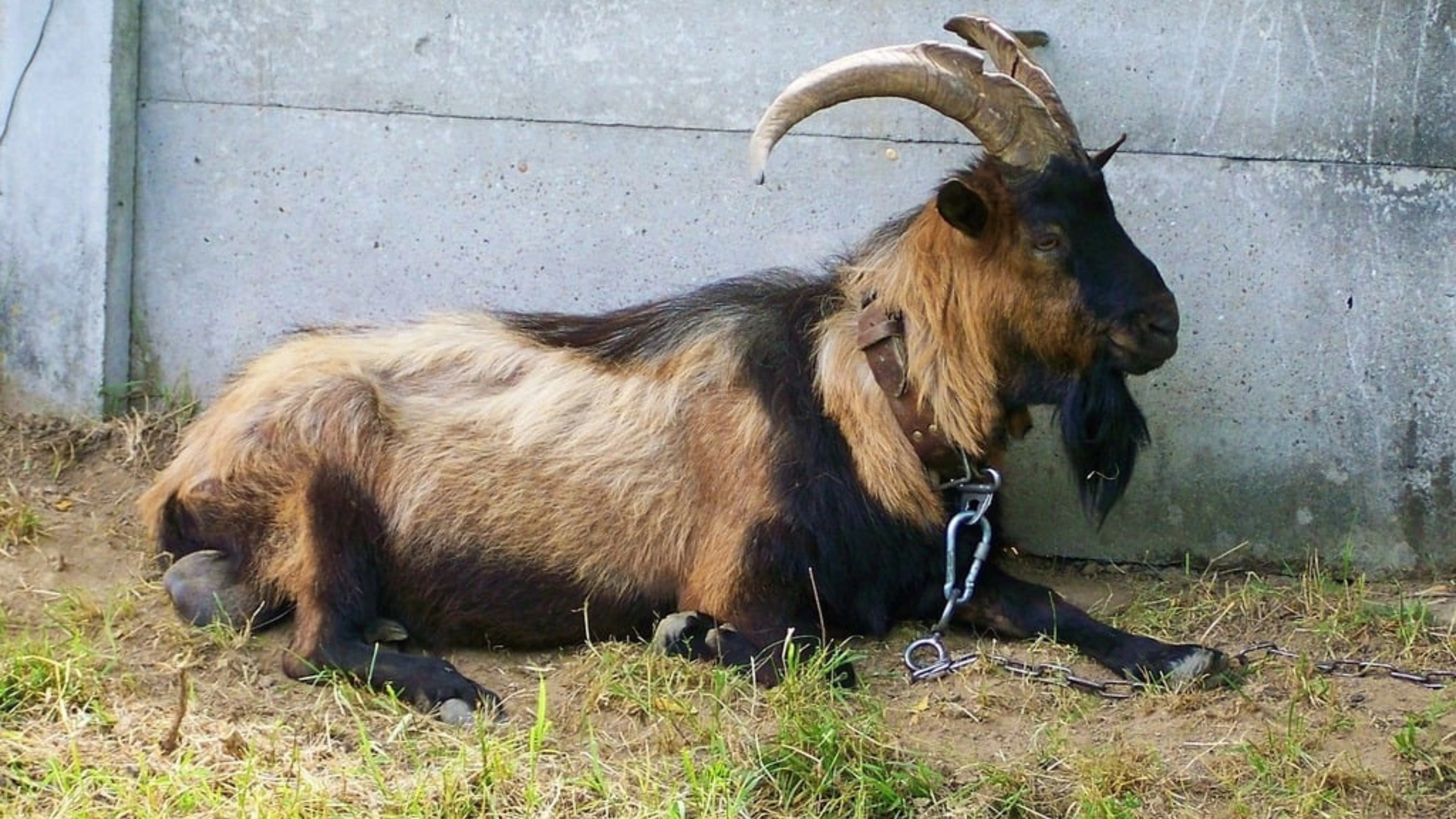
The male goat, known as a buck, is widely recognized for its intense mating behavior, symbolizing virility, sexual energy, and life force in many cultures. Because of this strong connection to fertility and potency, the goat has become a powerful spiritual and cultural symbol around the world.
In Hinduism, the fire god Agni who represents both creation and destruction is sometimes shown riding a goat. This image highlights the goat’s link to fertility and its connection to the powerful, creative forces of life.
In Greek mythology, the goat is tied to Pan, the wild god of nature, and his satyr followers, who are half-man and half-goat beings known for their passionate and free-spirited nature. These figures reflect the goat’s symbolic role as a creature of sexual energy, fertility, and raw instinct.
In ancient Egyptian belief, the god Min often shown with a ram’s head, a close relative of the goat was worshipped as a symbol of male fertility and sexual strength. During festivals, goats were released to honor the fertility of the land and the regenerative powers of nature.
The Prolific Doe (Female Goat)
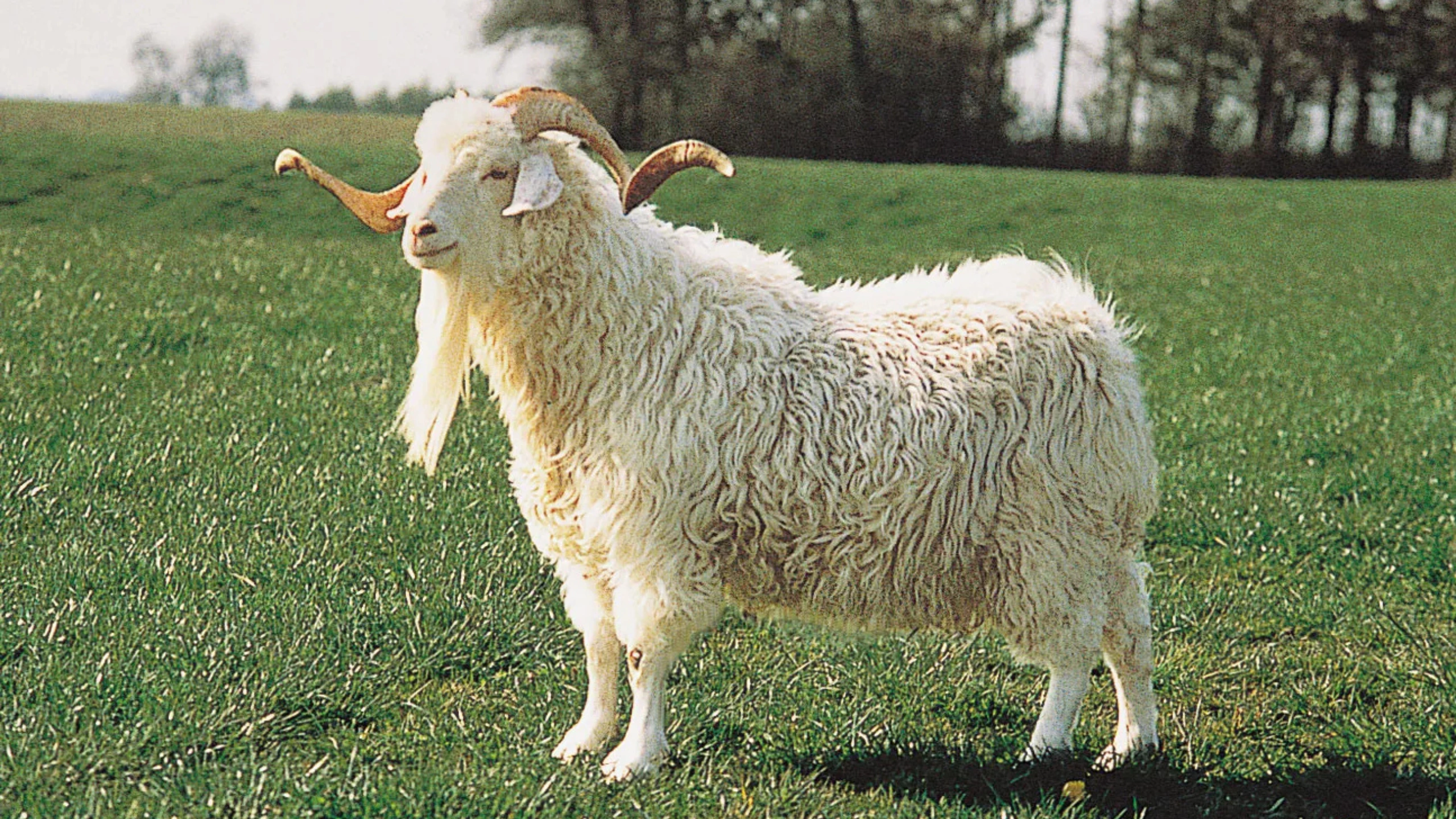
Female goats, known as does, are celebrated for their ability to give birth to multiple kids in a single birth, making them symbols of fertility and abundance. Their prolific breeding has made them vital symbols of prosperity in many agricultural societies, where the fertility of the herd is linked to the prosperity of the land.
In many traditions, the fertility of the doe is seen as a sign of life’s continuous renewal, especially in spring festivals. These animals are honored for their contribution to sustaining life and ensuring the abundance of resources.
Their role as symbols of prosperity underscores their importance in the natural world, where the birth of new kids reflects the beginnings of growth, abundance, and regeneration.
Goats as Symbols in Fertility Rituals and Beliefs
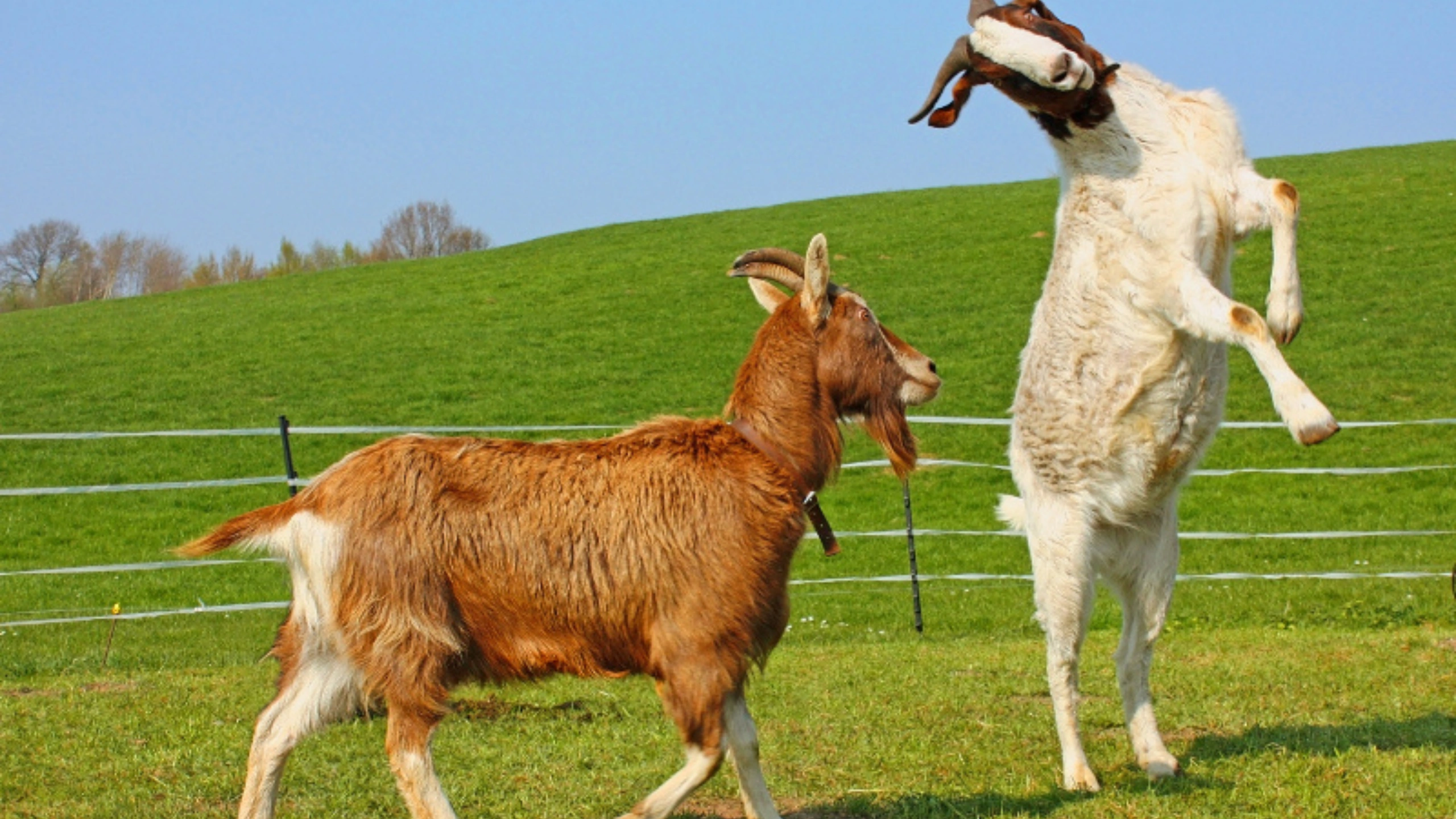
Goats have long been symbols of fertility and virility, deeply connected to various cultural rituals and beliefs.
-
In Ancient Greek culture, goats were sacrificed to Hera, the goddess of marriage, during wedding ceremonies. This ritual was believed to ensure a fertile union between the couple, with the goat symbolizing the power to foster reproduction and abundance within the marriage.
-
In many African cultures, goats are traditionally presented to the bride’s family during the wedding ceremony. This gesture symbolizes the groom’s capacity to care for his wife and support the growth of their family, emphasizing the goat’s symbolic link to fertility and family expansion.
-
In Some Cultures, In parts of Africa, a goat is given to the bride’s family as part of the wedding ceremony, symbolizing the groom’s ability to provide for his wife and produce children. This practice reflects the goat’s significance as a symbol of fertility and prosperity.
In modern times, the symbolism of the goat remains influential, representing vitality, energy, and fertility. The goat is commonly seen across various forms of art, literature, and popular culture. It continues to embody the essence of growth, renewal, and transformation, serving as a reminder of nature’s cycles. Whether in artistic expressions or modern traditions, the goat remains a powerful symbol of life’s regenerative forces.
Read also this article: Fox Spiritual Meaning, Fox as a Spirit Animal
The Devil Goat
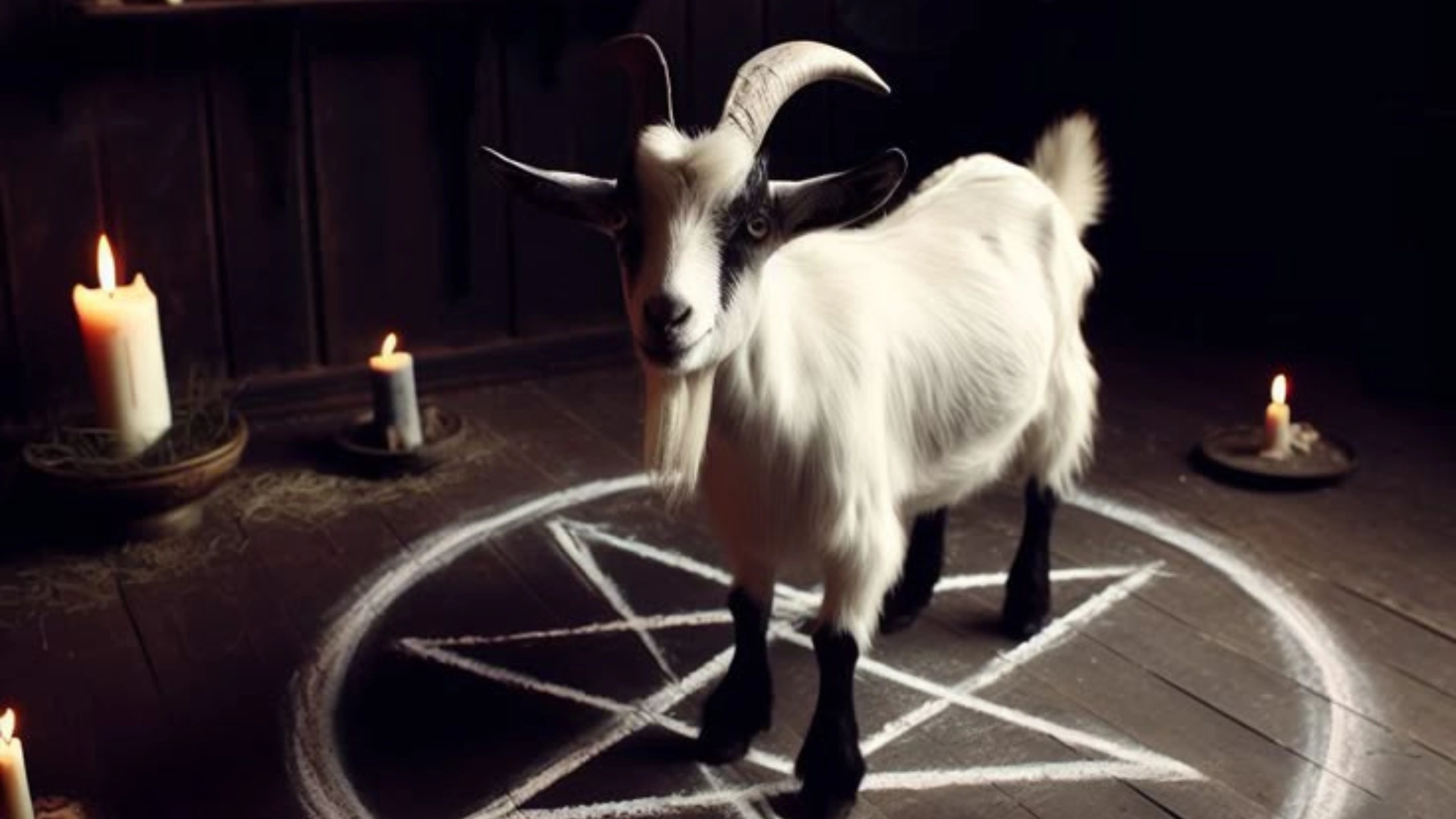
In many Western cultures, particularly in Christian traditions, goats have been associated with the Devil, symbolizing evil and temptation. This connection stems from religious and cultural interpretations, where goats were often seen as symbols of rebellion and the darker side of spirituality.
Goat imagery and symbolism plays a significant role in conveying these themes, showing the dual nature of goats in cultural beliefs. Historical significance of goat symbolism reveals that goats were linked to the Devil due to their wild, untamed nature and their association with fertility and sexual energy.
In Christian symbolism, the goat’s connection to the Devil likely originates from the scapegoat tradition, where the animal was burdened with the sins of the community.
Over time, this image evolved, embedding the goat in folklore as a representation of evil and temptation. However, Cultural meanings of goat symbolism also show that goats hold positive associations in other cultures, symbolizing abundance, fertility, and resilience.
The Transformation from Pagan Gods to Christian Devils
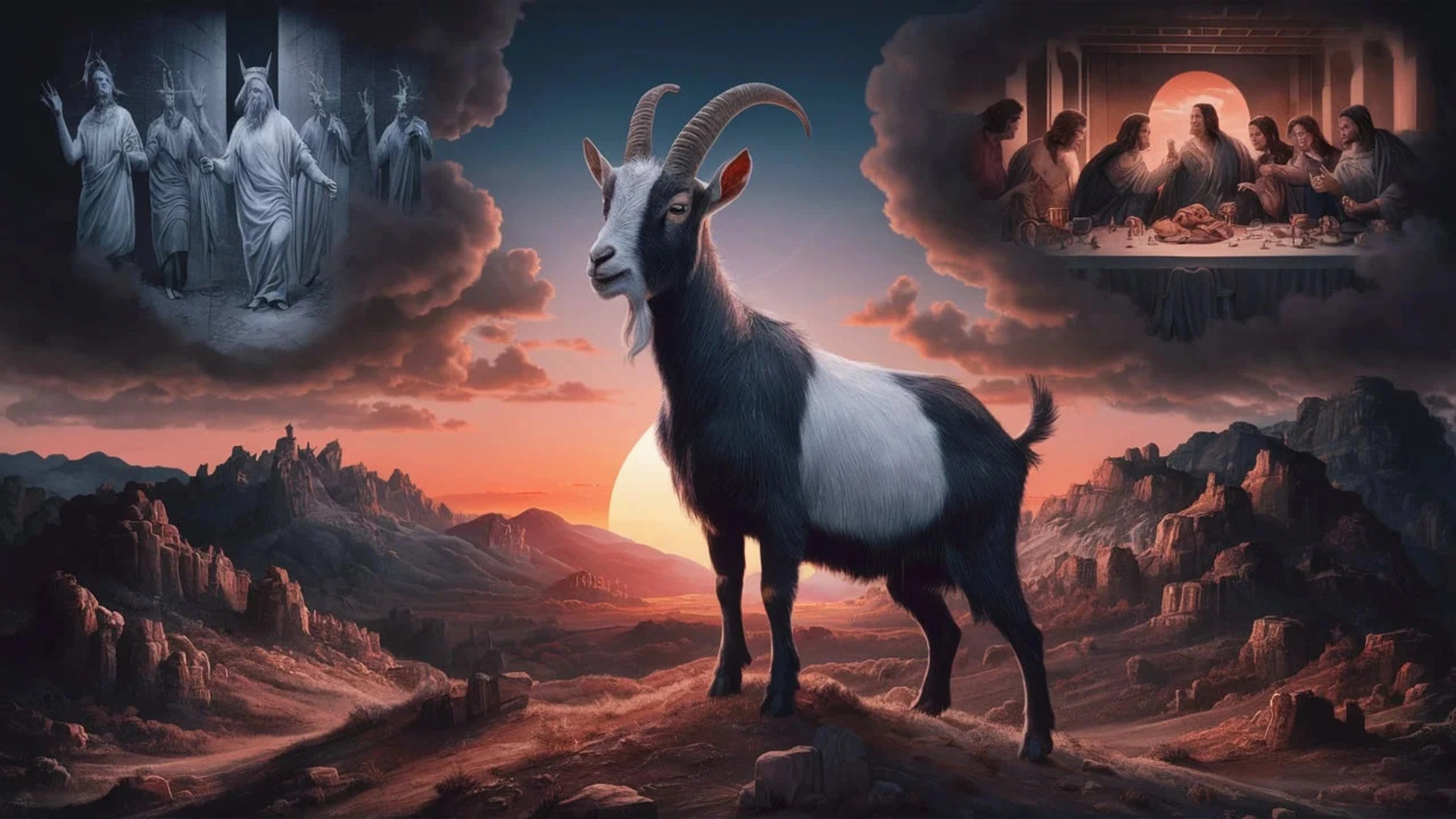
As Christianity spread across Europe and the Middle East, the symbolism of goats transformed significantly. They went from being seen as symbols of fertility and life to representations of sin and evil.
-
Pagan Celebrations: In pagan traditions, goats were celebrated as symbols of fertility, sexuality, and abundance, often linked to nature gods and seen as representations of life’s energy and regeneration.
-
Christian Reinterpretation: The goat’s association with sexuality and fertility, once honored in pagan traditions, became tied to lust and sin in Christian theology. This shift reflected the Christian view of goats as symbols of human disobedience to divine law.
-
Metaphor for Disobedience: The independent and sometimes destructive behavior of goats, like eating crops, was used as a metaphor for human disobedience to divine law. Goats, known for their rebelliousness, were seen as embodying moral and spiritual corruption in the Christian worldview.
The Symbolism of the Goat in Medieval Demonology
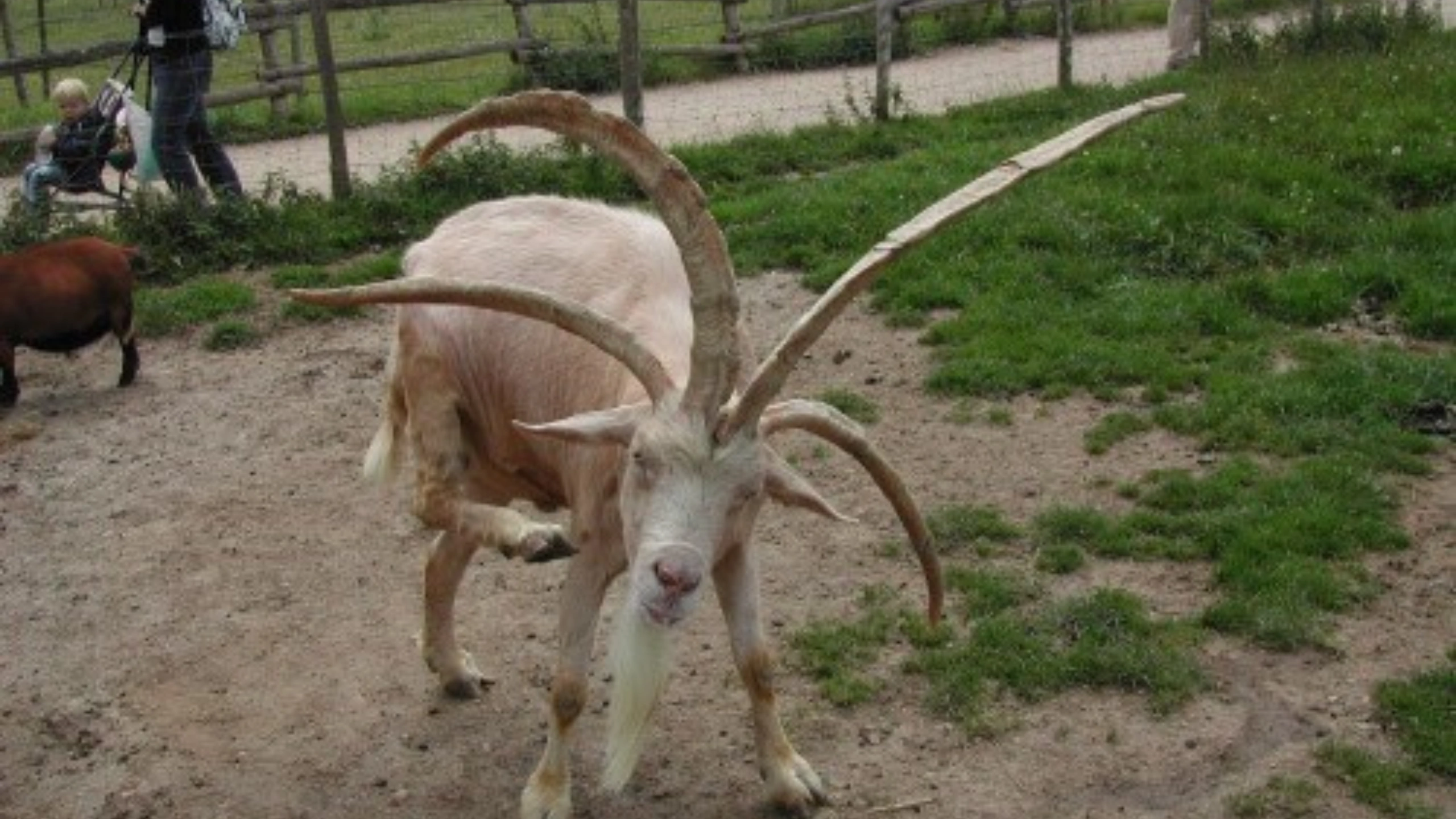
In medieval demonology, the goat became a powerful symbol of devil worship, witchcraft, and the occult. The connection between goats and the dark side of spirituality was reinforced through images like Baphomet, a goat-headed deity that represented everything the church opposed.
Baphomet was depicted as a winged, goat-headed figure with both male and female attributes, symbolizing the unity of opposites and forbidden knowledge. During the witch hunts, goats were believed to be companions of witches, featured in rituals like the Witches’ Sabbath. The Black goat spiritual meaning connects to these depictions, symbolizing power, mystery, and transformation.
This symbolism of the goat in medieval demonology shows how cultural fears and religious beliefs shaped the perception of goats as symbols of evil and rebellion.
Read also this article: Deer Symbolism Meaning | Deer Totem Meaning
Modern Interpretations and Reclamations
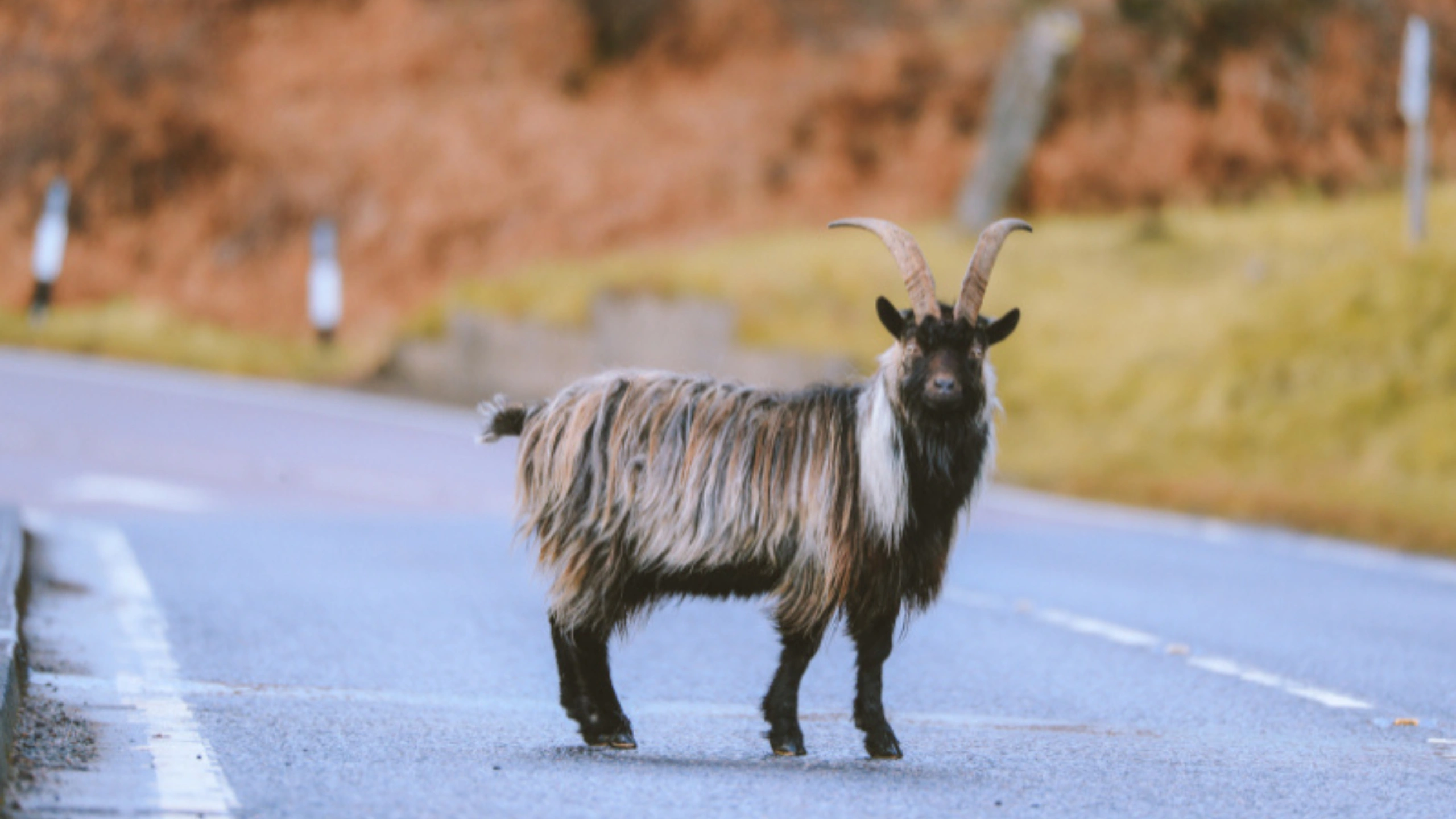
In modern times, the negative associations of goats with the devil are being reinterpreted and reclaimed by some as symbols of rebellion, natural instincts, and freedom. This shift in symbolism reflects a broader movement to redefine the goat’s role, embracing its power and independence rather than its connection to evil.
In the past, goats were often linked to sin and rebellion, but today, many view them as a symbol of defiance against oppressive authority.
This modern reclamation reflects the goat’s enduring significance in various cultures, particularly in Christian communities, where it remains a symbol of resilience and sustenance.
In rural areas, goats continue to be a vital source of livelihood, offering food and resources, and are celebrated for their fertility and strength. The ongoing transformation in how goats are perceived showcases their evolving symbolism, shifting from darkness to empowerment.
The Power of Strength and Resilience
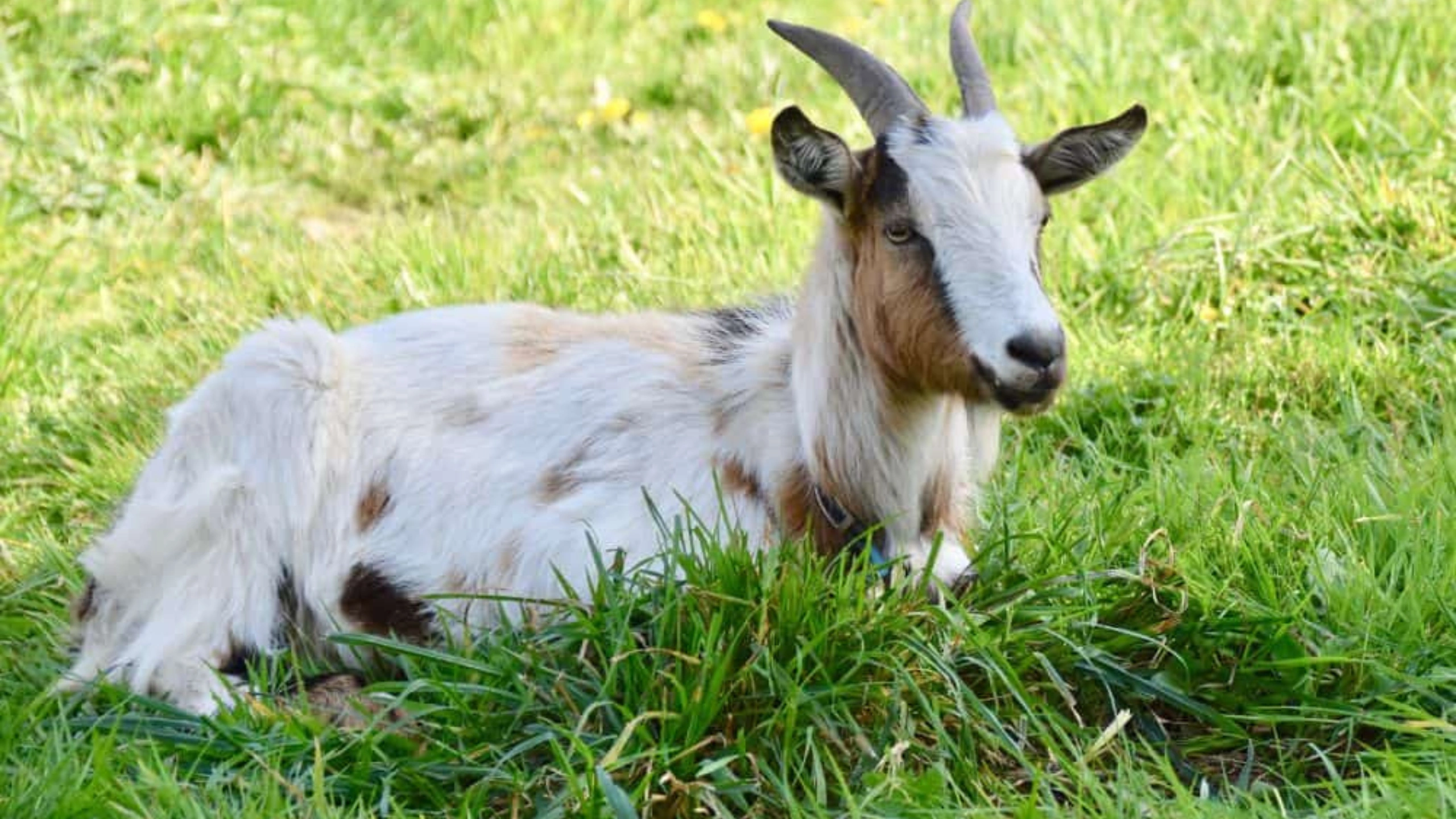
Goats are symbols of strength and resilience, capable of overcoming obstacles in even the toughest environments. Known for their ability to scale steep mountain slopes and navigate challenging terrain, they embody the spirit of perseverance and determination.
In many cultures, goats are admired for their ability to thrive in difficult conditions. Their resilience is not only physical but also spiritual, symbolizing the ability to endure hardships and emerge stronger.
Whether in folklore or as farm animals, goats continue to inspire with their unwavering capacity to face life’s toughest challenges, making them powerful symbols of endurance and tenacity.
The Mountain Goat: Master Climbing Champion
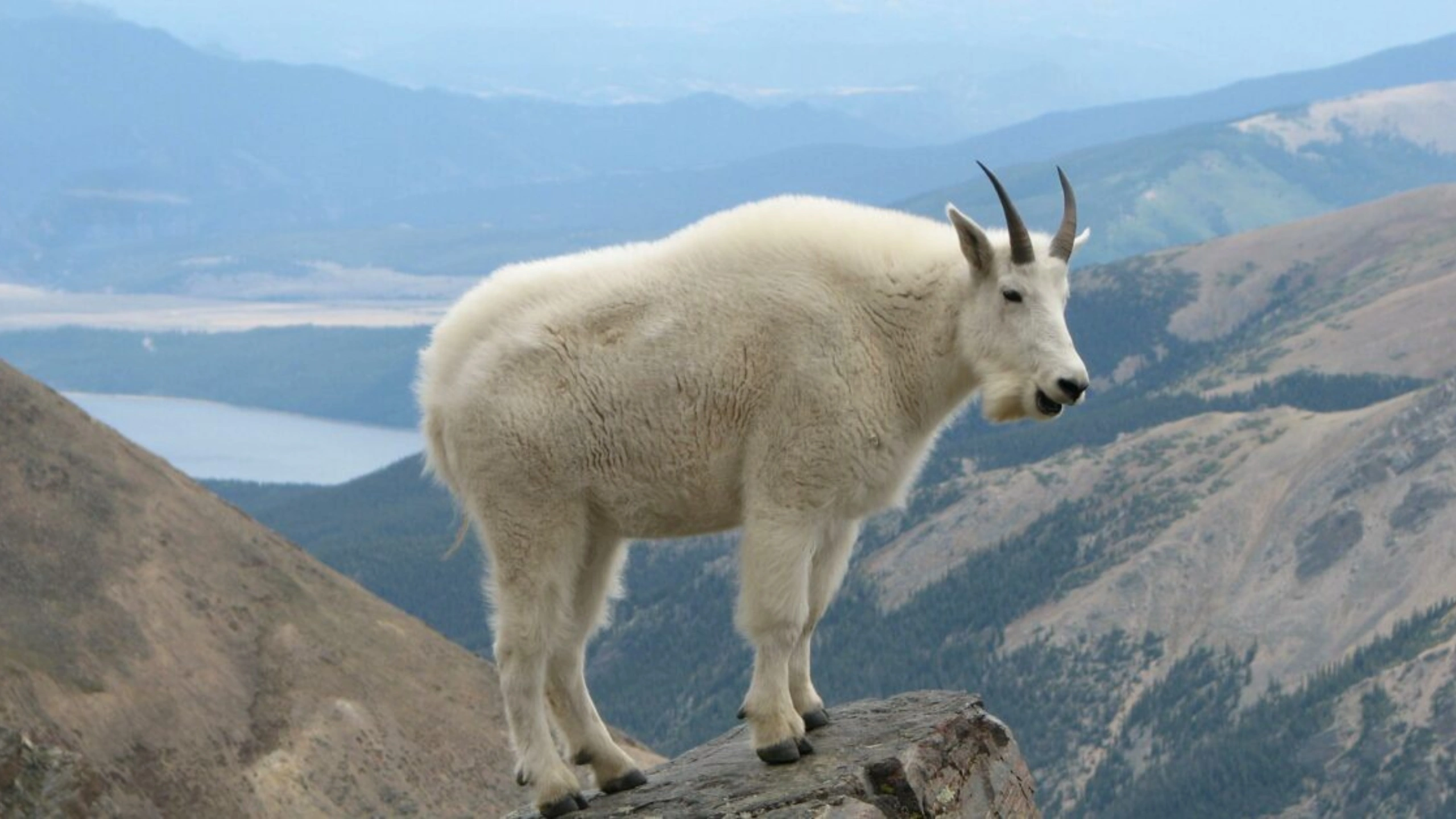
The mountain goat is known for its unmatched ability to climb steep and treacherous cliffs, making it a true expert at mountain climbing. Found in harsh environments like Alaska and the Rocky Mountains, the mountain goat thrives in extreme conditions due to its agility and special adaptations for high-altitude life.
-
Specialized Hooves: The mountain goat’s cloven hooves are designed for maximum grip and traction, allowing it to easily navigate rocky, unstable surfaces. The hard outer edges provide a strong hold on steep cliffs, while the soft inner pads help it maintain balance on challenging terrain.
-
Muscular Build for Climbing: With strong shoulder muscles and powerful legs, the mountain goat is built for climbing. These muscles help it easily scale vertical cliffs, reaching places other animals cannot.
-
Symbol of Resilience: The mountain goat’s fearlessness in the face of towering cliffs and gravity-defying climbs symbolizes resilience and the ability to face challenges head-on. It serves as a powerful metaphor for overcoming life’s obstacles, teaching us that with determination and strength, we can conquer even the toughest challenges.
The mountain goat remains a symbol of strength and resilience, showing us the value of adapting to life’s difficulties and thriving in the face of adversity.
The Goat’s Stubbornness
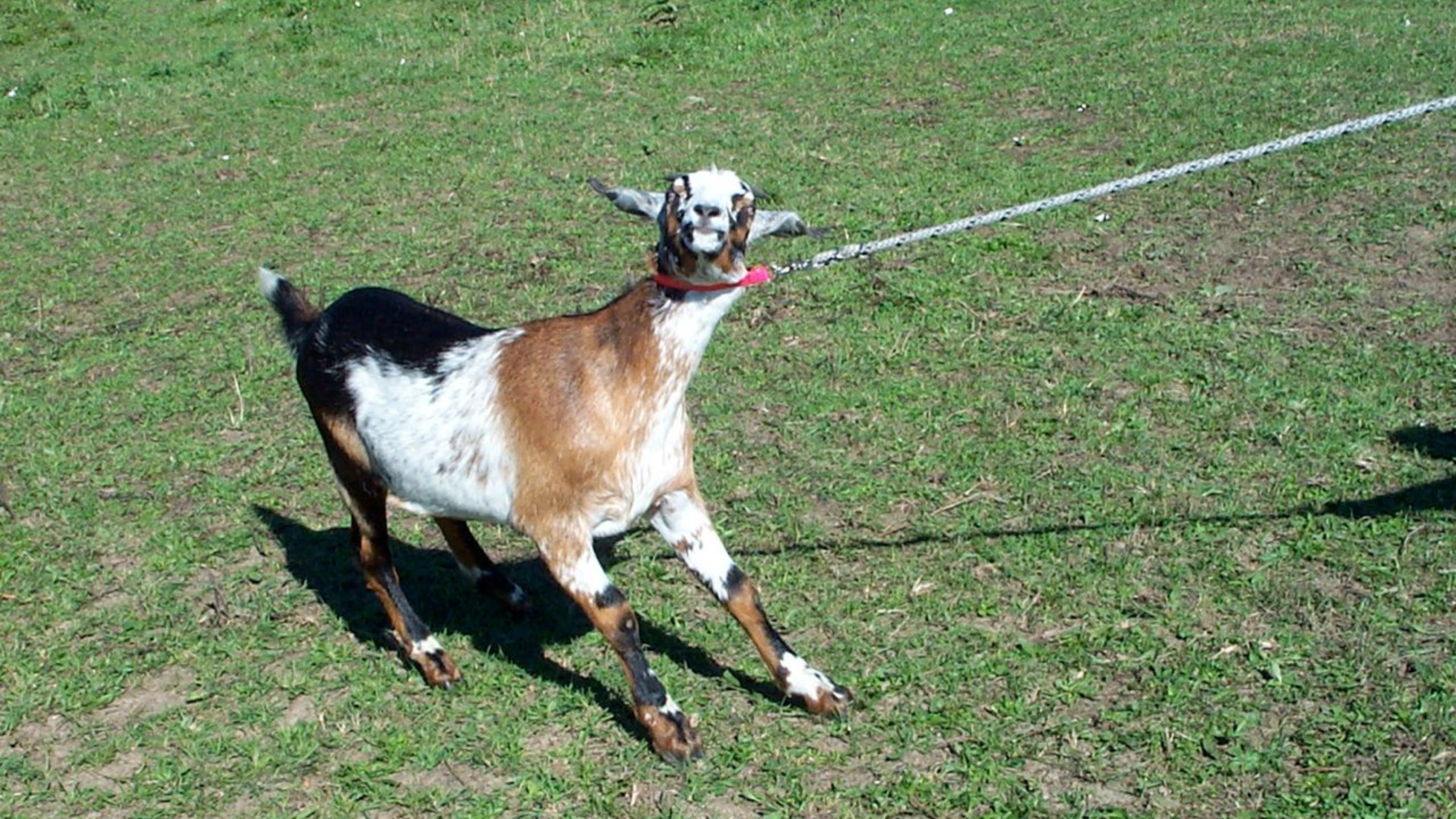
The goat’s stubbornness is often seen as a symbol of determination and perseverance, reflecting its ability to overcome obstacles. Known for its refusal to give up, whether climbing a mountain or finding its way out of tricky situations, the goat embodies the spirit of persistence.
This stubbornness isn’t a flaw but a testament to the goat’s resilience. Whether it’s pushing past frustration or figuring out how to open a gate, goats consistently demonstrate adaptability and strength in the face of challenges.
Their ability to keep going, no matter the obstacle, makes them a powerful symbol of how determination and perseverance can lead us to success. They inspire us to stay focused and keep moving forward, much like a mountain goat.
Goats as Symbols of Achievement in Modern Culture
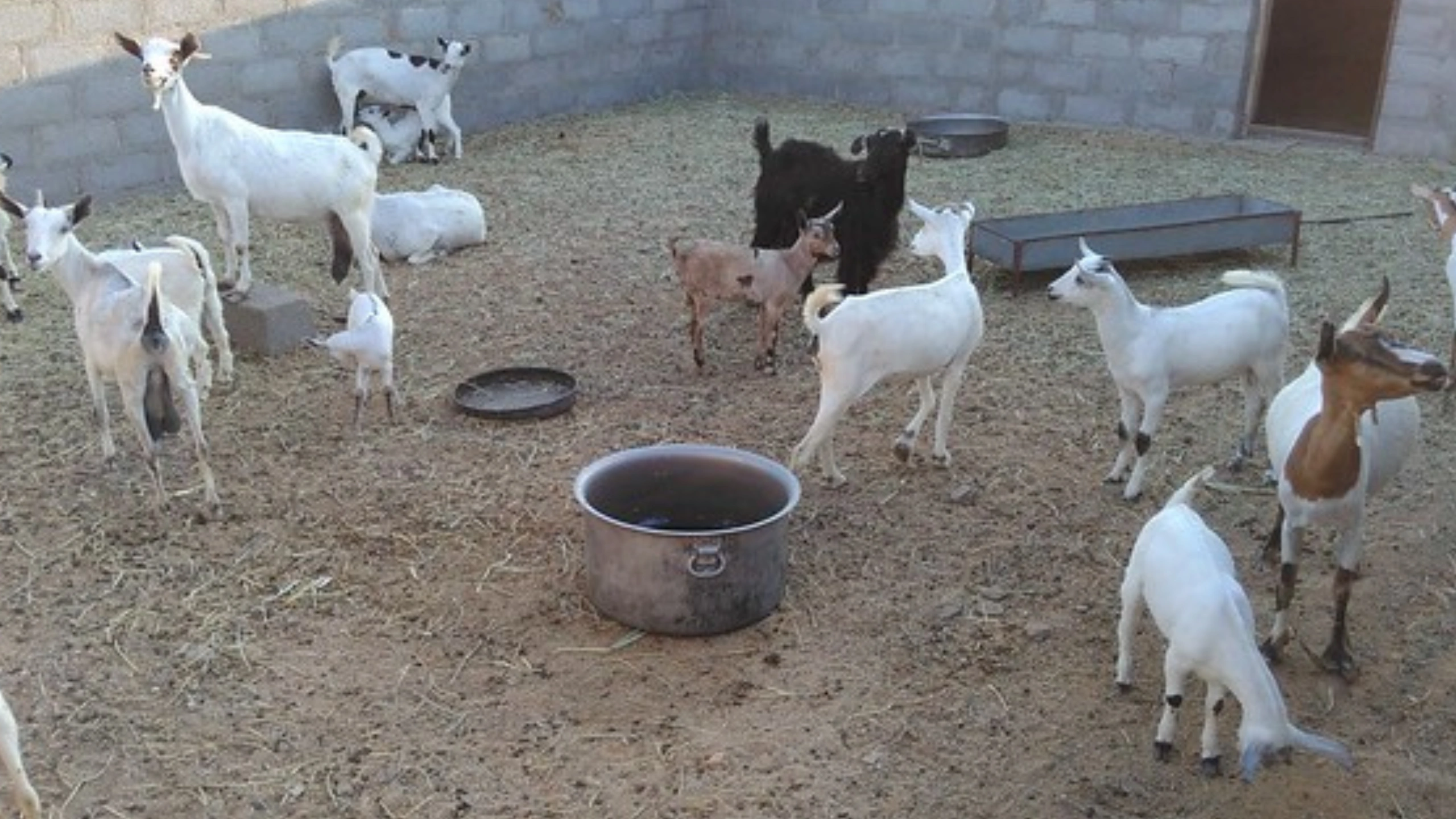
In modern culture, goats have become powerful symbols of achievement, representing strength, resilience, and the ability to overcome great challenges. The term “GOAT” (Greatest of All Time) is used to describe exceptional individuals in various fields who embody the goat’s qualities of determination and perseverance.
-
Michael Jordan in Basketball: Michael Jordan is often considered the GOAT in basketball, symbolizing strength and resilience in overcoming challenges and achieving dominance in his field.
-
Serena Williams in Tennis: Serena Williams has shown unmatched determination and perseverance throughout her career, embodying the goat’s symbolism in tennis, where she continues to break records and overcome obstacles.
-
Beyoncé in Music: Beyoncé represents the goat’s resilience and empowerment in the competitive music industry, showing how persistence and dedication can lead to long-lasting success.
-
Albert Einstein in Physics: Albert Einstein symbolizes the goat’s determination to challenge existing knowledge and transform the world of physics, leaving a legacy that continues to inspire future generations.
The goat symbolizes the strength, resilience, and perseverance required to achieve greatness, as demonstrated by these iconic figures. They inspire others to conquer life’s challenges and push the boundaries of what is possible.
The Power of Sacrifice and Atonement
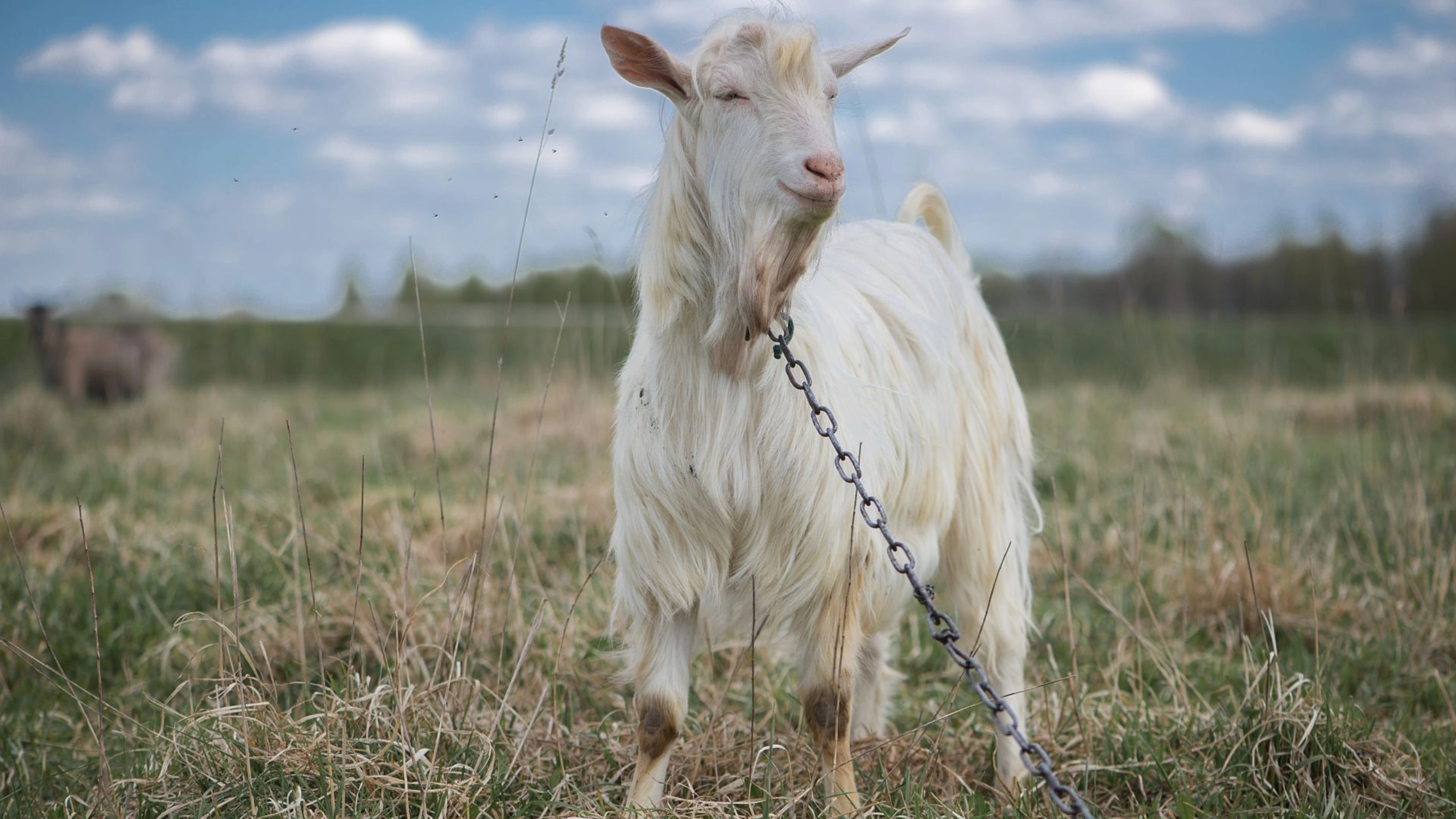
The concept of sacrifice, particularly involving goats, holds deep spiritual meaning, symbolizing atonement and connection with the divine. Throughout history, goats have been used in various religions and cultures as a means of purification or reconciliation, acting as a bridge between humanity and the divine.
In many cultures, especially in ancient Greece and Biblical traditions, the goat was seen as a vessel to carry away sin or negative energy through sacrificial rituals. Offering a goat in sacrifice was seen as a way to seek atonement, aiming to restore balance and gain favor with the gods.
The goat’s role as an intermediary in these spiritual practices reflects the power of rituals to cleanse, purify, and renew one’s spiritual state, emphasizing sacrifice as a tool for spiritual growth and transformation.
Read also this article: Black Cat Symbolism Meaning l Magic and Mystery of Black Cats
The Role of Sacrifice in Ancient Beliefs
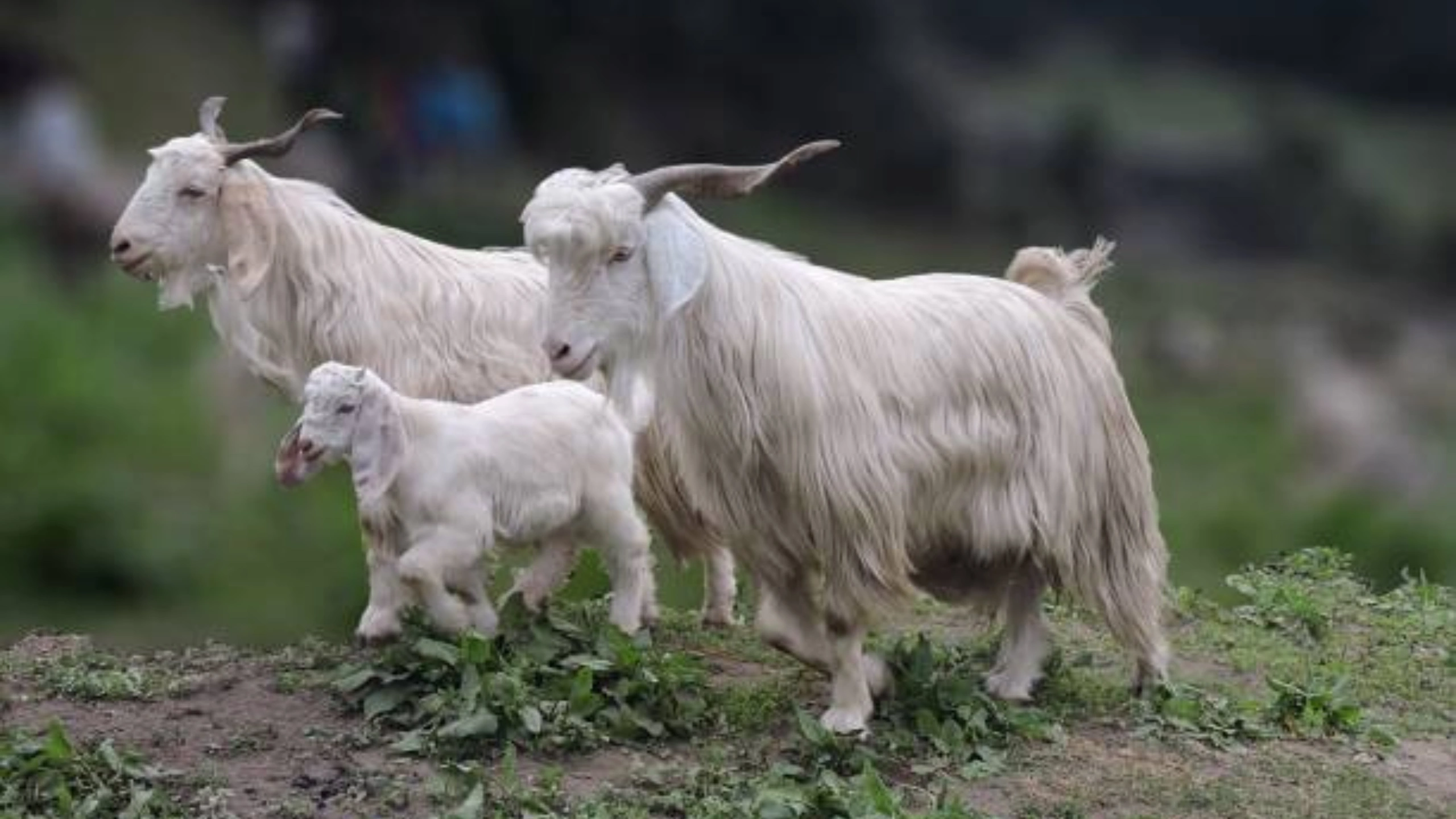
In ancient beliefs, sacrifice was an important way to communicate with the divine, seek favor, or atone for sins. Valuable animals like goats were often chosen for these offerings because they provided essential resources such as milk, meat, and fiber. Sacrificing these animals showed deep devotion and commitment.
In many ancient cultures, sacrificing a goat symbolized the worshipper’s serious request for divine intervention or blessings. It was believed that giving up something valuable demonstrated true dedication and reverence.
Offering a goat was more than a material gift; it was a spiritual exchange meant to restore balance, seek protection, or receive blessings from the gods. This practice highlights the strong connection between the physical and spiritual worlds.
The Role of Sacrifice in Modern Society
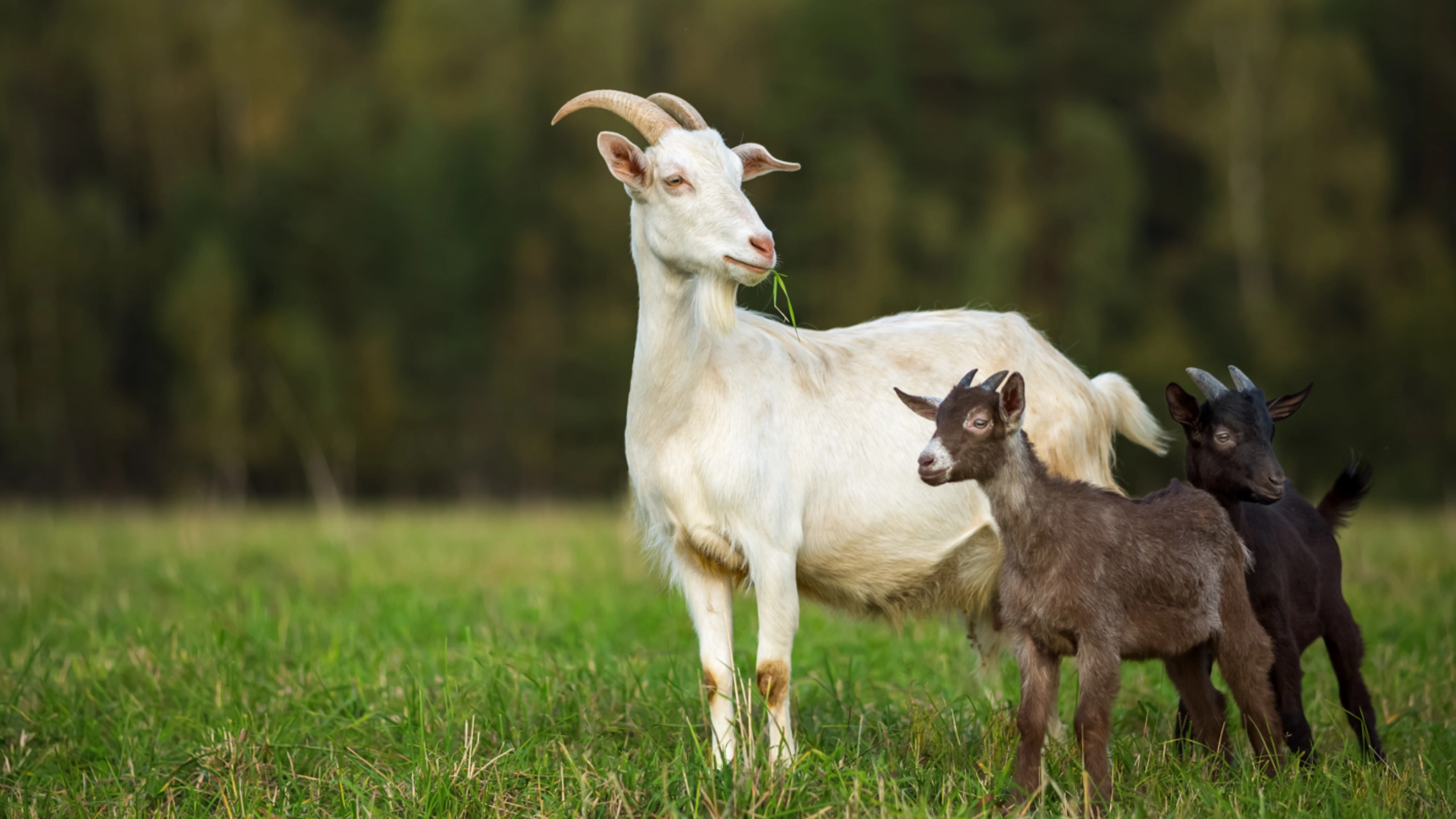
In modern society, sacrifice remains an important concept tied to responsibility, selflessness, and the greater good. While literal sacrifices are rare today, the idea of giving up something valuable for a higher purpose still holds strong meaning.
-
Metaphorical Language: The term scapegoat is often used to describe someone who takes the blame for others’ mistakes. This metaphor reflects sacrifice, where one person accepts responsibility or punishment for the benefit of the group.
-
Literature and Art: Goat symbolism continues to appear in creative works, representing the balance between selflessness and personal sacrifice. In many stories, the goat symbolizes someone who willingly sacrifices for others, revealing insights into human nature.
-
Psychological Understanding: The concept of scapegoating helps explain group dynamics, especially in situations involving blame and conflict. It shows how societies handle guilt by placing it on one person, bringing relief to the group but at the individual’s expense.
Today, sacrifice reminds us of the importance of spiritual and personal growth. It encourages reflection on the values we hold dear and teaches lessons in selflessness and devotion.
The Role of Goat Sacrifice in Various Traditions
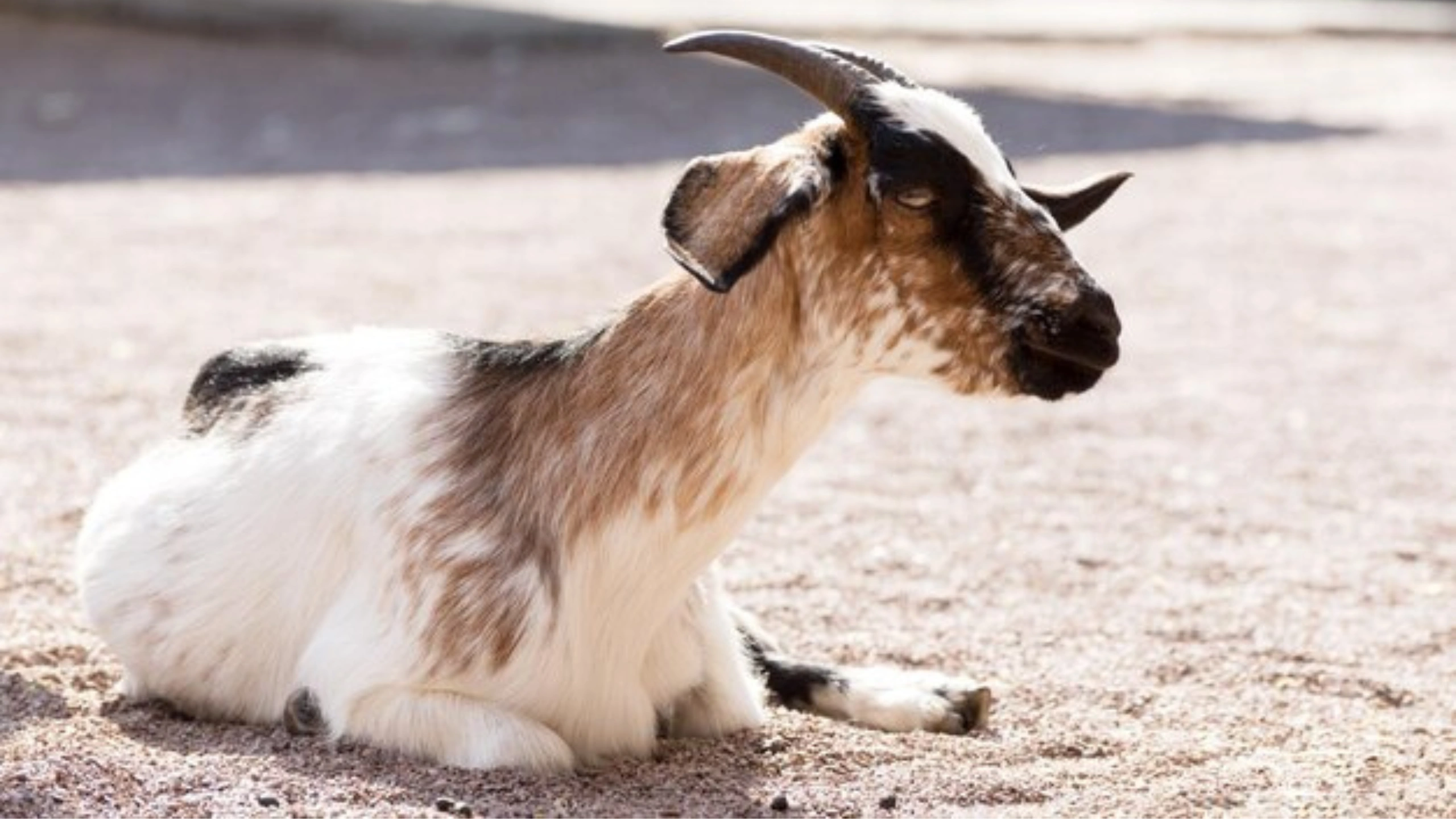
Goat sacrifice holds an important place in many cultural and religious traditions, symbolizing spiritual cleansing, devotion, and a connection to the divine. From ancient rituals to modern practices, goats continue to represent sacrifice and reverence.
-
Ancient Greece: Goats were sacrificed to gods like Apollo and Artemis to maintain harmony between humans and the divine, ensuring protection and blessings.
-
Hinduism: In Hindu temples, especially those dedicated to the goddess Kali, goat sacrifices are performed as acts of devotion and to seek blessings, though these practices are sometimes controversial.
-
Judaism: During the Day of Atonement, goats were sacrificed to atone for sins, with one goat, known as the scapegoat, carrying the people’s sins into the wilderness.
-
Islam: Goat sacrifices during Eid al-Adha honor Abraham’s readiness to sacrifice his son, representing total submission to God’s will.
-
African Traditions: Many African cultures perform goat sacrifices to honor ancestors, seek protection, or celebrate important life events, underscoring the goat’s spiritual significance.
Across these diverse traditions, the goat remains a powerful symbol of sacrifice, resilience, and connection to higher realms, reflecting a universal desire for spiritual renewal and divine favor.
Understanding the Scapegoat: A Symbolic Figure
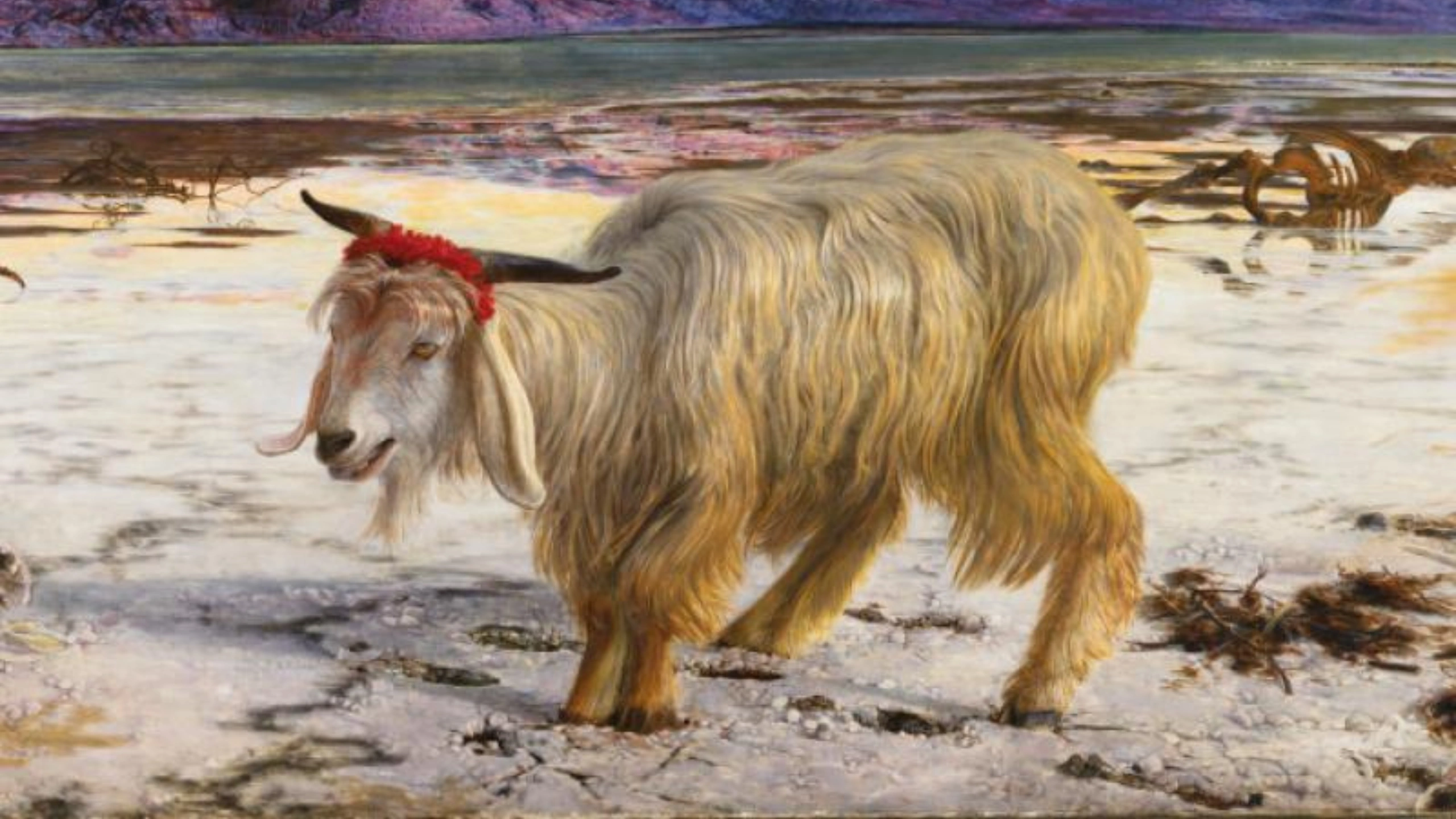
The scapegoat is a powerful symbol representing the act of transferring guilt and responsibility from a community or individual onto a single entity, often an animal like a goat. Originating from the Jewish Day of Atonement, the scapegoat has come to symbolize atonement, purification, and the complex connection between sin and community.
-
Burden of Guilt: The scapegoat carries the community’s sins, symbolizing the transfer of guilt so the community can cleanse itself by placing responsibility on one being.
-
Atonement and Cleansing: Sending the goat into the wilderness represents the community’s desire for atonement and purification, removing accumulated sins and wrongdoings.
-
Metaphor for Blame: Today, the term scapegoat is used to describe someone unfairly blamed for others’ mistakes. It highlights how people often shift responsibility and guilt onto another person.
The scapegoat remains a meaningful symbol, reminding us how societies seek to free themselves from guilt and how responsibility for collective wrongs is sometimes transferred. In this way, the goat represents both spiritual and social cleansing, showing how cultures handle atonement and blame.
The Sea-Goat in Mythology
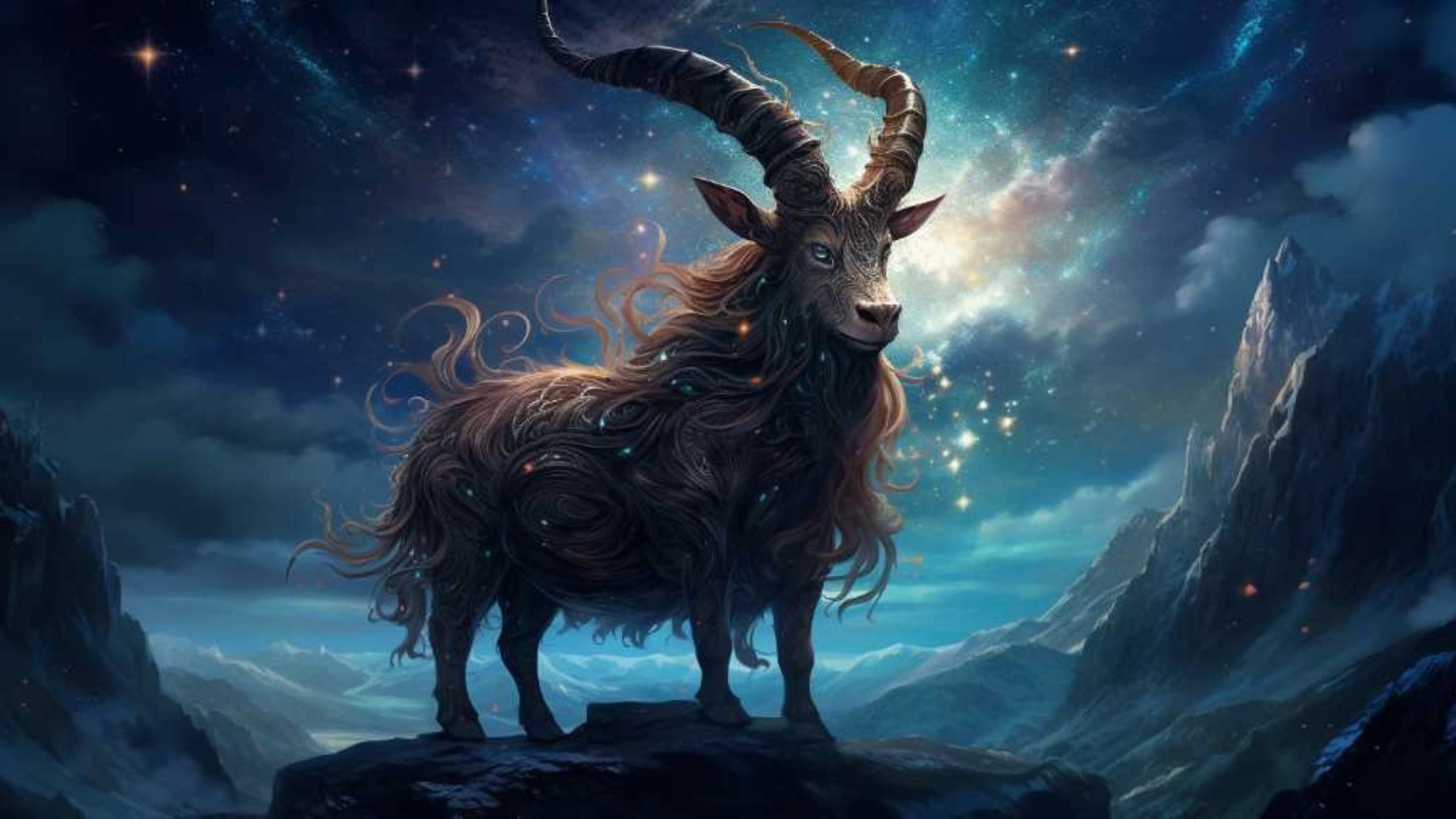
The Sea-Goat, the symbol of the Capricorn zodiac sign, combines the strength of a goat with the fluid nature of a fish. This blend represents a balance between emotional depth and ambition. In Mesopotamian and Greek mythology, the Sea-Goat is connected to the gods Enki and Pan, symbolizing wisdom and adaptability.
The Sea-Goat’s dual nature shows its ability to navigate both the emotional currents of life and the ambitious climb toward success. The story of Amalthea, the goat who nourished Zeus, strengthens the Sea-Goat’s link to the heavens, as it is also associated with the Capricorn constellation.
Capricorn’s Goat Symbolism: Celestial Connections

The zodiac sign Capricorn is symbolized by the sea-goat, which combines the grounded strength of a goat with the flowing adaptability of a fish’s tail. This Goat symbol meaning represents determination, flexibility, and resilience, showing how Capricorn individuals balance ambition with the ability to adjust to life’s challenges.
The Capricorn symbol goat teaches us that blending strength and fluidity is key to overcoming obstacles. In astrology, it is a powerful symbol of perseverance, combining the practical, steady nature of the goat with the grace and emotional depth of the sea.
This Goat symbol meaning emphasizes the resilience and adaptability of Capricorns, highlighting their ability to navigate through life with both strength and flexibility.
Capricorn Traits and the Symbolism of the Goat
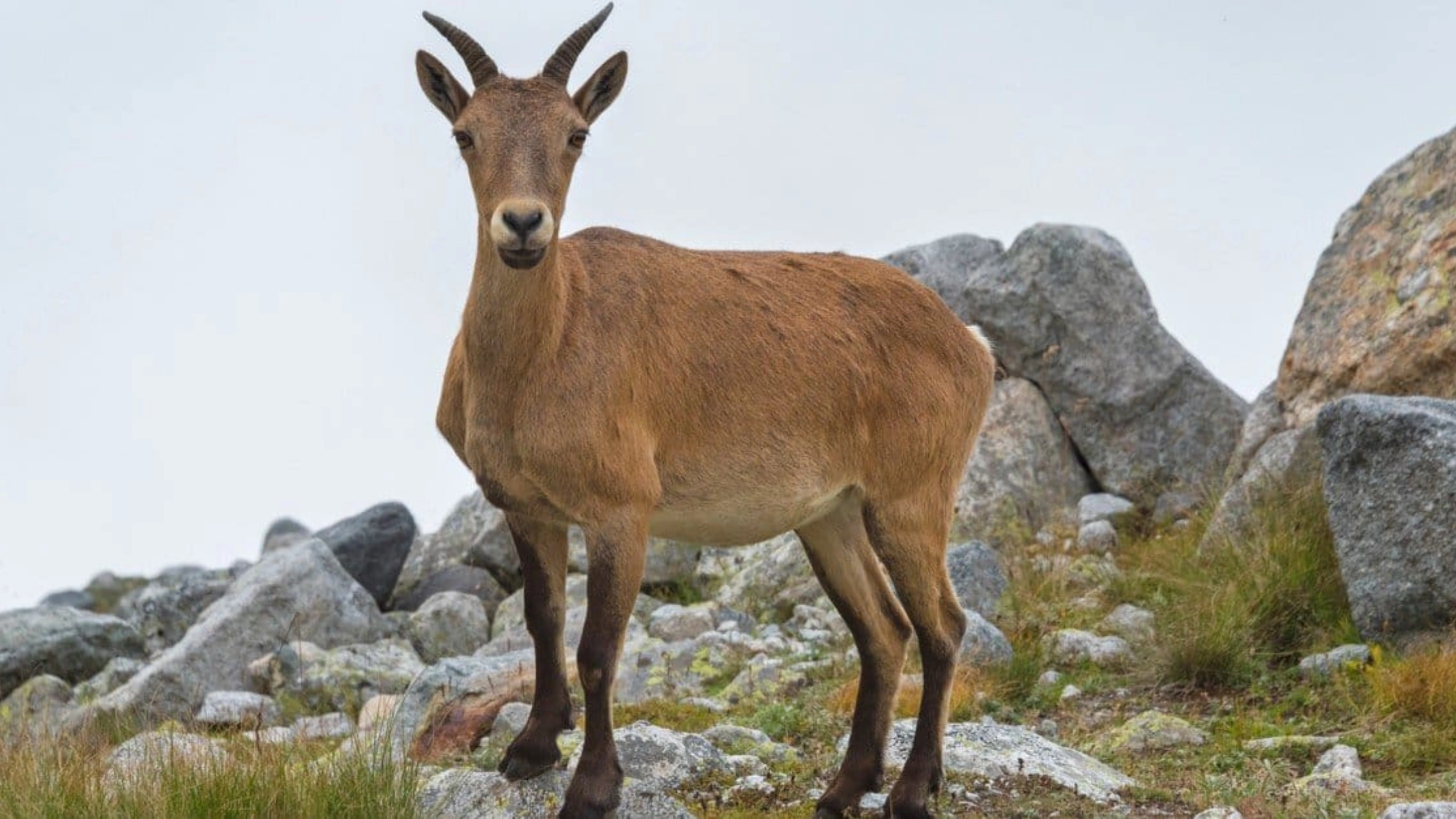
Capricorns are known for their ambition, resilience, practicality, and patience, qualities symbolized by the Goat symbols. Like mountain goats climbing steep terrain, Capricorns are determined to reach the heights of success, staying grounded as they pursue their goals.
These traits reflect the Capricorn goat symbol, showing that Capricorns are natural leaders who overcome obstacles through perseverance and practical thinking.
The Goat symbols in astrology highlight these qualities, representing the steady strength and enduring determination of those born under this sign.
Here are the key Capricorn traits linked to goat symbolism:
-
Ambition: Like goats climbing mountains, Capricorns are driven to succeed, always focused on achieving their goals with determination.
-
Resilience: Goats endure harsh conditions, and Capricorns face challenges with strength and adaptability, never giving up.
-
Practicality: Goats are pragmatic, and Capricorns approach life with grounded, sensible decisions aimed at long-term success.
-
Patience: Both goats and Capricorns understand that steady progress and consistency are essential to reaching their objectives.
The Role of Capricorn in Modern Astrology
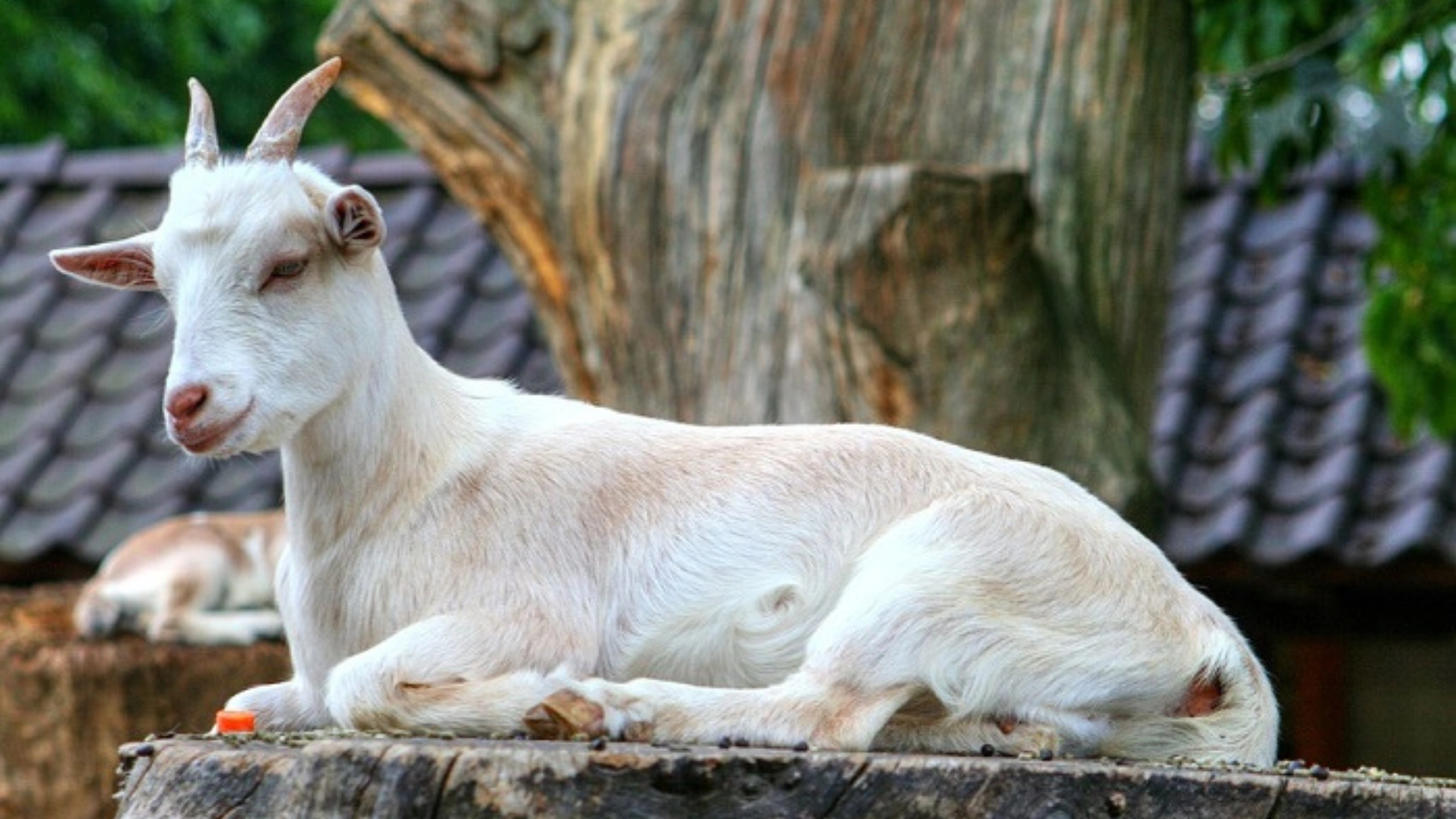
In modern astrology, Capricorns are known for their ambition, leadership, and resilience, qualities that help them succeed in their careers and overcome challenges. Notable figures such as Martin Luther King Jr., Benjamin Franklin, and Michelle Obama embody the symbolism of a goat, showcasing the perseverance and determination that Capricorns are known for.
These traits make Capricorns strong leaders, capable of navigating obstacles and reaching great success. Goat symbolism in tarot and astrology is often linked to these characteristics of endurance and steadfastness, emphasizing the goat’s role as a symbol of ambition and strength.
The goat as a symbolic animal represents resilience, as it climbs steep mountains with determination, overcoming obstacles with ease. Capricorns, like these goats, are often natural leaders who use their hard work and persistence to achieve their goals. Their practicality and focus keep them grounded as they pursue success, making them inspiring examples for anyone wanting to make a lasting impact.
Meaning of Goat Symbolism in Different Cultures
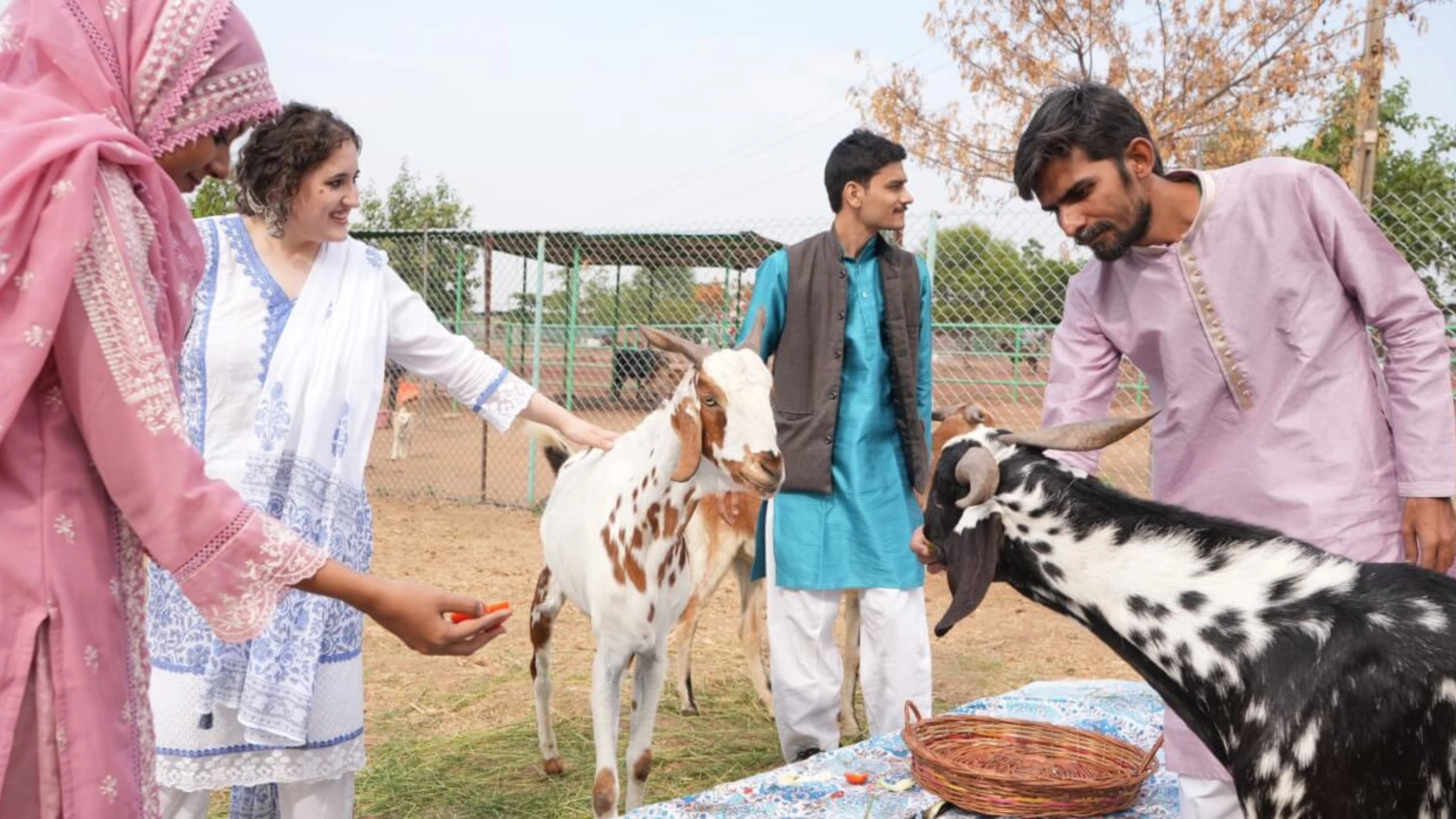
Goats hold important symbolism in many world religions, representing qualities such as fertility, sacrifice, and independence. Across different traditions, goats symbolize both strength and rebellion, reflecting complex and sometimes opposing meanings. In some cultures, goats are sacred animals, while in others, they represent sin or act as scapegoats, playing important roles in religious rituals and teachings.
In ancient mythology, goats are often connected to gods and deities, symbolizing power and endurance. In Christianity, goats sometimes symbolize sin or the devil, whereas in Hinduism, they are honored as offerings to the gods. These varied roles highlight the rich and diverse significance of goats in human history and spiritual beliefs.
Here are meaning of goat symbolism in different cultures:
- The Symbolic Meaning of Goats in Christianity
- The Symbolic Meaning of Goats in Hinduism
- The Symbolic Meaning of Goats in Islam
- The Role of Goats in Greek and Roman Mythology
- The Symbolic Role of Goats in Native American Belief
1: The Symbolic Meaning of Goats in Christianity
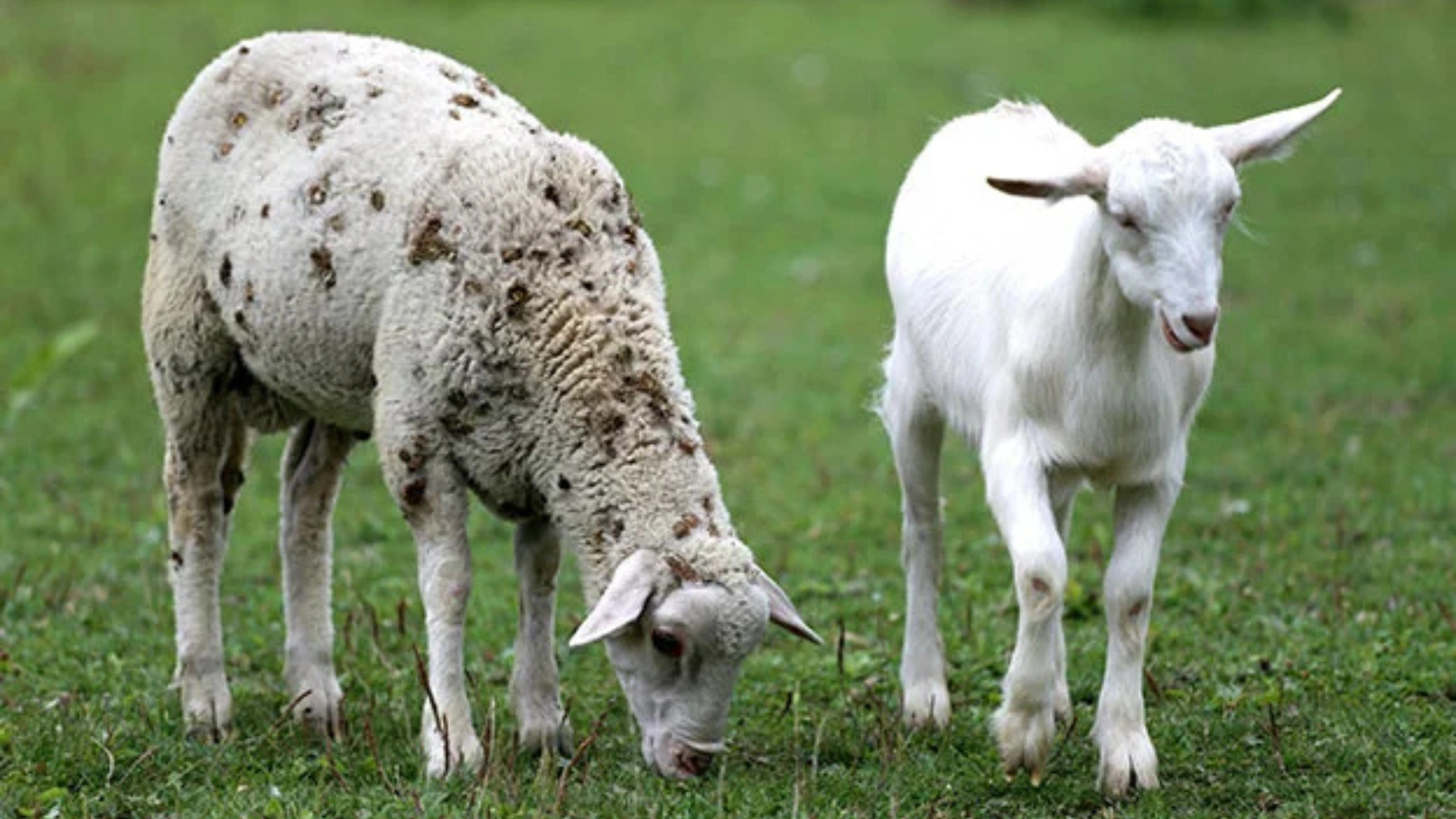
In Christian symbolism, goats represent a complex duality connected to both sin and spiritual lessons. On one side, goats are linked to sin and the Devil, symbolizing separation from God. On the other side, goats appear in Biblical stories as symbols of sacrifice, purity, and redemption.
This contrast reveals deeper spiritual meanings, showing goats as symbols of both the struggles with sin and the potential for spiritual growth. Goat symbolism in Bible reflects this duality, with goats symbolizing both the darker aspects of human nature and the hope for redemption.
In Christian teachings, goats are often seen as scapegoats carrying the community’s sins, but they also represent the need for redemption and transformation. Their role in Biblical narratives reflects the complexity of human nature and the journey toward spiritual understanding. Through this dual symbolism, goats remind us of the dangers of sin and the hope for salvation.
Here ere the symbolic meaning of goats in Christianity:
- Negative Role of Goats in Christianity
- Positive Role of Goats in Christianity
- The Art and Symbolism of Goats in Christianity
Negative Role of Goats in Christianity
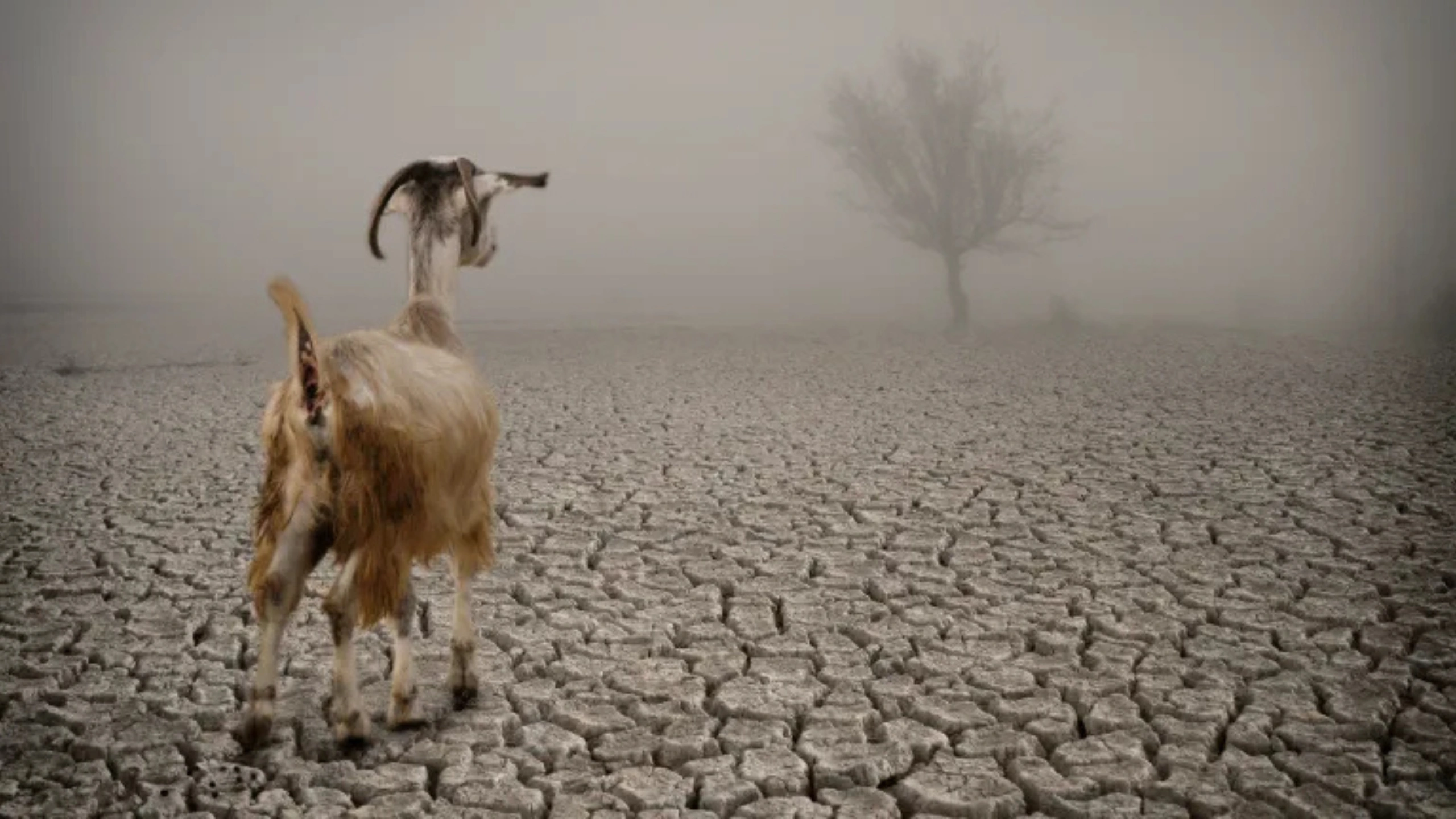
In Christianity, goats are often linked to sin, rebellion, and disobedience, representing the unrighteous who will be separated from the righteous on Judgment Day. In Matthew 25:31-46, Jesus uses goats as a metaphor for those who reject God’s teachings, contrasting them with sheep, which symbolize the righteous.
This biblical goat symbolism Bible emphasizes their negative role and the consequences of sin and disobedience. The use of goats symbolism in Christianity likely comes from ancient pastoral life, where goats were seen as more independent and troublesome than sheep.
In a shepherd’s flock, goats often strayed and caused problems, making them an ideal symbol for rebellion and waywardness in religious teachings. This negative symbolism reinforces the moral and spiritual divide between those who follow God and those who turn away.
Positive Role of Goats in Christianity
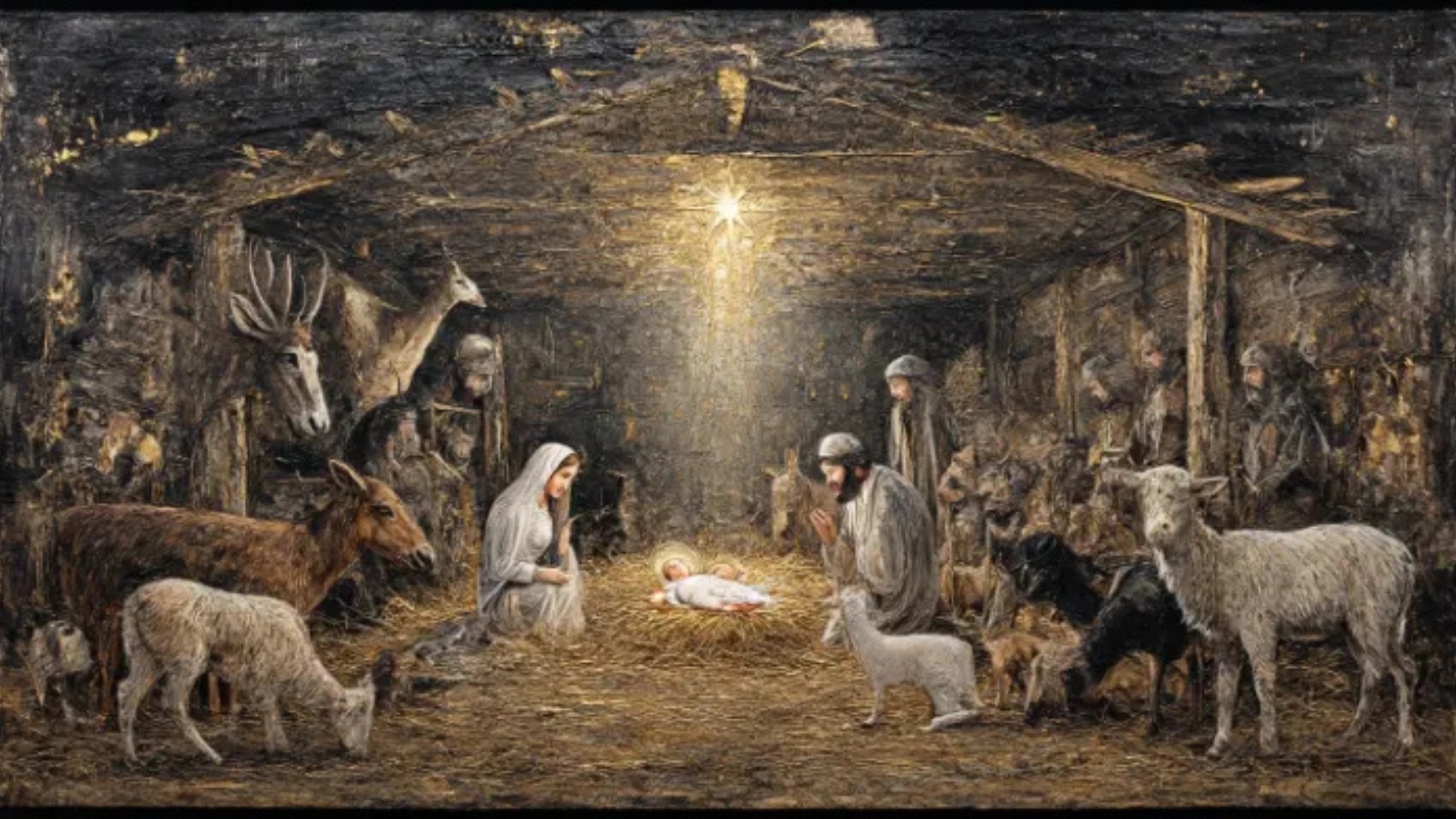
In Christianity, goats also have a positive symbolism of goat in Bible, representing purity, devotion, and sacrifice in important rituals. In the Old Testament, goats were considered clean animals suitable for offerings to God, symbolizing purity and dedication.
The scapegoat ritual on the Day of Atonement in Leviticus 16 is a key example, where one goat was sacrificed for atonement, and another was sent into the wilderness to carry away sins. Goat as a spiritual symbol represents not just sin but also purification and redemption, showing the dual nature of goats in religious symbolism. Goats were valued in Christian rituals as symbols of spiritual cleanliness and commitment.
Their use in sacrifices showed their role in connecting people with God, demonstrating that goats were associated not only with sin but also with purification and redemption. This positive symbolism highlights the goats’ importance in spiritual practices and the relationship between people and the divine.
The Art and Symbolism of Goats in Christianity
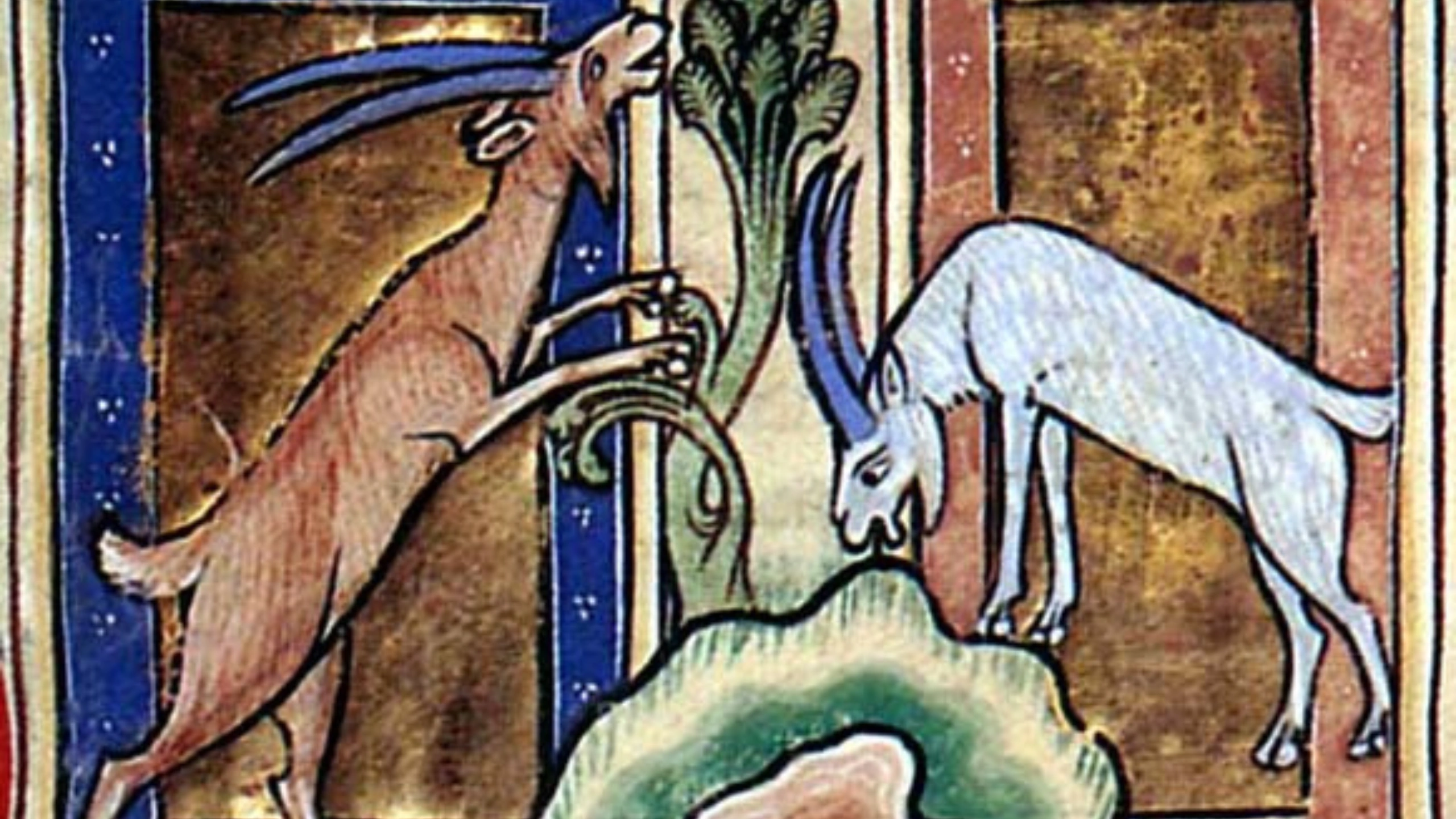
In Christianity, goats appear in art as part of pastoral scenes, symbolizing humility and a connection to the earthly world, especially in the nativity story. What do goats symbolize in these contexts? While sometimes viewed negatively, goats also represent strength, resilience, and spiritual perseverance.
Their ability to thrive in tough environments, as mentioned in Psalm 104:18, highlights their role as symbols of spiritual endurance. In Goat symbolism in art and literature, goats are often shown alongside sheep in nativity scenes, representing the ordinary world into which the divine was born.
Despite their association with sin in some biblical passages, goats are also seen as strong creatures able to survive harsh conditions, emphasizing their positive symbolism.
This dual portrayal reflects the connection between God’s creation and human life, reminding us of the strength and resilience needed to face life’s challenges. These interpretations of goat symbols offer a deeper understanding of their role as both humble creatures and symbols of endurance and strength.
2: The Symbolic Meaning of Goats in Hinduism
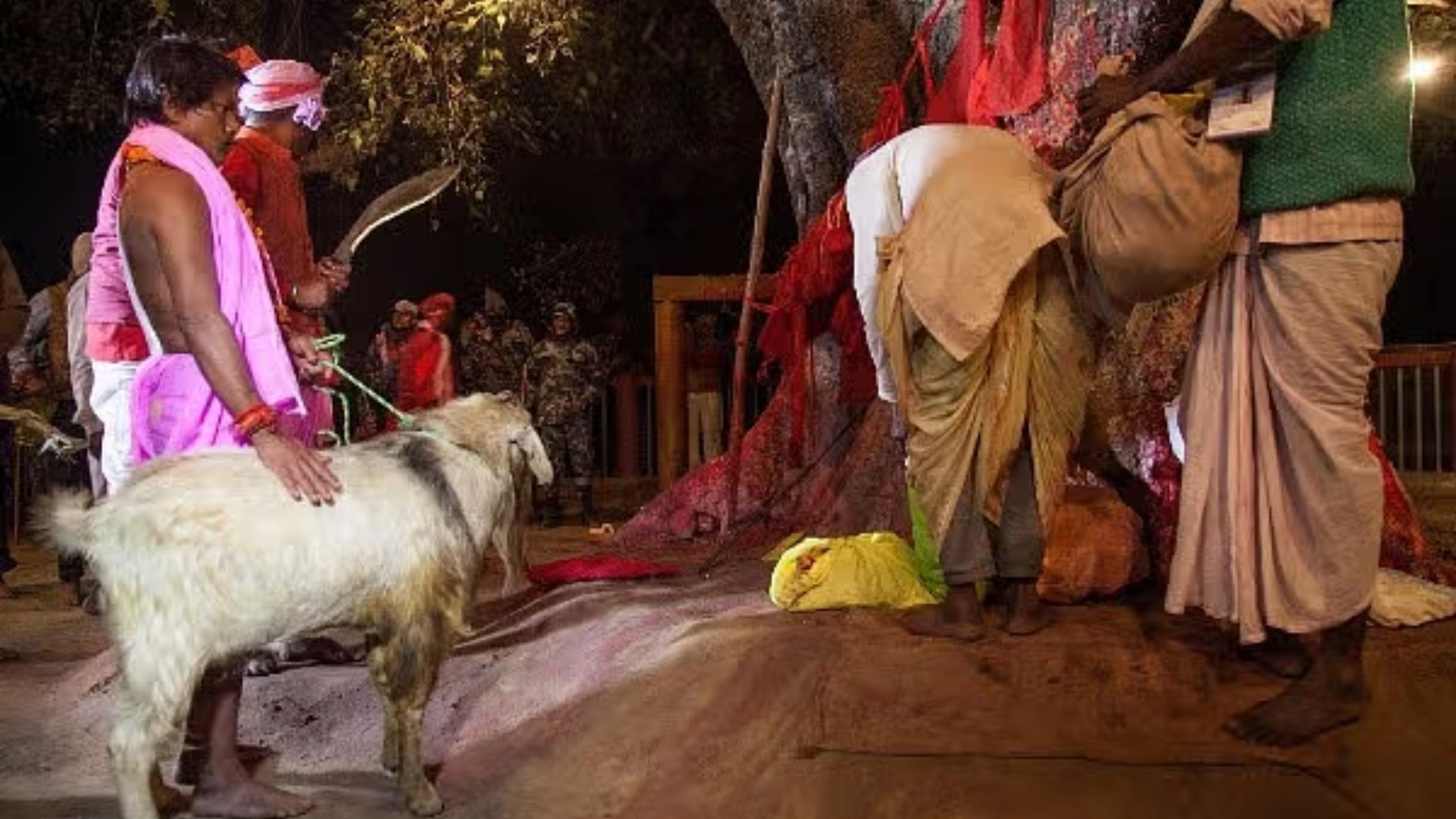
In Hinduism, goats symbolize both sacrifice and sacredness, representing a balance between life, death, and spiritual devotion. They are often used in rituals as offerings to deities, symbolizing devotion and the act of giving oneself. Goats also represent transformation, linked to the cycle of creation and destruction in the universe.
In many Hindu traditions, goats are seen as sacred animals and offerings that connect the physical world to the divine. Their role in rituals highlights their importance in maintaining balance and harmony, reflecting the delicate relationship between life and death. Goat symbolism in Hinduism emphasizes their connection to spiritual devotion and the cyclical nature of existence.
Here are the symbolic meaning of goats in Hinduism:
- Goats and Hindu Deities
- Goats in Hindu Rituals
- The Controversy of Goats Sacrifice
Goats and Hindu Deities
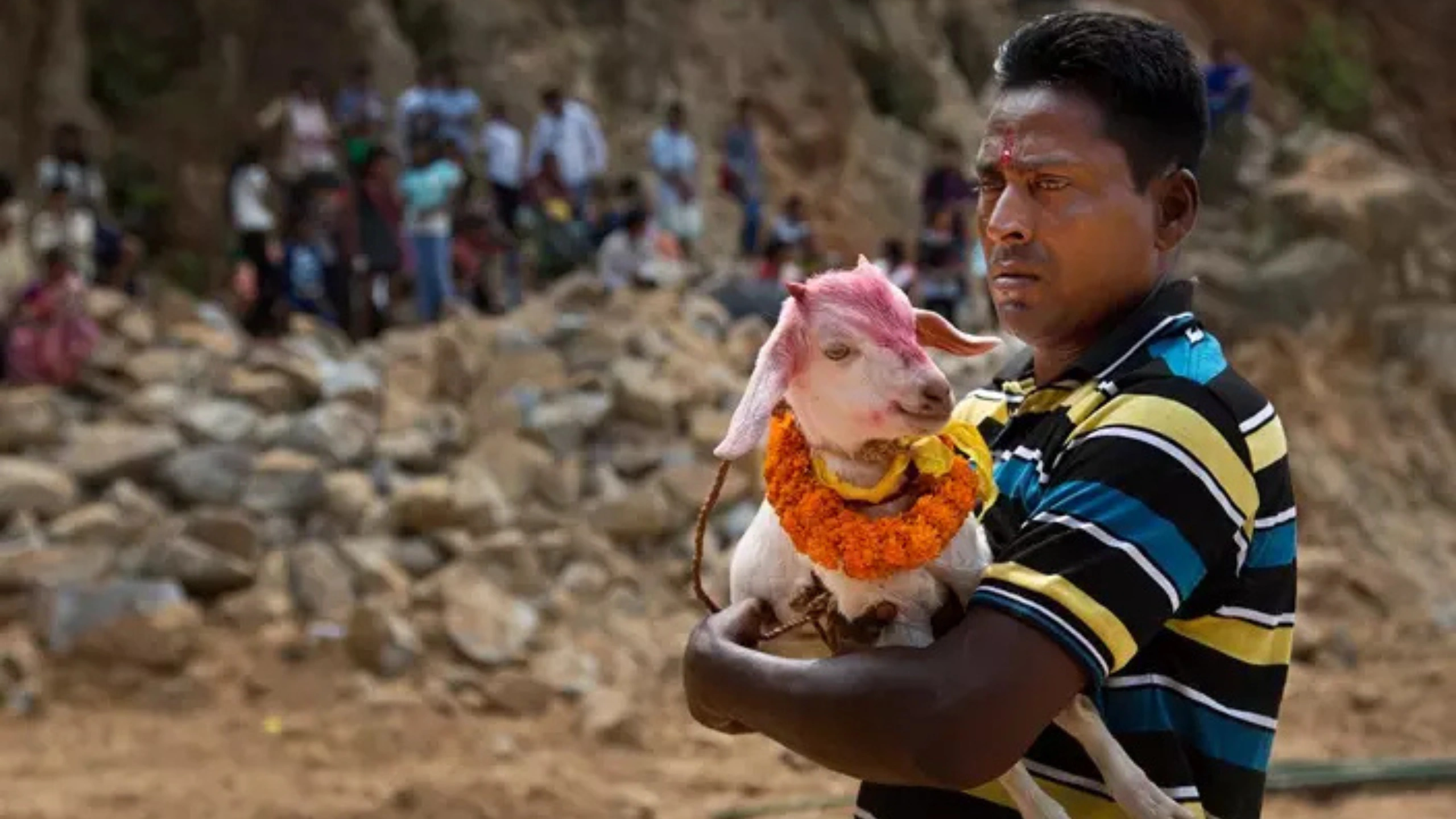
In Hinduism, goats are closely associated with several deities, symbolizing vitality, fertility, and regeneration. In Hinduism, goats are linked to various deities, each representing different aspects of life and spiritual renewal. Agni, the god of fire, uses the goat to symbolize vitality, representing the life force that fuels creation. Similarly, Naigamesha, a goat-headed deity, governs fertility and childbirth, highlighting the connection between goats and the continuation of life. Daksha, who is reborn with a goat’s head, emphasizes the goat’s association with regeneration and the cycle of resurrection, reinforcing the idea of spiritual renewal in Hindu mythology.
Here are the Hindu Deities that connected with the goats:
1. Agni, the fire god, symbolizes vitality and energy through his association with goats.
2. Naigamesha, the goat-headed deity, represents fertility and childbirth.
3. Daksha, the son of Brahma, is depicted with a goat’s head after his resurrection, symbolizing regeneration.
Goats in Hindu Rituals
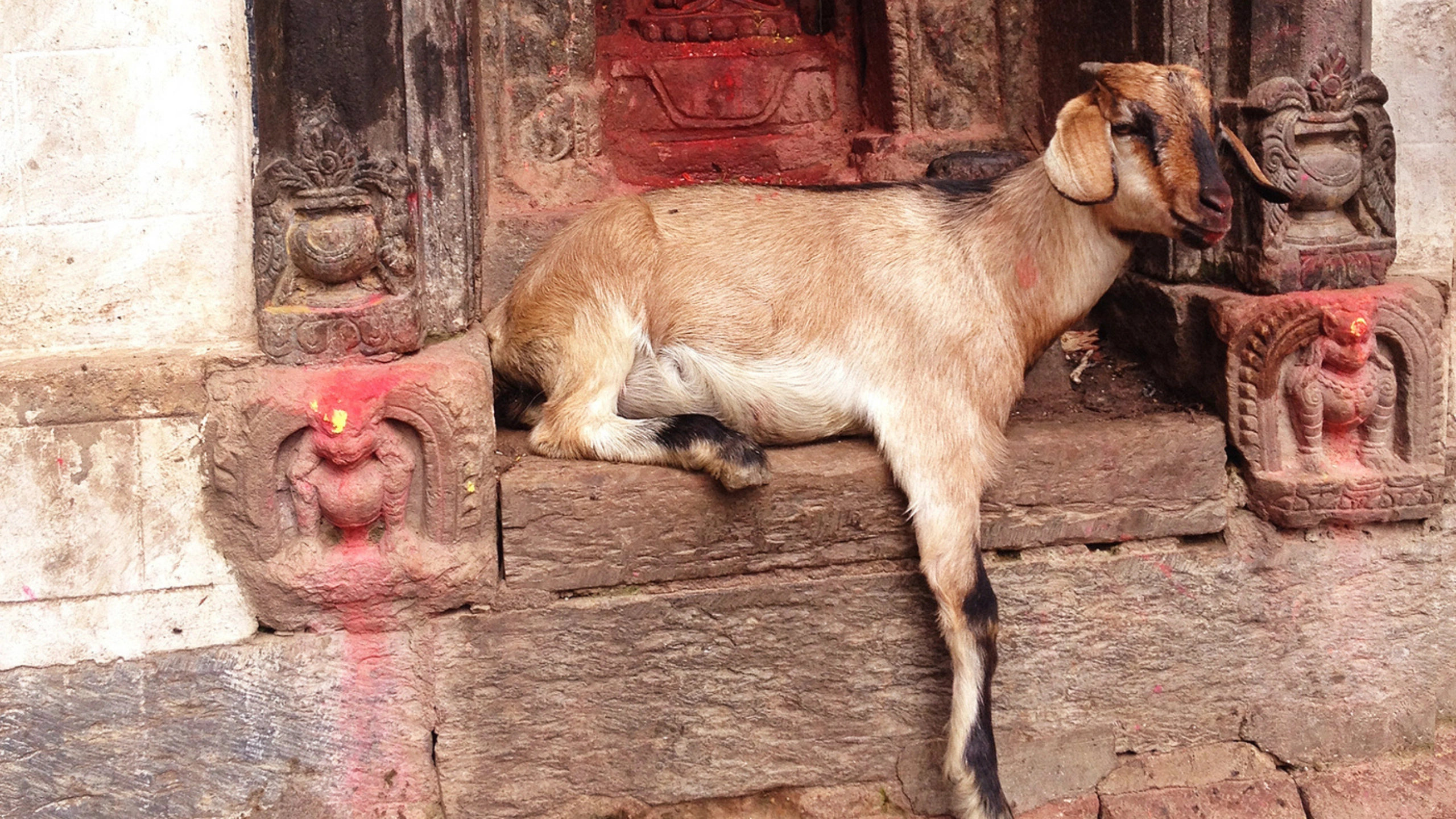
In Hinduism, goats play a significant role in various rituals and practices. While some traditions involve the physical sacrifice of goats, especially for honoring Kali, many modern practitioners choose symbolic offerings instead. Additionally, goat milk is used in Ayurvedic practices, reflecting the goat’s importance in both spiritual and medicinal traditions.
1. Goats are sacrificed in some Hindu rituals, particularly in offerings to the goddess Kali, though this practice can be controversial.
2. Many modern Hindu practices use symbolic offerings of goats rather than performing physical sacrifices.
3. Goat milk and other goat products are essential in Ayurvedic medicine, used for their healing properties.
The Controversy of Goats Sacrifice
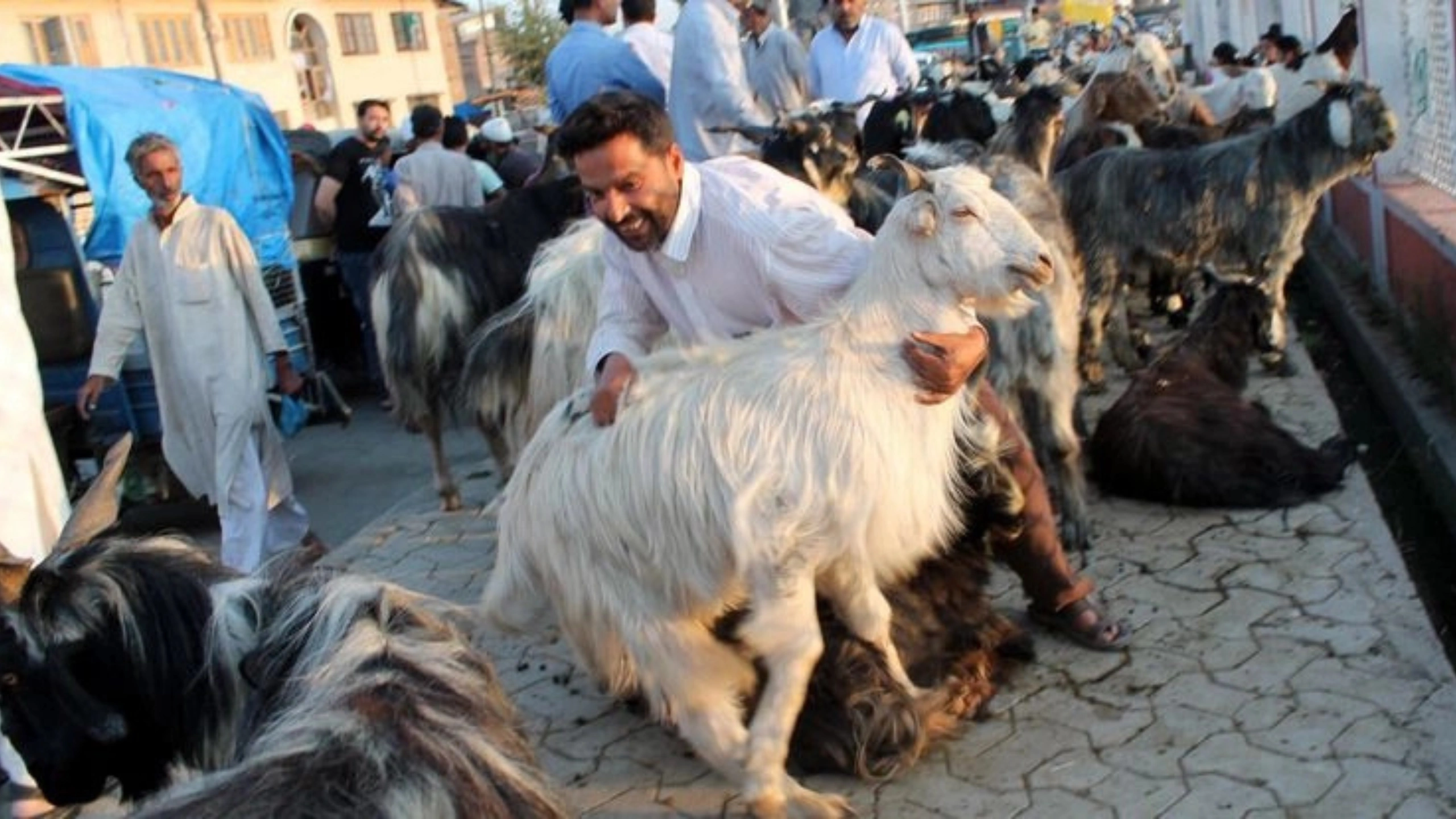
The practice of goat sacrifice in Hinduism has caused significant controversy, as it raises concerns about the conflict between traditional rituals and the principle of non-violence (ahimsa). While some defend goat sacrifice as an important part of worship, others believe it goes against the core teaching of ahimsa, leading many to adopt non-violent alternatives like offering flowers or vegetables.
This debate highlights the tension in Hinduism between preserving ancient traditions and respecting modern values of animal welfare.
Although goat sacrifice has been practiced in some Hindu communities for centuries, many modern Hindus are moving away from it, choosing more compassionate ways to honor their deities. This shift shows how religion evolves to meet changing social values while still honoring deep cultural roots.
3: The Symbolic Meaning of Goats in Islam
In Islam, goats symbolize sacrifice, devotion, and obedience, especially during important religious events like Eid al-Adha. The act of sacrificing a goat during this festival commemorates Ibrahim’s readiness to sacrifice his son in obedience to God’s command, emphasizing the principles of selflessness and surrender to divine authority.
The goat is closely connected to the theme of sacrifice in Islam, representing devotion and commitment to God. During Eid al-Adha, Muslims offer goats as part of the ritual to honor Ibrahim’s obedience, reinforcing the importance of submission, humility, and faith. This sacrifice is not only a physical act but also a reminder of the core values in Islamic teachings.
Here the the symbolic meaning of goats in Islam:
- The Sacrifice of Ibrahim and Ismail: A Sacred Story
- The Role of Goats in Islamic Dietary Guidelines
- Goats Symbolic Meanings in Islam
The Sacrifice of Ibrahim and Ismail: A Sacred Story
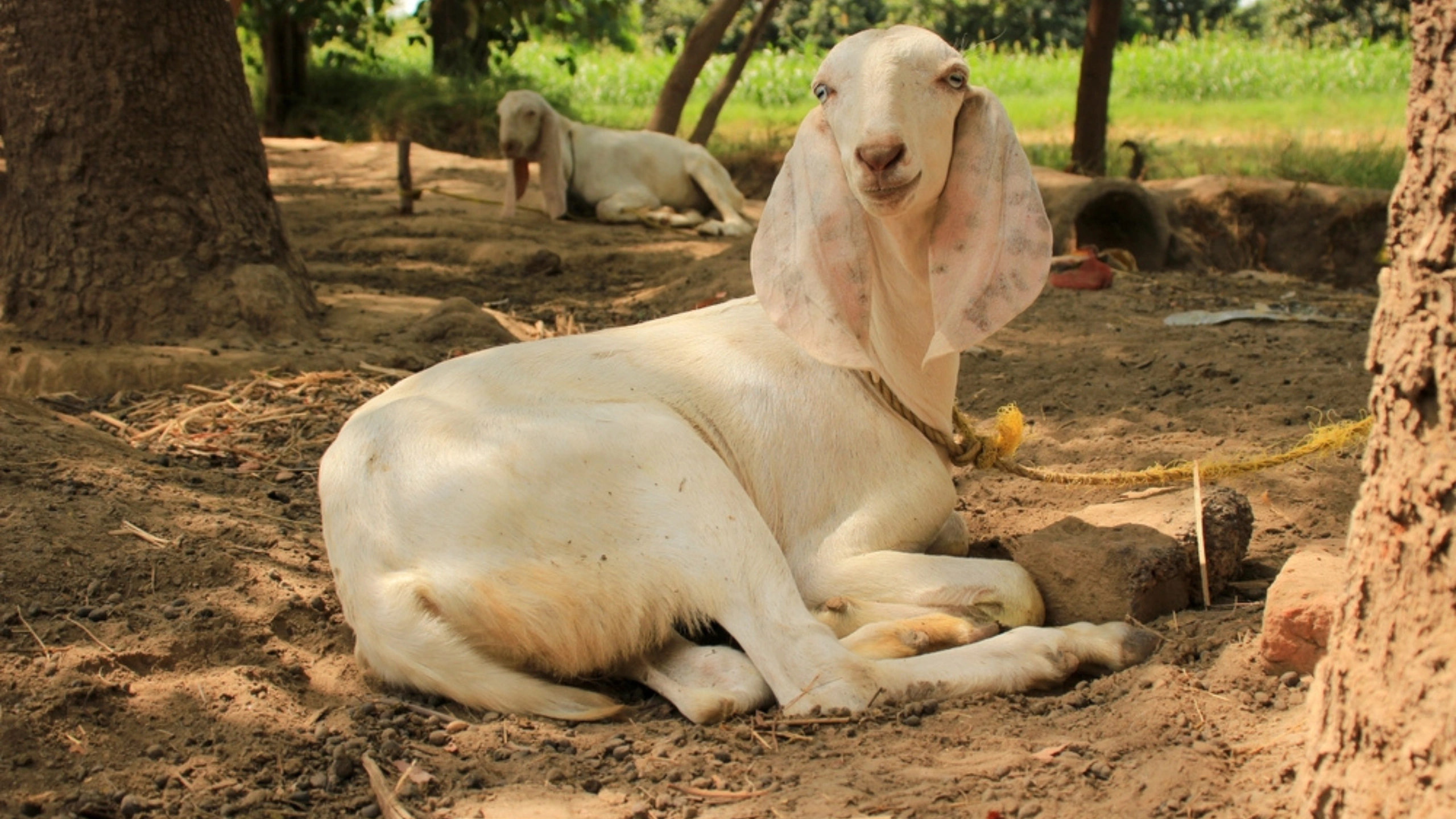
The story of Ibrahim and his son Ismail is a sacred tale in Islamic tradition, symbolizing faith, obedience, and devotion to Allah. In the Quran, Allah tested Ibrahim’s faith by commanding him to sacrifice his son. However, in His mercy, Allah provided a ram, an animal closely related to goats, as a substitute for Ismail.
This powerful story highlights Ibrahim’s deep faith and willingness to obey Allah. It is commemorated during Eid al-Adha, when Muslims honor Ibrahim’s sacrifice by offering goats or other animals as a sign of devotion.
The sacrifice during the festival also emphasizes charity, selflessness, and the importance of community, as the meat is shared with family, friends, and those in need.
The Role of Goats in Islamic Dietary Guidelines
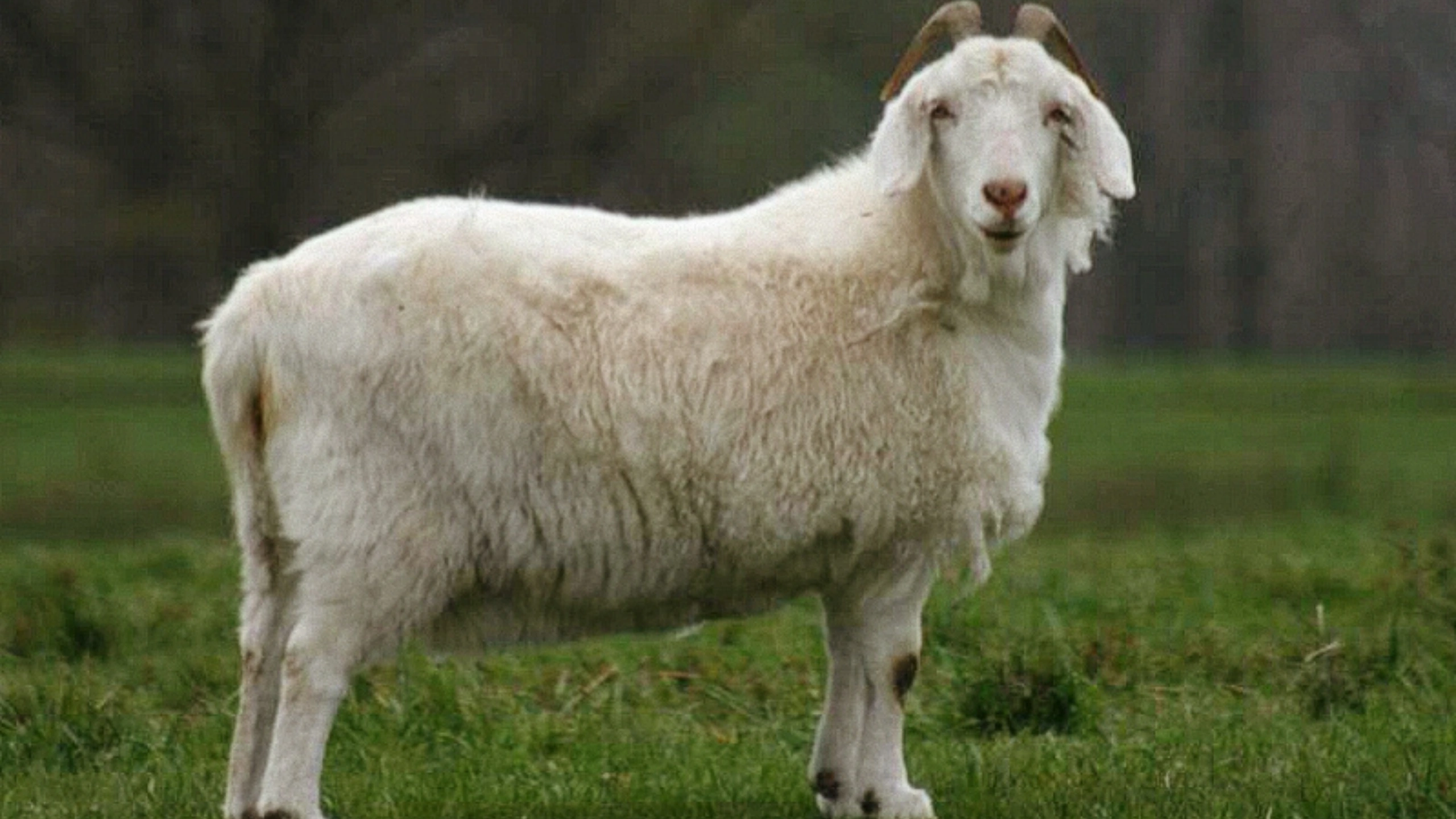
In Islamic dietary guidelines, goat meat is considered halal (permissible) for Muslims when it is slaughtered according to Islamic law. This makes goats a common choice for food during religious festivals and special occasions, where the meat is shared with family, friends, and those in need.
Goats hold an important place in Islamic food culture, as their meat is not only allowed but also symbolizes devotion and charity, especially during festivals like Eid al-Adha.
The halal slaughter process ensures that goat meat is prepared in a way that is spiritually and morally acceptable, helping to strengthen community bonds and encourage spiritual reflection.
Goats Symbolic Meanings in Islam
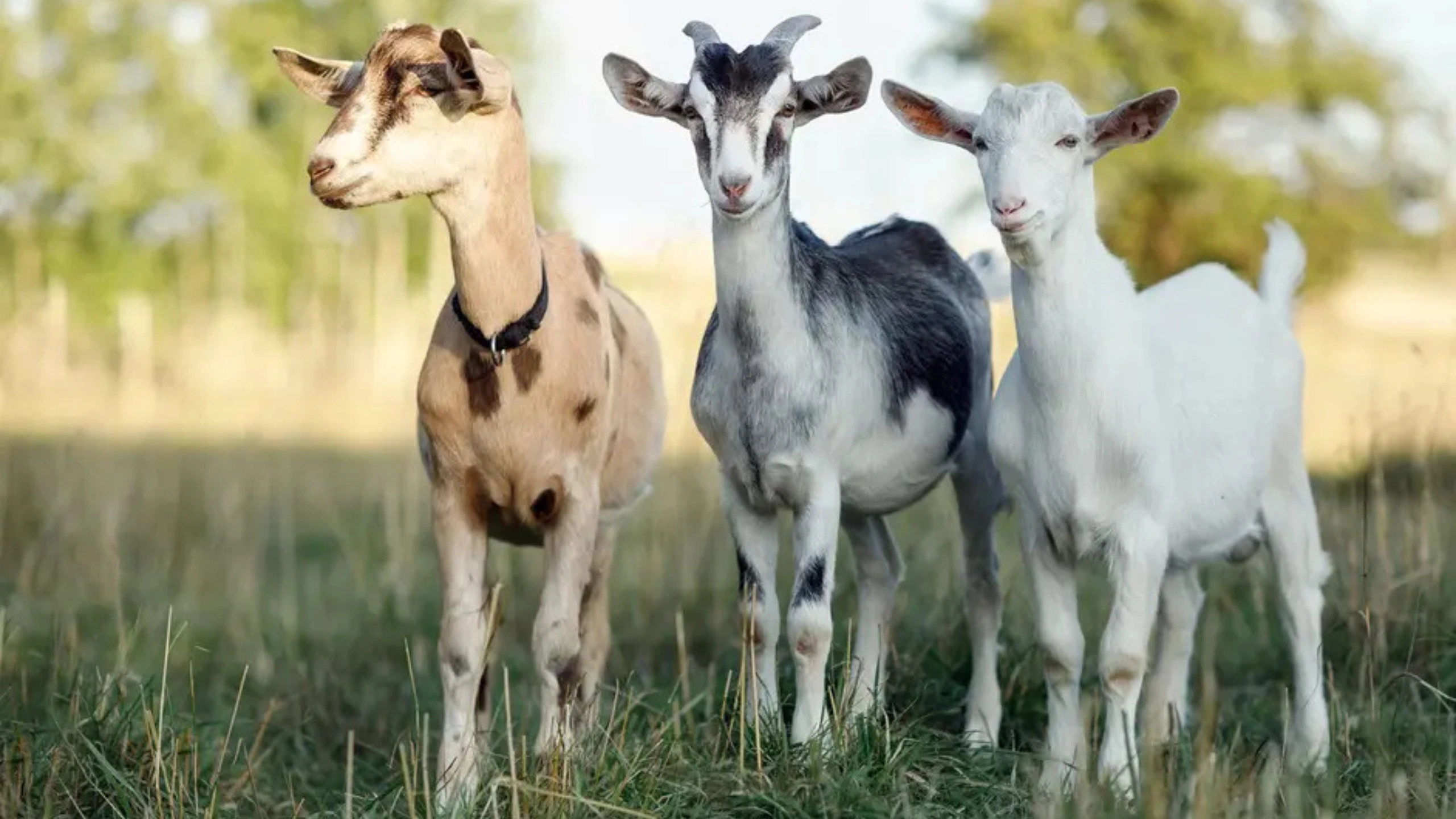
In Islam, goats hold deep symbolic meaning related to devotion, charity, and nourishment. The story of Ibrahim and his son Ismail highlights obedience to Allah, with goats playing a key role in sacrificial practices that honor this faith.
During Eid al-Adha, goats symbolize charity and community, as the sacrificial meat is shared with family and those in need. Goats also serve as an important source of food, reflecting Allah’s provision for Muslims and emphasizing the values of gratitude and sharing.
1. Goats symbolize obedience to Allah through the story of Ibrahim and Ismail.
2. Goats represent charity and community during Eid al-Adha sacrifices.
3. Goats provide sustenance as a vital source of food in Islamic culture.
4: The Role of Goats in Greek and Roman Mythology
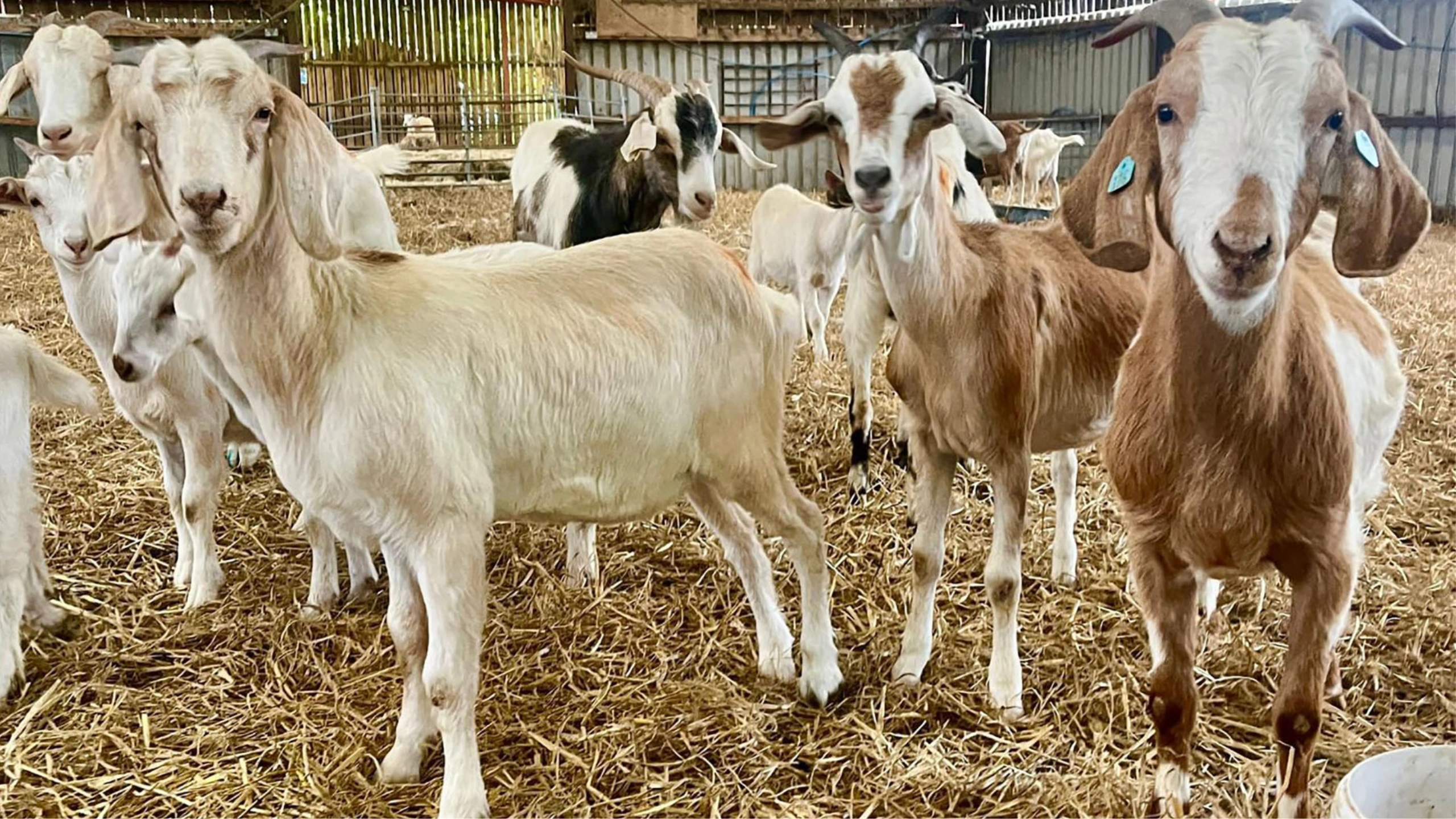
In Greek and Roman mythology, goats symbolize vitality, transformation, and divine connection, appearing in stories of gods, heroes, and magical creatures. Goat symbolism mythology often highlights their connection to powerful forces of nature. One notable figure is the god Pan, who has goat features and represents both nature and wild power.
These myths elevate goats beyond ordinary animals, making them symbols of resilience and spiritual transformation connected to mystical forces. Goat symbolism in mythology and folklore frequently portrays goats as creatures of transformation, embodying primal energy and spiritual power.
In these ancient traditions, goats play important symbolic roles. Pan, with his goat-like form, embodies the untamed forces of nature, while other myths feature goats as creatures that challenge, transform, or guide heroes and gods.
Goat symbolism and its meanings continue to reflect their deep significance in the ancient world, linking them to the magic and power of the natural world.
5: The Symbolic Role of Goats in Native American Beliefs
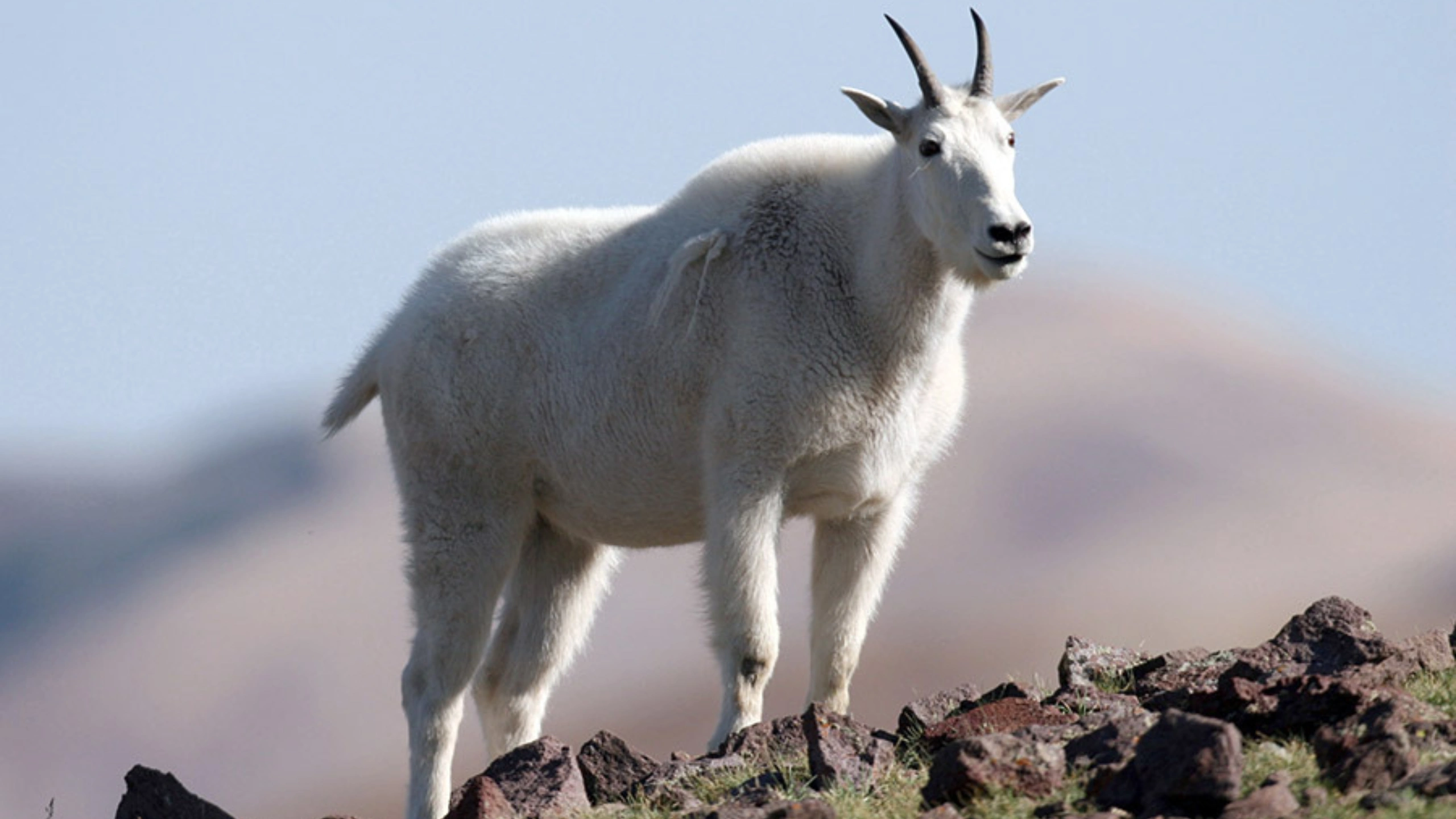
In Native American beliefs, goats symbolize strength, resilience, and the ability to overcome life’s toughest challenges. Known for thriving in harsh environments, goats represent self-reliance, perseverance, and endurance.
-
Agility and Grace: The mountain goat’s skill in navigating rocky terrain symbolizes resilience under pressure.
-
Self-Reliance: Goats find food in barren places, representing independence and resourcefulness.
-
Vigilance: Their alertness to surroundings makes goats symbols of wisdom and preparedness.
-
Independence: Goats’ solitary nature reflects self-reliance and the strength to thrive without help.
The mountain goat remains a powerful symbol of resilience, strength, and independence, inspiring people to face challenges with confidence and determination
Does Seeing a Goat Bring Good or Bad Luck?
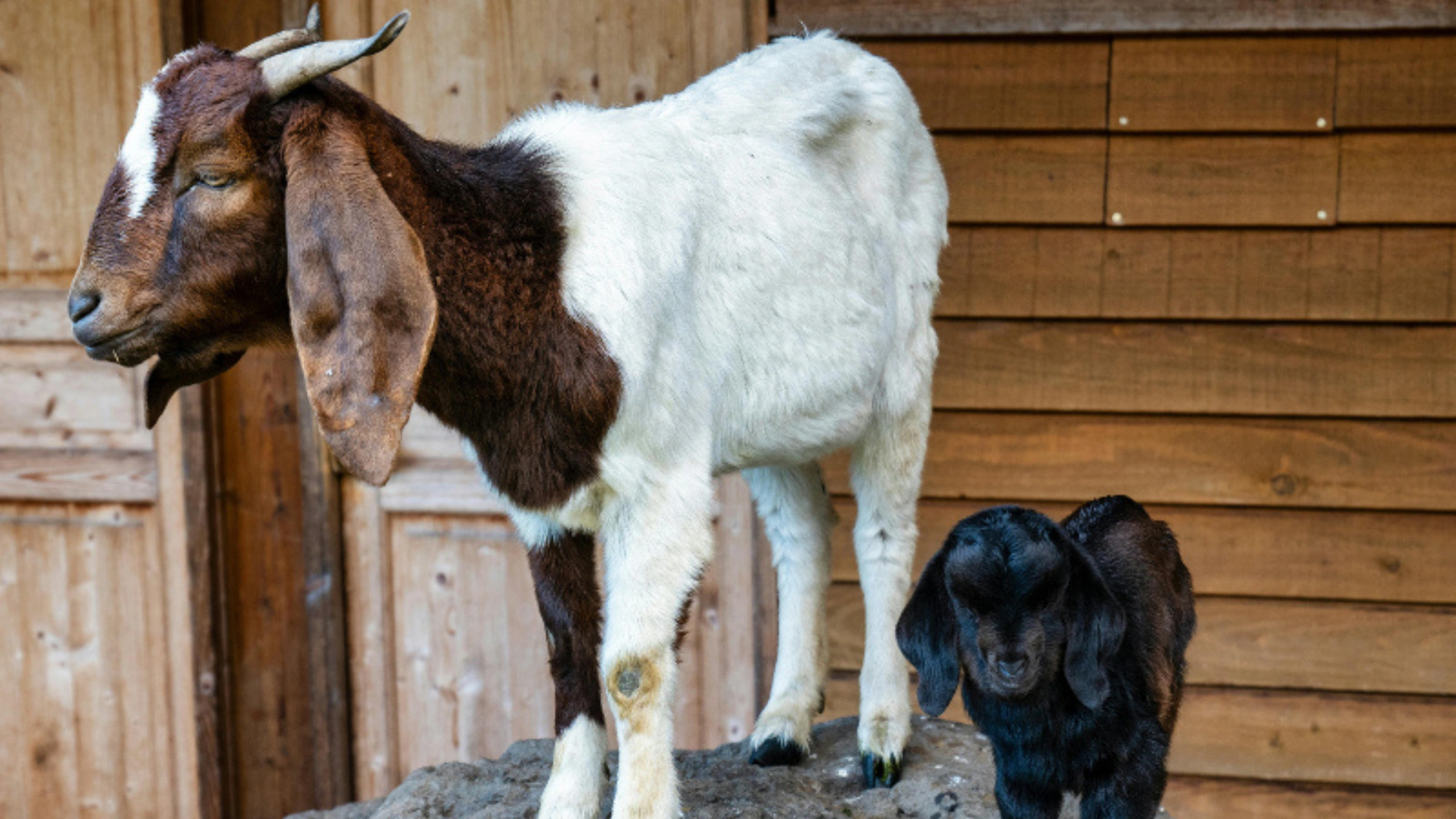
Yes, Seeing a goat is often considered a sign of good luck, symbolizing fortune, prosperity, and abundance. In the Chinese zodiac, the Year of the Goat represents peace, kindness, and harmony, signaling new beginnings and growth. In Western cultures, goats are sometimes linked to mysticism and hidden wisdom, associating them with the unknown.
Overall, spotting a goat brings positive energy, encouraging harmony and balance in your life while also signaling possible challenges and opportunities for progress.
Conclusion
Goat symbolism embodies a unique blend of strength, resilience, and adaptability, symbolizing both challenges and rewards in various cultures and religions. From their role as symbols of fertility, vitality, and sacrifice in Greek and Roman mythology to their connection to obedience and charity in Islam, goats represent the balance between the physical and spiritual realms. They are revered for their perseverance, adaptability, and their ability to offer nourishment and strength.
Whether as a source of sustenance or a symbol of fertility and spiritual growth, goat symbolism remains a powerful figure across myths, rituals, and agricultural practices. They inspire us to face life’s challenges with determination, adaptability, and resilience, offering profound lessons on how to thrive in adversity.
Frequently Asked Questions
[sp_easyaccordion id=”9905″]