
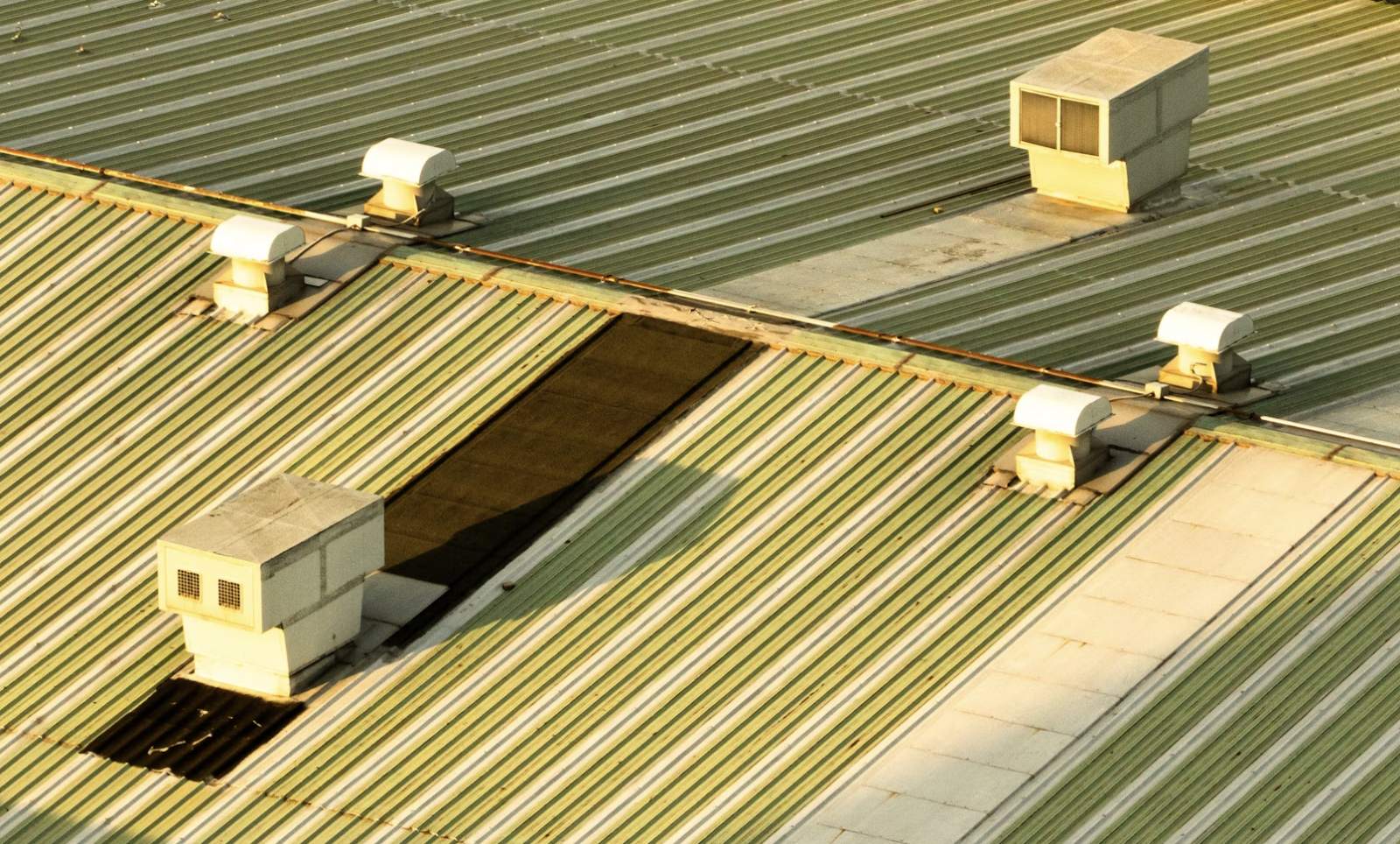
Commercial real estate investors who treat the roof as a maintenance item rather than an asset management variable consistently underestimate its contribution to building value. The roof is not the most visible component of a commercial property. It is one of the most financially consequential.
Roof decisions can affect a commercial property long after the installation is complete. System life, maintenance requirements, energy performance, leak risk, and the quality of the installation all influence future operating costs and the condition of the building. Blue Frog Roofing applies these considerations across commercial properties in the region, where a commercial roofing contractor berthoud co be involved in decisions that affect both near-term maintenance and the building’s longer-term financial performance.
The initial specification and installation can therefore have consequences that extend well beyond the roofing budget itself.
The NOI Relationship That Most Property Owners Miss
Commercial property value is calculated as net operating income (NOI) divided by the capitalization rate. The roof affects both sides of this equation.
On the expense side, a commercial roof in deteriorating condition increases maintenance expenditure through emergency repairs, temporary remediation, and contractor callouts. It also increases insurance premiums when underwriters identify the condition as elevated risk in their assessment.
On the income side, active water intrusion reduces tenant retention, limits the ability to attract replacement tenants, and in severe cases removes portions of rentable area from available inventory during leak events.
A 10,000-square-foot commercial building at $18 per square foot annually generates $180,000 in gross revenue. A 5 percent occupancy reduction from tenant departure and space unavailability during leak events reduces income by $9,000 per year. At a 6 percent capitalization rate, that $9,000 income reduction represents a $150,000 reduction in property value.
The re-roofing project that costs $70,000 to $120,000 is not being compared to its own cost. It is being compared to a $150,000 asset value reduction that a failing roof produces.
What Northern Colorado Climate Requires From a Commercial System
The Berthoud area presents a specific combination of stressors that determines which commercial roofing systems hold up over their rated service life and which ones fail before it.
UV intensity at 5,026 feet elevation: Approximately 20 percent more intense than at sea level. White TPO membranes that reflect 70 to 80 percent of solar radiation outperform dark EPDM on buildings where summer cooling load is a significant operating cost. ENERGY STAR data shows cool roof membranes reduce peak cooling demand by 10 to 15 percent on low-slope commercial buildings in high-UV climates.
Hail frequency: NOAA storm data identifies the northern Colorado corridor running through Berthoud and Johnstown as one of the highest-frequency hail zones in Larimer County. Impact-resistant membrane upgrades and hail-rated insulation boards address this directly. Standard membrane specifications written for lower-frequency hail markets produce early failure timelines here.
Temperature amplitude: The range between summer high and winter low in Berthoud regularly exceeds 100 degrees Fahrenheit across a single year. Thermal expansion and contraction at seam locations is the primary stress on mechanically fastened membrane systems. Seam quality is the variable most directly controlled by installer training and technique.
What the Commercial Roofing Bid Hierarchy Actually Looks Like
| Warranty Tier | Coverage | Installer Requirement | Typical Term |
| Limited material only | Membrane manufacturing defects | Any licensed contractor | 10 years |
| System warranty | Material + labor for covered failures | Manufacturer-registered contractor | 15 to 20 years |
| No-Dollar-Limit (NDL) | Full replacement cost, material + labor | Manufacturer-certified contractor, inspected installation | 20 to 25 years |
The distinction between these tiers is not brand preference. It is financial exposure. An NDL warranty that covers full replacement cost means the building owner has no uncapped liability for covered failures during the warranty period. A material-only warranty means every covered failure still produces a labor cost the building owner bears.
The annual premium difference between a 10-year material-only warranty and a 20-year NDL warranty on a 10,000-square-foot project runs $800 to $2,000 in bid price. The liability protection that difference represents over the warranty period is not a close financial comparison.
Key Takeaways
- A 5 percent NOI reduction from a failing commercial roof at a 6 percent cap rate produces a $150,000 asset value reduction
- Berthoud’s elevation produces approximately 20 percent more UV intensity than sea level, making reflective membrane selection an operating cost factor
- ENERGY STAR data shows cool roof membranes reduce peak cooling demand by 10 to 15 percent in high-UV low-slope applications
- NDL manufacturer warranties require certified installer status and cover full replacement cost with no dollar cap on covered failures
- Annual premium difference between material-only and NDL warranty tiers runs $800 to $2,000 on a 10,000-square-foot project
A commercial roof that fails before its rated lifespan does not cost the replacement price. It costs the replacement price plus the asset value erosion that occurred during the period it was failing.