
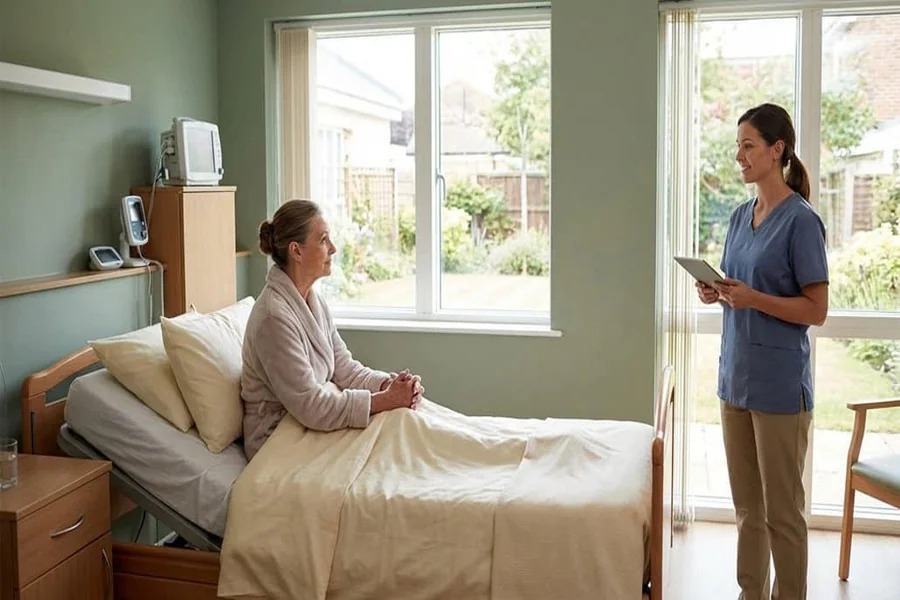
The first 30 days of sobriety can feel strange, raw, and intensely uncertain. Many people picture inpatient treatment as a month of lectures, rules, and forced reflection. The reality is usually more grounded than that. Good treatment is structured, yes, but it is also practical. It helps people stabilize physically, understand what they are dealing with, and start building routines that make sobriety possible outside a protected setting.
Those early weeks are rarely neat. Sleep is off. Emotions are close to the surface. Motivation can swing from hope to resistance in a single afternoon. That is exactly why inpatient care exists. It gives people a place to get through the hardest stretch with medical, clinical, and emotional support close by.
The first few days are about safety and stabilization
For many patients, treatment begins with detox or close monitoring during withdrawal. This stage depends on the substance involved, how long it has been used, and whether there are co-occurring mental health concerns such as anxiety, depression, or trauma. Medical staff watch for complications, help manage symptoms, and make sure the body is safe enough for deeper therapeutic work.
According to the Substance Abuse and Mental Health Services Administration (SAMHSA), millions of adults in the United States live with a substance use disorder, and medically supervised detox is often the safest entry point into recovery, particularly for alcohol, benzodiazepines, and opioids, where withdrawal can become dangerous without clinical oversight.
This is not usually the moment for major breakthroughs. It is more basic than that. Eat something. Sleep if possible. Hydrate. Get through the next hour without using. Early sobriety often starts there.
Once the fog lifts, the real work begins
Assessment is more detailed than many people expect
In a strong inpatient program, clinicians do not treat addiction as a standalone problem. They look at substance use, mental health, trauma history, family dynamics, physical health, and relapse patterns together. That matters because someone drinking to quiet panic attacks needs a different plan than someone using stimulants while cycling through untreated depression.
The National Institute on Drug Abuse notes that roughly half of people with a substance use disorder also experience a co-occurring mental health condition, which is why integrated treatment tends to produce better outcomes than addressing either issue in isolation. This dual-diagnosis approach is standard at quality centers, including places like Seasons in Malibu, because addiction and mental health symptoms so often feed each other.
Days follow a rhythm
Most inpatient schedules are structured from morning to evening. A typical day may include individual therapy, group sessions, psychiatric check-ins, educational workshops, movement, and quiet time. The structure is part of the treatment. Addiction often thrives in chaos, secrecy, and isolation. Routine starts to interrupt that.
Group therapy helps people hear their own thinking more clearly. Individual therapy gives space for the harder truths. Many programs also incorporate evidence-based modalities recognized by SAMHSA’s National Registry of Evidence-Based Programs, including cognitive behavioral therapy, which helps patients identify distorted thought patterns, and dialectical behavior therapy, which teaches skills for distress tolerance and emotional regulation.
What changes by the end of the month
Thirty days usually does not “fix” addiction. What it can do is create traction. Cravings may still be present, but they are often less constant. Sleep may improve. Thinking gets clearer. Patients begin to recognize triggers, understand relapse warning signs, and practice what to do instead of reaching for a substance.
Just as important, many start to feel something they have not felt in a while: a little self-trust. Not because everything is solved, but because they made it through difficult days without numbing out. That matters.
Leaving treatment is part of treatment
The last part of the first 30 days is usually focused on what comes next. Discharge planning may include outpatient therapy, medication management, support groups, sober living, family work, and a relapse prevention plan. Research summarized by the National Institute on Drug Abuse consistently shows that longer engagement with care, including structured aftercare, is one of the strongest predictors of sustained recovery.
The goal is not to send someone back to real life with a handshake and good luck. It is to make sure sobriety has some structure around it before the doors open. For many people, the first month is less about becoming a new person and more about becoming reachable again, clear-eyed enough to keep going.