
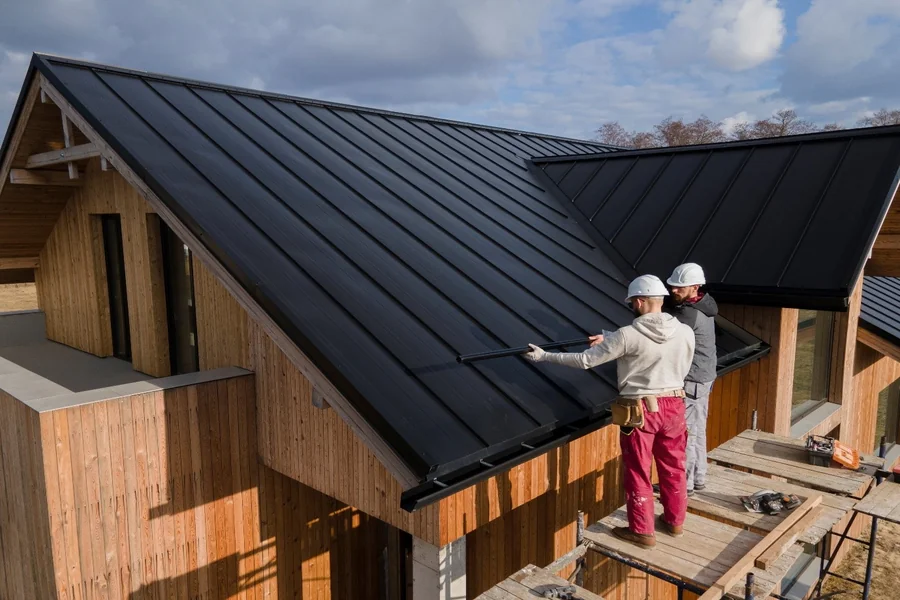
The right roofing material can cut cooling costs by up to 15 percent and extend the life of a home’s HVAC system. Energy-efficient roofing works by reflecting sunlight rather than absorbing it, keeping homes cooler with less mechanical effort.
Modern homes must withstand a variety of weather patterns, ranging from high-moisture winters to increasingly intense summer heatwaves. Maintaining a consistent internal temperature requires materials that effectively manage thermal transfer and moisture resistance across changing seasons. Local experts like Vault Roofing specialize in helping homeowners navigate these environmental demands with roofing systems built for long-term efficiency.
Choosing the right system from the start saves money across every season. The options available today go far beyond shingles, and each carries a different impact on energy bills, durability, and environmental footprint.
What Makes a Roof Energy-Efficient?
Energy efficiency in roofing comes down to two properties: solar reflectance and thermal emittance. A roof that reflects more sunlight and releases absorbed heat quickly keeps the building beneath it significantly cooler.
According to the U.S. Department of Energy, conventional roofs can reach temperatures of 150°F or more on a sunny afternoon. A reflective cool roof under the same conditions can stay more than 50°F cooler, directly reducing air conditioning demand.
Insulation beneath the roofing layer also plays a key role. Even the most reflective surface loses efficiency if heat can still conduct through a poorly insulated deck into the living space below.
Top Energy-Efficient Roofing Materials
Metal roofing is one of the most durable and reflective options available. It can reflect up to 70 percent of solar energy and last 40 to 70 years with minimal maintenance.
Cool asphalt shingles with reflective granules offer an accessible and cost-effective middle ground. They qualify for ENERGY STAR certification and work well on both new construction and reroof projects.
Tile roofing; clay or concrete; creates natural air gaps that improve ventilation beneath the surface. This passive airflow further reduces heat transfer into the home and is especially effective in warm climates.
ENERGY STAR and Certification Standards
Not all roofing products marketed as “cool” meet the same performance threshold. The ENERGY STAR program sets minimum solar reflectance standards that products must meet to carry the label.
The ENERGY STAR Cool Roofs program rates products based on their solar reflectance after three years of use, accounting for real-world weathering and dirt accumulation, not just lab performance. Homeowners should look for this rating when comparing options.
Some utilities offer rebates for ENERGY STAR-certified roofing installations. Checking with your local provider before purchasing can reduce upfront costs significantly.
Key Takeaways
- Energy-efficient roofing reduces cooling costs by reflecting sunlight rather than absorbing it, keeping homes cooler with less air conditioning.
- Conventional roofs can reach 150°F on hot days; cool roofs stay more than 50°F cooler under the same conditions.
- Metal roofing, cool asphalt shingles, and tile are the top material choices for residential energy efficiency.
- ENERGY STAR certification measures real-world performance after three years of weathering, not just initial lab ratings.
- Local climate, insulation levels, and utility rebate programs should all factor into the final roofing decision.