
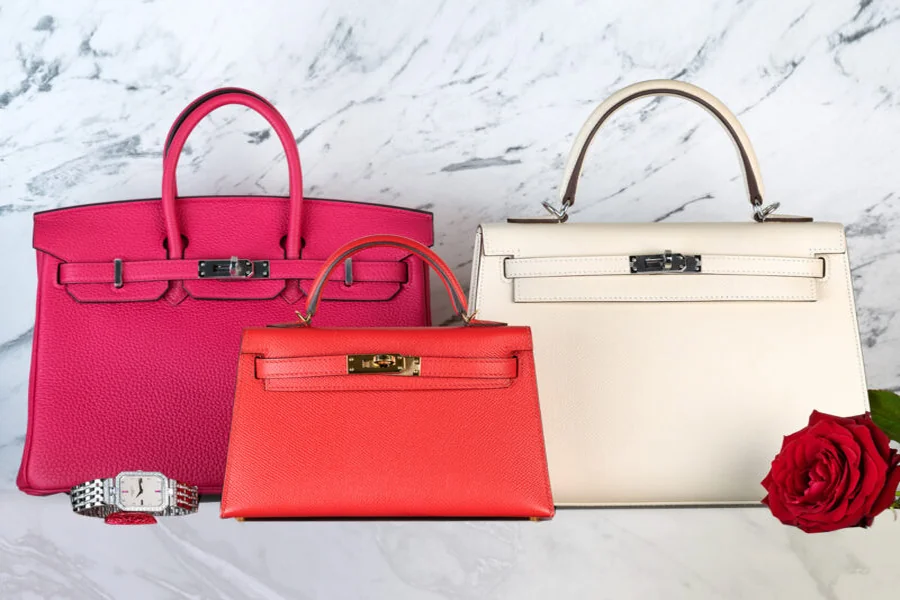
Hermès Kelly bags sit in a rare category of luxury: they are fashion objects, status symbols, collector pieces, and practical leather goods all at once. Their price is not based on a logo alone. It comes from a mix of hand craftsmanship, scarcity, heritage, materials, store access, resale performance, and the emotional pull of owning something that still feels difficult to obtain.
The Kelly’s story gives it a strong cultural charge. Hermès traces the bag’s roots to the 1930s, when Robert Dumas created a structured women’s bag with straps. Its public identity changed forever when Grace Kelly was photographed using it to hide her pregnancy, a moment Hermès still references in its own Kelly bag collection. That kind of history is hard to manufacture, and buyers recieve more than a handbag when they buy a Kelly. They buy into a story that has survived decades without feeling ordinary.
The Craftsmanship Is Slow, Skilled, and Expensive
A Kelly bag is not built like a standard luxury accessory. Hermès leather goods are associated with specialist artisans, long training, and a production model that favors precision over speed. The brand has continued investing in French leather goods workshops, including the opening of its twenty-third leather goods site in Riom, according to Hermès’ 2024 full-year results. That craftsmenship model is a major reason supply cannot simply be increased overnight.
Each Kelly has a crisp architectural shape, hand-finished edges, a top handle, flap, straps, lock, clochette, and precise stitching. Sellier Kelly bags have sharper lines and a more formal finish, while Retourne Kelly bags are softer and slightly more relaxed. Both require excellent leather selection and careful construction. If the corners, seams, handle, or flap are even slightly wrong, the whole bag loses its balance.
Scarcity Is Built Into the Experience
Hermès does not make the Kelly feel available in the usual retail sense. You cannot always walk into a boutique, choose the exact size, leather, color, and hardware combination, and leave with it that day. The buying experience is part of the price psychology.
That scarcity creates tension. The customer wants the bag because it is hard to get, and it is hard to get because demand is global and supply is controlled. A Kelly 25 in a popular neutral shade with gold hardware can feel more desirable than a louder seasonal color simply because it fits more wardrobes and appears less often in perfect condition.
This is also why the details around packaging and provenance matter. A bag with its box, dust bag, strap, lock, keys, clochette, rain cover, receipt, and other original items can be more attractive to collectors. The idea of a complete package is serious in the resale market, and the question of how a Hermès bag full set affects the price becomes especially relevant when buyers compare similar bags.
Materials Change the Price Dramatically
Not all Kelly bags are priced alike. Leather type, size, hardware, color, and condition can move the price substantially. Epsom, Togo, Swift, Box calf, Chèvre, Barenia, ostrich, lizard, alligator, and crocodile each create a different value profile.
Epsom is popular for Sellier Kellys because it holds structure well. Togo is loved for a softer Retourne look. Box calf has a refined, glossy character but can show scratches more easily. Exotic skins sit in another tier entirely. Crocodile and alligator Kelly bags are far more expensive because the skins are rare, highly regulated, difficult to source, and demanding to work with.
Hardware also matters. Gold hardware can make a warm neutral feel richer, while palladium gives a cooler and more understated finish. Special hardware, limited editions, and diamond pieces can push prices into collector territory.
The Resale Market Supports the Price
Many luxury handbags lose value after purchase. The Kelly often behaves differently, especially in desirable specifications. Resale strength does not guarantee every Kelly will rise in value, but it does help explain why buyers tolerate high boutique and secondary-market prices.
Sotheby’s has reported that highly sought-after Mini Kelly leather bags have traded around $30,000 to $36,000 on the resale market, even around periods of boutique price increases, in its coverage of Hermès Kelly price changes. That gap between retail and resale is central to the Kelly’s reputation. A buyer is not only paying for leather and stitching. They are paying for access.
The secondary market also reveals how sensitive collectors are to condition. A pristine store-fresh Kelly with full packaging can command a very different price from a used bag with corner wear, tarnished hardware, missing accessories, or unclear provenance. Even small marks can matter because the buyer pool at this level expects near perfection.
Size Shapes Demand
Kelly sizing is another reason prices vary. The Mini Kelly is especially hot because it works as a fashion piece, evening bag, and collector item. It is not the most practical size, but practicality is not always the point. Small bags photograph well, feel current, and often draw intense demand.
The Kelly 25 and Kelly 28 are also strong because they balance elegance and usability. A Kelly 32 or 35 may appeal to buyers who want more function, but market demand can shift depending on trends. At the highest end, rarity can matter more than size alone.
Color Can Make or Break the Value
Hermès color strategy is part of the magic. Neutrals like Noir, Gold, Étoupe, Craie, Nata, and Gris shades tend to be easier to style and more broadly desirable. Bright colors can be valuable too, especially if they are rare, discontinued, or perfectly matched to the bag’s shape and hardware.
A black Kelly Sellier with gold hardware projects a very different mood from a pastel Mini Kelly or a rich exotic crocodile piece. Buyers are not just choosing a color. They are choosing the social signal the bag sends.
The Brand Protects the Dream
Hermès has managed to keep the Kelly desirable because it resists overexposure. The bag is famous, but not everywhere. It is recognizable without being loud. And unlike many trend-driven accessories, it is not redesigned every season to chase attention.
That restraint protects long-term value. The Kelly’s silhouette remains consistent enough to be instantly known, while new colors, leathers, and special editions keep collectors interested. But the basic idea remains stable: a structured, elegant bag made with serious skill.
Why the Price Still Makes Sense to Collectors
A Hermès Kelly is expensive because nearly every part of it is controlled: the materials, the making, the distribution, the brand story, and the resale ecosystem. The high price is not based on one single factor. It comes from the way all those factors reinforce each other.
For some buyers, the Kelly is a wardrobe trophy. For others, it is a store of value, a collecting category, or a milestone purchase. But for the market as a whole, the reason is clear. Hermès has created a bag that is difficult to buy, difficult to make, easy to recognize, and hard to replace.