
In today’s digital world, security is a top concern for both businesses and users. From online banking to e-commerce, platforms need a way to verify that the person accessing an account is the legitimate user. This is where SMS OTP comes into play.
SMS OTP, or One-Time Password via SMS, is a security mechanism used to authenticate users quickly and securely. Unlike traditional passwords, which are static and reusable, an OTP is valid only for a short period and is unique to a specific transaction or login attempt.
This simple yet powerful tool has become a standard method for two-factor authentication (2FA) and transaction verification, ensuring that sensitive information stays protected.
What Is SMS OTP?
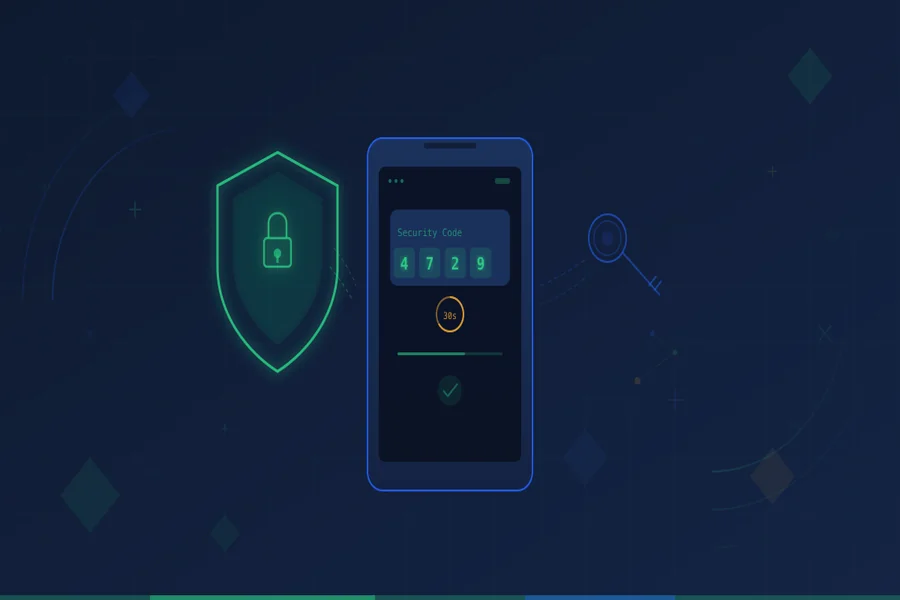
An SMS OTP is a temporary code sent to a user’s mobile phone via text message. When a user initiates a login, transaction, or account change, the system generates a unique code and sends it to the registered mobile number.
The user then enters this code into the platform to complete the authentication process. Since the OTP is valid for a limited time—usually a few minutes—its usability expires quickly, making it difficult for attackers to reuse or intercept.
This mechanism adds a layer of security beyond traditional passwords. Even if someone knows your password, they cannot access your account without the OTP sent to your phone.
How SMS OTP Works
The process of SMS OTP authentication is straightforward:
- User Action: The user attempts to log in, make a payment, or perform a sensitive action.
- OTP Generation: The system generates a unique, random code, usually consisting of 4–8 digits.
- SMS Delivery: The OTP is sent to the user’s registered mobile number via an SMS API.
- User Verification: The user enters the OTP into the platform within the validity period.
- Access Granted: If the OTP is correct and not expired, the user is authenticated.
Behind the scenes, many platforms use an SMS API to ensure rapid and reliable delivery of OTPs across mobile networks globally. These APIs automate the sending process and provide delivery reports, helping platforms maintain secure operations at scale.
Benefits of Using SMS OTP
SMS OTP offers several advantages that make it a preferred choice for online security:
- Enhanced Security: Adds an extra layer of protection beyond passwords.
- Ease of Use: Simple for users; no additional apps or devices are required.
- Wide Accessibility: Works on any mobile phone that receives SMS messages, making it globally compatible.
- Time-Sensitive: Limited validity reduces the risk of misuse.
- Fraud Prevention: Helps prevent unauthorized access to accounts and sensitive transactions.
These benefits have made SMS OTP a staple for industries such as banking, e-commerce, government portals, and online services.
Common Use Cases
SMS OTP is widely used across industries for authentication and verification:
- Banking and Finance: For login verification, transaction approval, or online fund transfers.
- E-commerce: During checkout or account creation to confirm user identity.
- Social Media: To secure account logins and prevent unauthorized access.
- Healthcare: For secure patient portals and appointment confirmations.
- Government Services: For identity verification on portals and online applications.
By using SMS OTP, organizations ensure that only the authorized person can access accounts or perform sensitive actions, reducing fraud and building trust.
Security Considerations
While SMS OTP provides strong security, it is not immune to threats. Some risks include SIM swapping, SMS interception, and phishing attacks. To enhance protection, organizations can combine SMS OTP with additional measures:
- Two-Factor Authentication (2FA): Using OTP in combination with a password or biometrics.
- Time Limits: Ensuring OTPs expire quickly to reduce vulnerability.
- Unique Codes: Generating truly random codes to prevent guessing.
- Secure SMS APIs: Using reliable messaging providers to prevent delays or interception.
By implementing these best practices, businesses can make SMS OTP an effective tool for secure authentication.
SMS OTP vs Other Authentication Methods
SMS OTP is one of several authentication mechanisms available:
- Authenticator Apps: Apps like Google Authenticator or Authy generate OTPs without relying on SMS. These are more secure against SIM attacks but require app installation.
- Email OTP: Codes sent via email can be slower and vulnerable if the email account is compromised.
- Biometric Verification: Fingerprints, facial recognition, or retina scans offer high security but require compatible hardware.
Despite some limitations, SMS OTP remains popular due to its accessibility, simplicity, and ease of integration across platforms.
Conclusion
SMS OTP is a reliable, user-friendly, and widely used method for verifying identity and securing online actions. By generating temporary codes that expire quickly, SMS OTP adds a critical layer of protection for users and businesses alike.
Whether for banking, e-commerce, social media, or healthcare, SMS OTP ensures that sensitive transactions and logins remain secure while remaining accessible to a wide audience. When combined with secure implementation practices, SMS OTP continues to be one of the most effective ways to protect accounts in today’s digital environment.
FAQs
- What does SMS OTP mean?
SMS OTP stands for “Short Message Service One-Time Password,” a temporary code sent to a mobile phone for authentication. - How long is an OTP valid?
Typically, OTPs are valid for 3–10 minutes depending on the platform’s security policies. - Is SMS OTP safe?
Yes, when used properly, SMS OTP adds an extra layer of security, although combining it with additional measures like 2FA improves protection. - Can SMS OTP prevent fraud?
Yes. OTPs help prevent unauthorized access by requiring verification through a device only the legitimate user possesses. - Do I need an internet connection for SMS OTP?
No. SMS OTP is delivered via text message, so it works on any mobile phone that can receive SMS.