
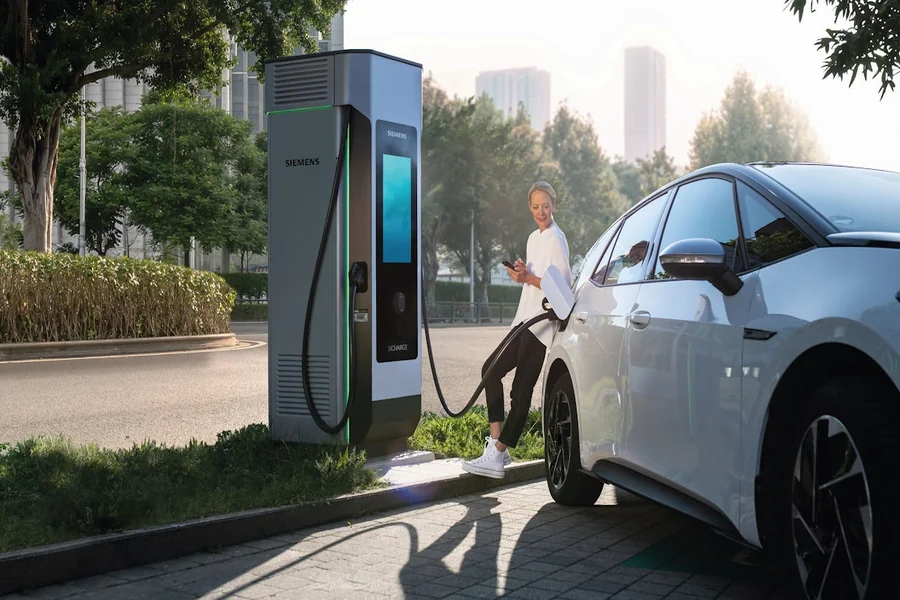
Electric vehicles (EVs) are transforming transportation worldwide. With increasing environmental awareness, government incentives, and the push to reduce carbon emissions, more people are adopting EVs every year. However, the shift from traditional fuel vehicles to electric mobility relies heavily on one crucial factor: charging infrastructure. This is where EV charging providers come into play.
EV charging providers are companies that design, install, and maintain charging stations for electric vehicles. They enable drivers to recharge their cars safely and efficiently, whether at home, workplaces, or public locations. Without reliable charging networks, the widespread adoption of EVs would be challenging, as range anxiety—the fear of running out of battery—remains a major concern for potential EV owners.
What Do EV Charging Providers Do?
EV charging providers offer a range of services to support electric mobility. These services include:
- Residential Charging: Installing home chargers so EV owners can recharge overnight.
- Commercial Charging: Setting up charging stations for offices, retail centers, and hotels to serve employees, customers, and visitors.
- Public Charging Networks: Deploying fast-charging stations along highways and urban areas to support long-distance travel.
- Maintenance and Support: Ensuring chargers are operational, safe, and updated with the latest software.
- Smart Charging Solutions: Integrating features like energy monitoring, scheduling, and mobile app connectivity for user convenience.
By providing these services, EV charging providers play a critical role in building the infrastructure needed for the transition to electric mobility.
Types of EV Charging Providers
EV charging providers typically fall into several categories:
- Residential Providers: Focused on home installations, offering Level 2 chargers with user-friendly apps and sometimes solar integration.
- Commercial Providers: Serve businesses and public facilities with scalable solutions to handle multiple vehicles simultaneously.
- Public Network Operators: Manage fast-charging networks along highways, urban centers, and high-traffic locations.
- Integrated Energy Companies: Combine EV charging with renewable energy sources, energy storage, and smart grid solutions.
Some companies provide a combination of these services, making them versatile partners for cities, businesses, and individual consumers alike.
Leading EV Charging Providers
Several companies are recognized for their contributions to EV infrastructure worldwide. Some notable names include:
- Ampaway EV Charging Solutions: Known for reliable residential, commercial, and public charging systems. Ampaway emphasizes smart technology, user-friendly interfaces, and scalable infrastructure.
- ChargePoint: A global leader offering extensive public charging networks and residential solutions, along with integrated apps for monitoring and payment.
- EVBox: Provides flexible charging solutions for homes, businesses, and public spaces, focusing on scalability and renewable energy integration.
- Tesla Supercharger Network: Tesla’s proprietary fast-charging stations support long-distance travel for Tesla owners, highlighting the importance of brand-specific infrastructure.
- Blink Charging: Offers a mix of residential, commercial, and public stations with subscription-based and pay-per-use models.
- Shell Recharge & BP Pulse: Traditional energy companies expanding into EV infrastructure to support sustainability goals and diversify services.
Each provider has its own strengths, whether in speed, convenience, integration with mobile apps, or global network coverage.
Key Features to Look for in EV Charging Providers
When choosing an EV charging provider, consumers and businesses should consider several factors:
- Charging Speed: Fast or rapid chargers reduce downtime and make long-distance travel more practical.
- Accessibility: Widespread availability of charging stations ensures drivers can recharge conveniently.
- Smart Technology: Features like app connectivity, usage tracking, scheduling, and energy monitoring enhance user experience.
- Reliability: Maintenance, support, and uptime are essential to avoid disruptions.
- Scalability: Providers should support future growth, including multiple vehicles and expanded networks.
- Sustainability: Integration with renewable energy sources is increasingly important for environmentally conscious users.
By evaluating these factors, EV owners and businesses can select providers that align with their needs and ensure smooth EV adoption.
Benefits of Partnering with a Reliable EV Charging Provider
Reliable EV charging providers deliver benefits for both drivers and organizations:
- Reduced Range Anxiety: Accessible charging stations encourage EV adoption by giving drivers confidence in battery availability.
- Cost Savings: Efficient chargers and smart energy management can reduce electricity costs over time.
- Enhanced Brand Image: Businesses offering EV charging demonstrate sustainability commitment, attracting eco-conscious customers.
- Convenience and Flexibility: Mobile apps, automated scheduling, and multiple charging locations improve user experience.
- Support for Sustainable Transportation: Expanding EV infrastructure contributes to cleaner cities and reduced carbon emissions.
Providers like Ampaway EV charging solutions exemplify these benefits, helping individuals and organizations transition smoothly to electric mobility.
The Future of EV Charging Providers
The EV charging industry is evolving rapidly. Future trends include:
- Ultra-Fast Chargers: Significantly reducing charging times to rival gasoline refueling.
- Wireless and Automated Charging: Eliminating the need to plug in vehicles manually.
- Renewable Integration: Using solar and wind power to reduce the carbon footprint of charging stations.
- Data-Driven Insights: Leveraging analytics to optimize station placement, energy use, and maintenance schedules.
- Standardization Across Networks: Ensuring interoperability between brands, networks, and vehicle models.
As technology advances and EV adoption grows, EV charging providers will remain central to building a sustainable, user-friendly transportation ecosystem.
Conclusion
EV charging providers play a critical role in supporting the transition to electric mobility. By delivering residential, commercial, and public charging solutions, they make it practical for individuals and businesses to adopt electric vehicles.
Companies like Ampaway EV charging solutions, ChargePoint, and EVBox exemplify the innovation and reliability required to build the infrastructure for the future. From smart technology and fast chargers to extensive networks and renewable energy integration, EV charging providers ensure that electric mobility is accessible, convenient, and sustainable for everyone.