
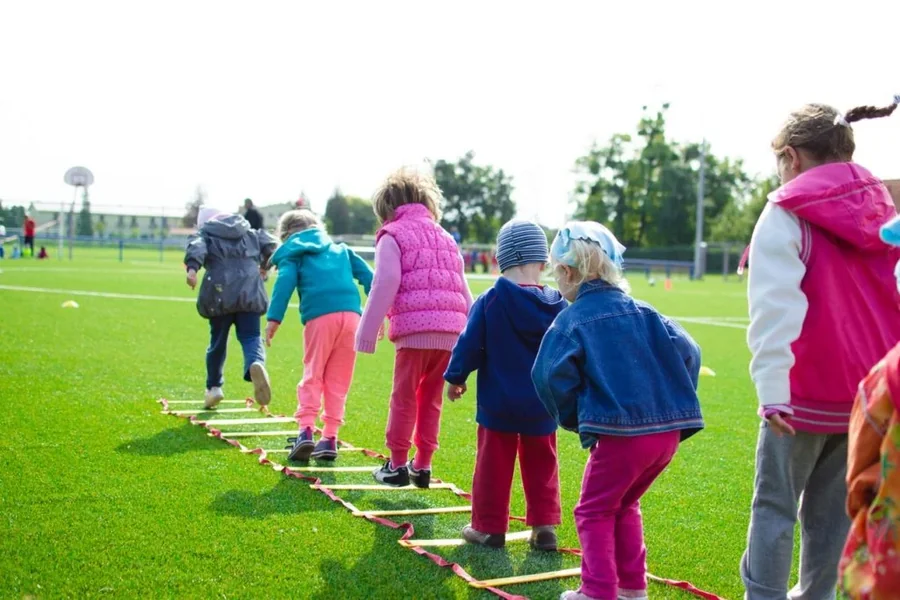
Sports and games give kids far more than exercise, because play trains the brain and shapes character. On courts and fields, children practice focus, effort, and decision-making under mild pressure. These experiences also build social comfort through shared goals and friendly competition.
Many families look for school programs that add structure, coaching, and a safe place to grow skills. Options such as middle school athletics at Premier Charter School or comparable programs can support that goal with consistent routines. The benefits below explain how regular play supports stronger thinking and healthier relationships.
Stronger Attention and Better Classroom Focus
Regular sports routines help kids practice sustained attention through drills, rules, and timed play. This carries into class when students must listen, follow directions, and stay on task. A well-run program also teaches kids to reset after mistakes and try again.
Games with clear rules help kids filter distractions and prioritize what matters in real time. They learn to scan the environment, anticipate outcomes, and choose responses faster. Those mental habits support homework, tests, and long-term academic progress.
Improved Executive Function and Faster Decision Skills
Sports sharpen planning, impulse control, and flexible thinking, which are core executive function skills. Kids must adjust strategies when opponents change pace or when a play breaks down. This builds mental agility and helps them stay calm when plans shift.
These gains show up in daily choices, such as time management and task completion at home. Children learn to set short goals, track progress, and accept coaching feedback without quitting. Over time, consistent practice can support better problem-solving in school and beyond.
Teamwork and Communication That Builds Social Confidence
Team settings help kids learn how to speak up, listen, and cooperate with different personalities. Clear roles teach responsibility, since teammates depend on effort and reliability. This social practice can help shy kids feel included and help outgoing kids learn balance.
A healthy team culture also teaches respect for opponents, officials, and group rules. Coaches can model calm conflict resolution and reinforce positive language during high-energy moments. These lessons support better friendships and fewer social misunderstandings.
Emotional Regulation and Resilience Under Pressure
Sports teach children how to manage disappointment, nerves, and excitement in a safe setting. They practice staying composed after a missed shot or a tough call. This reduces overreaction and builds confidence during stressful situations.
Kids also learn to accept setbacks without losing motivation for the next practice or game. A steady routine helps them see progress through effort and patience. These skills support stronger self-esteem and a healthier response to challenges.
Skills Kids Gain Through Structured Practice
Structured play builds habits that support both learning and relationships. Small lessons add up through repeated practice and coach feedback. The points below highlight skills many kids develop through regular sports.
- Better listening during instructions, huddles, and quick corrections
- Stronger memory for plays, rules, and position responsibilities
- Improved self-control during conflict, fouls, and competitive moments
- More confidence during group tasks, presentations, and social settings
Families who value consistent coaching may consider middle school athletics at Premier Charter School or similar programs for structured skill growth. These programs can combine practice schedules, supervised training, and team expectations that reinforce focus and responsibility. That structure helps kids build social confidence while strengthening habits that support classroom performance.
Sports and games can strengthen focus, resilience, and social confidence through regular, guided practice. Kids learn to plan, communicate, and manage pressure in ways that support school success. With consistent routines and supportive coaching, play becomes a powerful tool for healthy growth.