
Choosing the right optometrist is crucial for maintaining healthy vision. If you’re visiting an optometrist in Texas for the first time, it’s important to be prepared. Knowing the right questions to ask can help you feel more confident and ensure you get the best care possible.
Trusted optometrists in Texas are dedicated to helping you understand your eye health and guiding you toward the best vision solutions. A first eye appointment can feel overwhelming, especially when you’re unfamiliar with the process. Knowing what questions to ask will help you feel more confident and informed. In this article, we will discuss essential questions to ask your optometrist during your first eye exam to ensure you receive the best care possible.
1. What Tests Will Be Conducted During My Eye Exam?
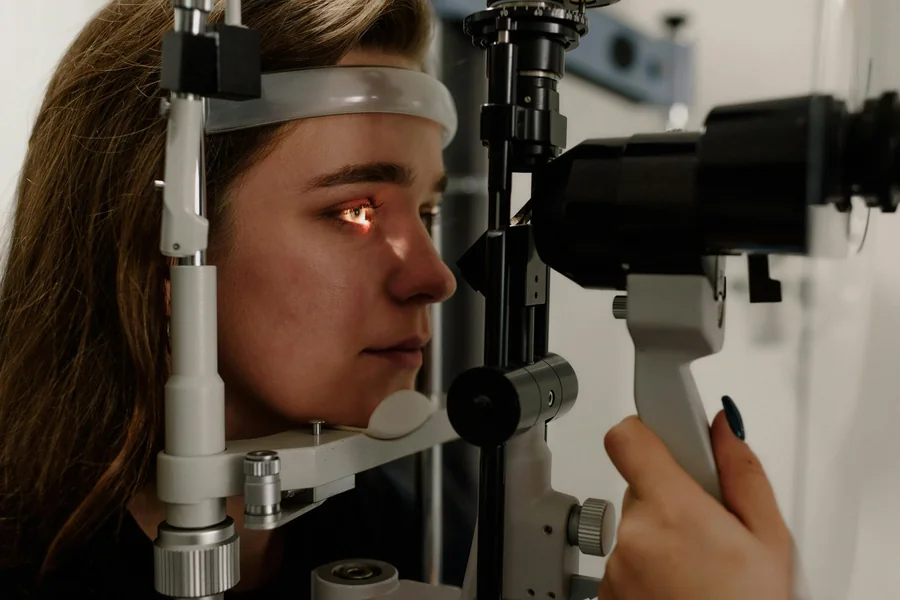
A comprehensive eye exam in Texas includes tests like visual acuity to check how well you see at different distances. Retinal exams allow your optometrist to check the back of your eyes for any potential problems. Pupil dilation helps examine the internal structures of the eye. Eye pressure tests detect signs of glaucoma, and color vision tests help identify color vision deficiencies. Asking about these tests ensures you understand how your eye health is being evaluated.
2. What Are My Options for Correcting My Vision?
Your optometrist will recommend vision correction options based on your needs, such as glasses, contact lenses, or even surgery. Trusted optometrists can guide you through which solutions would work best for your lifestyle. You should ask if contact lenses are right for you and what type of lenses would fit your daily routine. If you’re considering surgery like LASIK, ask if you’re a good candidate for the procedure. Understanding these options helps you make an informed choice about your vision correction.
3. How Often Should I Have an Eye Exam?
The frequency of your eye exams depends on factors like your age and eye health. For most adults, eye exams are recommended every two years. Children and teens generally need yearly exams, while seniors may need them annually to monitor age-related changes. If you have specific concerns, your optometrist may recommend more frequent visits. By asking this question, you’ll understand the ideal schedule for your eye exams to maintain healthy vision and detect issues early.
4. Are There Any Signs I Should Watch for Between Appointments?
There are specific symptoms that should alert you between eye exams, such as blurry or double vision, which could indicate a prescription change. Red or itchy eyes may suggest allergies or infection, while frequent headaches could be caused by uncorrected vision issues. Eye pain should always prompt an immediate appointment. By discussing these warning signs, you’ll know when to seek further care to prevent long-term problems.
5. Can You Help Me Manage My Eye Health for the Future?
Your optometrist in Texas can offer advice to help protect your eye health long-term. Eating a diet rich in vitamins like A, C, and E supports eye health. Sunglasses protect from harmful UV rays, while taking breaks from screens can reduce eye strain. If you wear contact lenses, practicing good hygiene is essential. Your optometrist will help you implement these habits to ensure you maintain healthy eyes and good vision over time.
Visiting an optometrist for the first time in Texas is an important step in caring for your eye health. By asking the right questions, you will gain a better understanding of your vision and overall eye health. Trusted optometrists in Texas will guide you through the process and help you make informed decisions about your vision care. Regular eye exams and proactive eye health measures will ensure your eyes stay healthy and your vision remains clear for years to come.