
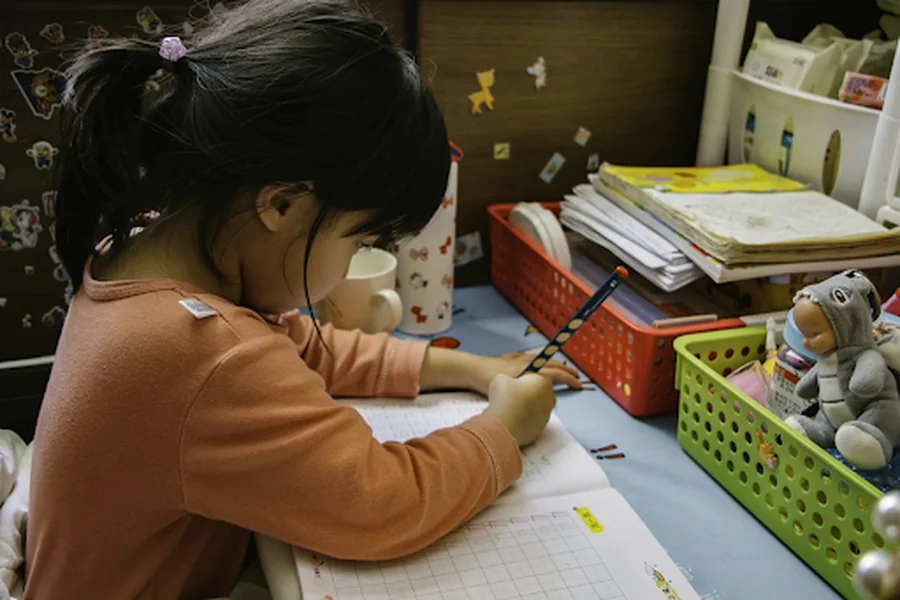
Early childhood education lays the foundation for lifelong learning, providing young children with essential skills and preparing them for future academic and personal success. The rise of international preschool programmes highlights the advantages of curricula that embrace diversity, inclusivity, and global perspectives, creating learning environments that foster cognitive, emotional, and social growth.
A Global Perspective in Early Learning
International preschools offer children exposure to different cultures, languages, and teaching approaches, providing a broader understanding of the world than traditional local settings. Engaging with peers from varied backgrounds nurtures empathy, cross-cultural awareness, and global citizenship from a young age.
Classroom diversity encourages children to appreciate differences as strengths and promotes open-mindedness. This approach helps them develop respect, adaptability, and the social skills necessary to thrive in an increasingly interconnected world. By learning to navigate diverse perspectives, children acquire the foundational abilities to interact positively in multicultural environments.
Language Acquisition and Development
Language development is a core aspect of early education, and many international preschools offer multilingual programmes. Children are most receptive to learning new languages in their formative years, making early exposure particularly effective.
Bilingual or multilingual environments improve cognitive abilities, creativity, and problem-solving skills. Children learn to communicate effectively in different languages, enhancing mental flexibility and preparing them for future academic pursuits and a globalised workforce. These skills are invaluable in fostering communication, collaboration, and cultural understanding.
Social and Emotional Growth
International preschools place a strong emphasis on social and emotional development. In classrooms where children regularly interact with peers from diverse backgrounds, they develop essential interpersonal skills such as cooperation, negotiation, and conflict resolution.
Regular engagement in collaborative activities promotes emotional intelligence, empathy, and resilience. Exposure to varied communication styles and customs helps children navigate social challenges confidently while cultivating self-awareness and strong relationships. Emotional and social competence gained at this stage forms the basis for lifelong interpersonal success.
Creative and Cognitive Development
A globally focused curriculum naturally encourages creativity and critical thinking. International preschools often employ diverse teaching strategies and resources, giving children multiple ways to approach problems and stimulating curiosity.
Children learn to question assumptions, explore alternative solutions, and think independently. This fosters analytical skills and imaginative thinking, which are crucial across all areas of learning. By nurturing curiosity and problem-solving from an early age, international preschools instil habits that support adaptability and lifelong intellectual growth.
Inclusive and Holistic Education
International preschools are designed to support holistic development, addressing the physical, emotional, and intellectual needs of each child. Teachers trained in international methodologies provide personalised learning experiences that align with individual strengths and areas for improvement.
This inclusive approach allows children to progress at their own pace, encouraging self-motivation and a genuine love for learning. By focusing on the whole child rather than purely academic outcomes, these programmes produce well-rounded learners who are confident, capable, and resilient.
Parent and Community Engagement
Parental and community involvement is a key component of international preschool education. Schools cultivate strong partnerships with families to ensure that learning extends beyond the classroom and reinforces positive experiences at home.
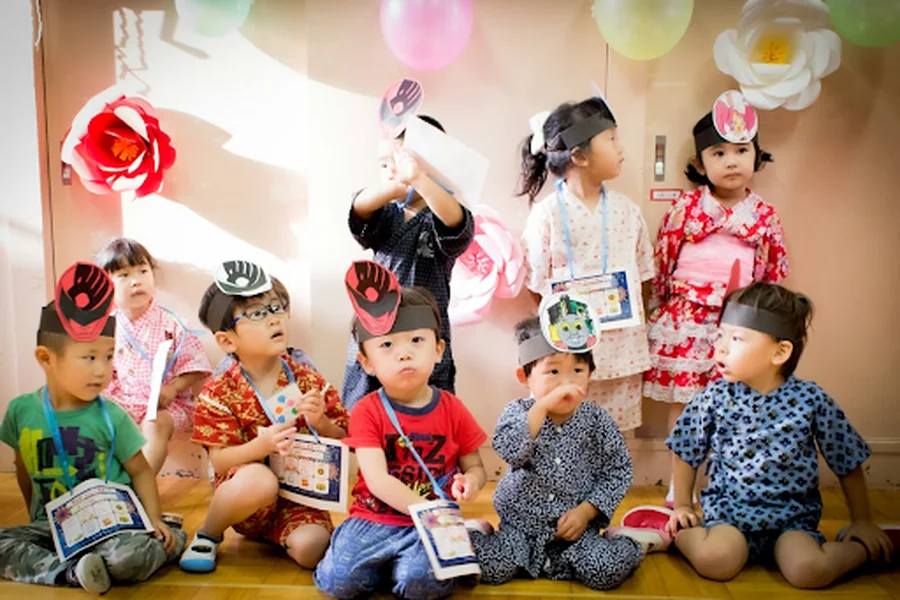
Community activities, such as cultural festivals and international events, give children opportunities to share their heritage and learn from others. These experiences foster inclusivity, broaden cultural awareness, and strengthen the connection between local and global communities, helping children develop a sense of belonging and responsibility.
Preparing for Future Challenges
Education is constantly evolving, and international preschools adopt innovative teaching methods to prepare children for future challenges. Through hands-on learning, technology integration, and project-based activities, children develop essential 21st-century skills, including digital literacy, critical thinking, and problem-solving.
By cultivating adaptability, curiosity, and independent thought, these programmes equip children with the tools to navigate academic, social, and professional challenges successfully. The early development of these skills ensures children are prepared to engage confidently with the demands of a complex and rapidly changing world.
Conclusion
International preschools provide more than academic instruction. They offer a comprehensive, globalised learning experience that nurtures culturally aware, emotionally intelligent, and well-rounded individuals. By embracing diversity, fostering inclusivity, and supporting holistic development, these programmes lay strong foundations for lifelong learning.
Children benefit from exposure to multiple languages, varied teaching approaches, and culturally diverse peers, developing skills that extend far beyond the classroom. Emotional intelligence, social competence, creativity, and critical thinking become integral parts of their growth. Through collaboration with parents and community engagement, international preschools reinforce these skills and cultivate global awareness.
Ultimately, international preschools prepare children not only for academic achievement but also for the challenges and opportunities of an interconnected world. By instilling curiosity, resilience, and adaptability, they ensure that young learners are ready to thrive in a diverse and dynamic future.