
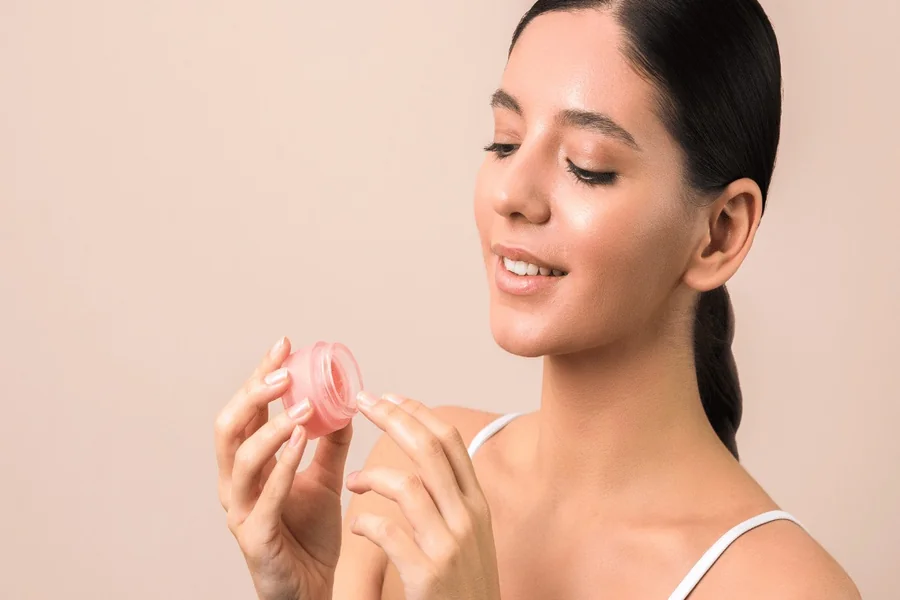
Maintaining healthy, moisturized lip care is essential for a comfortable and attractive smile. With numerous products available, choosing the right one can be overwhelming. Lip balms, glosses, and treatments each serve distinct purposes, catering to different needs and preferences.
Understanding the differences between these products is crucial for making informed decisions. Whether you’re looking for a product to provide long-lasting moisture or a shiny finish, knowing what to expect from each type is key. This article will guide you through the various hydrating lip products available, helping you select the best one for your needs.
Key Takeaways
- Different types of lip products serve distinct purposes.
- Lip balms provide long-lasting moisture.
- Lip glosses offer a shiny finish.
- Lip treatments target specific lip concerns.
- Understanding your needs is key to choosing the right product.
The Importance of Lip Hydration
Understanding the importance of lip hydration can significantly impact the health and appearance of your lips. Lip hydration is not just about aesthetics; it’s also about comfort and overall lip health.
Why Lips Need Special Care
Lips are more susceptible to dryness and chapping than other parts of the body because they have a thinner layer of skin and lack sebaceous glands, which produce oil to keep skin moisturized. Special care is necessary to maintain the delicate balance of lip hydration.
Signs of Dehydrated Lips
Dehydrated lips often exhibit visible signs such as dryness, chapping, and cracking. In severe cases, they may become painful and inflamed. Recognizing these signs early can help in taking prompt action to restore lip hydration.
Benefits of Well-Hydrated Lips
Well-hydrated lips are not only more comfortable, but they also look healthier and more appealing. Proper hydration can prevent issues like chapping and cracking, making lips more resilient to environmental stressors.
| Benefits | Description |
| Comfort | Hydrated lips are less likely to feel dry or painful. |
| Aesthetics | Moisturized lips appear healthier and more attractive. |
| Resilience | Proper hydration helps lips withstand environmental factors better. |
Understanding the Anatomy of Lips
Understanding the structure of lips is essential to grasping their specific needs. Lips are a unique and sensitive part of our body, and their anatomy plays a significant role in their function and susceptibility to dryness.
Skin Structure of Lips
The skin on our lips is thinner and more delicate than the skin on other parts of our body. It lacks the same level of natural protection, making it more vulnerable to environmental stressors. The lip skin is also devoid of sebaceous glands, which produce sebum to moisturize and protect the skin.
The thin skin and lack of sebaceous glands make lips more prone to dryness. This unique skin structure is a key factor in why lips require special care and attention.
Why Lips Dry Out Faster Than Other Skin
Lips dry out faster than other skin due to several factors. The absence of sebaceous glands means they don’t have their own natural moisturizing system. Additionally, lips are frequently exposed to the elements, such as wind, cold weather, and dry air, which strip them of their natural moisture.
Environmental Factors Affecting Lip Health
Various environmental factors can significantly impact lip health. These include:
- Weather conditions: Cold weather, wind, and dry air can dry out lips.
- Sun exposure: UV rays can damage the skin on lips, leading to dryness and discoloration.
- Air conditioning and heating: Indoor climate control can dry out the air, stripping lips of moisture.
| Environmental Factor | Effect on Lips |
| Cold Weather | Dryness and chapping |
| UV Exposure | Damage and discoloration |
| Dry Air | Moisture loss |
Understanding these factors can help in taking preventive measures to protect lip health. By being aware of the challenges lips face, individuals can better care for them.
Comparing Lip Balms, Glosses, and Treatments
When it comes to lip care, understanding the differences between lip balms, glosses, and treatments is crucial for maintaining healthy, hydrated lips. Each of these products serves a unique purpose and offers distinct benefits, making it essential to choose the right one for your specific needs.
Key Differences in Formulation
Lip balms, glosses, and treatments vary significantly in their formulations. Lip balms are typically designed to provide a barrier on the lip surface, locking in moisture and protecting against environmental stressors. They often contain ingredients like beeswax, coconut oil, and shea butter. Lip glosses, on the other hand, are more focused on aesthetics, offering a shiny finish and sometimes subtle color. Modern lip glosses, however, have evolved to include hydrating ingredients, blurring the line between gloss and balm. Lip treatments are formulated to address specific lip concerns, such as dryness, chapping, or aging, and may contain active ingredients like hyaluronic acid, peptides, or antioxidants. leading some skincare enthusiasts to ask how long do peptides last in the fridge when storing products with these ingredients for maximum freshness.
Hydration vs. Cosmetic Benefits
While lip balms and treatments are primarily focused on hydration and lip health, lip glosses often prioritize cosmetic benefits like shine and color. However, the lines are becoming increasingly blurred as many lip glosses now incorporate moisturizing ingredients. When choosing between these products, consider your primary needs: if hydration is your main concern, a lip balm or treatment might be more suitable. For a quick cosmetic fix, a lip gloss could be the way to go.
When to Use Each Type
The occasion and your specific lip care needs can dictate which product to use.
Daily Maintenance
For daily care, a lip balm is often the best choice, providing long-lasting hydration and protection.
Special Occasions
For events or nights out, a lip gloss can add a touch of glamour to your look while still offering some level of hydration, especially if you choose a formula with moisturizing ingredients.
Intensive Care
When your lips need extra attention, such as during harsh weather conditions or when they’re particularly chapped, a lip treatment can provide intensive nourishment and repair.
By understanding the differences between lip balms, glosses, and treatments, you can make informed decisions about your lip care routine, ensuring your lips stay healthy, hydrated, and looking their best.
Lip Balms: The Basics
Understanding lip balms is key to unlocking the secret to soft, supple lips that are well-hydrated and protected. Lip balms are a fundamental component of lip care, providing a barrier against environmental stressors and locking in moisture.
What Makes a Lip Balm
A lip balm is typically a mixture of waxes, oils, and emollients that work together to protect and moisturize the lips. The formulation can vary widely, with some lip balms focusing on intense hydration, while others may prioritize protection or flavor.
Types of Lip Balms
Lip balms come in various formulations, catering to different needs and preferences.
Waxy vs. Creamy Formulations
Waxy lip balms provide a robust barrier against the elements, while creamy formulations offer more intense hydration. Waxy lip balms are ideal for harsh weather conditions, whereas creamy lip balms are better suited for dry, chapped lips.
Medicated vs. Natural Options
Medicated lip balms contain ingredients like camphor or menthol, which can help to soothe and protect dry, chapped lips. Natural lip balms, on the other hand, rely on ingredients like beeswax, coconut oil, and shea butter to provide hydration and protection.
| Type of Lip Balm | Key Ingredients | Best For |
| Waxy | Beeswax, Paraffin Wax | Protection in harsh weather |
| Creamy | Coconut Oil, Shea Butter | Dry, chapped lips |
| Medicated | Camphor, Menthol | Soothing dry, chapped lips |
| Natural | Beeswax, Coconut Oil | Hydration and protection |
Best Situations for Lip Balm Use
Lip balms are versatile and can be used in various situations, from daily hydration to providing an extra layer of protection during outdoor activities.
By understanding the different types of lip balms and their uses, individuals can make informed choices about their lip care routine, ensuring they have the right product for their needs.
Lip Glosses: More Than Just Shine
Lip glosses have transformed from simple cosmetic products to multifaceted lip care solutions. They now offer a blend of aesthetic appeal and hydration benefits.
Evolution of Lip Glosses
Lip glosses have come a long way since their inception. Initially, they were primarily used to add shine to lips. Over time, formulations have evolved to include hydrating ingredients, making them a staple in many beauty routines.
Modern Hydrating Formulations
Modern lip glosses are not just about looks; they’re also about providing hydration. Many now include ingredients like hyaluronic acid and vitamin E to moisturize lips.
Balancing Aesthetics and Hydration
One of the key challenges in formulating lip glosses is balancing their aesthetic appeal with their hydrating properties.
Sticky vs. Non-Sticky Formulas
Some lip glosses can feel sticky, which can be uncomfortable. Non-sticky formulas are now preferred by many for their comfort and wearability.
Longevity Considerations
Another important factor is how long the lip gloss lasts. Long-lasting formulas are popular as they reduce the need for frequent reapplication.
| Feature | Sticky Formula | Non-Sticky Formula |
| Comfort | Low | High |
| Hydration | Variable | High |
| Longevity | Variable | High |
Hydrating lip gloss is an example of a product that balances these aspects, offering a non-sticky, long-lasting, and hydrating formula.
Hydrating Lip Gloss: What It Is and Why It’s Popular
Hydrating lip gloss has become a go‑to option for anyone who wants color, shine, and a comfortable feel on the lips. Products like SHEGLAM Hydrating Lip Gloss are often chosen by people who prefer a glossy finish that also feels soothing during wear.
How Hydrating Lip Gloss Typically Works
Most hydrating lip glosses are created to combine cosmetic effects with a pleasant, cushioned feel on the lips. Compared with very dry or ultra‑matte products, gloss textures usually:
● Add noticeable shine and dimension
● Glide on easily without tugging
● Feel comfortable for everyday touch‑ups
Because of their texture, these glosses can help lips look smoother and more supple when applied, especially when used over a basic lip care routine.
Common Hydrating Components in Lip Glosses
In general, hydrating lip products often rely on a mix of emollients and conditioning agents. Many formulas in the market make use of:
● Moisture‑attracting ingredients to help keep lips from feeling tight
● Softening oils or butters that contribute to a smoother surface appearance
● Conditioning components that support a more comfortable wear over time
Rather than relying on just one element, it’s usually the overall blend that influences how lightweight, cushioned, or nourishing a gloss feels on the lips.
Shade Variety and Finish Options
Hydrating lip glosses commonly come in a wide spectrum of shades and finishes so they can fit different makeup styles. You’ll often find:
● Soft neutrals for everyday, low‑key looks
● Rosy or pink tones for a fresh, youthful effect
● Deeper or brighter colors for bolder statements
In terms of finish, typical options include:
● Sheer glossy: adds shine with a hint of color
● Shimmer or pearl: adds subtle sparkle that catches the light
● Higher‑impact shine: creates a more lacquered, reflective effect
When choosing a hydrating lip gloss, it can help to think about how much color payoff you want, how reflective you’d like the finish to be, and how it will pair with the rest of your makeup.
Key Ingredients in Hydrating Lip Products
Understanding the key ingredients in lip products can significantly enhance their hydrating benefits. Hydrating lip products are formulated with a range of ingredients that work together to provide moisture, protection, and nourishment to the lips.
Natural Moisturizers
Natural moisturizers play a crucial role in lip hydration. They help to lock in moisture and protect the lips from environmental stressors.
Shea Butter and Cocoa Butter
Shea butter and cocoa butter are renowned for their moisturizing properties. They are rich in vitamins and fatty acids that help to nourish and hydrate the lips.
Plant Oils and Waxes
Plant oils such as coconut oil and beeswax are also commonly used in lip products. They provide a barrier on the lip surface that prevents moisture loss and protects against the elements.
Synthetic Hydrators
In addition to natural ingredients, synthetic hydrators are used to enhance the moisturizing properties of lip products.
Hyaluronic Acid
Hyaluronic acid is a powerful humectant that can hold up to 1000 times its weight in water, making it an excellent ingredient for retaining moisture in the lips.
Glycerin and Humectants
Glycerin and other humectants help to attract and retain moisture, ensuring that the lips stay hydrated for longer.
Protective Ingredients
Protective ingredients are vital for safeguarding the lips against environmental factors and damage.
SPF Components
Including SPF components in lip products helps to protect the lips from UV damage, which can cause dryness and discoloration.
Antioxidants
Antioxidants help to combat free radicals that can damage the lip skin, promoting healthier and more resilient lips.
| Ingredient | Benefits |
| Shea Butter | Moisturizes and nourishes |
| Hyaluronic Acid | Retains moisture |
| Glycerin | Attracts and retains moisture |
| SPF Components | Protects against UV damage |
| Antioxidants | Combats free radicals |
How to Choose the Right Lip Hydration Product
Lip hydration is key to maintaining healthy, plump lips, but choosing the right product can be challenging. With various lip balms, glosses, and treatments available, understanding your specific lip care needs is crucial.
Assessing Your Lip Needs
Before selecting a lip hydration product, it’s essential to assess your lip condition. Consider whether your lips are dry, chapped, or sensitive. Identifying your lip type will help you narrow down the most suitable products.
Seasonal Considerations
Different seasons require different lip care approaches. In cold, dry weather, thicker, more emollient products are beneficial, while in hot, humid conditions, lighter formulations may be preferable.
| Season | Recommended Product Type | Key Ingredients |
| Winter | Thick Lip Balms | Beeswax, Coconut Oil |
| Summer | Light Lip Glosses | Hyaluronic Acid, Vitamin E |
Lifestyle Factors
Your lifestyle also plays a significant role in choosing the right lip product. For instance, if you frequently commute or work outdoors, you may need a more protective formula.
Combining Products for Optimal Results
Layering Techniques
Layering different lip products can enhance their effectiveness. Start with a hydrating lip balm or treatment, followed by a lip gloss for added shine and moisture.
Day vs. Night Routines
Consider using different products for day and night. During the day, a lip gloss or tinted balm can provide hydration and color, while at night, a thicker treatment can work intensively to repair and nourish your lips.
Application Techniques for Maximum Hydration
Maximizing lip hydration isn’t just about the product you choose, but also how you apply it. Proper techniques can enhance the effectiveness of your lip care routine.
Prep Steps for Lip Products
Before applying any lip product, gently exfoliate your lips to remove dead skin cells. This can be done with a soft lip scrub or even a damp cloth. Exfoliating helps the product penetrate more evenly and effectively.
How to Apply Hydrating Lip Gloss
To apply Hydrating Lip Gloss, start by ensuring your lips are clean and prepped. Gently glide the applicator from the center of your lips outward, covering the entire lip area. This ensures an even coat and maximizes hydration.
Reapplication Tips
For continuous hydration, reapply your lip gloss throughout the day. Reapply after eating or drinking, as these activities can strip away the product. Keeping a lip gloss in your bag for touch-ups can be helpful.
Extending Wear Time
To extend the wear time of your lip gloss, consider applying a lip balm or treatment underneath. This layering technique not only enhances hydration but also helps the gloss last longer on your lips.
Addressing Specific Lip Concerns
Understanding and tackling specific lip concerns is crucial for maintaining healthy, vibrant lips. Various factors can affect lip health, from environmental conditions to individual skin types.
Extremely Chapped Lips
For extremely chapped lips, it’s essential to use intensive hydration products. Hydrating Lip Gloss is formulated with nourishing ingredients that help repair dry, chapped lips.
Sensitive or Allergic Reactions
Lips that are sensitive or prone to allergic reactions require special care. Look for products with natural ingredients and avoid known irritants. Patch testing is recommended before using new lip products.
Aging Lips
Aging lips often lose their natural fullness and may develop fine lines. Using lip products with anti-aging ingredients can help maintain a youthful appearance.
Color Correction and Enhancement
For those looking to enhance their lip color, hydrating lip glosses with tinted formulas can provide both moisture and color. There are offers a range of shades to suit different preferences.
| Lip Concern | Recommended Solution |
| Extremely Chapped Lips | Intensive hydration products like Hydrating Lip Gloss |
| Sensitive or Allergic Reactions | Products with natural ingredients, patch testing recommended |
| Aging Lips | Lip products with anti-aging ingredients |
Conclusion
Effective lip care is crucial for maintaining healthy, hydrated lips. Throughout this article, we’ve explored the importance of lip hydration, the differences between various lip products, and how to choose the right products for your needs. Products like hydrating lip gloss play a significant role in providing both hydration and aesthetic appeal.
By understanding your lip care needs and incorporating the right products into your routine, you can achieve soft, healthy lips. Whether you’re dealing with dryness, chapping, or simply want to add some color to your look, there’s a product designed to meet your needs. Hydrating lip gloss is an excellent choice for those seeking hydration and shine.
Take the first step towards healthier, more vibrant lips by making informed choices about your lip care. With the knowledge gained from this article, you’re now equipped to select the best products for your lip care needs and enjoy the benefits of well-hydrated lips.
FAQ
What is the main difference between lip balms, glosses, and treatments?
Lip balms provide a barrier on the lips to lock in moisture, glosses add shine and often contain hydrating ingredients, while treatments are formulated to address specific lip concerns like dryness or aging.
How often should I reapply lip balm or gloss?
Reapply lip balm or gloss as needed, typically every few hours, or when you notice your lips starting to feel dry or sticky.
What are the benefits of using a hydrating lip gloss like SHEGLAM?
Hydrating lip gloss provides both hydration and a pop of color, making it perfect for daily wear. Its unique formulation technology and hydrating ingredients help to keep lips moisturized and healthy.
Can I use lip treatments if I have sensitive lips?
Yes, but be sure to choose a treatment that is fragrance-free and hypoallergenic to minimize the risk of irritation. Always patch test a new product on a small area before applying it to your lips.
How can I prevent my lips from drying out in cold weather?
Use a lip balm or treatment that contains natural moisturizers like shea butter or coconut oil, and reapply frequently. You can also wear a scarf to protect your lips from wind and cold air.
What ingredients should I look for in a lip hydration product?
Look for natural moisturizers like hyaluronic acid, glycerin, and plant oils, as well as protective ingredients like SPF components and antioxidants.
Can I layer different lip products for better hydration?
Yes, layering a lip balm or treatment under a lip gloss can help to lock in moisture and provide long-lasting hydration.
How can I make my lip gloss last longer?
To extend the wear time of your lip gloss, apply a lip balm or primer first, and then blot your lips gently with a tissue before applying the gloss.