
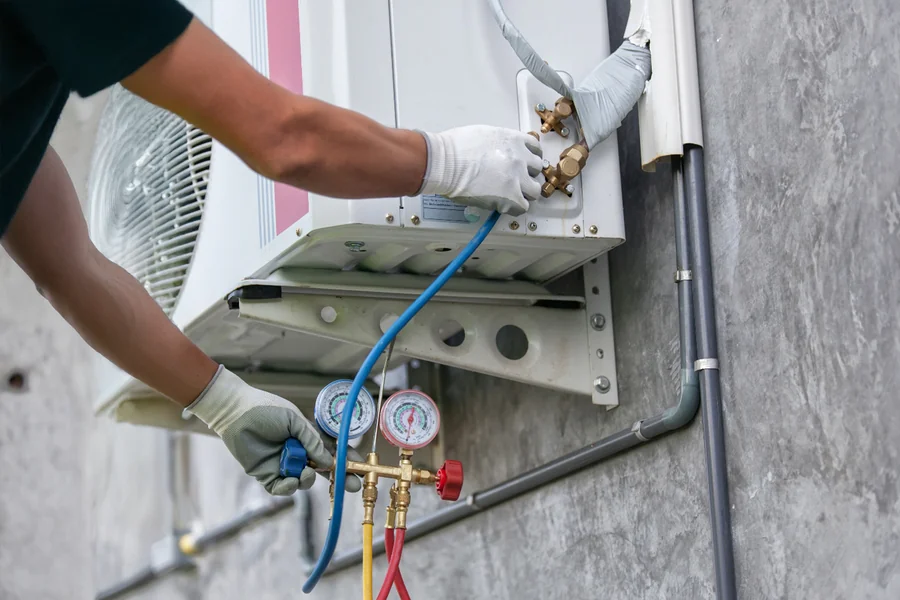
Refrigerant is one of the most important elements in any heating and cooling system, yet it is also one of the least understood by most property owners. It is responsible for absorbing heat indoors and releasing it outdoors, making comfortable temperatures possible year-round. When refrigerant problems occur, system performance often declines quietly before major symptoms appear. HVAC contractors approach refrigerant issues with caution and precision because even small imbalances can affect efficiency, comfort, and equipment lifespan. Understanding how HVAC contractors handle refrigerant concerns helps homeowners recognize why these issues require professional attention rather than temporary fixes or guesswork.
Refrigerant Problem Recognition
-
Detecting Early Performance Changes
HVAC contractors often begin addressing refrigerant issues by identifying subtle changes in system behavior. Reduced cooling capacity, longer run times, uneven temperatures, or unexpected humidity levels can all signal refrigerant-related concerns. These symptoms may develop gradually, making them easy to overlook until comfort noticeably declines. Contractors analyze operating patterns, listen for unusual sounds, and monitor temperature differences across system components. Many homeowners researching solutions seek more about Quality Heating, Cooling, Plumbing & Electric when they notice performance changes that point toward refrigerant imbalance rather than airflow or electrical problems. Early detection allows contractors to address issues before they escalate into compressor strain or system shutdown.
-
Pressure Testing and System Diagnostics
Once refrigerant concerns are suspected, HVAC contractors perform detailed diagnostics to confirm the issue. Pressure readings taken at different points in the system help determine whether refrigerant levels are within acceptable ranges. These readings are compared against manufacturer specifications and current operating conditions. Contractors also consider outdoor temperature, system age, and load demands when interpreting results. Diagnostic testing ensures that refrigerant issues are accurately identified rather than assumed. This careful approach prevents unnecessary adjustments that could worsen performance. By relying on measured data instead of guesswork, HVAC contractors establish a clear foundation for corrective action.
-
Refrigerant Care in Brief
Refrigerant issues are rarely isolated problems. They often reflect broader system imbalances that affect performance and efficiency. HVAC contractors focus on accurate diagnosis, controlled testing, and measured adjustments to restore stability. This method protects equipment and ensures that refrigerant supports proper heat transfer rather than contributing to ongoing system stress.
In addition to these essential steps, HVAC contractors often emphasize the importance of regular maintenance to prevent refrigerant issues from arising in the first place. Routine inspections can catch potential problems early, ensuring that systems run efficiently and effectively. For those in the Hampton area, it’s beneficial to have a reliable service provider nearby. Visit our Hampton location to consult with experienced professionals who can offer tailored solutions and expert advice. By staying proactive and addressing minor issues before they escalate, homeowners can extend the lifespan of their HVAC systems and maintain optimal indoor comfort year-round.
-
Locating and Addressing Refrigerant Leaks
Refrigerant does not degrade during normal operation, so low levels usually indicate a leak. HVAC contractors take leak detection seriously because adding refrigerant without fixing the source only delays further problems. Contractors inspect connections, coils, and joints using appropriate detection methods to locate leaks. Once identified, repairs are made to seal the system before refrigerant levels are restored. Addressing leaks protects system integrity and prevents repeated performance loss. This step is essential for long-term reliability, as persistent leaks can cause compressor damage and increase operating costs.
In addition to refrigerant issues, HVAC systems can face a variety of other challenges that require professional attention. For instance, a malfunctioning furnace can significantly impact the overall efficiency of your heating system. Regular maintenance and timely repairs are crucial to ensure optimal performance and longevity. If you’re experiencing issues with your heating system, consider seeking a reliable Furnace repair service in Augusta to diagnose and resolve any underlying problems. This proactive approach not only enhances comfort but also prevents more costly repairs down the line.
-
Correcting Refrigerant Charge Levels
After leaks are resolved, HVAC contractors carefully restore refrigerant to the correct level. Overcharging or undercharging a system can both cause serious performance issues. Contractors measure refrigerant precisely, ensuring that the system operates within designed parameters. Proper charge levels enable efficient heat absorption and release, helping the system maintain stable temperatures. This precision is especially important in modern systems that rely on exact refrigerant volumes to function correctly. Accurate charging helps the system respond predictably under varying conditions without excessive cycling or strain.
-
Evaluating System Components Affected by Refrigerant
Refrigerant issues can affect more than just temperature output. HVAC contractors evaluate components such as compressors, expansion devices, and coils for signs of stress caused by improper refrigerant levels. Prolonged operation with low or unstable refrigerant can accelerate wear on these parts. Contractors assess whether components are operating within safe limits after refrigerant corrections are made. This evaluation ensures that underlying damage does not compromise future performance. Addressing component health alongside refrigerant issues supports more complete system recovery.
Managing these chemical substances requires precision and technical expertise to prevent accidental atmospheric venting. When homeowners observe signs like ice formation on coils or persistent hissing sounds, it often signals a breach in the system’s sealed integrity. Professional teams, such as those at Total Heating & Cooling, Inc. utilize advanced electronic detectors and pressure testing to pinpoint these elusive leaks before they escalate into catastrophic compressor failure. This proactive approach not only safeguards the equipment’s lifespan but also aligns with broader environmental efforts to reduce the carbon footprint associated with modern climate control technology. Ensuring every connection is hermetically sealed is the most effective way to maintain long-term operational efficiency.
-
Preventive Maintenance and Monitoring
Preventive maintenance plays an important role in managing refrigerant health over time. HVAC contractors include refrigerant checks as part of routine service visits to monitor system stability. Small pressure changes or temperature inconsistencies can be addressed early before they develop into larger issues. Preventive monitoring reduces emergency repairs and helps maintain consistent comfort throughout the year. Contractors also educate property owners on signs that may indicate refrigerant problems, encouraging timely service calls rather than delayed response.
-
Environmental and Regulatory Considerations
Refrigerant handling involves environmental responsibility and regulatory compliance. HVAC contractors follow strict guidelines when working with refrigerants to prevent environmental harm and ensure safe handling. Proper recovery, recycling, and disposal practices are part of responsible refrigerant management. Contractors stay informed about refrigerant regulations and transitions to newer refrigerant types as standards evolve. This awareness ensures that systems remain compliant and environmentally responsible while maintaining performance.
-
Long-Term Performance and Efficiency Impact
Proper refrigerant management directly affects long-term system efficiency. When refrigerant levels are stable and leaks are resolved, HVAC systems operate with less strain and more predictable performance. Contractors recognize that refrigerant issues often influence energy consumption and equipment longevity. Addressing these issues thoroughly supports lower operating costs and reduced wear over time. Refrigerant care is a foundational part of maintaining system health, not a one-time adjustment.
HVAC contractors handle refrigerant issues through careful diagnosis, precise correction, and ongoing monitoring. From identifying early performance changes to locating leaks and restoring proper charge levels, their approach focuses on system balance and long-term reliability. Refrigerant management is not about quick fixes but about maintaining the conditions that allow heating and cooling systems to function efficiently. Understanding this process highlights why professional refrigerant care is essential for comfort, equipment protection, and dependable performance across all seasons.