
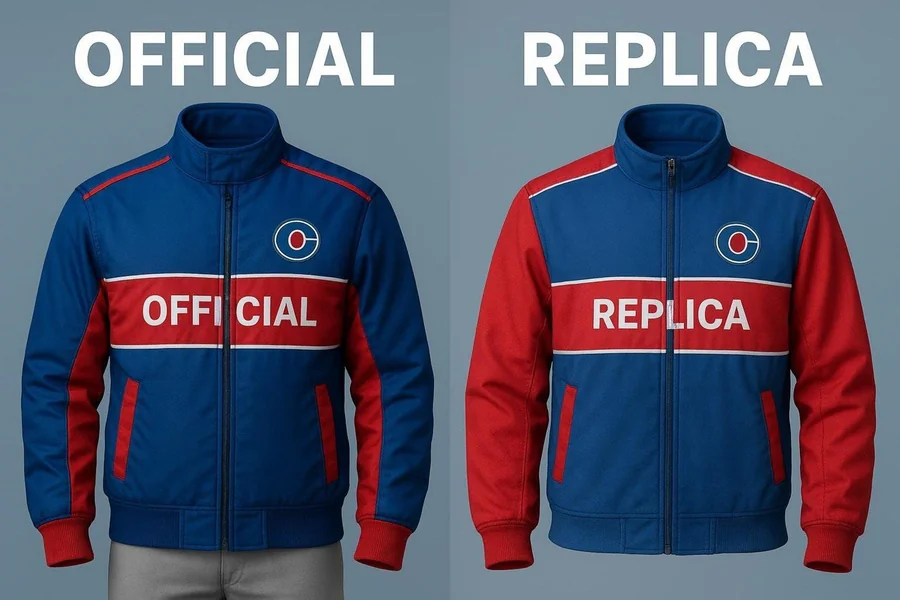
Have you ever browsed racing jackets online, loved the colors and styling, then paused at the price and thought, “Why the big gap?” You’re not alone. Racing gear is split into two main types: official items and replicas. The main differences come down to authenticity, use, and the small details in build and materials.
Official racing apparel is the real deal, made to the same standards-and often by the same makers-as what pros use on track. Replicas look close to the real thing but are made for fans, with everyday comfort in mind and a lower price.
This isn’t just about logos. It affects how the fabric feels, how long the gear lasts, and whether it’s meant for performance or casual wear. Whether you’re after Toyota racing merchandise or gear from a top Formula 1 team, knowing the differences helps you match your choice to your budget, your fan level, and how you plan to use it.
What Defines Official and Replica Racing Apparel?
Official Racing Apparel Explained
Official racing apparel-often called “authentic” or “player issue” in other sports-is the highest grade of fan gear. It’s made to the exact specs demanded by pro teams and racers, and it’s licensed by the sport. In short, it could be worn in a race setting. These pieces use high-performance fabrics and build methods used by the pros.
Key traits often include:
- Moisture-wicking fabrics and breathable panels
- Aero-focused cuts to reduce drag
- Built-in protection where needed
The aim is performance. Brands work with teams to create clothing that holds up at high speed, offering comfort, flexibility, and strong safety features. You’ll see specialty materials like kangaroo leather or advanced synthetics, reinforced seams in stress zones, and a fit cut for an athletic body. The care teams put into racing shows up in the quality of their official gear.
What Qualifies as Replica Racing Apparel?
Replica racing apparel is made for everyday fans. It closely copies the look of the official pieces-team badges, sponsors, and colors-but its main job is casual wear and showing support.
At a glance, a replica can look almost identical to an authentic item, with strong visual detail. Inside, though, materials and build focus on comfort and cost rather than race-level performance.
Replicas are licensed fan products, not fakes. They let you wear the team colors and feel connected to the sport. Some items, like motorcycle jackets, may include protective parts, but they’re set up for the street and daily use, not for track crashes. Comfort, easy wear, and price take priority over pro-level specs.
Key Differences between Official and Replica Racing Apparel
| Aspect | Official | Replica |
| Materials | High-grade synthetics, premium leathers | Polyester or blends, lighter leathers |
| Build | Reinforced seams, precise cuts | Simpler stitching, comfort-focused |
| Fit | Slim, athletic, performance fit | Relaxed, easy for daily wear |
| Logos | Embroidery/twill, premium finishes | Heat-applied graphics to cut cost |
| Performance | Race-ready features and protection | Street-friendly comfort and style |
| Price | Higher | Lower |
| Collector Value | Higher, tied to teams and wins | Lower, value in visuals and era |
Materials and Construction Quality Comparison
The biggest split is in fabric and build. Official gear, like authentic F1 items, uses the same tech fabrics and methods as team issue: double-knit polyester, lightweight pique knits, or real cowhide and kangaroo leather for protection. These materials are picked for strength, breathability, sweat control, and the ability to handle heat and abrasion. Fans who want access to this level of quality often look to trusted retailers such as Top Racing Shop.
Seams are carefully reinforced—often double-stitched at high-stress spots—and the cut is exact to boost performance and long life.
Replicas look great but use more common, budget-friendly materials. A replica jersey may use lighter polyester or cotton blends that feel good day to day but aren’t as strong. Logos and panel work can be well done, but the fabric quality and build complexity are a notch down. A replica jacket may look sharp yet won’t hold up like an official piece in tough use.
Fit, Sizing, and Comfort
Fit also differs. Official apparel is made for athletes, with a slim cut shaped to the body. This helps reduce drag and gives free movement. For instance, NBA authentic jerseys run slim, and some people size up for a looser feel. The body-hugging shape highlights muscle lines and suits athletic builds.
Replicas focus on comfort for more people. They tend to be relaxed or loose, fitting many body types. Some replica motorcycle jackets still use pre-shaped panels to help movement, but the main goal is all-day comfort rather than a tight, pro-level fit. A pro jersey may feel like a second skin to an athlete; a replica is made for easy wear on race day or the couch.
Logos, Branding, and Sponsor Authenticity
Both types proudly show team logos and sponsor marks. Official gear is licensed, so every detail is checked and approved. Logos on authentic items often use high-end embroidery, sewn twill, or textured plastics for a premium, long-lasting look. For example, an authentic NBA jersey will have stitched nameplates and team graphics with zigzag stitching.
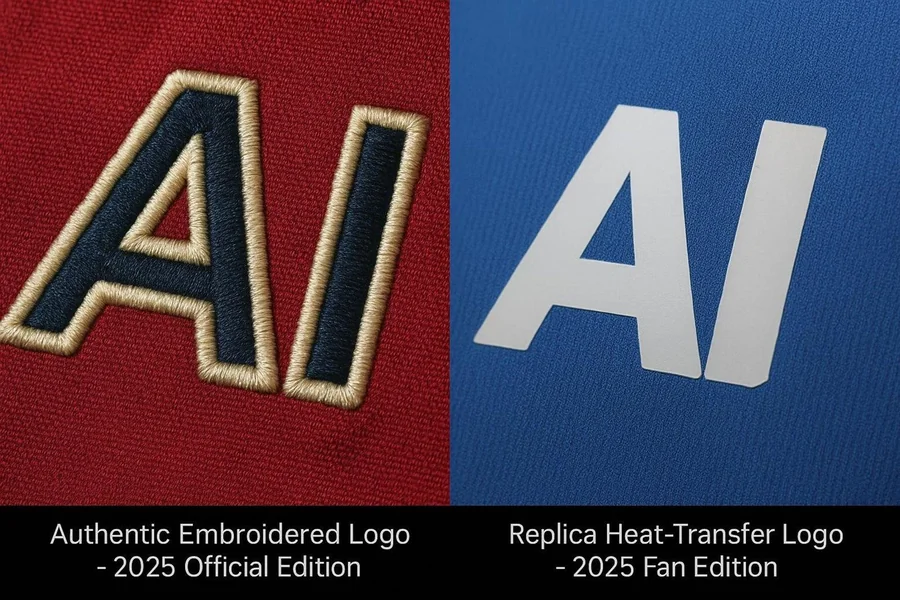
Replicas also carry licensed team marks, and factories work with teams on color, placement, and design. To cut cost, many numbers and letters are iron-on instead of stitched. Modern heat transfers can be durable and look good, but they usually lack the texture and long life of embroidery or twill. Collectors often spot this right away, and it can affect long-term value.
Performance Features: Functionality on and off the Track
This is where the gap is widest. Official racing suits are built for extreme use. They have full-body armor zones, aero humps for high-speed stability, and materials proven in crashes. You’ll see CE-certified armor in key spots, sweat-wicking fabrics like Dri-FIT, and vents placed to keep racers cool and focused. MotoGP suits show the peak of protection for life-or-death situations.
Replicas may include some protection, but they’re not made for the same demands. Replica motorcycle jackets often add CE pads at the elbows, shoulders, and back for road use, giving good protection for street riding. They use lighter builds, more flexible fabrics, and comfort features like wicking liners, adjustable vents, and easy-to-wear cuts. The goal shifts from peak race performance to comfort, style, and reasonable safety for fans.
Collector Value and Rarity
Official apparel usually wins on collector value. The license, limited runs, and direct link to teams and athletes make these items sought after. Gear tied to title seasons or big names often grows in worth and meaning. Think of Bagnaia’s 2022 season pieces or Márquez’s 2019 gear-items like these connect fans to racing history.
Replicas can still be fun to collect as a “MotoGP history wall,” but they rarely reach the same premium. Some limited replica rider jackets do gain value, yet most are loved for their look and the era they represent. Because replicas are cheaper and easier to find, big price jumps over time are less common-though the sentimental value for fans can be huge.
Pricing Differences: What’s the Cost of Authenticity?
Factors Affecting Pricing for Official Gear
Official gear costs more for several reasons:
- Licensing fees paid to teams and leagues
- High-grade and specialty materials
- Advanced build methods and safety tech
- Research and development with teams
- Limited runs and direct links to pros
Authentic F1 items, for example, use the same fabrics and methods as the teams. You’re paying for performance textiles, careful build, and the team connection.
Race suits and pro jackets involve careful cutting, reinforced seams, and complex protection like CE armor and aero features. Add the small-batch nature and tie-in to elite athletes, and the price reflects more than fabric-it reflects the sport itself.
Why Replica Apparel Is Often Cheaper
Replicas aim to match the look while keeping costs low. They swap in common materials-polyester blends or thinner hides instead of premium synthetics or rare leathers. These are fine for daily wear but don’t match pro-level specs.
Build is also simplified. Logos and numbers may be heat-applied instead of stitched, cutting labor time. Fits are relaxed, so they don’t need the exact, athletic shaping of pro gear. The focus is comfort and price, not race performance. This lowers production cost and retail price, but it also means shorter life and fewer performance features compared to official items.
Why Choose Official Racing Apparel?
Benefits of Owning Authentic Gear
Official gear offers standout quality and long life. Premium materials and careful build mean better wear over time, even with frequent use. Your jacket or jersey will keep its shape and look, making the higher cost make sense in the long run.
It also brings you closer to the sport. The fit, feel, and function mirror what racers use, which adds pride and a sense of belonging. Buying authentic items helps fund teams and athletes, too. For collectors, the authenticity and ties to big seasons or stars can add value over the years.
Risks of Counterfeit or Unlicensed Products
Beyond licensed replicas, there are also fakes on the market. Buying them comes with risks. Quality is usually poor: weak fabrics, bad stitching, off sizing, and fast wear. If the item pretends to be protective gear, that can be unsafe.
Buying fakes also means no support for the sport. These sellers profit from stolen designs, and their products often have wrong colors, fonts, or logos. You might even be turned away at events if the item is checked. To avoid this, buy from trusted retailers and authorized sellers so you get the real thing-official or licensed replica.
Advantages and Disadvantages of Replica Racing Apparel
Affordability and Accessibility
Replicas shine on price and access. Many fans can’t stretch to official gear. Replicas let you wear team colors without overspending. For example, replica jerseys often run $50-$90, while authentic can be $100-$200 or more.
They’re also made for daily wear. The fit is more relaxed and easy to style for game days, watch parties, or casual use. With accurate colors and sponsor sets-often matching famous seasons-fans get a strong visual link to their favorite riders and teams.
Drawbacks: Quality and Experience Differences
The trade-offs are mostly in quality and feel. While they look similar, replicas usually use simpler fabrics and builds, so they don’t last as long or handle hard use as well. Replica suits may wear out faster than the strong build of official gear.
The feel is different too. Authentic items get praise for their precise cut, breathability, and tech features that create the “true Formula 1 experience.” Replicas are comfy for casual wear but don’t reach that level. Close-up, you may notice differences in stitching, fabric texture, and overall finish.
Best Use Cases for Replica Gear
Replicas are best where comfort and price matter most. They’re great for cheering at the track, watch parties, or daily outfits. Fans like Emily who want team style without a big spend will love a replica jersey. It’s easy to wear and easy to care for.
For motorcycle fans, a good replica jacket can work well for the street. Many include CE armor in key spots, with wicking liners, vents, and ergonomic cuts that feel good on longer rides. Replicas are also fun to collect by season or rider-each piece can mark a moment in racing, spark chats at cafés, and show your pride in the sport.
How to Spot Real vs. Fake Racing Apparel
Official Badges, Tags, and Holograms
If you want to avoid fakes, start by checking for official badges, tags, and holograms. Many brands and leagues use security marks to prove a product is real. Authentic MotoGP items may have hologram tags, a Certificate of Authenticity (COA), or a unique serial number that’s hard to copy.
Read the tags. Official tags list where and when the item was made, materials, and care info. Printing should be sharp and error-free. Some leagues use codes to mark authentic jerseys, so learning those can help confirm what you’re buying.
Warning Signs of Counterfeit Racing Gear
Watch for these red flags:
- Prices that seem too good to be true
- Thin, scratchy, or uneven fabric
- Poor logo work: peeling prints, wrong spacing, off fonts
- Faded or inaccurate colors
- Messy stitching: crooked lines, loose threads
- Odd fit for the style or size
If several of these show up, skip the item.
Recommended Retailers and Authorized Sellers
The safest path is buying from official team stores, well-known sports shops, or brand sites and their approved dealers. For MotoGP-style jackets, check brands like Alpinestars or Dainese through their official stores or listed distributors.
Be careful with unknown websites, sellers with vague descriptions, or prices that are far below the norm. Read reviews, look for clear return policies, and use secure payment methods. Buying through approved channels helps you avoid fakes and supports the sport.
How to Choose: Official vs. Replica for Racing Fans
Key Factors: Purpose, Budget, Fandom Level
Your choice comes down to three things: how you’ll use the item, how much you want to spend, and how deep your fandom goes. If you’re a casual fan who wants something comfy to wear at home or to the odd race, and you want to keep costs down, a replica is a great pick. If you want the best quality, real performance features, and a stronger connection to the team-and your wallet allows it-go with official gear. Collectors may prefer official items for rarity and history, while new fans may start with a replica and build from there.
Who Should Buy Official Racing Apparel?
Official gear suits:
- Fans who want the highest quality and a true pro feel
- People who want a direct link to teams and racers
- Collectors looking for pieces that may gain value
- Riders who need stronger features for track days or hard use (for full racing, use a real race suit)
The materials, build, and performance features bring clear benefits in these cases.
Who Should Opt for Replica Racing Apparel?
Replicas fit a wide group:
- Casual fans who want team style without a big spend
- Anyone who wants relaxed, comfy gear for daily wear or watch parties
- Families and younger fans who need budget-friendly options
- Motorcycle fans who want a street-ready jacket with reasonable protection
If your goal is to show support and feel part of the crowd while keeping costs and comfort front and center, replica gear is a smart buy.
Frequently Asked Questions about Racing Apparel Differences
Should I Wear Official Apparel at the Track?
Yes! Wearing official gear at the track is a great way to show your support. It adds to the experience, helps you feel connected to the action, and starts conversations with other fans. Whether you pick an official jersey or a licensed replica, your team colors make your support clear. Quality replicas also work well for both daily wear and special events like track days.
Can Replica Apparel Be Used for Racing or Riding?
Some replica items-especially motorcycle jackets-include CE armor, but keep their limits in mind. Replicas are tuned for street comfort and style, not pro-level races. True race suits use full-body protection, aero humps, and lab-tested materials for high-speed crashes. A good replica jacket can be fine for road riding and small knocks, but it’s not for racing or high-speed track days. If you plan to race or ride hard, buy gear that meets FIM safety rules. A real race suit is for racing; a replica jacket is for fan wear and the street.
Does Buying Official Apparel Support Teams and Athletes?
Yes. Official items are licensed, and part of the price goes back to teams, leagues, and makers. This helps pay for operations, R&D, riders, and the sport’s backbone. When you pick authentic gear, you get a high-quality product and also help keep racing strong. It’s a clear way to back the teams and drivers you follow.