
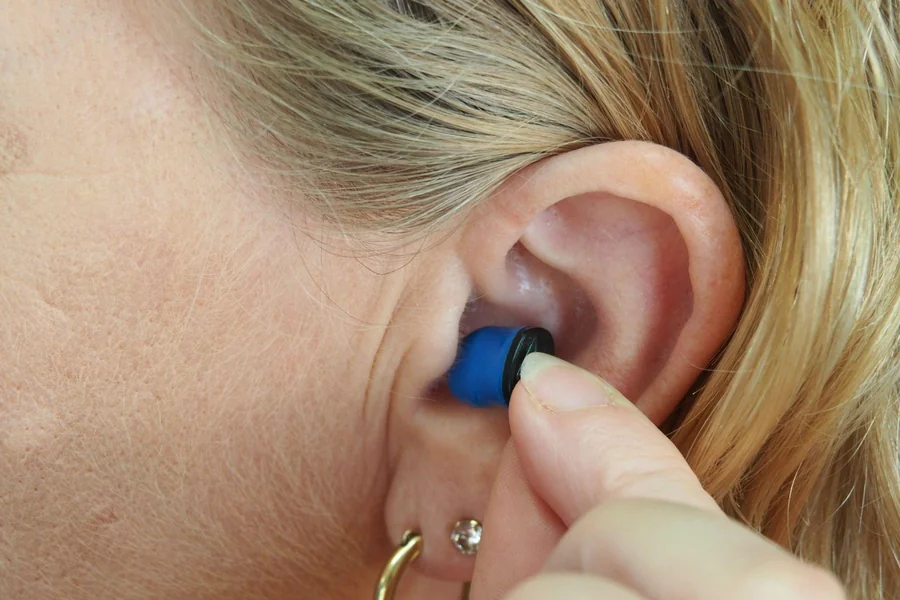
Hearing support is becoming mainstream not because people suddenly changed, but because technology did. Devices are smaller, easier to live with, and designed for everyday routines rather than clinical settings. As more shoppers explore their options, sometimes comparing well-known retail choices like Costco vs. Sam’s Club hearing aids, they often come across Audien Hearing, a brand that reflects the broader shift toward accessible, intuitive solutions rather than complicated medical equipment. This rising curiosity isn’t just about hearing loss; it’s about people wanting tools that help them stay connected, confident, and fully engaged in their daily lives.
Hearing Is No Longer a “Later in Life” Concern
For a long time, hearing care was framed as something you dealt with only after it became a problem. But daily life has become noisier. Headphones stay on longer. City soundscapes grow denser. Even simple moments, grinding coffee beans, crowded gyms, traffic, add up over years. People are starting to recognize that hearing, just like eyesight or posture, requires steady attention rather than reactive fixes.
Younger adults are stepping into this conversation, too. They’re used to tracking sleep, hydration, blue-light exposure, even micro-level wellness trends. It’s a natural extension to consider how well they’re hearing throughout the day. When the stigma fades, the habits shift.
Wellness Culture Has Expanded, Not Just Deepened
Hearing support is settling into the same category as ergonomic shoes, supplements, clean skincare, or stress-tracking apps. It’s part of the broader “small habits that make a big difference” mindset. People don’t see hearing care as a medical milestone anymore. They see it as an everyday tool for better conversations, sharper focus, easier working hours, and richer social interactions.
Family dynamics also play a role. More people, especially millennials and Gen X, are helping aging parents navigate health decisions. They watch firsthand how improved hearing restores confidence, improves safety, and reopens social doors. And once you witness that transformation up close, the idea of support stops feeling clinical and starts feeling practical.
The Technology Has Finally Caught Up With Real Life
For decades, hearing devices were bulky, expensive, and difficult to personalize. That era is fading. Modern designs slip behind the ear or rest comfortably inside it, barely noticeable unless someone is looking for them. They charge quickly. They adjust automatically. They integrate with phones and daily accessories.
More importantly, they’re becoming financially approachable. With direct-to-consumer options, online education, and transparent comparison guides, people no longer feel trapped between high-cost clinical devices and low-quality alternatives. They can enter the market casually, experiment, learn, and adjust, the same way they would with any other wellness product.
Better Hearing Doesn’t Just Improve Sound, It Improves Connection
One of the quiet reasons hearing support is gaining traction is the emotional part. People underestimate how much energy they spend trying to follow conversations, read lips, or compensate for sound they can’t quite catch. That constant effort creates fatigue, distance, and frustration that often goes unnoticed until it’s gone.
When hearing improves, people don’t just hear more clearly, they reconnect more easily. Family dinners feel lighter. Work calls feel less draining. Social moments require less effort. There’s a sense of returning to yourself, a lifting of mental load, even a shift in personality for some. That’s wellness in its truest form.
Information Is Easier to Access, and Much Less Intimidating
Years ago, hearing support felt like an expert-only field. Now, people can learn at their own pace, online, without pressure. They can compare price ranges, read real experiences, and understand how devices function in everyday settings. This transparency removes fear and embarrassment and replaces it with agency.
Research from reputable sources like the National Institute on Deafness and Other Communication Disorders reinforces why early support matters. When credible information becomes accessible, people make better choices, and they make them earlier.
A Cultural Shift Toward Openness and Personal Agency

The final push comes from a cultural change already unfolding everywhere else: people want to personalize their wellness, not hide it. Glasses used to carry stigma; now they’re fashion. Mental health support used to be whispered about; now it’s mainstream conversation. Hearing support is moving through the same cycle, from something people concealed to something people simply use.
When a technology becomes socially ordinary, people stop second-guessing themselves and start participating. That’s what’s happening now, quietly, steadily, across workplaces, families, and daily routines.
Hearing Support Is Becoming a Habit, Not a Last Resort
What makes this moment different is how natural hearing support now feels. People aren’t waiting for a crisis. They’re listening to the small shifts in their environment, the way they do with their backs, their skin, their stress levels, their nutrition. They’re choosing tools that help them stay present, connected, and engaged.
And when something becomes part of everyday life instead of a final step, that’s when it becomes mainstream.