
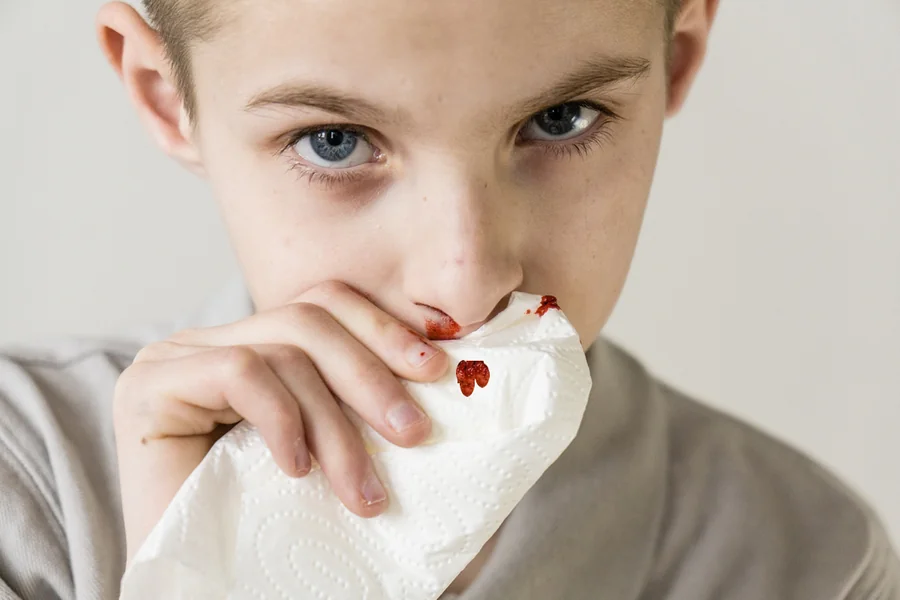
Accidents can happen at any time—during sports, a fall, or even while eating something hard—and one of the most painful and alarming injuries is damage to the mouth or teeth. A broken tooth, bitten lip, or cut inside the mouth can bleed heavily and cause panic. However, with the right first aid response, you can reduce pain, prevent infection, and increase the chances of saving a damaged tooth. Knowing how to act in those first few minutes can make the difference between a full recovery and permanent loss.
Common Causes of Mouth Injuries
Mouth and dental injuries are common across all age groups. Children often suffer them during play or sports, while adults may experience them in car accidents, workplace mishaps, or simply from biting down too hard. Contact sports like hockey, football, and basketball are frequent culprits, especially when mouthguards aren’t used. Falls, collisions, and even tripping can also lead to injuries involving the lips, tongue, gums, or teeth.
Immediate Steps for Mouth and Tooth Injuries
The mouth is highly vascular, meaning it has many blood vessels—so even small injuries can bleed profusely. Staying calm and responding quickly helps control bleeding and limit damage.
- Rinse the mouth gently with clean, warm water to remove blood and debris.
- Apply pressure with a sterile gauze or clean cloth to stop bleeding.
- Use a cold compress on the outside of the mouth or cheek to reduce swelling.
- Avoid excessive touching of the injured area to prevent irritation or infection.
If bleeding does not stop within 10 minutes or if a tooth has been knocked out, seek dental or emergency medical care immediately.
What to Do if a Tooth Breaks or Chips
When a tooth breaks, the approach depends on how severe the damage is.
- Minor chip: If the break is small, rinse the mouth and apply a cold compress to reduce swelling. Keep the area clean until a dentist can smooth or repair the tooth.
- Severe break: If a large portion of the tooth is missing and pain is intense, rinse the mouth with warm water and cover any exposed area with dental wax or sugar-free gum to protect the nerve until professional help is available. Avoid eating or drinking extremely hot or cold foods, as sensitivity will be high.
- Knocked-out tooth: Pick it up by the crown (the visible part), never the root. Rinse gently if dirty, but do not scrub. Try to place it back into its socket and hold it there with light pressure. If that’s not possible, store it in milk or saline solution. See a dentist within 30 minutes for the best chance of saving it. If you have dentures, this is also a critical time to check for any damage, as timely denture repair can help restore comfort and prevent further oral irritation.
Handling Soft Tissue Injuries
Cuts to the lips, tongue, or inside of the cheeks can bleed heavily but often look worse than they are. First, clean the wound gently and apply pressure using a sterile gauze pad. For swelling, use an ice pack or cold cloth. Avoid spicy or acidic foods until healing begins, as these can cause irritation. If the cut is deep or bleeding continues after 15 minutes, professional treatment may be necessary to prevent infection or scarring.
Managing Pain and Swelling
Over-the-counter pain relievers such as acetaminophen or ibuprofen can help control discomfort. Avoid placing aspirin directly on the gums or injured area—it can burn soft tissue and worsen irritation. For external swelling, apply an ice pack wrapped in a cloth for 10-minute intervals. Avoid using heat, as it can increase inflammation. Keeping the head elevated also helps minimize swelling and discomfort.
Preventing Infection
The mouth naturally contains bacteria, so infection is a real risk after an injury. Proper cleaning and care are crucial. Rinse gently with a saline or antiseptic mouthwash to reduce bacteria and avoid smoking or alcohol-based mouthwashes, which can slow healing. Always check for signs of infection such as increased redness, pus, swelling, or fever. If these appear, see a healthcare professional promptly.
Structured safety and medical training can help individuals handle these situations confidently. Programs like first aid certificate teach essential steps for treating mouth injuries, managing bleeding, and responding to dental trauma calmly and correctly before professional care becomes available.
Protecting Teeth During Sports and Activities
Mouth injuries are highly preventable, especially in sports. Wearing a custom-fitted mouthguard significantly lowers the risk of broken or knocked-out teeth. Athletes in contact sports should use mouthguards regularly, and children playing recreational sports should be encouraged to wear them too. Helmets with face shields offer added protection in activities like cycling, hockey, or baseball. Teaching kids to avoid rough play and to be aware of their surroundings also reduces the likelihood of accidents.
When to See a Dentist or Doctor
While minor cuts and chips can often be managed at home, some injuries require professional evaluation. Seek urgent care if:
- A tooth has been knocked out or displaced.
- There’s persistent pain or bleeding.
- The jaw feels misaligned or difficult to move.
- The tongue or lips have deep lacerations.
- Swelling worsens after 24 hours.
Prompt medical or dental attention ensures proper treatment and prevents complications such as infection, tooth loss, or jaw damage.
Long-Term Care After Mouth Injuries
After initial treatment, maintaining good oral hygiene is key to recovery. Brush gently with a soft-bristled toothbrush and rinse with antiseptic mouthwash. Follow your dentist’s recommendations on diet—soft foods are best for the first few days. Attend follow-up appointments to ensure proper healing and to check if further dental work, such as crowns or fillings, is needed.
Conclusion
Mouth and dental injuries can be painful, messy, and frightening, but immediate first aid can minimize their impact. Controlling bleeding, cleaning carefully, and protecting damaged teeth are the most critical steps. Acting quickly and seeking prompt professional care can often save a tooth and prevent long-term complications.
Preparedness begins with knowledge. Learning proper techniques through certified first aid training builds confidence and ensures that when accidents happen, you can respond calmly and effectively. With the right care, even serious dental injuries can heal successfully, restoring both comfort and confidence.