
Introduction
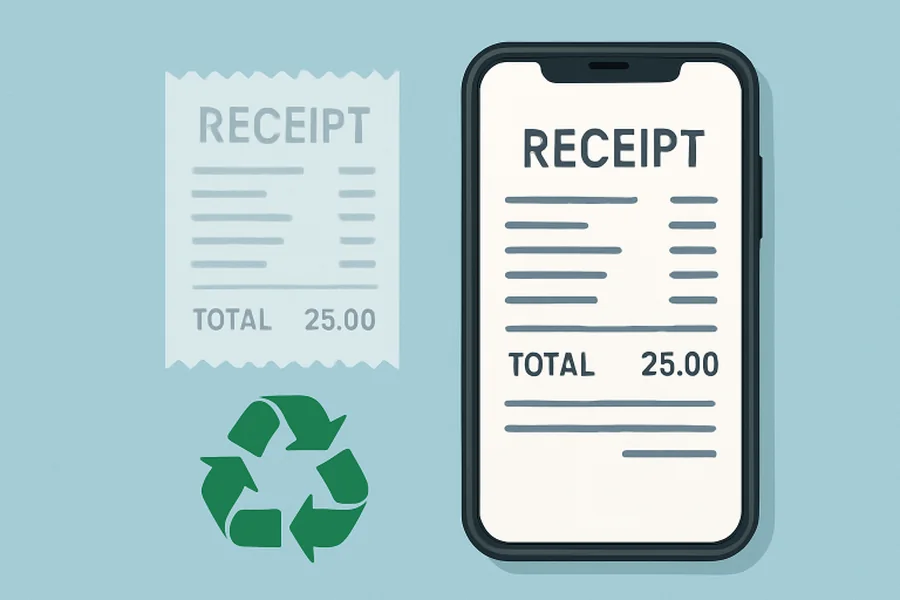
Across industries, digital transformation is fundamentally changing the way organizations operate and interact with customers. One notable shift is the movement from traditional paper receipts to electronic ones, promising a host of advantages in efficiency, cost savings, and sustainability. Adopted by retailers, service providers, and consumers, digital receipts are at the forefront of modern transaction management. As more businesses explore receipt management software to streamline their processes and enhance user experiences, this trend is set to accelerate rapidly.
Convenience is only one aspect of this shift. The move to digital receipts also addresses growing concerns around data security and environmental impact. By minimizing paper use and connecting purchase data securely to digital profiles, both businesses and consumers benefit from better record-keeping, improved privacy, and a lighter ecological footprint.
According to industry analysis from Forbes, retailers who have embraced electronic receipts report measurable gains in efficiency and customer satisfaction, further validating this evolving approach to customer transactions.
The Rise of Digital Receipts
The market for digital receipts is expanding at a remarkable pace. In 2024, the global digital receipt market was valued at USD 2.14 billion and is projected to reach USD 7.86 billion by 2034. This robust growth, expected at a compound annual growth rate of 16.33 percent, is indicative of changing consumer preferences and the expanding role of digital technology in everyday life. The use of contactless and digital payment systems, coupled with heightened demand for seamless, instantaneous purchase confirmations, has propelled digital receipts into the mainstream.
Retailers and hospitality providers have responded by integrating receipt delivery directly within apps and email communications, enabling instant access and seamless returns processing. This not only shortens transaction times but also opens new ways to engage customers long after their purchase.
Benefits for Businesses
Cost Reduction
Eliminating physical receipts allows businesses to cut printing costs and reduce expenditures on paper supplies, ink, and maintenance. Over time, these savings can be substantial, particularly for retailers processing large transaction volumes every day.
Enhanced Customer Engagement
Digital receipts can be customized with branding, loyalty program integration, and dynamic content. Businesses leverage these touchpoints to send tailored offers, rewards, or invitations to surveys, building stronger relationships and encouraging future visits without cluttering customers’ wallets or purses.
Data Analytics
Every digital receipt becomes an opportunity to learn more about consumer habits. With detailed insights into purchase patterns and preferences, businesses can refine marketing strategies, predict inventory needs, and create highly targeted promotions. This data-driven approach supports smarter decision-making and better overall performance.
Consumer Advantages
Convenience
Accessing purchase records digitally makes it easier for consumers to organize their finances, manage budgets, and keep proof of purchase for returns or warranty claims. By consolidating receipts in secure online portals or within dedicated apps, the headache of sorting through crumpled slips becomes a thing of the past.
Security
Digital receipts reduce the risks of losing physical proof of purchase or of exposing sensitive personal information. Encrypted email or app-based delivery ensures receipts are only accessible by the intended customer, offering greater peace of mind in a world where identity theft is a growing concern.
Environmental Impact
Switching to digital receipts directly supports sustainability goals. Fewer resources are consumed for printing, and there is a marked reduction in landfill waste. According to the New York Times, millions of trees are cut down each year to produce thermal paper for receipts, underscoring the significant ecological benefits of a digital-first approach.
Global Regulatory Trends
Many governments around the world are prioritizing digital receipts through targeted regulations. France set a precedent with its Anti-Waste and Circular Economy (AGEC) law in 2023, which effectively banned automatic paper receipts to reduce unnecessary paper use. Italy has mapped out a phased transition that will require large retailers to stop issuing paper receipts by 2027, with the rule expanded to all merchants by 2029. These actions reflect a growing international push for sustainability, digital security, and waste management.
Similar legislative trends are emerging in other regions, prompted by environmental and data privacy concerns. Regulatory encouragement is helping businesses of all sizes to invest in digital solutions and educate consumers about the advantages of this change.
Future Outlook
Integration with Mobile Wallets
As mobile payments gain traction, digital receipts are increasingly being attached to payment platforms such as Apple Pay, Google Pay, and others. This integration delivers a unified, frictionless experience for customers by consolidating receipts, loyalty points, and offers in a single convenient location.
AI-Driven Personalization
Artificial intelligence is revolutionizing receipt management. Businesses can use AI to analyze purchase data, enabling them to personalize post-purchase communications, offer highly relevant recommendations, and incentivize return visits. This blend of automation and insight is set to become a cornerstone of future customer engagement strategies.
Enhanced Security Measures
As threats to digital data continue to evolve, so too do protections. Digital receipt management solutions are implementing advanced encryption and authentication protocols to help prevent fraud and safeguard sensitive information, giving consumers the confidence to embrace digital options.
Final Thoughts
The shift to digital receipts is much more than a convenience. It is a transformative leap towards more secure, efficient, and environmentally conscious commerce. For businesses, digital receipts drive cost savings and unlock new capabilities in customer engagement and operational analysis. For consumers, the benefits include easy access, better security, and a positive contribution to sustainability goals. The ongoing evolution of digital receipt management signals a lasting change in how both enterprises and individuals handle everyday transactions. As technology advances and global regulations nudge the marketplace forward, adopting digital receipt solutions will become integral to success in the digital economy.