
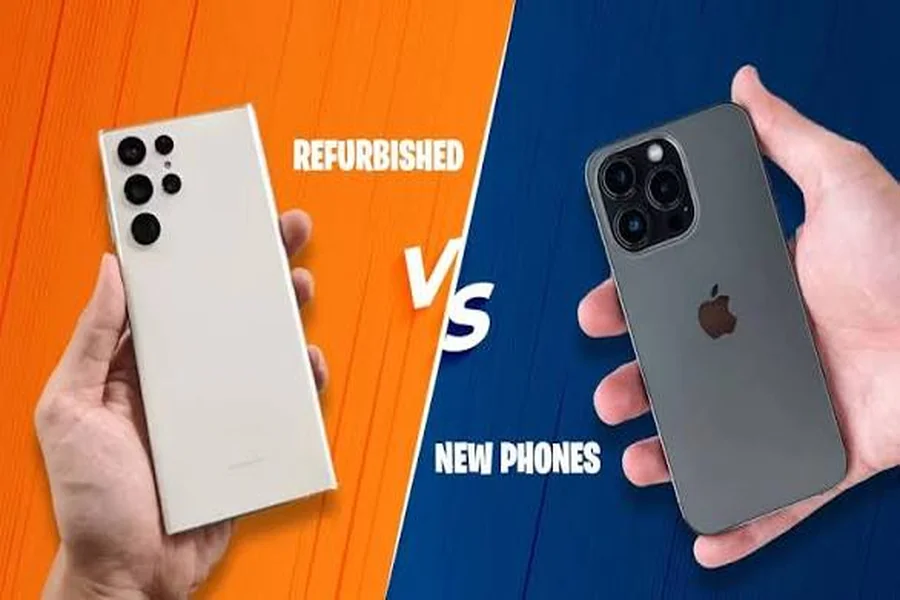
Your phone has officially entered its final stages. The battery percentage drops faster, apps freeze at the worst possible moment, and the screen is full of cracks. It’s time for a replacement, but does that replacement really need to be brand-new?
Refurbished phones can offer an appealing middle ground between purchasing the latest device and gambling on a questionable secondhand listing. Before spending hundreds of dollars, it helps to understand what you’re actually getting with refurbished versus new, and how you can save with either on affordable phone plans.
What Does Refurbished Actually Mean?
A refurbished phone isn’t necessarily the same thing as a used phone someone lists online. Refurbished devices typically undergo an inspection and testing process before being resold. Depending on the seller, damaged or worn components may be repaired or replaced, and the device may be cleaned and reset.
The catch is that refurbishment standards aren’t universal. That’s why buying from a reputable retailer and reading its refurbishment policies can matter just as much as choosing the phone itself.
The Price Tag Is Where Refurbished Phones Get Interesting
Here’s where refurbished phones can really grab your attention: price. Because these devices aren’t factory-fresh, they may sell for considerably less than comparable new models. That can be especially attractive if you’re already hunting for affordable phone plans and want to keep your overall mobile expenses manageable.
Rather than paying premium prices for the latest release, you might find a recent flagship with plenty of life left in it. Sometimes, yesterday’s premium phone can even be a more compelling choice than today’s entry-level model.
New Phones Still Win the Unboxing Contest
There is something undeniably satisfying about peeling the protective film off a completely untouched screen. New phones arrive without scratches, mysterious histories, or questions about how their previous owner treated them.
You’re also getting the newest available technology, potentially longer software support, and typically a full manufacturer’s warranty. For shoppers who want maximum peace of mind, those advantages can justify the higher price.
Performance May Be More Similar Than You Think
Unless you’re constantly pushing your phone to its limits, the everyday performance difference may be surprisingly small. A properly refurbished recent-generation device can still comfortably handle texting, streaming, browsing, social media, navigation, and photography. You don’t necessarily need this year’s fastest processor to watch videos or browse online.
Battery Health Can Be the Big Question Mark
Battery condition deserves extra attention when shopping for refurbished products. Rechargeable batteries naturally lose capacity over time, so an older phone might not last as long between charges.
Check whether the seller guarantees minimum battery health or replaces worn batteries during refurbishment. A bargain stops feeling like a bargain pretty quickly when you’re permanently attached to a charger.
Scratches, Scuffs, and the Like-New Factor
A refurbished phone may have lived a life before reaching your pocket, and sometimes it shows. Small scratches, scuffs, or other cosmetic imperfections are fairly common, particularly on lower-priced devices.
Fortunately, many sellers use condition grades that give you an idea of what to expect. An “excellent” device might look nearly new, while “good” or “fair” options may have more visible wear. If you’re putting the phone into a case immediately anyway, a tiny scratch on the back might be an easy trade-off for additional savings.
Warranties and Return Policies Matter More Than Ever
When buying refurbished, don’t let a low price distract you from the fine print. The seller’s reputation, warranty, and return policy can make a major difference if something goes wrong.
Look for clear information on how devices are inspected and tested, what the warranty covers, and how long you have to return them. A slightly more expensive refurbished phone backed by solid protections may be a smarter purchase than a suspiciously cheap device sold without guarantees.
Refurbished Phones Score Some Sustainability Points
There’s another potential benefit hiding behind that lower price. You’re giving existing technology a longer useful life.
Electronic devices require materials and energy to manufacture, and discarded electronics contribute to the growing stream of e-waste. Keeping a functional phone in circulation longer won’t single-handedly save the planet, of course, but it can help you get more use out of technology that has already been produced.
The Difference Might Be Smaller Than the Price Suggests
Refurbished and new phones aren’t identical, but the practical difference may be much smaller than expected. A carefully selected refurbished device can still deliver excellent everyday performance without the new-phone price.
Pay attention to battery health, condition, warranty coverage, return policies, and seller reputation. Once you’ve checked those boxes, the smartest option is the one that gives you everything you need without blowing your whole budget.