
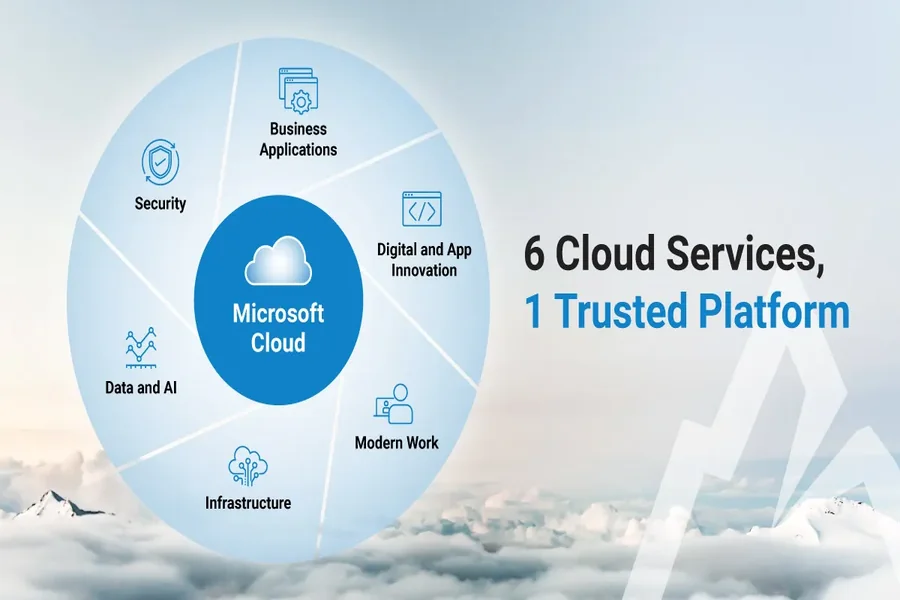
Migrating to Microsoft 365 is a strategic move for organizations seeking to strengthen security, improve productivity, and maintain compliance in a modern digital workplace. Using managed cloud services can make that transition smoother and more reliable by aligning planning, execution, and ongoing operations with your business needs.
From minimizing disruption to ensuring proper configuration and protection, managed cloud approaches help organizations realize the full value of Microsoft 365 while mitigating common migration challenges.
Core Benefits of a Well-Executed Migration
When done correctly, a Microsoft 365 migration delivers tangible operational improvements across several dimensions.
Enhanced Security and Protection
Security is a top priority when moving sensitive data and services to the cloud. Microsoft 365 includes built-in security controls, but they must be configured correctly to be effective. With a structured migration, you can ensure:
- Multi-factor authentication for user access
- Secure identity and access management
- Encryption of data in transit and at rest
- Policies that enforce secure file sharing and external access
Properly aligned security configurations reduce risk and strengthen defenses against increasingly sophisticated threats.
Improved Collaboration and Productivity
Microsoft 365 integrates tools that help teams work together more efficiently. Cloud-based services enable:
- Real-time document co-authoring
- Centralized communication channels
- Access to files from anywhere, on any device
- Seamless integration between email, chat, and document storage
These capabilities support remote and hybrid work models and help streamline workflows across departments.
Compliance and Governance
Many industries require specific data privacy and retention policies. Microsoft 365 includes features to support regulatory compliance, but they must be set up thoughtfully to meet your organization’s standards. Through careful planning, organizations can:
- Define retention and deletion policies
- Implement auditing and logging
- Manage user permissions by role
- Maintain standards for data residency and reporting
This reduces risk in regulated environments and supports internal governance goals.
Key Components of a Managed Migration
A structured migration includes several important components that help ensure a smooth transition:
- Environment Audit: Taking inventory of existing systems, user accounts, and data sources to determine what should be migrated.
- Data Cleanup: Removing outdated, redundant, or irrelevant content to streamline migration and prevent unnecessary clutter in the new environment.
- Security Configuration: Mapping out identity and access policies, data protection controls, and compliance settings before the actual move.
- User Communication: Informing employees about changes, timelines, and expectations in advance to reduce resistance and confusion.
- Migration Testing: Running pilot migrations to validate processes, timing, and dependencies before full production rollout.
These steps help organizations manage risk and maintain continuity during the transition.
Avoiding Common Migration Pitfalls
Even with strong tools and clear benefits, migrations can still encounter challenges if not carefully orchestrated. Typical issues include:
- Overlooked data sources or systems
- Misconfigured access controls
- Users unprepared for new workflows
- Inadequate testing before cutover
- Gaps in communication and training
Managed cloud planning anticipates these issues and builds mitigation strategies into the process, reducing surprises and helping teams adapt quickly.
Final Thoughts
By embracing thoughtful planning and support, organizations can unlock the full potential of Microsoft 365 in a secure, efficient, and compliant way. Managed cloud services provide the framework and expertise needed to navigate the complexities of migration, minimize disruption, and support ongoing productivity and protection after the transition.