
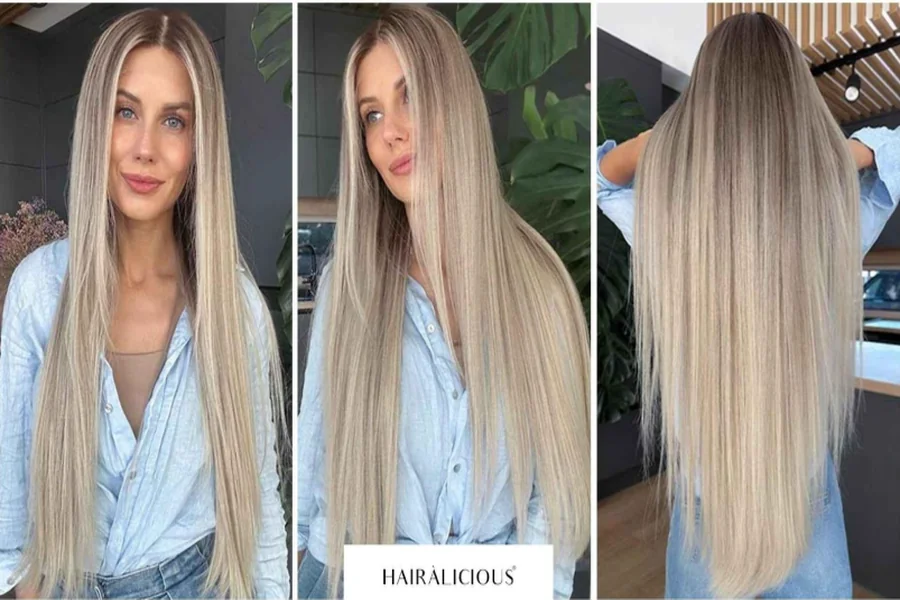
Natural-looking wigs have become one of the most sought-after beauty solutions for women who want flexibility, confidence, and effortless style. Among the newest innovations in wig design are natural hairline wigs, which are crafted to replicate the appearance of hair growing directly from the scalp. Unlike older wig constructions that often looked uniform or artificial, these wigs focus on subtle details that mimic real hair patterns. The result is a softer, more believable hairline that blends naturally with the skin. Many wearers appreciate how these wigs allow them to style their hair freely without worrying about visible edges. Understanding how natural hairline wigs are made helps reveal why they look so realistic. The process combines careful craftsmanship, high-quality materials, and advanced construction techniques.
The foundation of natural hairline wigs
The realism of natural hairline wigs begins with their foundation. Most designs rely on extremely thin lace, often referred to as HD lace, which is almost transparent and blends easily with the skin. This lace base acts as the surface where individual hair strands are attached. Because the material is so delicate and lightweight, it creates the illusion that hair is growing directly from the scalp rather than from a wig cap.
Another important element is the use of small, carefully bleached knots. Each hair strand is tied into the lace with a knot, and bleaching these knots makes them less visible. When the knots become lighter and smaller, the wig hairline appears softer and more realistic. Combined with the thin lace, this detail helps natural hairline wigs mimic the subtle appearance of real hair roots.
The role of pre-plucked hairlines
One of the key features that defines natural hairline wigs is the pre-plucked hairline. In this process, wig makers intentionally remove some hairs along the front edge of the wig to recreate the irregular density found in natural hair growth. Real hairlines are never perfectly straight or evenly dense, so this technique prevents the wig from looking too uniform.
The density around the front of the wig is also intentionally lower than in the rest of the hairstyle. This lighter density helps create a gradual transition from skin to hair. To further enhance realism, many natural hairline wigs include soft baby hairs along the hairline. These shorter strands frame the face and help the wig blend seamlessly with the wearer’s natural features.
Hand-tying: the craftsmanship behind the realism
Creating natural hairline wigs is a time-intensive process that requires skilled craftsmanship. In the lace area, each hair strand is individually hand-tied to the lace base rather than sewn in bulk. This method allows the hair to move freely and fall in different directions, closely replicating the behavior of natural hair.
Hand-tying also ensures that the hairline remains flexible for styling. Because each strand is placed carefully, the wig can be parted in different directions without exposing obvious gaps or unnatural density. This technique is one of the main reasons why natural hairline wigs look so convincing, even when viewed up close.
Hair selection and natural tapering
Another detail that contributes to realism is the type of hair used. Many natural hairline wigs are made with single-drawn human hair, which naturally tapers toward the ends. In real hair, strands vary in length and thickness, so this tapering effect helps recreate the imperfect texture of natural hair growth.
High-quality human hair also allows the wig to behave like bio hair. It can hold curls, create soft waves, or remain sleek when straightened. Because the hair responds naturally to styling, natural hairline wigs maintain their realistic appearance regardless of the hairstyle chosen.
Why construction details make such a difference
The natural look of natural hairline wigs is not created by a single feature but by several elements working together. Thin lace, bleached knots, pre-plucked hairlines, and carefully chosen hair all contribute to a seamless result. When combined with hand-tied craftsmanship, these details create a wig that feels comfortable and looks remarkably authentic.
For many women, this level of realism makes everyday wear much easier. A well-designed wig can blend effortlessly with the skin, allowing the wearer to focus on style rather than concealment.
Final thoughts
The creation of natural hairline wigs is a blend of artistry and technical skill. Every stage, from lace selection to hand-tying individual strands, is designed to replicate the natural way hair grows from the scalp. These careful details transform a wig from a simple accessory into a realistic and confidence-boosting solution. As wig technology continues to evolve, the craftsmanship behind natural hairline wigs shows how small design choices can dramatically improve both comfort and authenticity.