
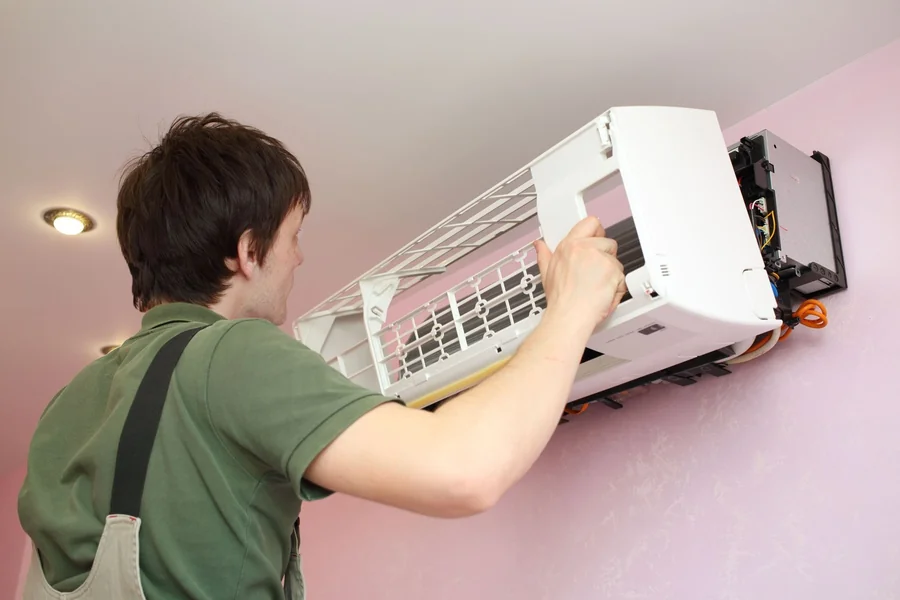
Local heating, ventilation, and air conditioning (HVAC) professionals play a crucial role in ensuring comfort, efficiency, and long-term system performance by adapting their services to the specific climatic challenges of a region. Climate conditions differ widely—not just between countries, but between cities and neighborhoods—so a one-size-fits-all approach to HVAC design, installation, and maintenance often falls short. We will explore how regional weather patterns, humidity levels, seasonal temperature variations, and environmental factors shape the methods used by trained HVAC technicians to design systems that meet the real-world needs of homeowners and businesses. Understanding these adaptations helps clients appreciate why localized solutions matter and how they benefit daily comfort, energy use, and equipment longevity.
How Regional Climate Influences HVAC Decisions
-
Hot and Dry Climates: Prioritizing Cooling, Air Quality, and Efficiency
In areas with hot, arid weather, the demands on HVAC systems center mostly on cooling performance and dust management. Local technicians recognize that standard cooling units must be paired with measures to account for airborne particulates and significant temperature swings between day and night. These professionals often recommend systems that incorporate robust filtration to prevent dust and sand from clogging components, which would otherwise reduce system life and increase maintenance costs.
Beyond simply adjusting for temperature, local experts often evaluate the specific architectural nuances and ventilation needs unique to regional housing styles. These professionals can identify how coastal salt air or high mountain altitudes might affect equipment longevity and performance over several seasons. To Learn more about how specialized configurations address these environmental variables, homeowners should consult with technicians who understand the local building codes and historical weather patterns. Such targeted insights help ensure that every component, from ductwork to filtration, remains resilient against the elements. By prioritizing this localized approach, property owners can achieve a higher standard of indoor air quality and consistent comfort throughout the most demanding times of the year.
In addition to cooling capacity, technicians will advocate for technologies that operate efficiently at sustained high temperatures, such as variable-speed compressors and advanced thermostat controls that modulate output based on indoor conditions rather than running at full power. Another adaptation they employ involves adjusting duct design and insulation to minimize heat gain, ensuring cool air delivered into the home remains cold until it reaches occupants. In dry-heat environments, evaporative coolers may also be considered, allowing technicians to suggest alternatives to traditional refrigeration-based cooling when conditions permit. When providing heating and cooling in Dothan, AL, these tailored solutions help clients enjoy comfort without overtaxing equipment or incurring excessive energy costs.
-
Humid and Warm Regions: Balancing Cooling with Moisture Control
Regions with high humidity and warm temperatures, such as coastal areas or tropical environments, present unique challenges for climate control. In these settings, HVAC professionals must ensure that systems not only remove heat but also extract moisture from the air. High humidity can make indoor spaces feel warmer than they are, reduce air quality, and encourage mold and mildew growth if left unmanaged. Local technicians address this by selecting cooling units with reliable dehumidification capabilities and recommending solutions like dehumidifiers integrated with existing HVAC systems. They also optimize airflow patterns to reduce condensation on walls and ceilings. Technicians in humid regions pay close attention to proper sealing around windows and doors to prevent humid outdoor air from infiltrating living spaces.
In regions where climate conditions fluctuate dramatically, the expertise of local technicians becomes invaluable. These professionals understand the unique demands of their environment, allowing them to customize HVAC systems for optimal performance. For instance, in areas like Mt. Crawford, where seasonal changes can be quite pronounced, having a reliable system is crucial. Collaborating with a knowledgeable technician plumber mt crawford ensures that your system is not only efficient but also resilient against local weather patterns. If you’re seeking comprehensive solutions, consulting a local expert, such as a plumber in Mt. Crawford, can provide insights into maintaining both HVAC and plumbing systems, ensuring your home remains comfortable and functional year-round.
Moreover, they may advise on insulation materials that resist moisture absorption rather than retain it, helping maintain indoor comfort without overworking the cooling system. These adjustments require understanding both the physics of moisture-laden air and the behavior of HVAC components under continuous use. By tailoring installation practices and equipment selection to manage moisture effectively, technicians enable comfortable interiors even when outdoor conditions remain persistently muggy.
-
Cold and Variable Climates: Ensuring Balanced Heating and Adaptive Controls
In regions that experience long, harsh winters and unpredictable temperature swings, local HVAC professionals must prioritize heating performance without neglecting cooling needs during the summer months. Systems installed in these climates need to provide reliable warmth during extended cold spells while remaining responsive as temperatures rise. Technicians select furnaces or heat pumps capable of delivering sustained heat output and pair them with programmable or smart thermostats that adjust based on occupancy and outdoor conditions.
Attention to insulation sealing and ductwork calibration becomes essential, as heat loss through poorly sealed pathways undermines efficiency and increases fuel consumption. Technicians will also consider features such as multi-stage heating, which allows the system to operate at different capacities depending on the severity of cold, preventing unnecessary energy use. In climates with wide temperature variations, adaptive controls that learn household patterns help balance warmth and energy efficiency. Local professionals also recommend maintenance schedules timed to seasonal transitions so that systems receive tune-ups before the peak of winter and summer. These regionally tailored practices keep homes warm and energy use manageable even when weather conditions are unforgiving.
Regional expertise proves especially vital when navigating the complexities of specialized installations, as different environmental factors dictate the necessity for specific hardware configurations. Beyond just responding to failures, a local professional considers how salt spray or extreme temperature shifts might compromise a system’s efficiency over its lifespan. They often suggest proactive measures, such as applying protective coatings to the HVAC unit or repositioning outdoor components to shield them from prevailing winds. This level of personalized attention ensures that the equipment remains resilient against the unique atmospheric pressures of the area. By focusing on these nuanced details, technicians provide a layer of protection that generic maintenance schedules frequently overlook, ultimately securing the long-term comfort of the property.
Local HVAC technicians do more than install equipment; they assess climatic realities and adapt solutions so systems perform reliably under regional stressors. Their practical knowledge of weather patterns, environmental influences, and building behavior ensures that heating and cooling installations meet the genuine needs of those they serve.
In every region, HVAC solutions must align with the local climate to achieve comfort, efficiency, and durability. By understanding distinct weather patterns and environmental challenges, regional technicians deliver tailored approaches that protect equipment, reduce energy costs, and enhance everyday comfort. Homeowners and businesses benefit from systems that are thoughtfully designed and configured to handle the real conditions outside their walls, ensuring comfort in every season and under every sky.
Beyond simple installation, the long-term reliability of a heating system often hinges on how well it is maintained against specific environmental stressors. Professionals who reside within the same community possess a deep familiarity with the precise humidity levels and temperature swings that characterize the area. When a household requires a dependable furnace repair service to address issues caused by these local conditions, an expert with regional insight can provide solutions that go beyond a standard fix. These technicians evaluate how unique factors like coastal salt air or high-altitude oxygen levels impact combustion and hardware longevity. This localized knowledge ensures that every adjustment or repair helps the unit withstand the rigors of the specific regional climate.