
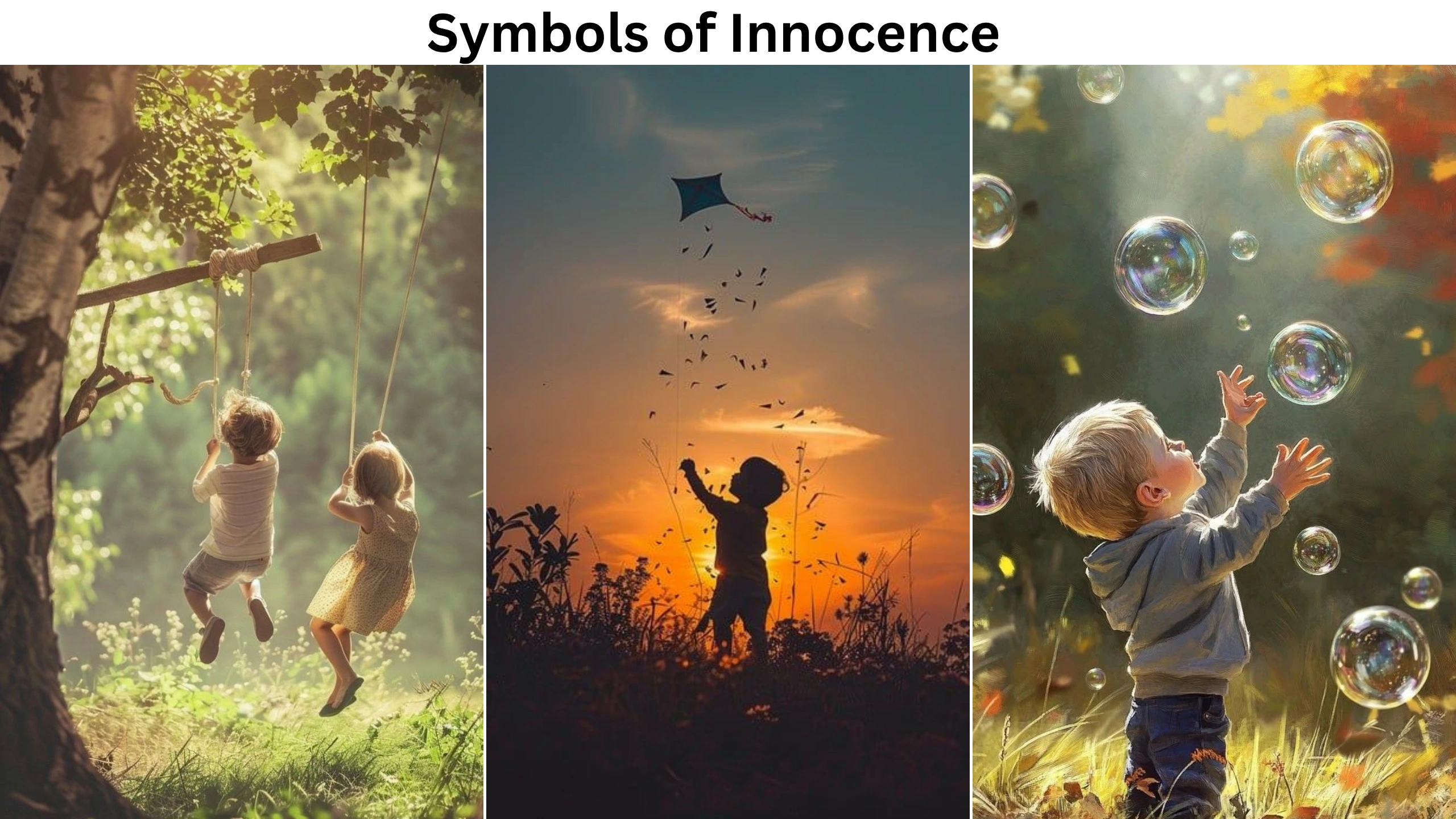
Symbols of innocence have the profound ability to remind us of the untainted, pure aspects of our childhood. From the delicate flight of a dove to the fleeting beauty of a snowflake, these symbols evoke joy and purity, connecting us to the simple pleasures of life.
“Symbols of innocence offer us a glimpse into the purity of our beginnings, inspiring us to live with joy and untainted wonder.”
As we explore these 27 symbols of innocence, we encounter a variety of representations, each one highlighting the wonder and unspoiled beauty that still exists in the world. It’s the gentle smile of a child, the colorful strokes of crayons, or the graceful movement of a butterfly each symbol serves as a reminder to cherish life’s purest moments.
These images associated with innocence encourage us to reflect on our own innocence and reconnect with the beauty found in simplicity and authenticity. Additionally, in various cultures and faiths, symbols of innocence used in religious contexts often depict purity, peace, and divine protection, helping us align with higher values and ideals.
27 Symbols of Innocence and Their Meanings
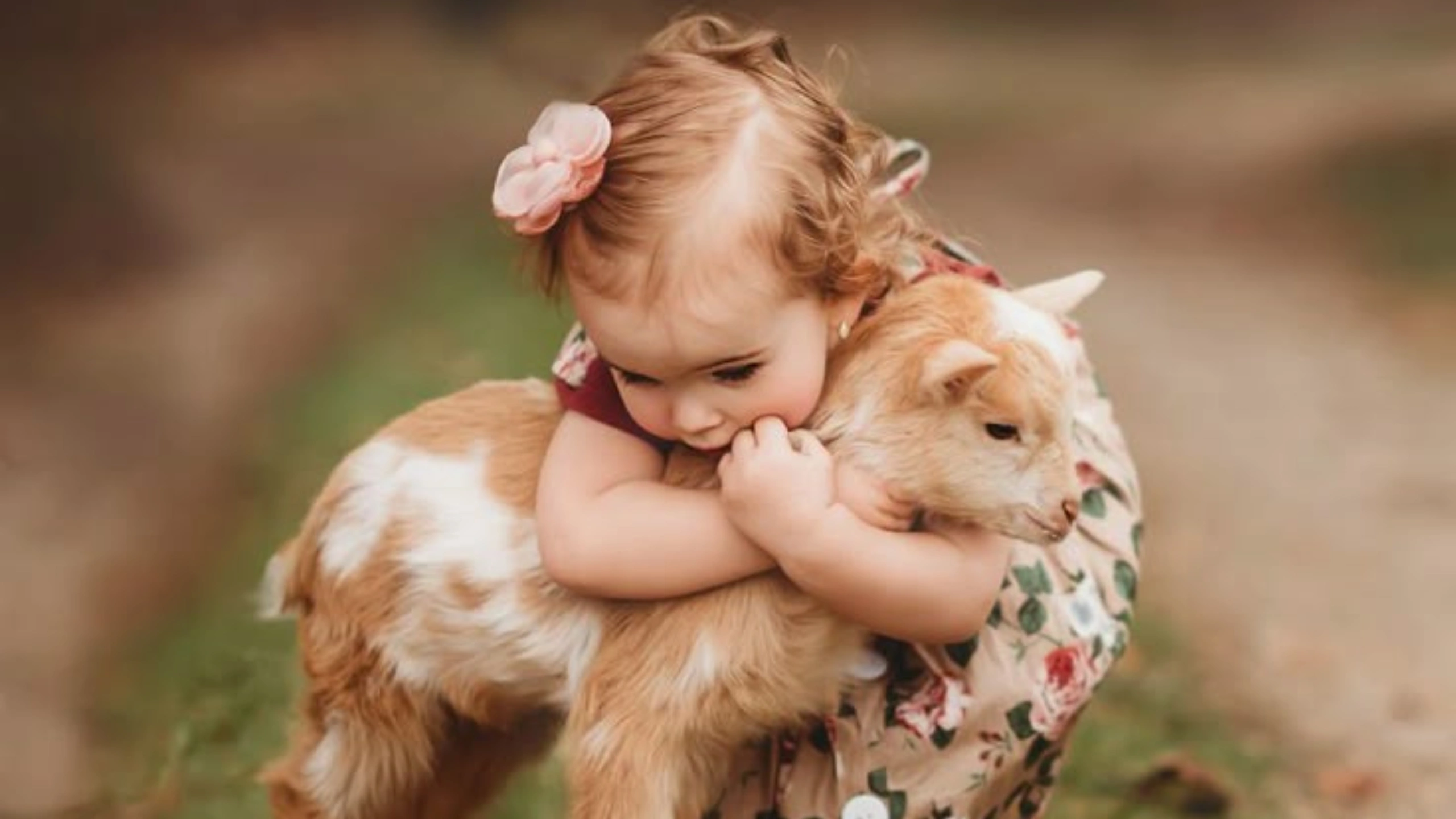
Innocence is often seen as a symbol of purity, kindness, and a simple, honest heart. Across many cultures and forms of art, symbols of v like a white dove, a baby, or a child’s smile represent innocence.
These images remind us of the beauty of goodness, peace, and hope, encouraging us to stay true to our inner light. What represents innocence? Shown in nature, religion, or even tattoos, the symbol of innocence helps people reconnect with a more peaceful and genuine way of living.
Symbols that represent innocence can serve as a gentle reminder to live with purity, kindness, and an open heart. It invites us to see the world with fresh eyes and an open heart.
Here are 27 symbols of Innocence and their meanings:
- White Dove
- Carefree Smile
- Baby As Symbols Of Innocence
- Carefree Eyes
- Butterfly
- Angel Wings
- Teddy Bears
- Bubbles
- Baby Animals
- Balloons
- Sweet Dreams
- Crayons
- Kites
- Lambs
- Snowflakes
- Lady Bugs
- Cartoonish Drawings
- Unicorn
- White Buffalo
- Buddha
- White Flowers
- White Stag
- Alabaster
- Swans
- The Color White
- Pearls
- Crystal Ball
1: White Dove
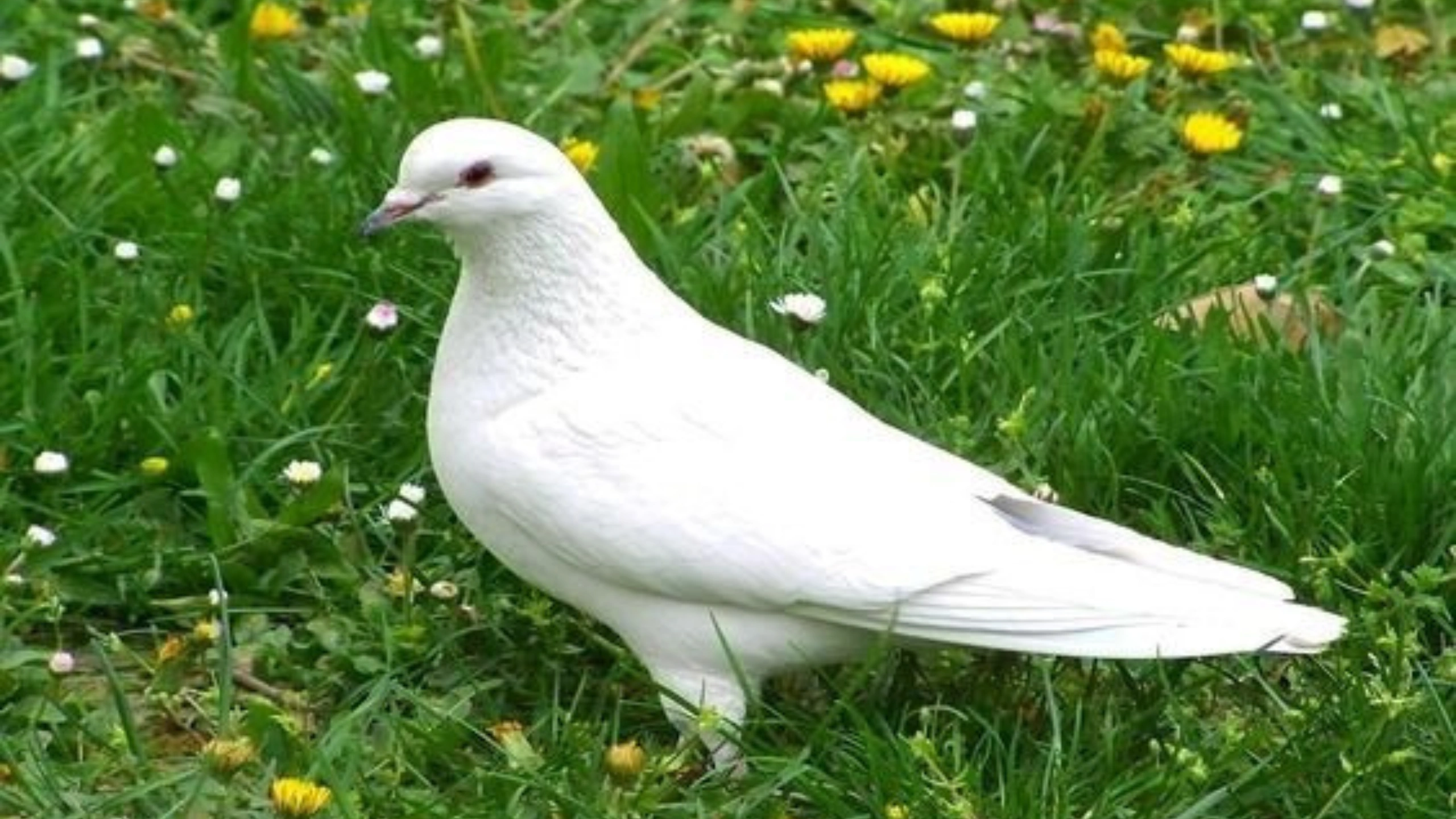
The white dove is a powerful and timeless symbol of peace, purity, and love, honored in many cultures around the world. In ancient Greece, the dove was linked to Aphrodite, the goddess of love. In Christianity, it represents the Holy Spirit, showing a deep connection to divine peace and harmony.
Today, white doves are commonly seen at weddings peace events, and in art, where they symbolize innocence, spiritual connection, and the hope for a better world.
Flying freely in nature or used in symbolic rituals, the dove reminds us to choose love, kindness, and unity. Its graceful presence encourages us to believe in the beauty of peace and the possibility of harmony in every part of life.
2: Carefree Smile
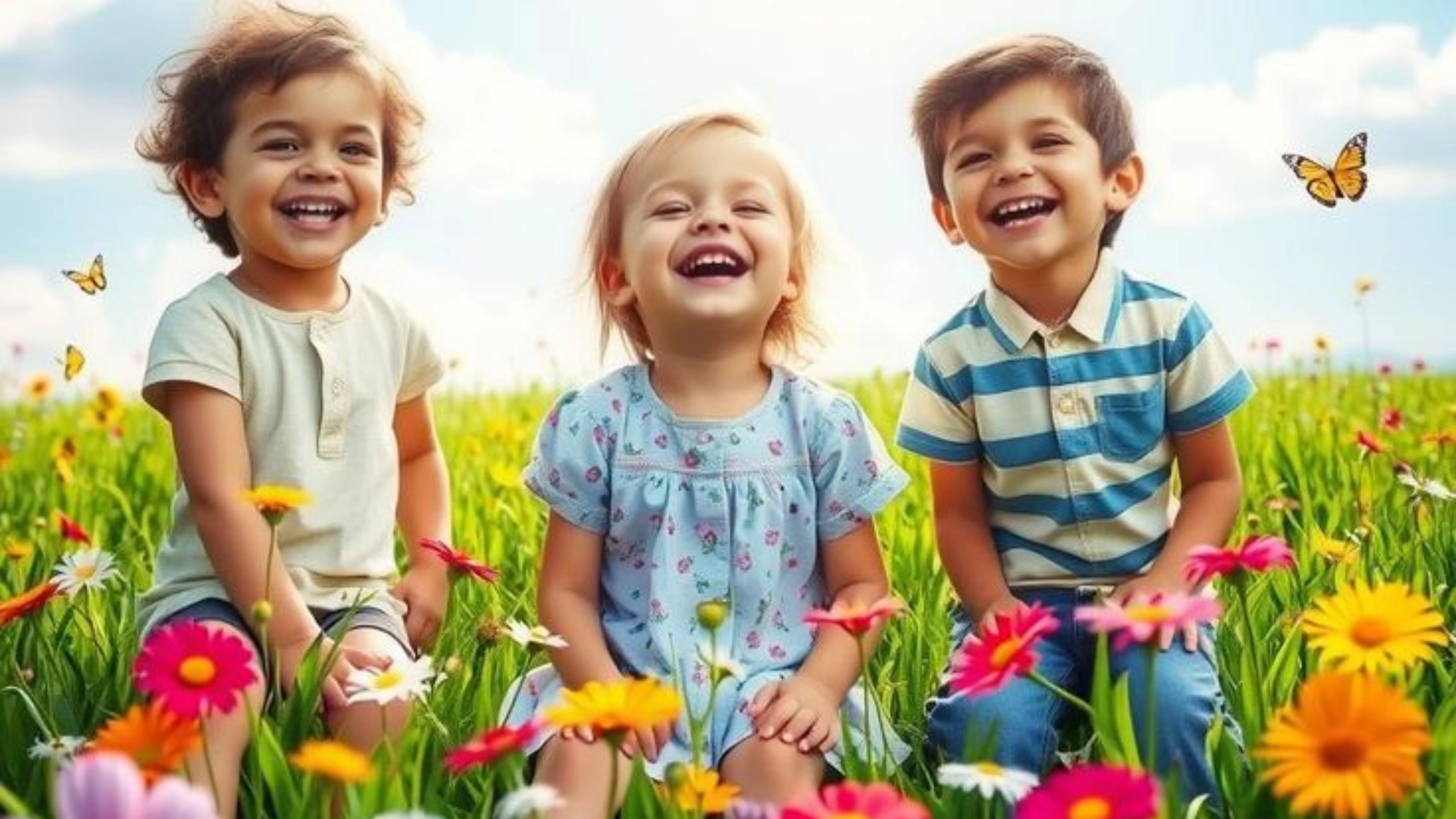
A child’s smile is a beautiful symbol of pure joy, innocence, and emotional warmth. Unlike adult expressions, a child’s smile is genuine and unfiltered, often reminding us of our own carefree childhood. It brings feelings of comfort, trust, and nostalgia, connecting deeply with people across cultures and generations.
Because of this emotional power, children’s smiles are frequently used in advertising, media, and social campaigns to evoke positive emotions and build strong emotional connections with audiences.
3: Baby As Symbols Of Innocence
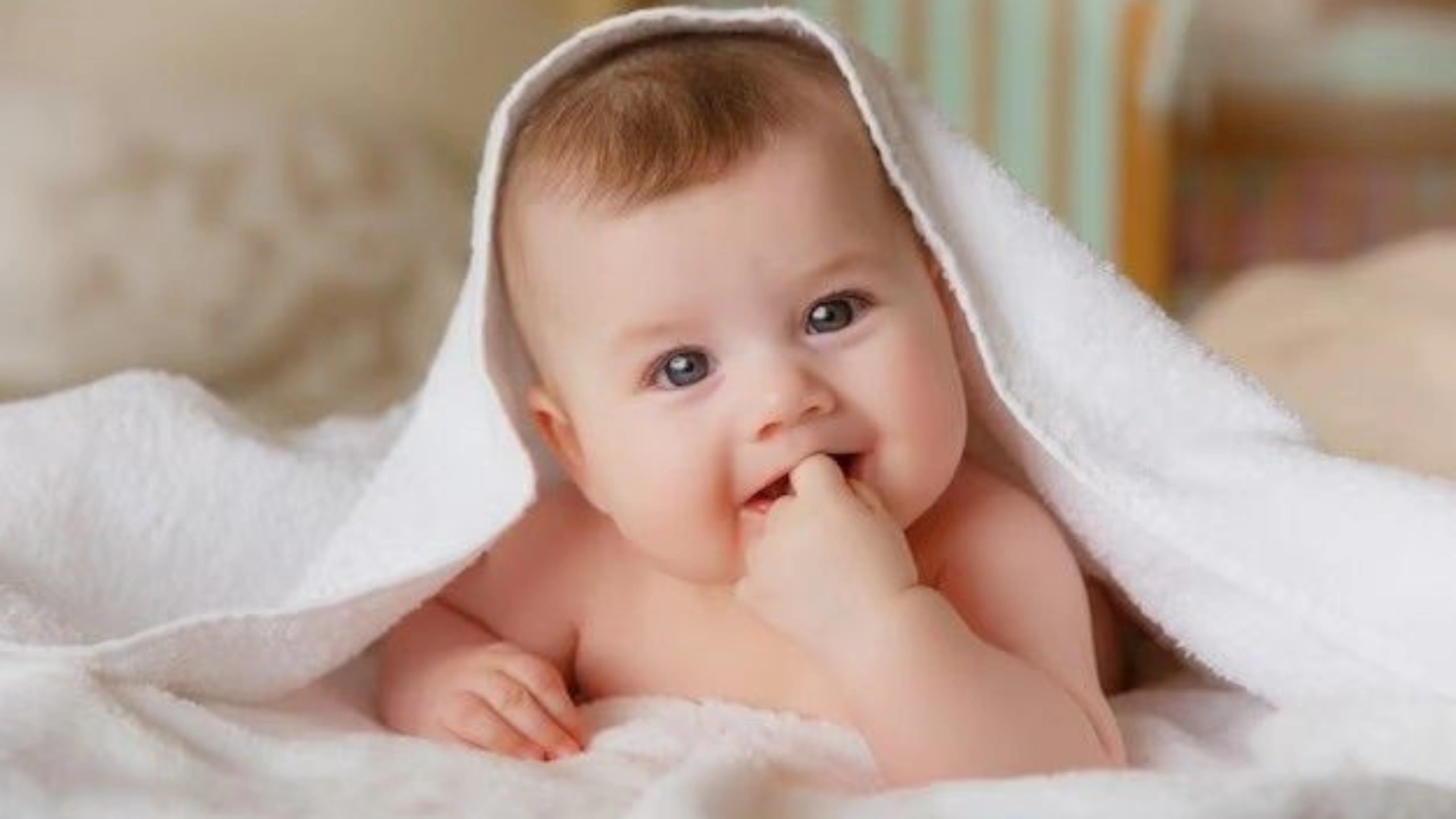
Babies are the purest symbol of innocence, joy, and wonder. Their wide eyes and gentle smiles reflect a world untouched by stress, fear, or complexity. A baby’s presence naturally sparks a positive emotional response, often making adults smile or feel calm and connected. This deep-rooted reaction is part of our human nature.
Babies remind us of the fresh start we all experience at birth full of potential, love, and simplicity. Their innocence encourages us to slow down, reflect, and reconnect with the pure, uncomplicated beauty of life.
4: Carefree Eyes

The saying “eyes are the windows to the soul” truly comes to life when you look into the innocent gaze of a child. A child’s eyes shine with curiosity, wonder, and endless possibilities, revealing a heart that is open and free from judgment. Unlike adults, who often carry the weight of experiences and assumptions, children view the world with pure openness and a sense of discovery.
This is why many animated characters are designed with large, expressive eyes to visually represent the emotional depth, innocence, and hope found in a child’s gaze. Looking into a child’s eyes is like stepping into a world where everything is fresh, joyful, and full of unlimited potential.
Read also this article: 29 Symbols of Freedom And Their Meanings
5: Butterfly
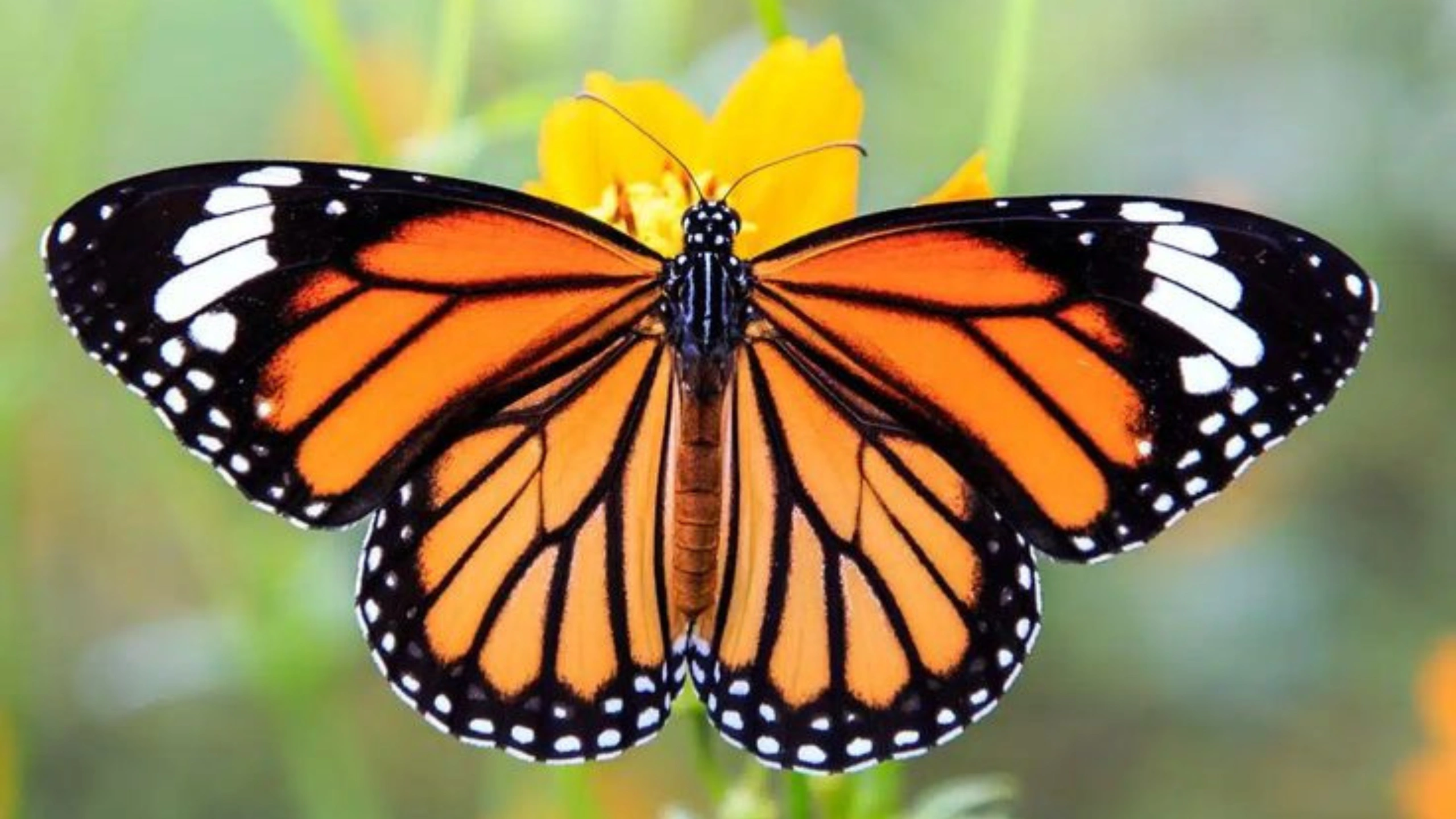
Butterflies are deeply meaningful symbols of transformation, rebirth, and personal growth. Their life cycle from a crawling caterpillar to a delicate, winged creature illustrates the powerful process of change and renewal. This natural metamorphosis reflects how we, too, can evolve and rise above challenges while still holding on to our inner innocence.
In many cultures, butterflies symbolize the soul, with their gentle flight representing freedom, hope, and the beauty of life’s transitions. That’s why artists, writers, and spiritual thinkers often use butterfly imagery to express themes of healing, self-discovery, and the fragile beauty of existence.
6: Angel Wings
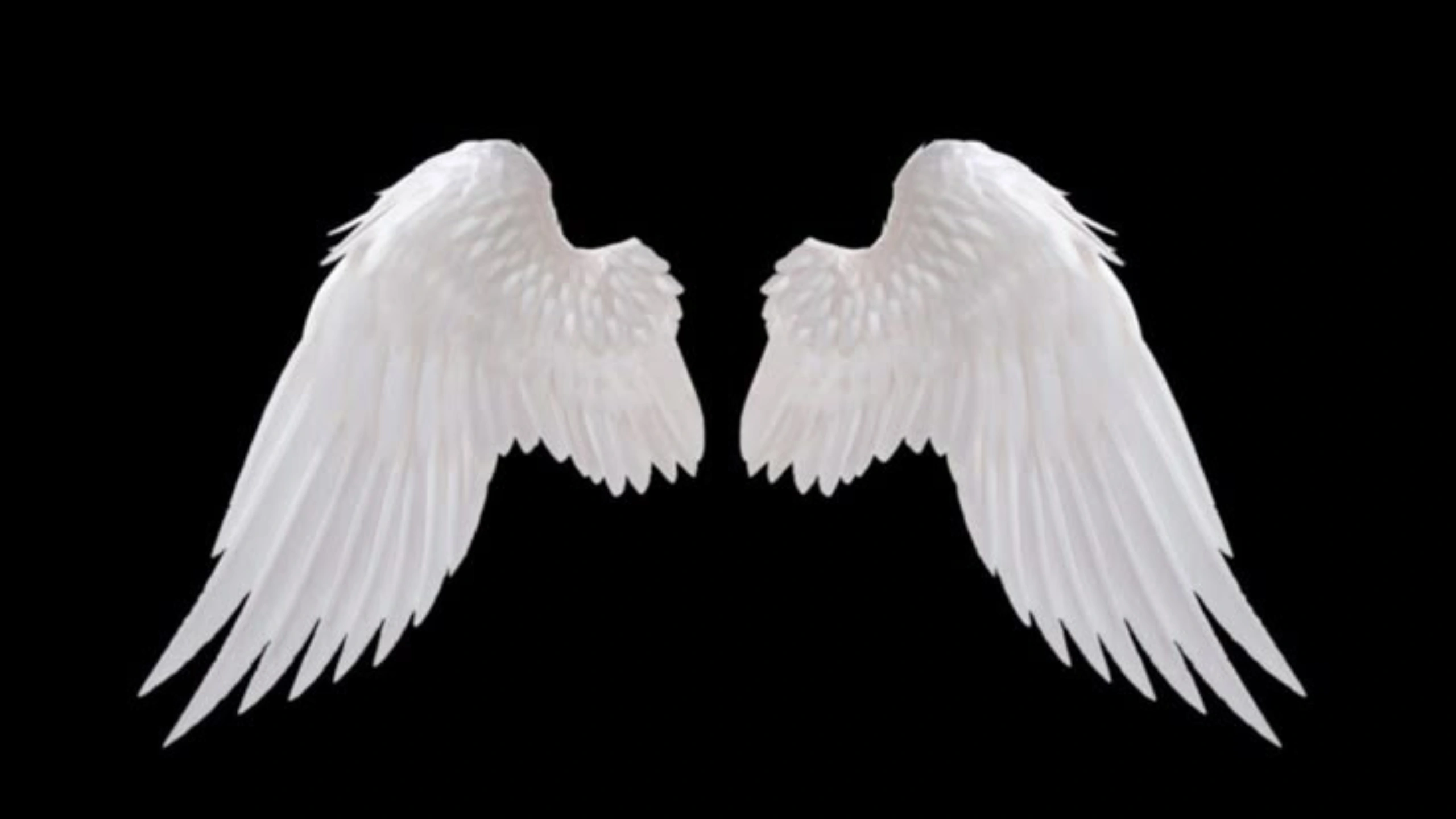
Angel wings are a powerful and timeless symbol of purity, innocence, and divine protection. They often bring a sense of peace, grace, and spiritual guidance, reminding us that we are never truly alone. More than just a representation of celestial beings, angel wings reflect the uplifting nature of the human spirit, encouraging us to rise above fear, pain, or doubt and move toward our highest self.
Commonly seen in religious art, tattoos, and home décor, angel wings symbolize hope and inner strength. Their meaning is universal across cultures offering comfort in hard times and reminding us of the inner purity, resilience, and spiritual support we carry within.
Read also this article: 20 Symbols of Forgiveness With Meanings Around The World
7: Teddy Bears
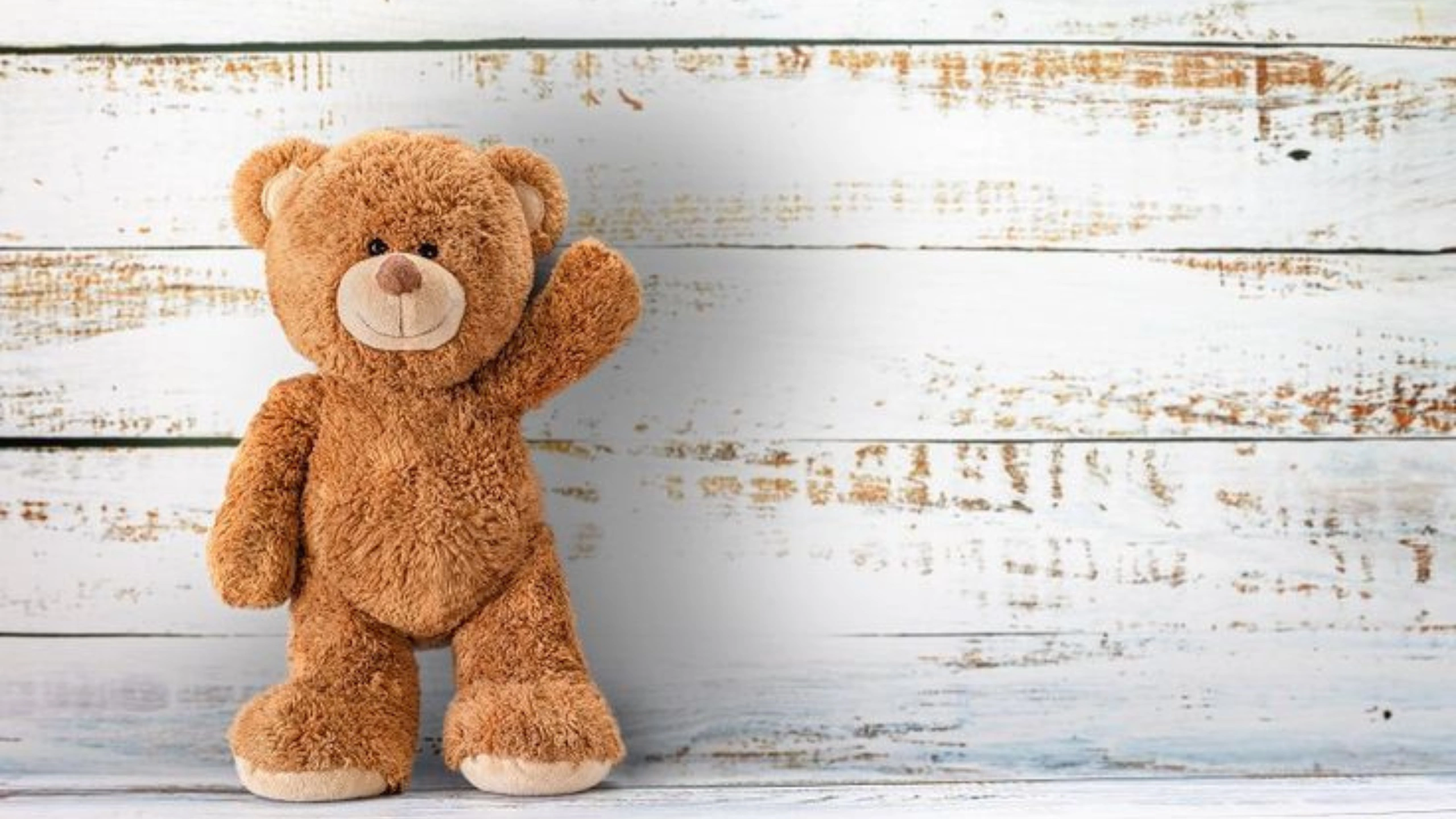
Teddy bears are timeless symbols of childhood innocence and simplicity, comfort, and unconditional love, treasured by both children and adults for generations. Their origin dates back to 1902, inspired by President Theodore “Teddy” Roosevelt, who famously refused to harm a bear cub, leading to the creation of the first teddy bear.
These soft, cuddly companions play a meaningful role in emotional development, helping children learn empathy, security, and emotional resilience. More than just plush toys, teddy bears are visual symbols of childhood innocence, representing the simple joys of growing up.
As a symbol for innocence, they continue to hold a special place in family life, mental wellness, and popular culture. Given as a gift or kept as a keepsake, teddy bears remain comforting symbols of childhood innocence and simplicity, evoking lasting memories and emotional connection.
8: Bubbles
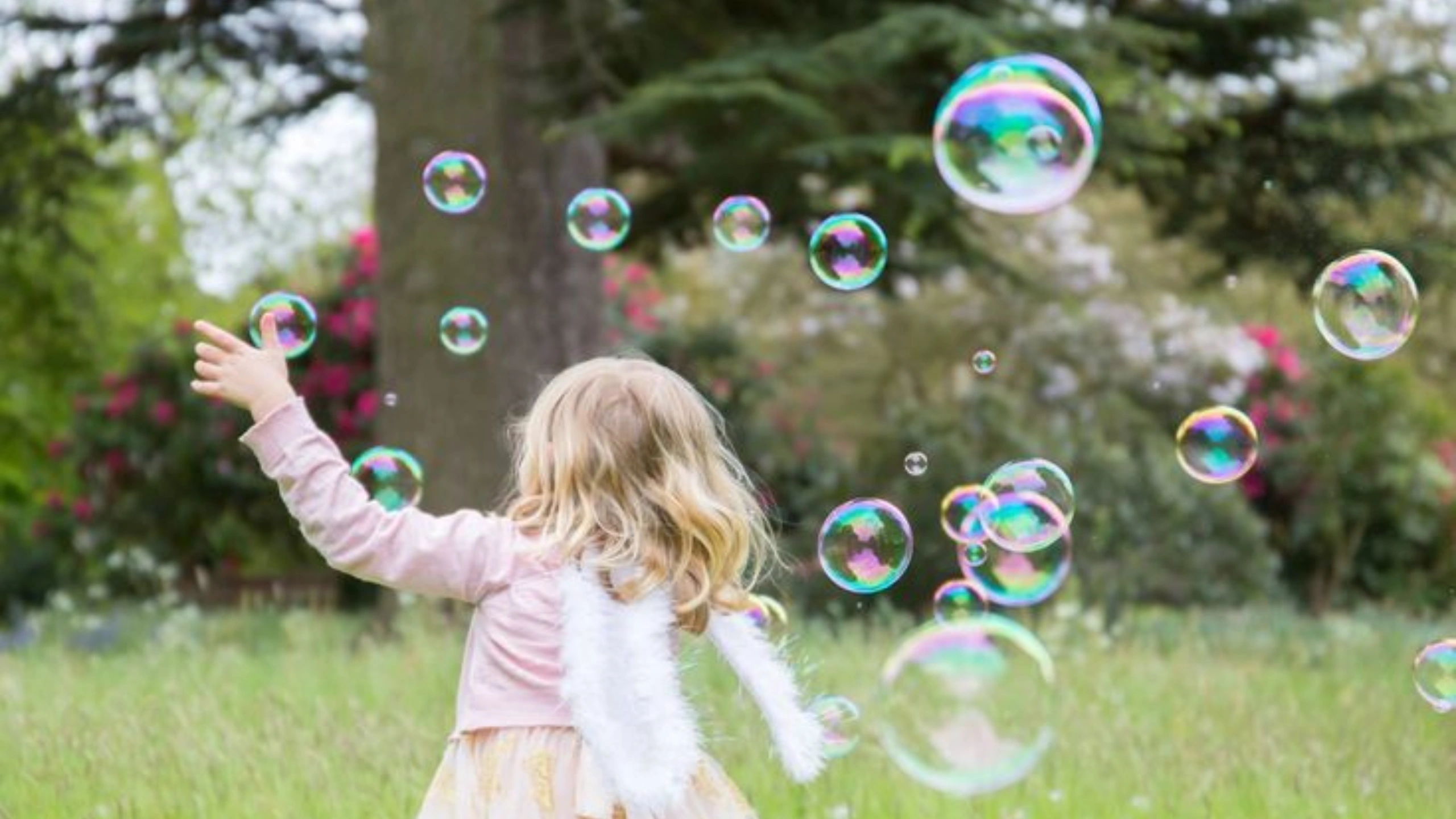
Blowing bubbles is a simple yet powerful symbol of innocence, joy, and the beauty of everyday moments. These light, shimmering orbs drift through the air, capturing our attention with their movement and glow.
Often associated with childhood symbols of innocence and simplicity, bubbles remind us to slow down and enjoy life’s small pleasures. Their gentle flight and delicate form spark the imagination, evoking feelings of freedom, wonder, and carefree happiness.
As a symbolism for innocence, bubbles reflect the fleeting nature of life, reminding us to live in the moment and find happiness in the little things that surround us.
9: Baby Animals
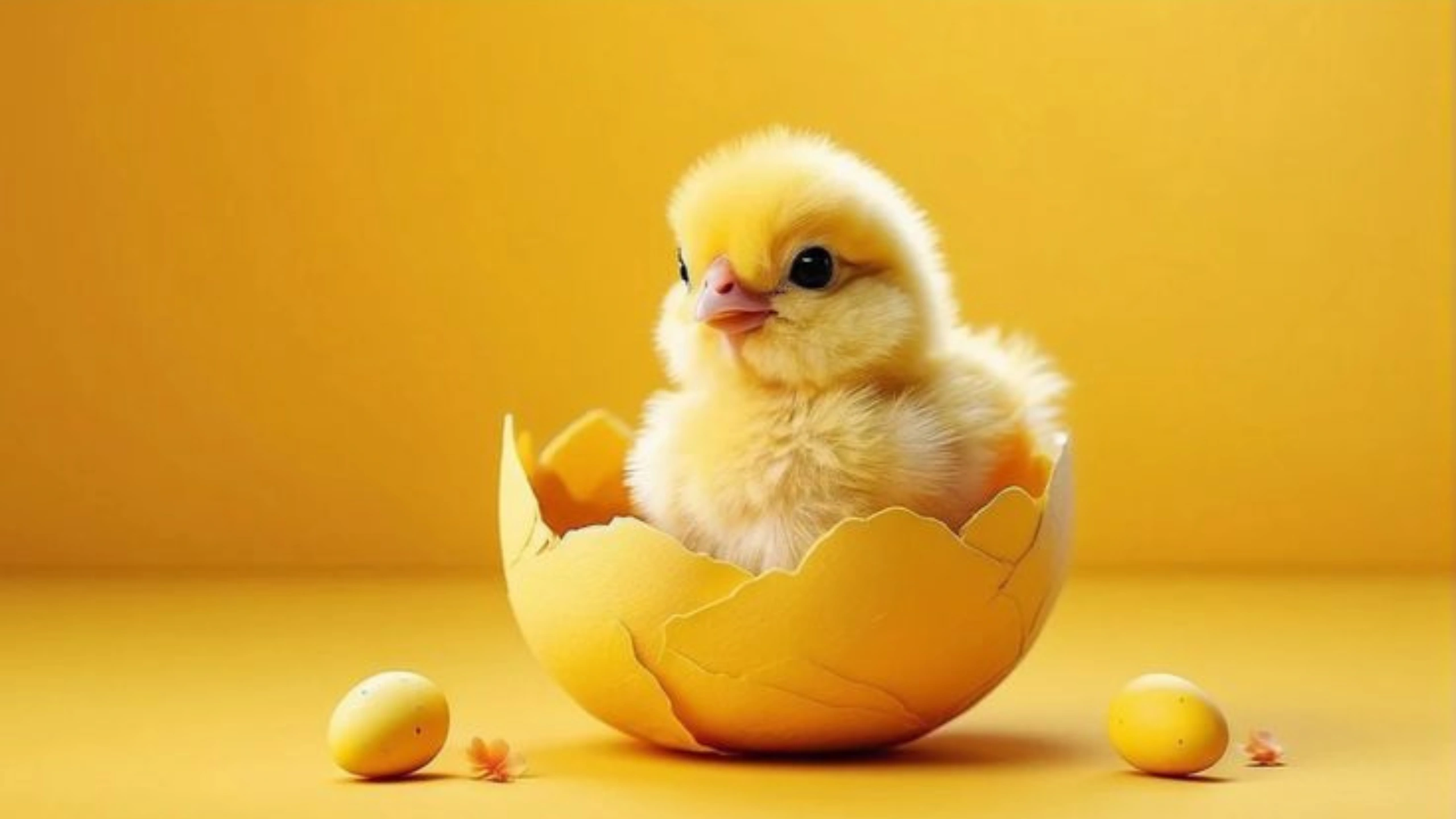
Baby animals naturally capture our hearts with their big eyes, gentle movements, and a clear sense of innocence. How animals symbolize innocence in stories is seen in creatures like fluffy chicks, playful puppies, or wobbly fawns, as they trigger an instinctive nurturing response in humans, ensuring their protection and survival.
These young creatures represent purity, vulnerability, and beauty, reminding us of the delicate nature of life. More than just symbols of cuteness, baby animals serve as emblems representing innocence, highlighting the simplicity and fragility of new life.
Their images in media, documentaries, and awareness campaigns are powerful tools in wildlife education and conservation, inspiring people to care for the planet and protect Earth’s most fragile species.
10: Balloons
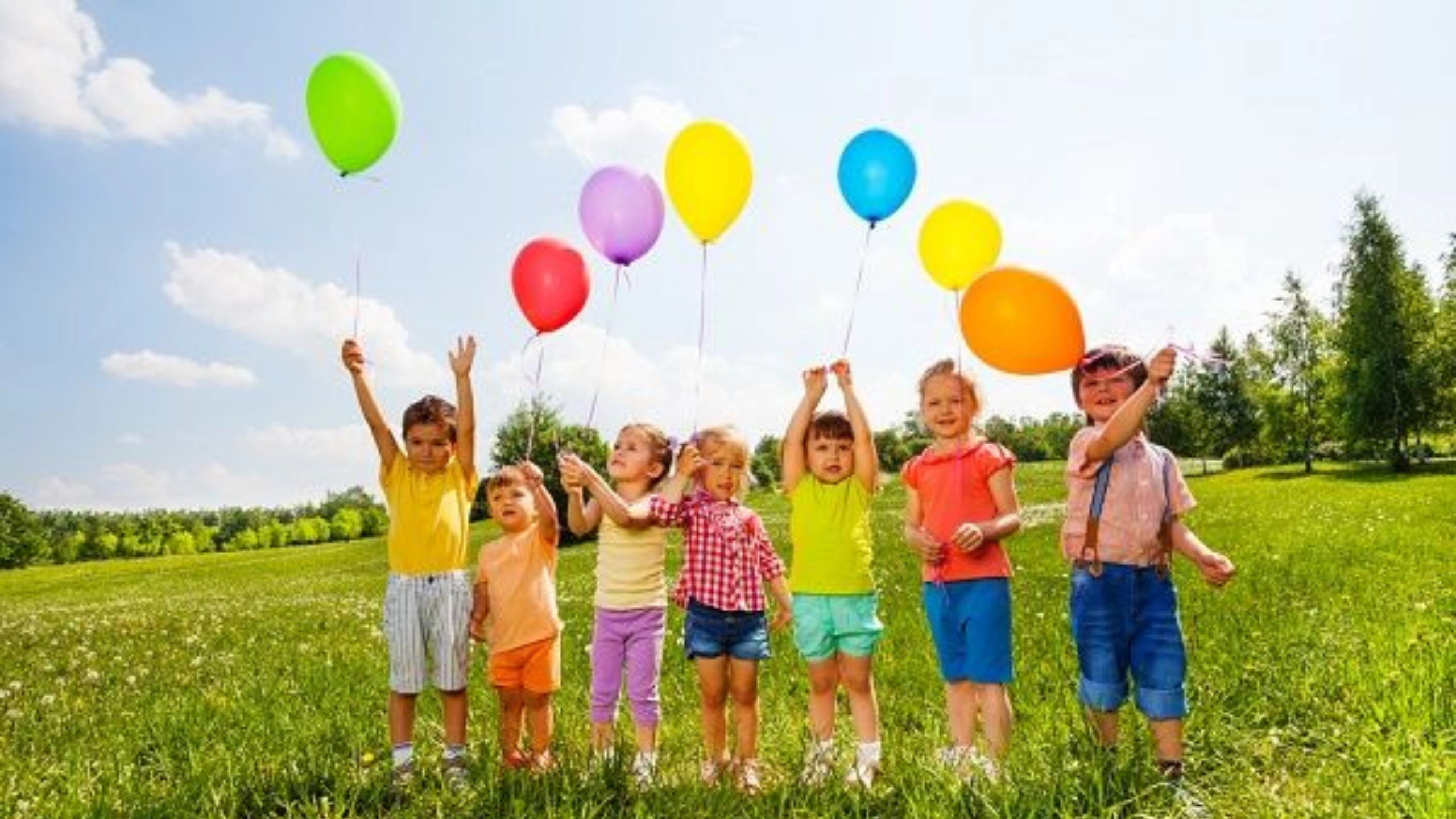
Balloons have a unique way of bringing joy and excitement to any moment. They are widely recognized as symbols of happiness, freedom, and lightness, often associated with both childhood memories and special celebrations. From birthday parties to weddings, balloons instantly create a festive atmosphere and remind us to enjoy life’s simple pleasures.
Originally invented by Michael Faraday in 1824 for use in scientific experiments, balloons have since become a global icon of celebration. In art and literature, balloons often represent dreams, aspirations, and the innocence of youth, gently rising toward the sky as a symbol of hope and endless possibilities. Used in a joyful event or as a metaphor for rising above life’s challenges, balloons continue to lift our spirits and inspire positivity.
11: Sweet Dreams

Sweet dreams are a gentle symbol of childhood innocence and emotional safety, representing the peaceful shift from wakefulness to sleep. Bedtime rituals like lullabies, bedtime stories, or a parent’s goodnight kiss offer children a sense of comfort, routine, and security that helps them relax and welcome sleep with ease. Around the world, different cultures have their own ways of protecting children’s dreams.
For example, Native Americans use dreamcatchers to guard against bad dreams, while in Western folklore, the Sandman is said to sprinkle magical dust to bring restful sleep. These traditions not only promote healthy sleep but also help preserve a child’s innocence, nurturing their inner peace and emotional well-being even while they rest.
Read also this article: 21 Symbols of Resilience in Cultures and Arts Around The World
12: Crayons
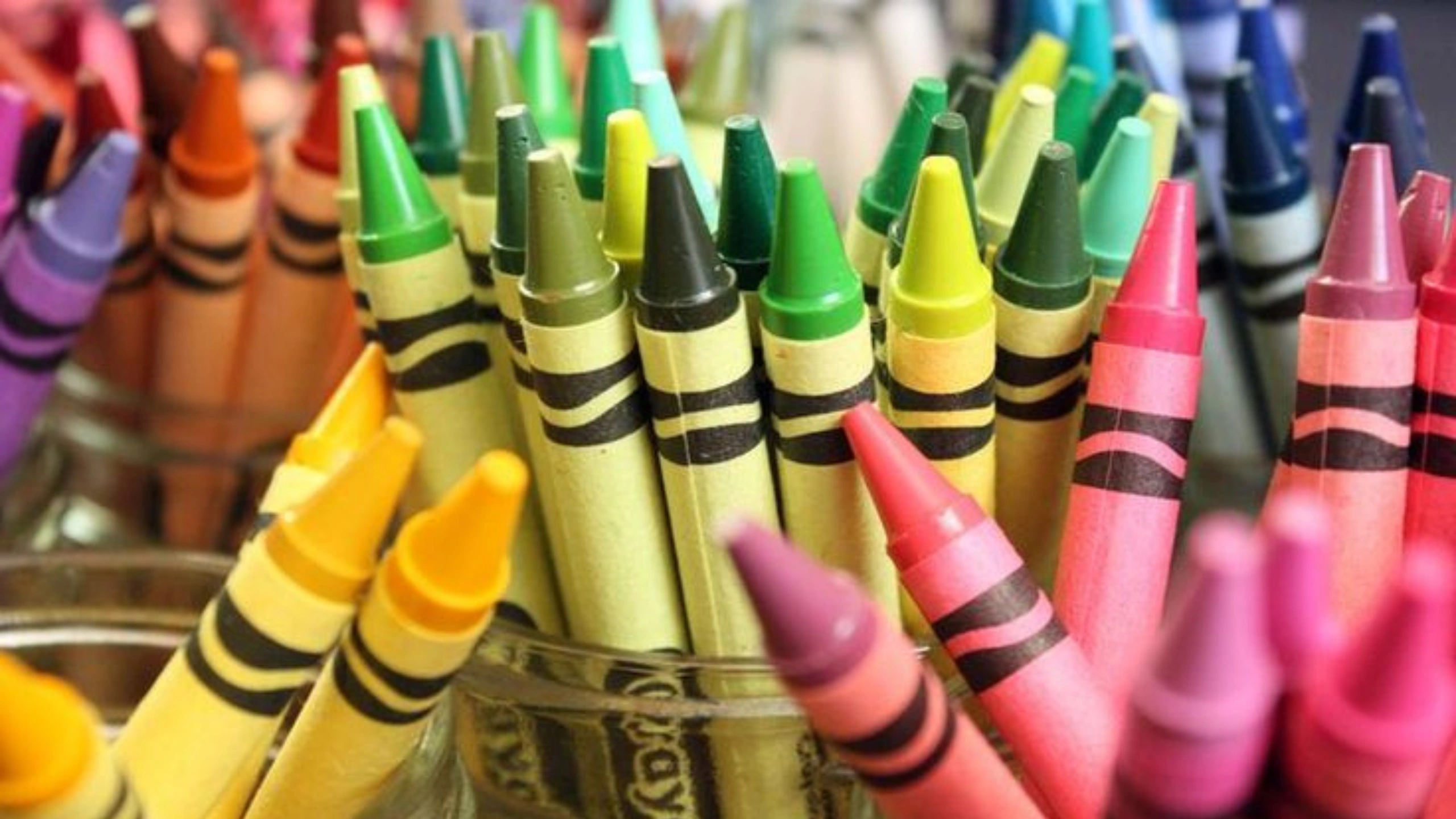
Crayons are more than simple art supplies; they are powerful tools for creativity, self-expression, and emotional development. Since the launch of Crayola crayons in 1903, these colorful sticks have helped children and artists alike bring their imagination to life. With their bright hues and easy-to-use design, crayons encourage unlimited artistic freedom, making them a favorite in classrooms, homes, and creative studios.
They are often seen as motifs symbolizing innocence in art, representing the pure joy and wonder of creating without fear or rules. They also symbolize the innocence of childhood and the joy of exploring ideas without boundaries. Used in a child’s
13: Kites
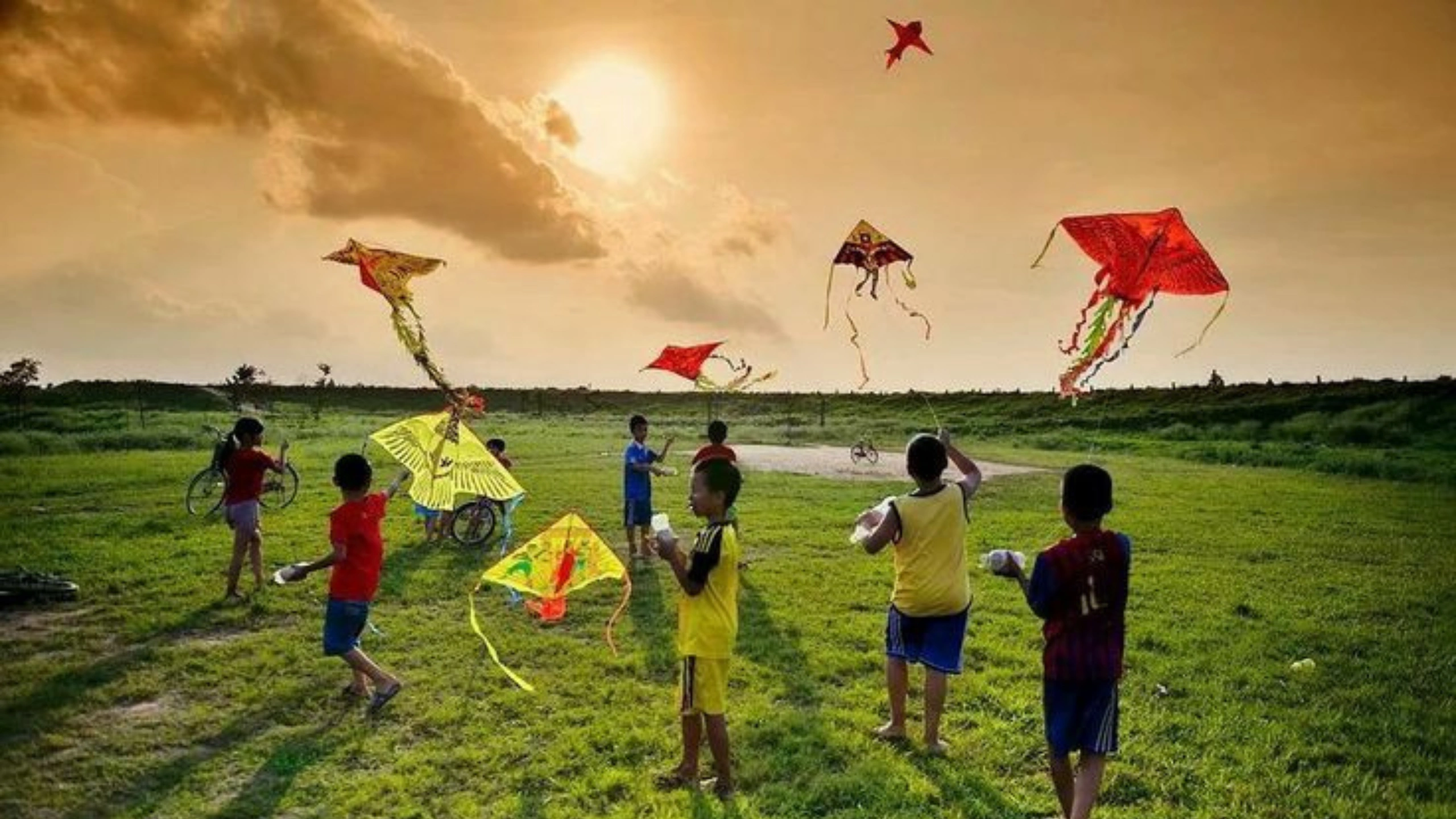
Kites are a beautiful and timeless symbol of freedom, hope, and aspiration, often reminding us to enjoy life’s simple pleasures. First invented in ancient China for military and communication purposes, kites have evolved into a popular activity that brings joy across cultures and generations. Watching a kite glide through the sky evokes feelings of childhood innocence, playfulness, and imagination.
Flown during a colorful kite festival or on a quiet day at the park, kite flying brings people together and encourages us to dream big. The movement of a kite soaring on the wind symbolizes the human spirit light, free, and always reaching higher.
14: Lambs
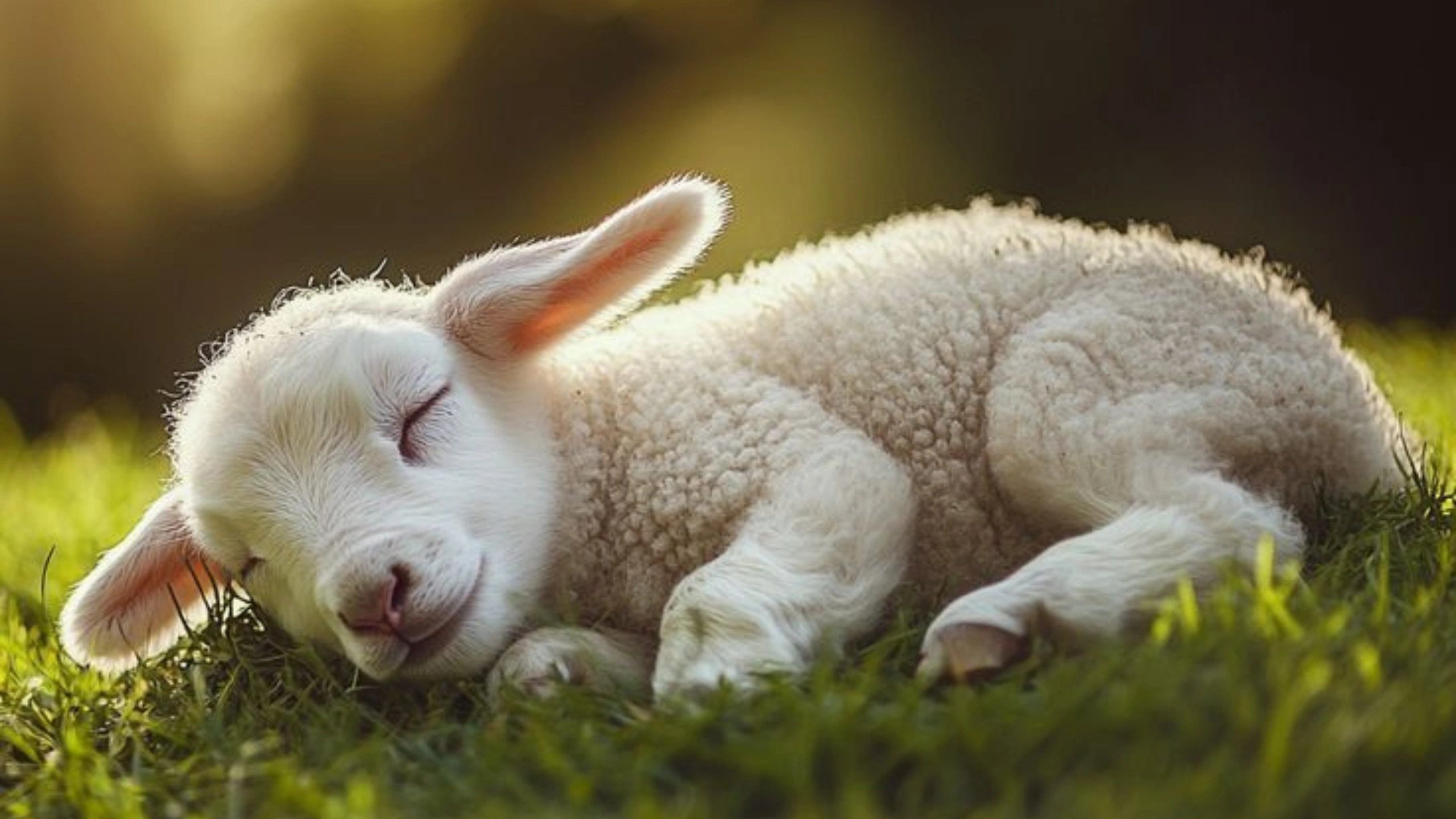
Lambs are widely recognized as powerful symbols of innocence, purity, and gentleness, often stirring feelings of care and protection toward the most vulnerable among us. In literature and symbols of innocence in art, lambs have long represented sacrifice, renewal, and divine love. A famous example is William Blake’s poem “The Lamb,” which beautifully links childhood innocence with themes of creation and spirituality.
Beyond their symbolic meaning, lambs also highlight our modern responsibility to care for animals and the environment. In today’s world, they remind us of our duty to protect the defenseless, support ethical farming, and nurture the natural world with compassion and respect.
15: Snowflakes

Snowflakes are delicate and breathtaking creations of nature, each one uniquely formed and impossible to duplicate. They are powerful symbols of innocence, purity, and the quiet beauty of the natural world.
A snowflake forms when water vapor freezes into an ice crystal, with its shape influenced by the temperature and humidity it passes through. No two snowflakes are exactly alike, making them a reminder of how even the smallest things can carry incredible complexity and beauty.
In art, literature, and cultural traditions, snowflakes often represent common symbols of innocence in literature, transformation, and the fleeting moments we should cherish. Their fragile nature encourages us to find wonder in everyday life and to appreciate the gentle balance that exists in the world around us. Snowflakes, as innocent symbols, remind us of purity and the simplicity of life.
Read also this article: 23 Symbol for Strength and Resilience
16: Lady Bugs
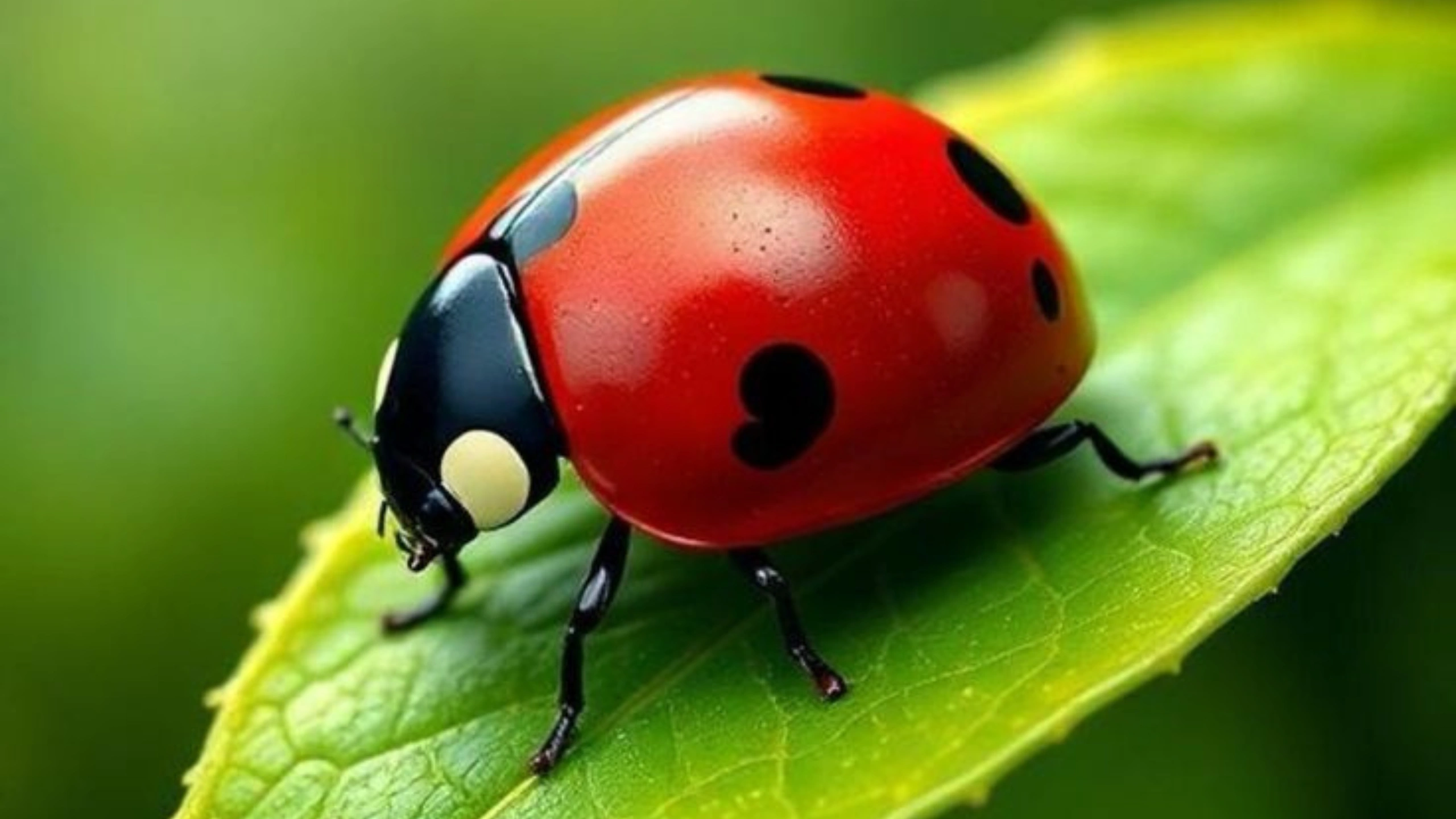
Ladybugs are beloved for their bright red shells and tiny black spots, symbolizing innocence, good luck, and protection. In many cultures, these gentle insects are seen as harbingers of fortune. According to European folklore, the number of spots on a ladybug’s back is said to predict how much good luck is coming your way.
But beyond their symbolic charm, ladybugs are also natural protectors in gardens, helping to control harmful pests like aphids without the need for chemicals. This makes them a favorite among gardeners and environmentalists. In children’s books, toys, and nature-themed products, ladybugs represent the gentle, safe, and nurturing side of the natural world reminding us of nature’s beauty, balance, and quiet strength.
17: Cartoonish Drawings
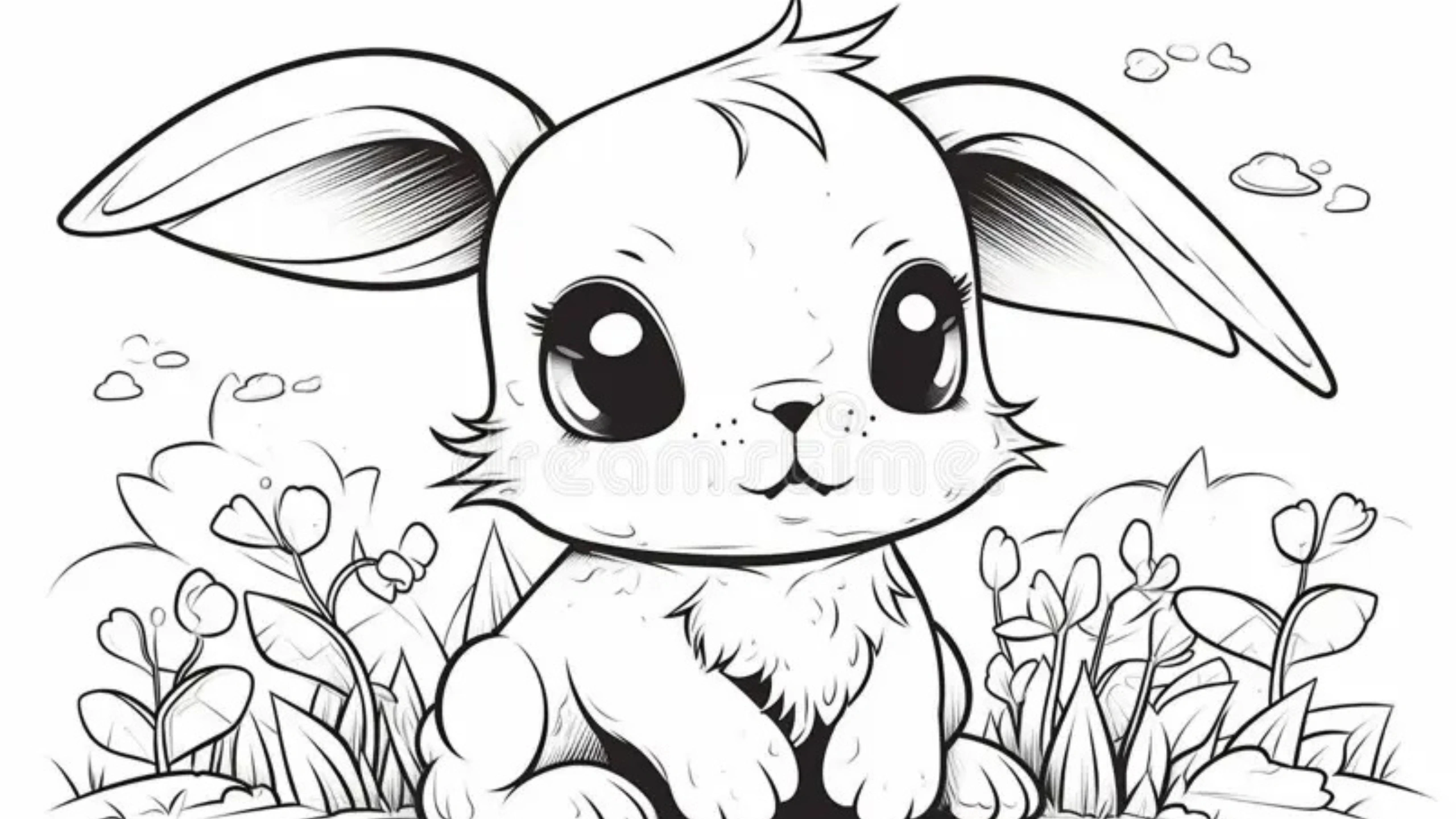
Cartoonish drawings beautifully capture the innocence, imagination, and playfulness of childhood. With their simple lines, bold shapes, and exaggerated expressions, cartoons convey deep emotions and meaningful themes in a way that feels light, approachable, and relatable.
Well-known cartoonists like Charles Schulz (Peanuts) and Bill Watterson (Calvin and Hobbes) have created memorable characters that connect with both children and adults, offering meaningful reflections on love, life, and human nature.
Despite their simplicity, cartoons often evoke strong feelings of nostalgia, reminding us of carefree days and universal truths. They serve as more than just entertainment they are a powerful form of emotional expression, an innocence symbol drawing, and a lasting symbol of childhood innocence.
18: Unicorn
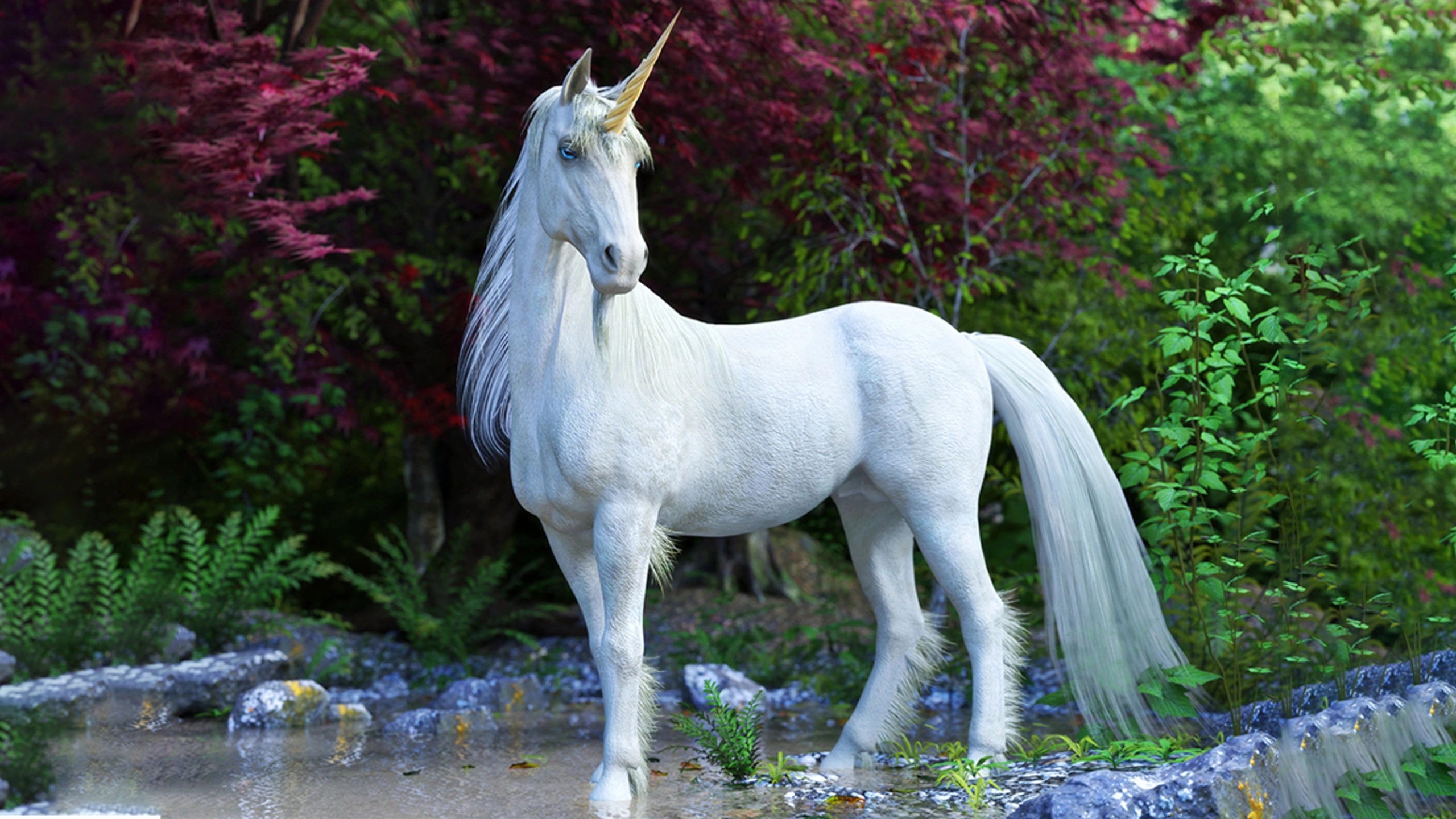
Unicorns are legendary creatures that symbolize purity, beauty, and grace, often portrayed with a single spiraled horn on their forehead. This iconic horn represents magic, healing, and the mysteries of the unknown. In Western culture and folklore, unicorns are seen as rare and mystical beings that roam peaceful forests and open meadows, embodying a sense of innocence, serenity, and wonder.
These creatures are ancient symbols of innocence and virtue, reminding us of the beauty of purity and the magic of the unknown. Their gentle and elegant nature continues to captivate the human imagination. In ancient myths or modern storytelling, unicorns serve as symbols conveying innocence and virtue, reminding us of the magic that exists beyond what we can see and the beauty of believing in the impossible.
19: White Buffalo
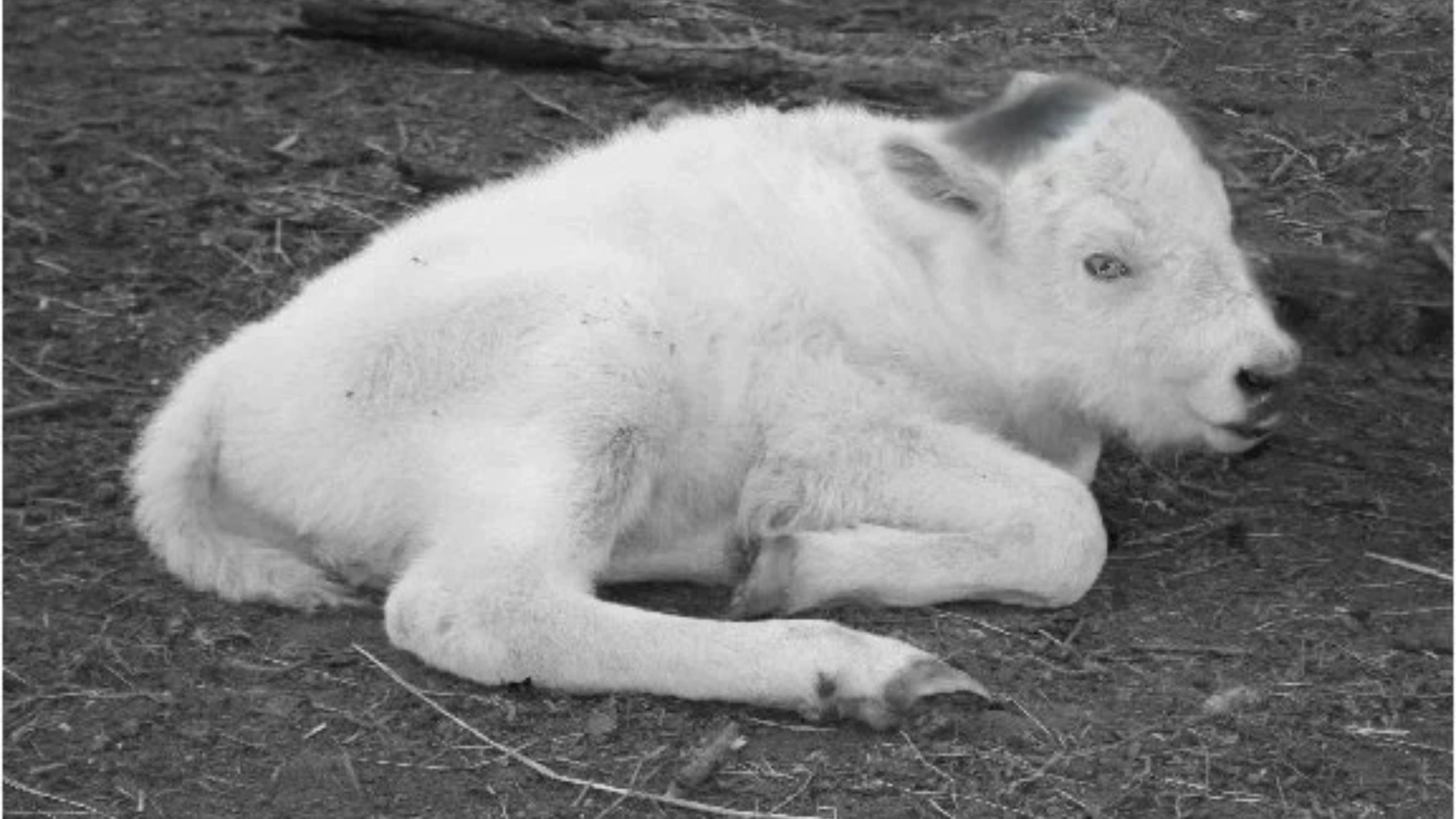
The white buffalo is a sacred and powerful symbol in Native American cultures, representing purity, hope, and spiritual transformation. In particular, the Lakota tradition views the birth of a white buffalo as a profound sign of balance, renewal, and the arrival of sacred teachings meant to guide people toward harmony with nature and the divine.
Across many tribes, the white buffalo is seen as a messenger of change a rare and powerful animal that brings blessings during times of spiritual growth. Its peaceful presence in a quiet meadow symbolizes unity between humans, Mother Earth, and the spirit world. For those on a spiritual path, the white buffalo serves as a reminder to walk gently, stay connected to ancient wisdom, and reflect deeply on one’s spiritual journey.
20: Buddha

Buddha is a universal symbol of wisdom, compassion, and the journey toward enlightenment. His calm and peaceful image reflects the ideals of inner peace, mindfulness, and spiritual growth, inspiring people to live with clarity and purpose.
As the founder of Buddhism, Buddha taught the values of nonviolence, humility, and respect for all living beings, emphasizing the importance of living in harmony with oneself and the world. He is often associated with the lotus flower, a powerful symbol of purity, resilience, and spiritual awakening rising beautifully even from muddy waters.
This flower also serves as a symbol of innocence and purity, reflecting the core of Buddha’s teachings. Through his teachings and example, Buddha reminds us that true strength lies in innocence, kindness, and the consistent pursuit of inner truth and compassionate living.
21: White Flowers
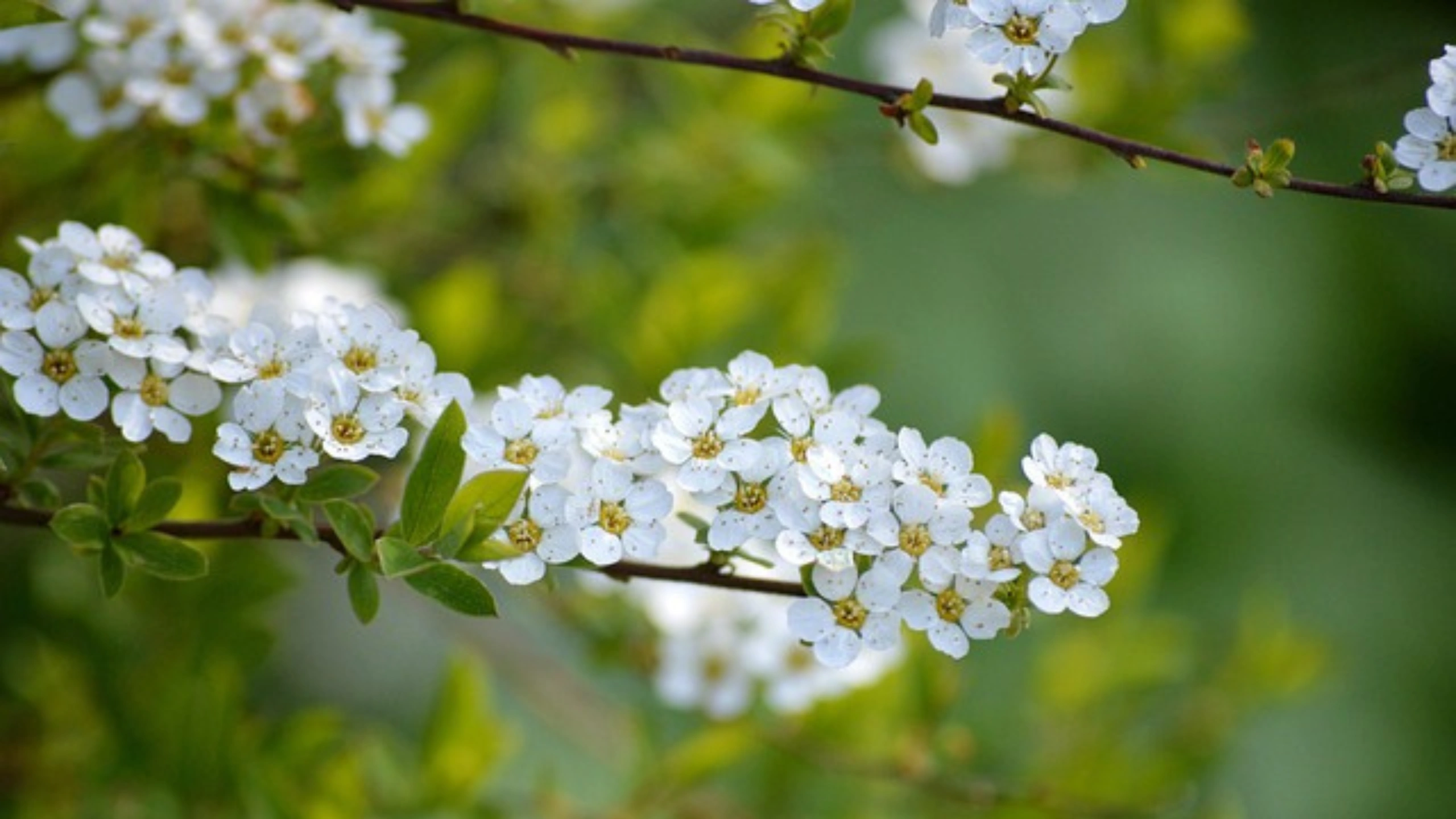
White flowers are powerful symbols for innocence, purity, and new beginnings, carrying deep spiritual meaning in cultures around the world. Their clean, delicate appearance represents both peace and transformation, making them meaningful in life’s most important moments.
In Christianity, the white lily is closely associated with the Virgin Mary, symbolizing her purity and divine grace. Flowers that symbolize innocence and purity, like the white rose, reflect the beauty of simplicity and the untainted nature of the soul. In Japanese culture, the cherry blossom, though pink or white, reflects the fleeting beauty of life and the importance of living in the present.
White flowers are often used in weddings, representing fresh starts and hope for the future, and in funerals, honoring the purity and peace of the departed soul. These flowers are also signs of purity and innocence, reminding us of life’s transient beauty and the spiritual renewal found in moments of joy and sorrow.
22: White Stag

The white stag is a powerful and mystical symbol of spiritual guidance, transformation, and purity, often featured in mythology and folklore across many cultures. This rare and majestic creature is believed to serve as a divine messenger, appearing during key moments of personal growth or spiritual awakening.
In many traditions, encountering a white stag marks a turning point a sign that you’re being called to pursue higher wisdom, inner peace, or a deeper connection with the divine. Its glowing white appearance symbolizes the purity of the soul and the importance of staying true to your spiritual path. The white stag invites us to trust our intuition, embrace transformation, and seek meaning beyond the material world.
23: Alabaster
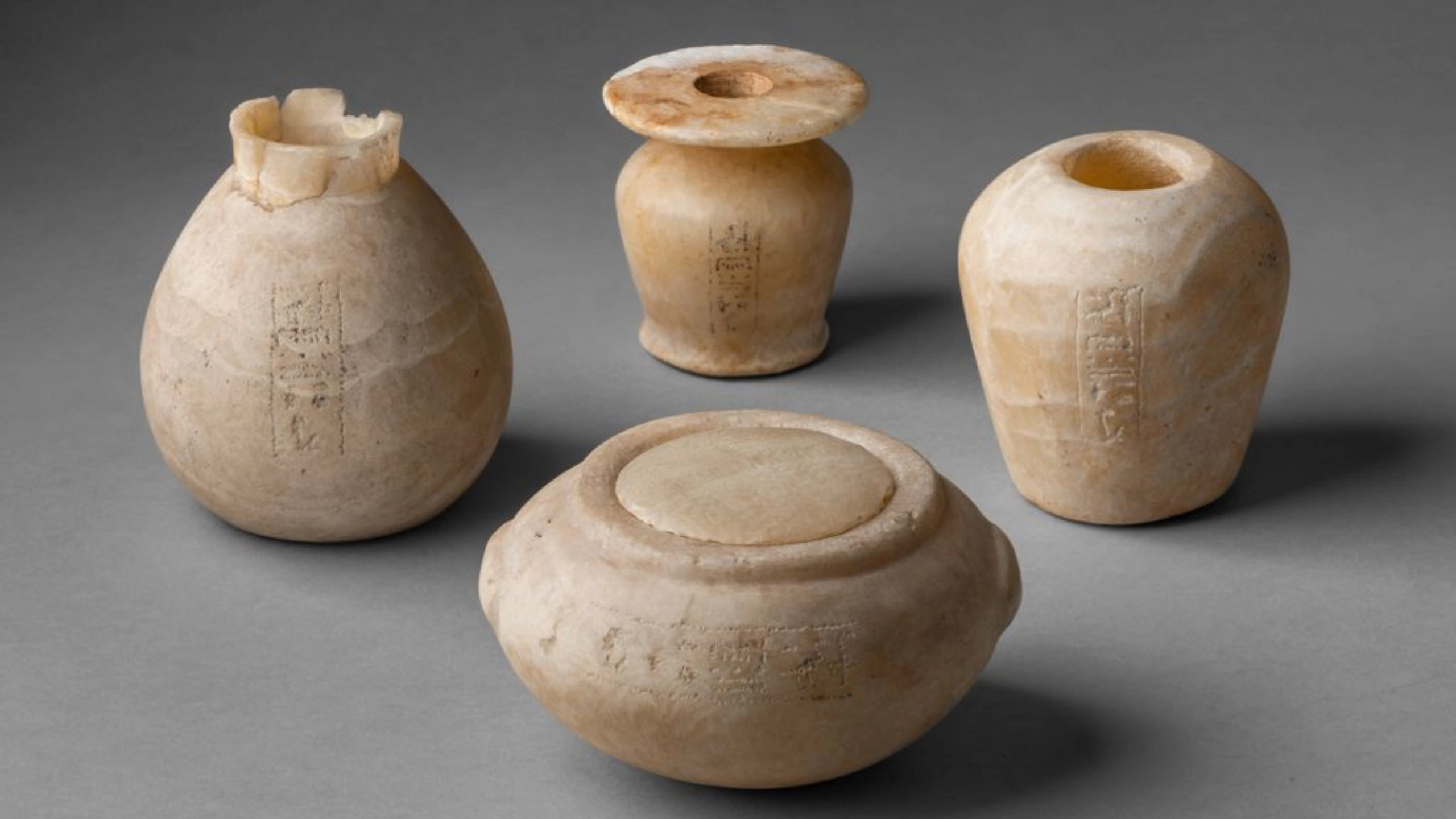
Alabaster is a smooth, translucent mineral that symbolizes innocence, purity, and the delicate nature of life. Across different cultures and time periods, it has held deep spiritual and artistic significance. In Ancient Egypt, alabaster was used to create sacred jars and statues, reflecting the divine presence of the gods.
In Christian tradition, this soft, white stone was often crafted into religious art to represent the purity of Christ and the holiness of the saints. Its creamy texture and gentle glow bring a sense of peace, fragility, and spiritual calm. Alabaster’s beauty reminds us of the transience of life, the innocence of youth, and the enduring value of inner purity. Today, it continues to be cherished as a symbol of both delicate strength and divine grace.
24: Swans
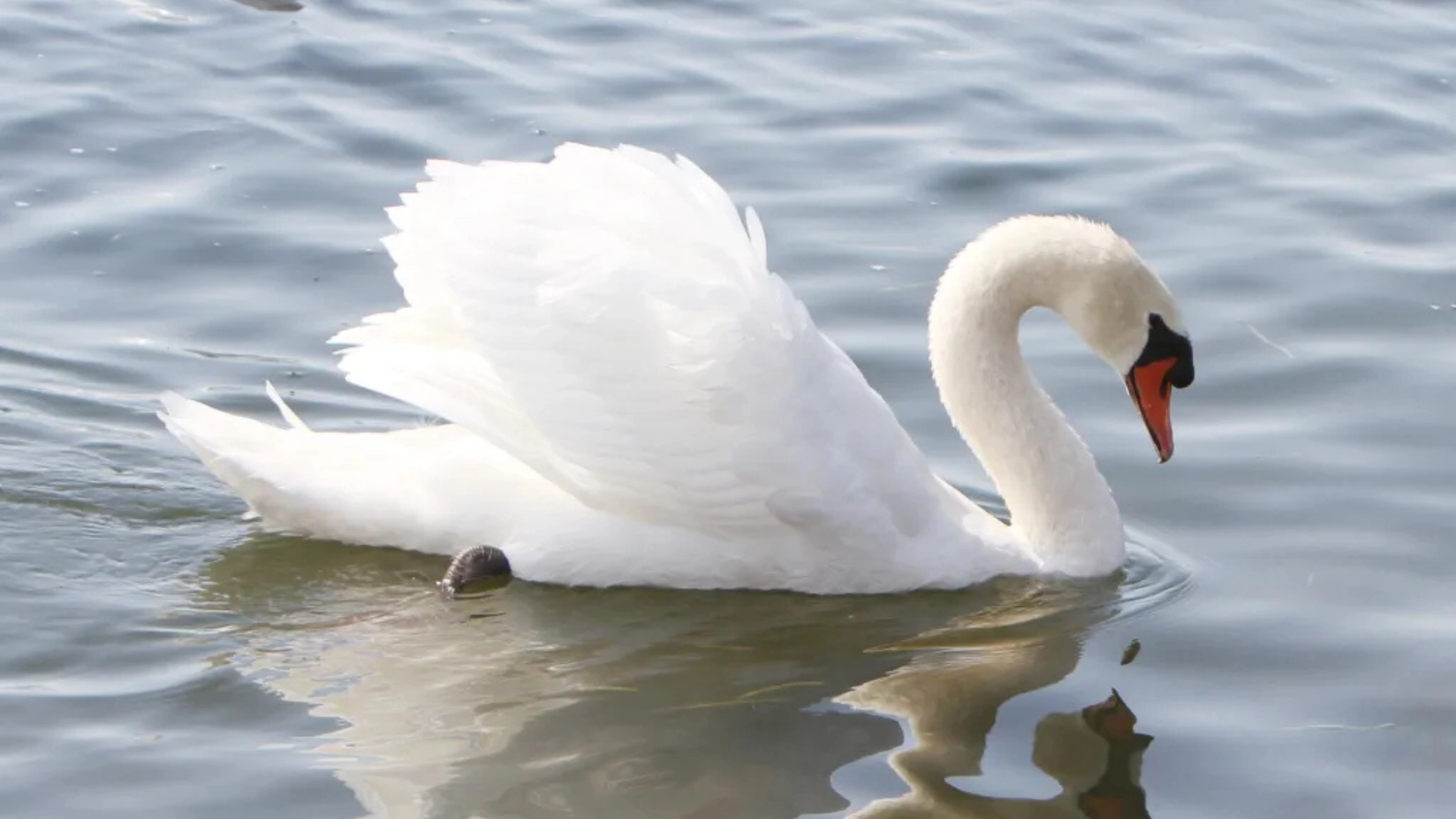
Swans are elegant and deeply symbolic birds, often representing innocence, purity, and tranquility. Their graceful movements and calm presence make them enduring symbols of peace and beauty across many cultures. In Western traditions, swans are closely linked to love and loyalty, frequently featured in weddings, anniversaries, and romantic art to symbolize lifelong commitment.
In Greek mythology, the swan is associated with the god Apollo, representing art, music, and inspiration. Swans also carry strong parental symbolism the image of a mother swan gently caring for her cygnets reflects nurturing, protection, and the pure bond between parent and child. Through their serene beauty and timeless symbolism, swans continue to inspire feelings of calm, devotion, and emotional connection in cultures around the world.
25: The Color White

The color white universally symbolizes innocence, purity, and clarity, carrying deep meaning across cultures, religions, and everyday life. In Christianity, white is closely associated with Jesus Christ, representing his divine nature and spiritual purity. Artistic depictions often show Christ in white robes to emphasize holiness and innocence.
This cultural symbol representing innocence is also reflected in modern traditions, such as brides wearing white to represent new beginnings, faithfulness, and the purity of love in marriage. White is also connected to light, truth, and knowledge, symbolizing mental clarity, enlightenment, and goodness.
Traditional symbols of innocence and purity, such as white flowers, evoke feelings of peace and spiritual awakening. In sacred rituals and daily life, white continues to represent moral integrity and spiritual awakening. Its timeless presence makes it one of the most powerful and meaningful colors in human experience.
26: Pearls
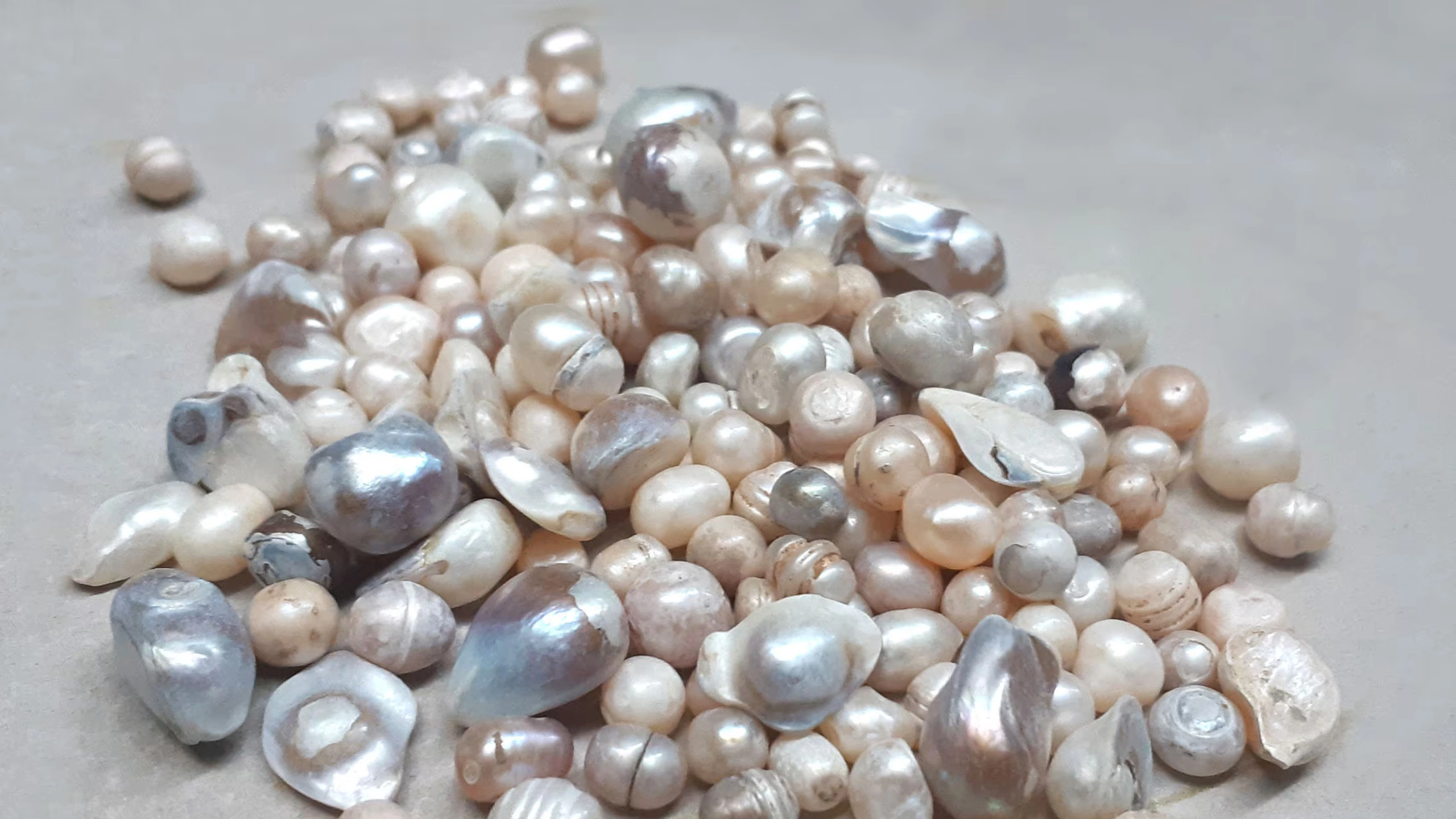
Pearls are timeless symbols of transformation, wisdom, and purity, formed when a simple grain of sand gradually evolves into a precious gem. This natural process mirrors the human journey of growth, reflecting the innocence, honesty, and inner beauty that reside within the heart.
Often associated with femininity, pearls are admired for their elegance and calm energy, offering a sense of dignity and grace to those who wear them. Their soft, radiant glow encourages self-reflection, helping individuals look inward, embrace their true selves, and cultivate self-acceptance.
In both spiritual and personal growth, pearls symbolize the strength found in vulnerability and the beauty that comes from embracing change. They serve as gentle reminders that even life’s roughest moments can lead to something meaningful and beautiful.
27: Crystal Ball

The crystal ball is a powerful symbol of mystery, intuition, and limitless potential. Often used in divination and spiritual practices, it represents the quest for clarity, self-awareness, and insight into the unknown. With its smooth, transparent surface, the crystal ball encourages deep inner reflection, helping individuals connect with their intuition and uncover truths hidden beneath the surface of everyday life.
Across cultures, fortune tellers and spiritual guides use crystal balls to explore future possibilities, offering direction during times of uncertainty. It’s not just a mystical tool—it also symbolizes the clarity of the mind, the unfolding of personal growth, and the ability to see beyond current limitations.
The crystal ball invites us to trust our inner wisdom and reflect on the exciting opportunities and transformations that lie ahead.
Conclusion
Symbols of innocence have a powerful way of connecting us to the purest, most untainted parts of our childhood. From the delicate flight of a dove to the fleeting beauty of a snowflake, these symbols remind us of the joys and purity that life often brings in its simplest forms.
What symbolizes innocence more than the playful touch of a crayon or the smile of a child? These symbols that depict innocence and naivety serve as gentle reminders of the wonder and innocence that still exist within us, even in adulthood. In a world filled with complexities, modern interpretations of symbols of innocence encourage us to reconnect with ourselves and cherish the unfiltered happiness that is often hidden in the most ordinary moments.
Frequently Asked Questions
[sp_easyaccordion id=”2924″]